Jean Genet (Jean Genet, 1910-1986)
"Jean Genet is a great poet. His morals are cruel and cruel and he never leaves them."
Jean Cocteau
Jean Genet, the illegitimate son of a Parisian prostitute, was placed in an orphanage as a seven-month-old baby. At the age of thirteen, he begins the life of a criminal and adventurer, spending the money of charitable institutions intended for his guardianship. From the age of 15 to 18, Genet spends a gloomy time in the "Mettray" correctional facility. It was a place of exploitative work, where the laws of love, honor, behavior and justice were passed by the residents themselves. This gloomy space becomes the place of his sexual awakening. After a period in the correctional facility, Genet becomes a legionnaire and goes to Syria. After deserting from the Foreign Legion, he travels, is constantly arrested and survives by earning money through petty theft and homosexual prostitution. At the age of 23, Genet shaved in Spain, where he spends his time in suspicious places, begging - this period led him to write "The Thief's Journal".
In the structure of Genet's novels, the experience of a miserable, humble life is transformed into an astonishing literature. At the age of 32, while in prison, Zene begins to write his first work - "Our Lady of the Flowers" (Our Lady of the Flowers), which was discovered and destroyed by the Zavorian authorities. He later rewrote this text from memory, managed to smuggle it outside the Zavorian walls, and quite by chance it reached the hands of Jean Cocteau and Jean-Paul Sartre, who began to lobby for his release from life imprisonment. More than 40 intellectuals and artists petitioned the French government. Genet's artistic portrait is best depicted in Sartre's study "Saint Genet],
After five novels and after a break of several years, Genet reappears as a playwright. With "The Maids", which preceded the other dramas: "The Blacks", "The Balcony" and "Behind the Curtain", Genet definitely proves to be a successful writer. Genet, like Arto, believed that the theater should represent a radical act, and in that direction, with special care, he defined ideas about the staging of his plays. At a time when many authors were dissuaded from "sympathy" towards the world of homosexuality, Genet openly portrays it, painting it more poetically than shamefully. However, his sense of solidarity was stronger towards thieves and other renegades from society. In his mature years, Genet became the protector of the "Black Panthers" (Black Panthers) in America and the Palestinian soldiers in Jordan and Lebanon. His last work, "Prisoner of Love" (Prisoner of Love), written before his death, is a testimony of the years spent with these organizations. In 1967, Genet attempted suicide due to the death of his lover, but died nineteen years later, on April 15, 1986, of cancer, in hotel in a poor, working-class part of town, similar to the one where it had been abandoned 75 years earlier. He was buried in Morocco. Genet left behind powerful pieces in which he gave a realistic critique of bourgeois values.
, -
EN
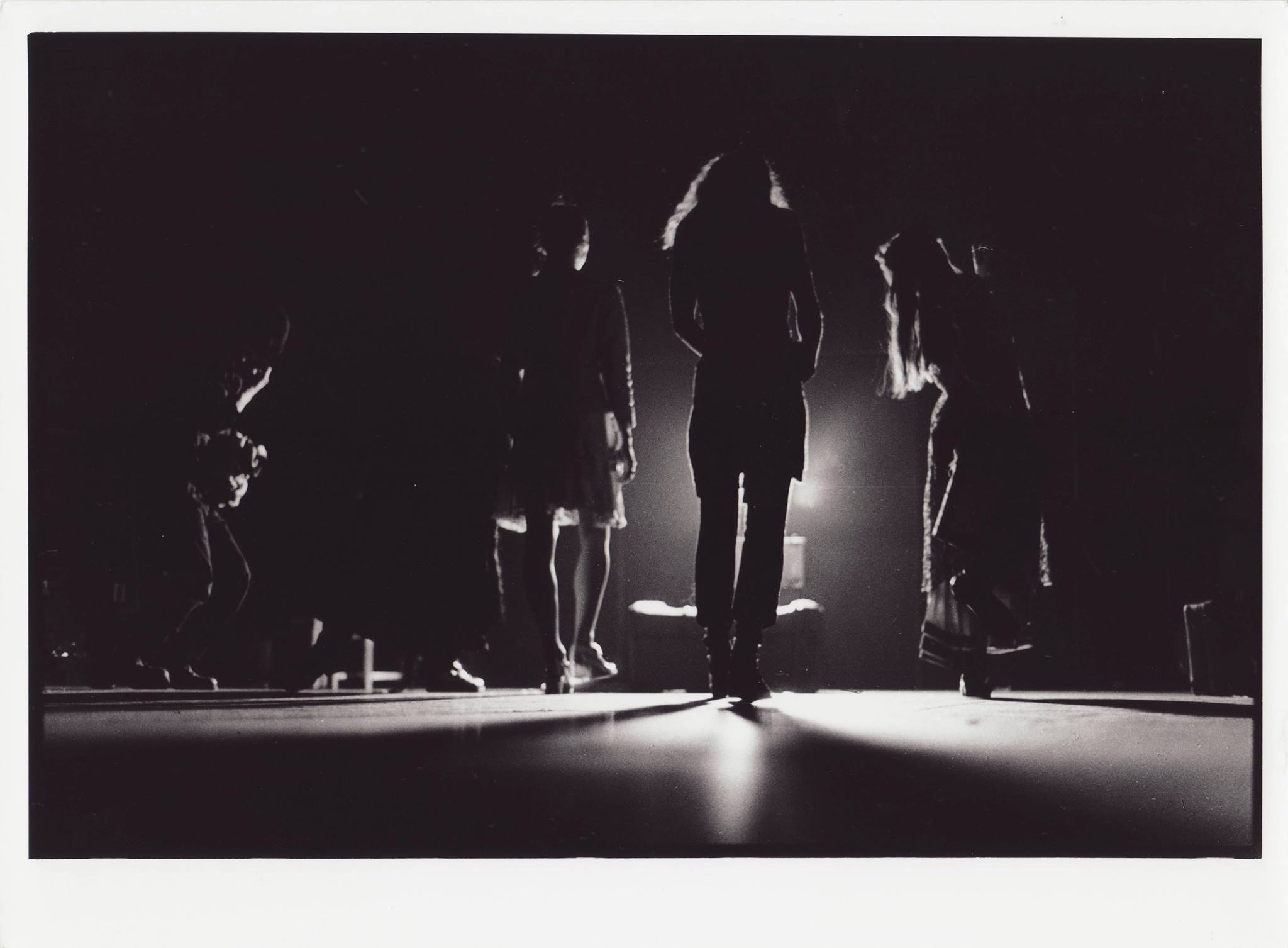
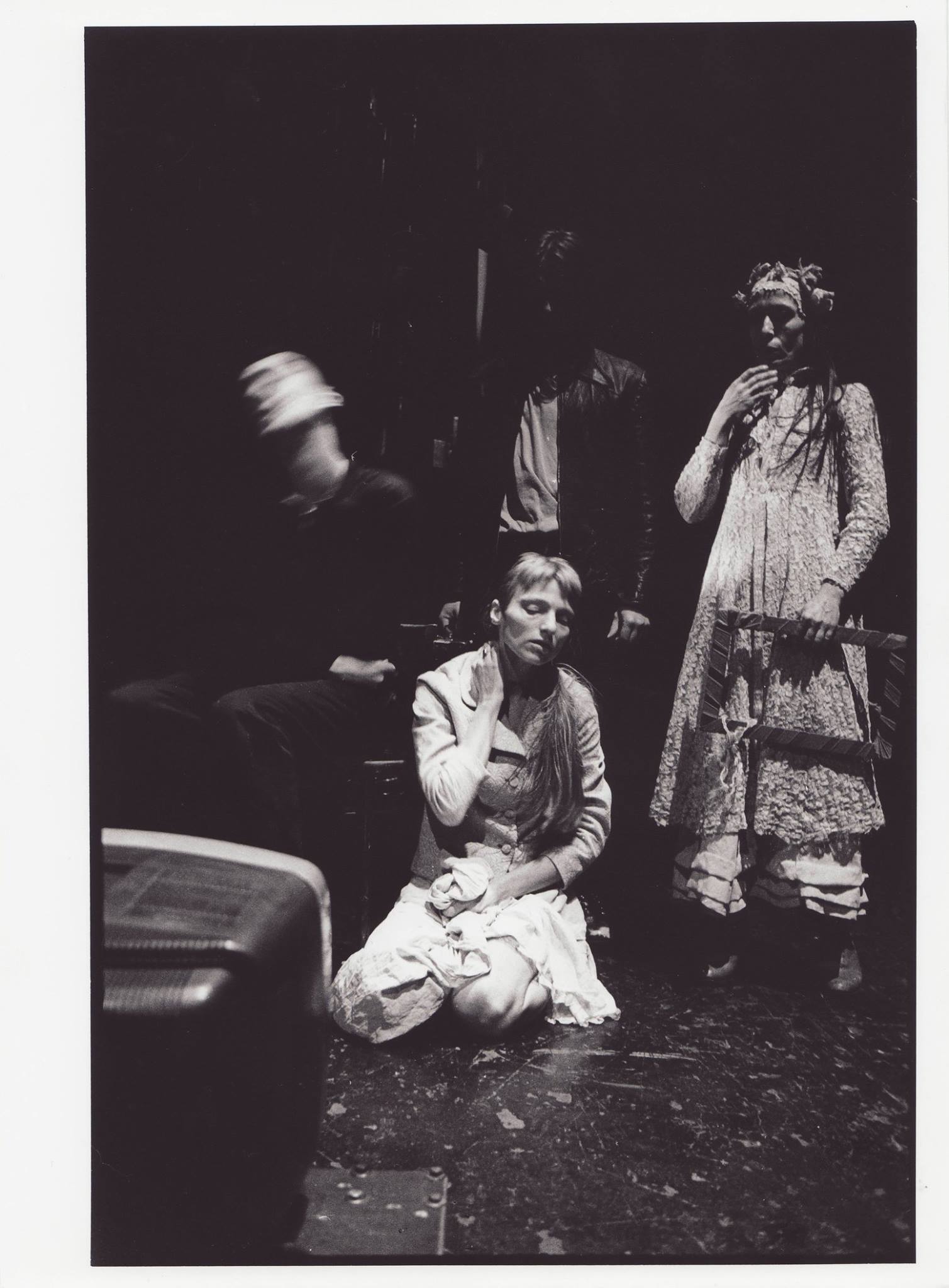
Title:Our Lady of Flowers / NOTRE-DAME DES FLEURS
Date of Premiere: 1998
Co-production:
Ister teatar
dramaturg:
Damir Vijuk
staging:
Anđelija Todorović, Danica Arapović i Jelena Jović
costume designer:
Dejan Pantelić
set designer:
Ljubimir Todorović
sound designer:
Dušan Petrović
lighting designer:
Dragan Đurković
organizer:
Miodrag Lazović
performer:
Damir Todorović (Žan Žene), Danica Arapović (Božanstvena), Igor Filipović (Slađani), Jelena Jović (Ernestina, Mimoza), Dejan Garboš (Gospa od cveća), Ana Jelić (Opatica, Solanž), Anđelija T
Synopsis
Media
Gospa od cveća / 6 items