Choreodrama
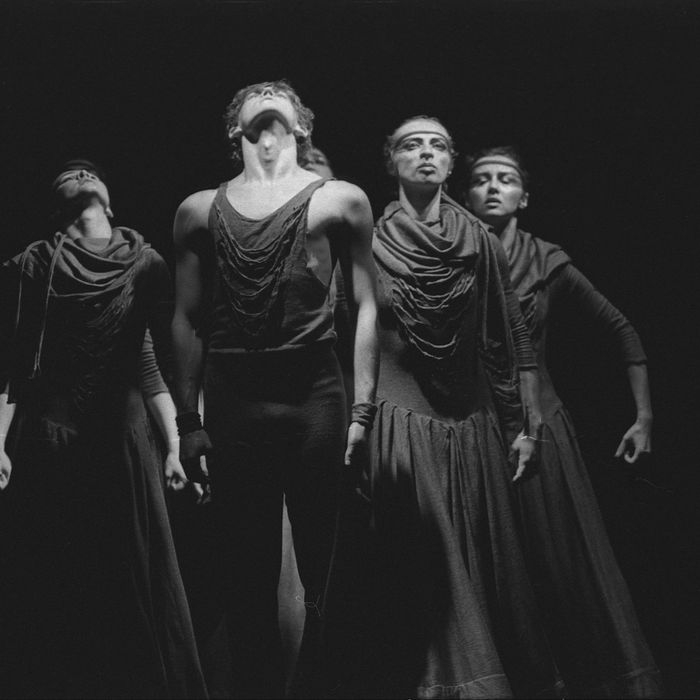
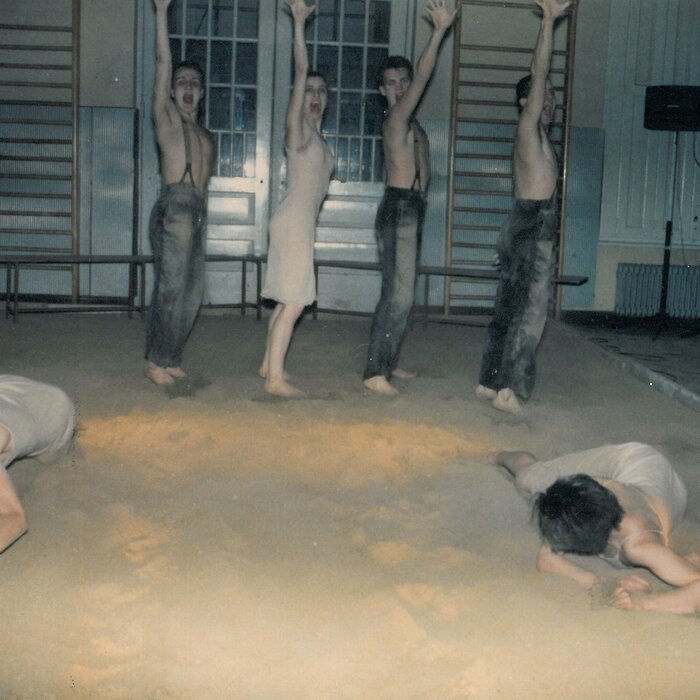
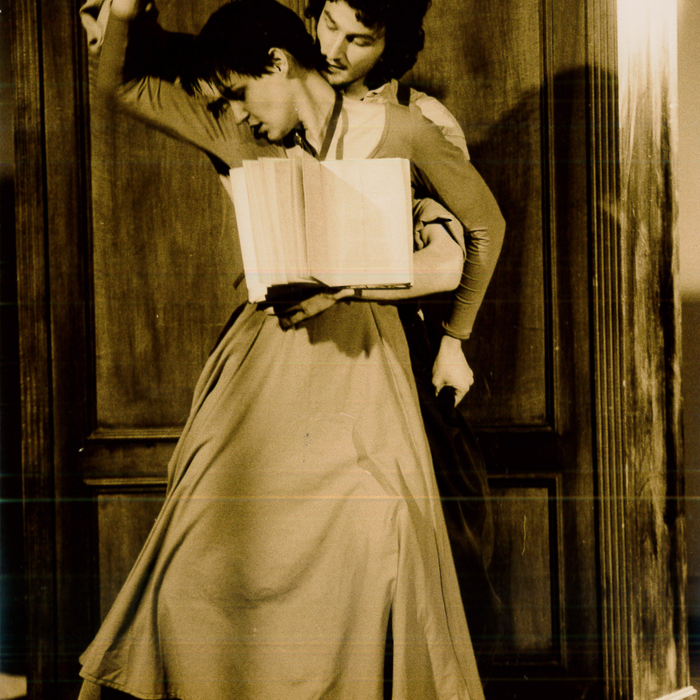
Although the term dates back in the second half of the 18th century in connection with the ballet d’action (Jean-Georges Noverre) that injected new life into the art of dance, choreodrama got back in use and reconceptualized with Rudolf Laban and Kurt Jooss in the period of the Weimar Republic. It meant a dramatic structure articulated primarily through choreographic means, rather than text and emphasized movement as an autonomous expressive language. For Jooss it meant a choreographic fusion of expressive dance, theatrical staging, political narrative, all with clear dramaturgy (often allegorical or political), character types rather than psychological realism, movement replacing dialogue as well as integration of set, music, and gesture into a unified dramatic form. It is close to what would later become known - in line with the Laban’s term - Tanztheater (Bausch). - In Slovenia Ferdo Delak - in order to distinguish the abstract modern dance from the narrative one - introduced the term contemporary dance and defined it in his Introduction To The New Art Of Dance in 1929 (reprinted 1932). - With the tourings of Bausch’s dance theater and Tadeusz Kantor’s Cricot 2 in Yugoslavia in the 1970s, the term choreodrama got its new imprint in the region. Nada Kokotović’s collaboration with Ljubiša Ristić was very much exposed to tasks of choreographic approaches to narrative theater forms. Then Damir Zlatar Frey founded an organization/ collective called Koreodrama (1986) in Ljubljana at the time when approaches to theater making changed and choreography became extensively informed with the new narrative possibilities. Contemporary dance in the 1980s and 1990s was extensively occupied with the tasks of expressive and narrative approaches to choreography and referred to the term choreodrama. (R. V., 10.4.2026)