Ballet

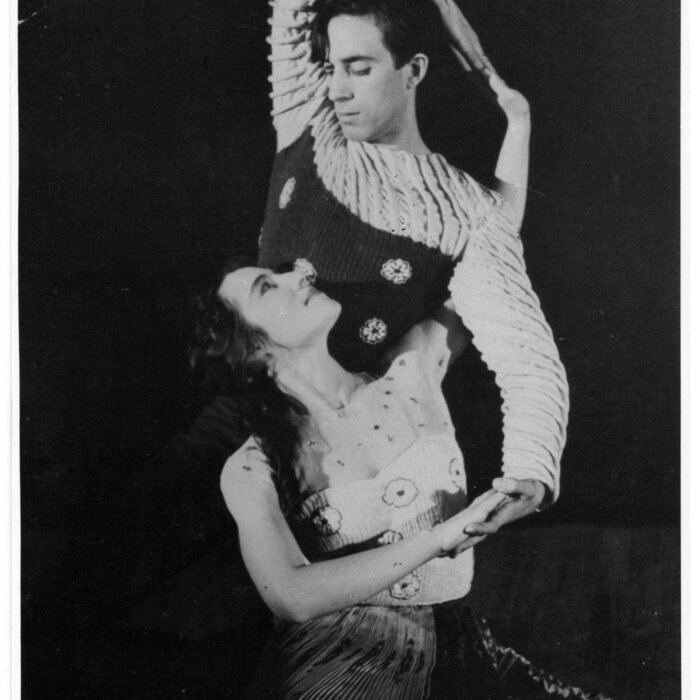
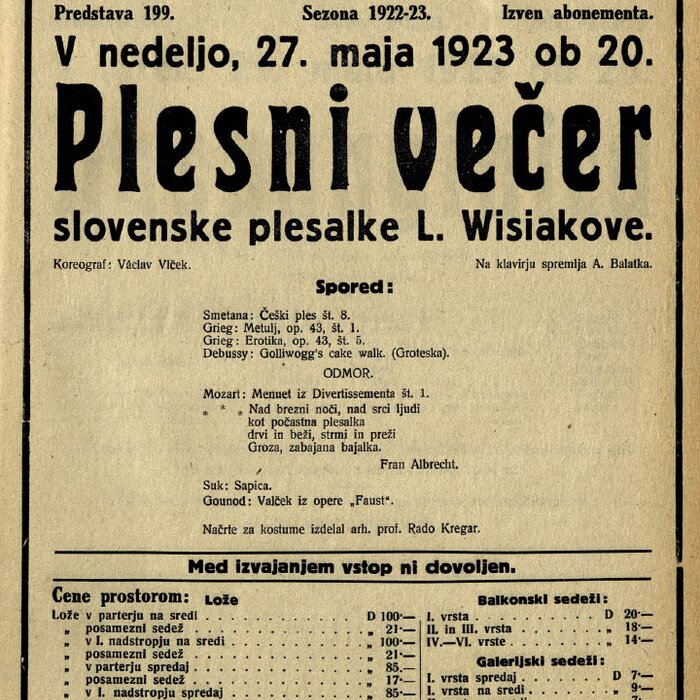
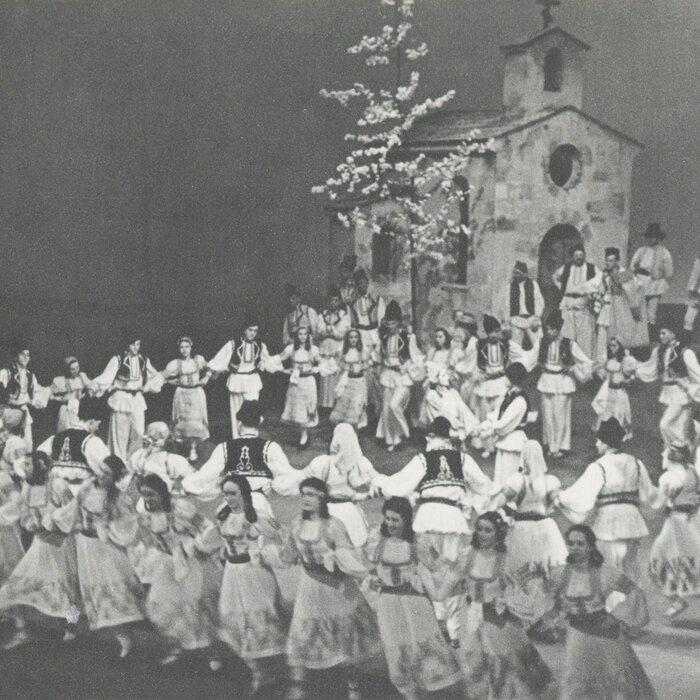
Ballet is a type of performance dance that originated during the Italian renaissance in the fifteenth century and later developed into an institutionalized concert dance form in France, Russia and Denmark. It has since become a widespread and highly technical form of dance with its own vocabulary. With the development of other forms of dance art in the 20th century, ballet can be considered as a specific style of theatrical dance. - Throughout the 20th century the term had been used also as a generic signifier for the quality of artistic dance. In Slovenia Pino (1907-2006) and Pia Mlakar (1910-2000), choreographers that helped significantly develop the art of dance in Slovenia and Yugoslavia, used the term for different paradigms of artistic dance - from modern dance to historical ballet - when they became with their stage works significant enough to earn it. (R.V., 9.4.2026)
Butō

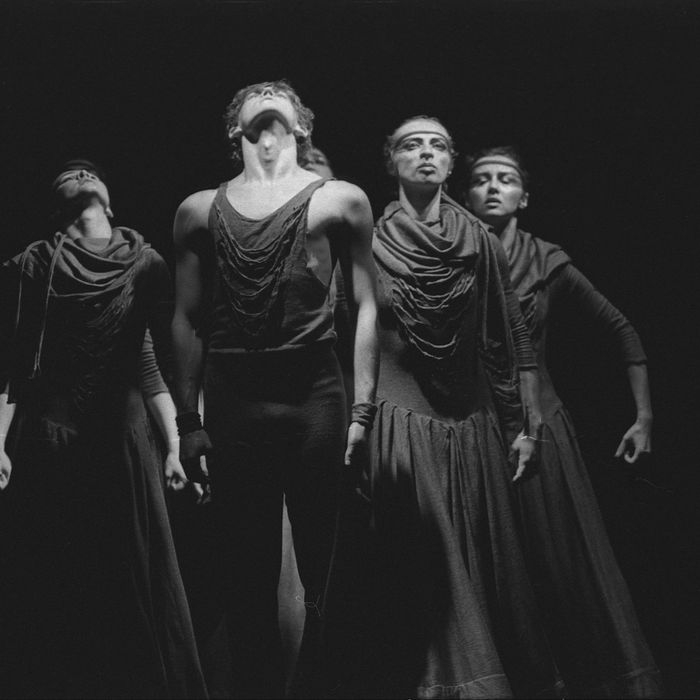
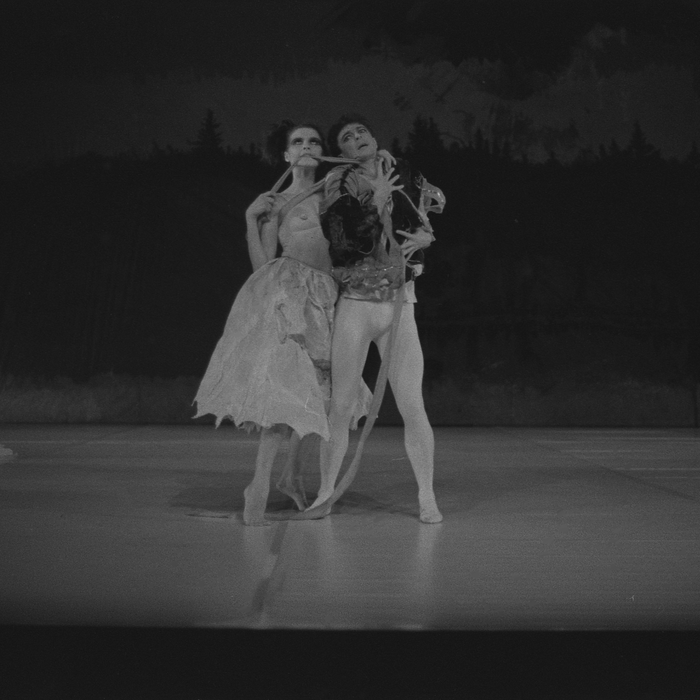
Butoh (舞踏, Butō) is a form of Japanese dance theatre that encompasses a diverse range of activities, kinetic systems and motivations for dance, performance, or movement. Mostly connected to the oeuvre of Tatsumi Hijikata and Kazou Ohno, its influences could be traced back to the Japanese theater tradition as well as German expressionist dance. Its origins are usually dated in the 1950s, its global popularity became more pronounced in the 1970s and 1980s. - In the region of former Yugoslavia butoh was popularized by the work of Tanja Zgonc in the 1990s as well as some other dancers and choreographers who started to implement its element to their own choreographic works. (R. V., 10.4.2026)

Choreovoicing

A term referring to the dance practices and works based on the use of voice, its different qualities and textures and the meaning it produces. Although choreovoicing is far from being a new practice in dance, it started to be historicized and theorized only recently. Its origins could go back as far as studio practice of François Delsarte (1811-1871), Valeska Gert (1892-1978) has been a source of inspiration for contemporary dancers and choreographers working with voice as well as popularity of the music projects of Meredith Monk. - Irena z. Tomažin is one of the pioneers and internationally recognized artists of choreovoicing from the region of the former Yugoslavia, philosopher Mladen Dolar, from the circle of the Ljubljana Lacanian School, wrote the key book On Voice And Nothing More (2006) that is fundamental reference of the artists that are engaged in the exploration of voice in contemporary dance. (R. V., 10.4.2026)

Choreodrama

Although the term dates back in the second half of the 18th century in connection with the ballet d’action (Jean-Georges Noverre) that injected new life into the art of dance, choreodrama got back in use and reconceptualized with Rudolf Laban and Kurt Jooss in the period of the Weimar Republic. It meant a dramatic structure articulated primarily through choreographic means, rather than text and emphasized movement as an autonomous expressive language. For Jooss it meant a choreographic fusion of expressive dance, theatrical staging, political narrative, all with clear dramaturgy (often allegorical or political), character types rather than psychological realism, movement replacing dialogue as well as integration of set, music, and gesture into a unified dramatic form. It is close to what would later become known - in line with the Laban’s term - Tanztheater (Bausch). - In Slovenia Ferdo Delak - in order to distinguish the abstract modern dance from the narrative one - introduced the term contemporary dance and defined it in his Introduction To The New Art Of Dance in 1929 (reprinted 1932). - With the tourings of Bausch’s dance theater and Tadeusz Kantor’s Cricot 2 in Yugoslavia in the 1970s, the term choreodrama got its new imprint in the region. Nada Kokotović’s collaboration with Ljubiša Ristić was very much exposed to tasks of choreographic approaches to narrative theater forms. Then Damir Zlatar Frey founded an organization/ collective called Koreodrama (1986) in Ljubljana at the time when approaches to theater making changed and choreography became extensively informed with the new narrative possibilities. Contemporary dance in the 1980s and 1990s was extensively occupied with the tasks of expressive and narrative approaches to choreography and referred to the term choreodrama. (R. V., 10.4.2026)

Contemporary dance

In continental Eruope contemporary dance has been a generic term for different aesthetic paradigms in the art of dance that were developed as an opposition to the ballet in the United States, Europe, Japan from the end of the 19th century through the 20th century (modern dance, (German) expressionist dance, butoh (butō), postmodern dance, dance theater, physical theater, conceptual dance etc.) and became global from the 1970s on. - In the United States the term is used differently and signifies a shift in technical approaches to physical training in opposition to modern dance. - In the last thee decades some paradigms of contemporary dance entered the realm of contemporary art and became part of the contemporary art systems, which does not mean that all contemporary dance works or paradigms could be automatically considered contemporary art. - In the region of former Yugoslavia contemporary dance developed mostly after the WWI and entered the local stages mostly with the paradigm of expressionst dance and via different Mid-European schools of dance, popular at the time. The first traces of contemporary dance appeared on the regional stages at the beginning of the 1890s, when some imitators of American dancer Loie Fuller toured the region. (R.V., 9.4.2026)

Dance improvisation

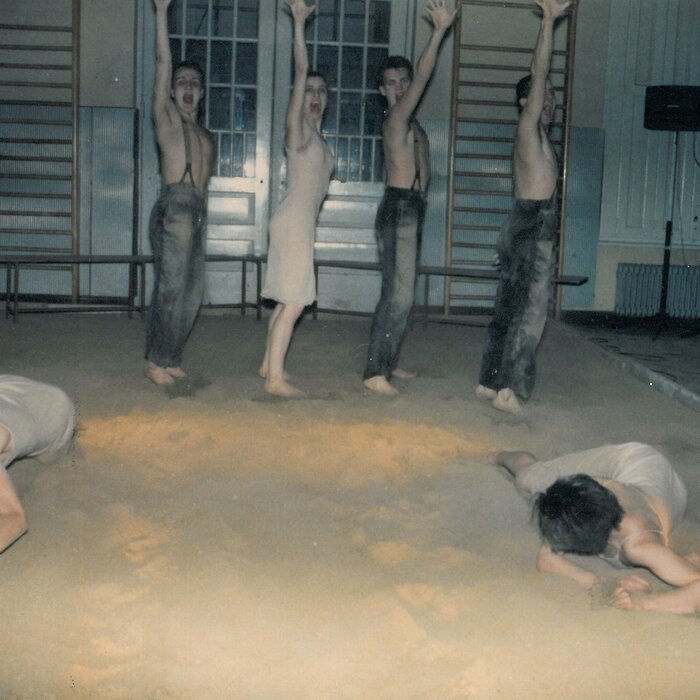
Dance improvisation has been a methodological tool for accumulation of choreographic material for the staged works throughout the 20th century, although different improvisation approaches emancipated into autonomous stage works and formats with the development of artistic practices and dance competences of the spectators (mostly in the developed dance contexts and systems). - In the republics of former Yugoslavia dance improvisation had been a constant methodological tool in the paradigm of expressionist and modern dance, with the performances of Jasna Knez (Slovenia) and some others it became also an autonomous dance practice. Its elements were present in the procedural works of Croatian collective KASP and choreographer Milana Broš in the 1960s and 1970s and choreographic compositions of En-Knap and Iztok Kovač in the 1990s, where improvised parts were especially emphasized as such. In the last two decades dance improvisation extended and developed into different performative formats (Festival Improspections, Croatia, Neforma, Slovenia etc.) and communal practices of gathering (different half-professional and non-professional contact improvisation collectives in Slovenia). Different skills of dance improvisation became a potential for development of different open works in the field of contemporary dance in the last decade or two. (R. V., 13.4.2026)
Dance installation

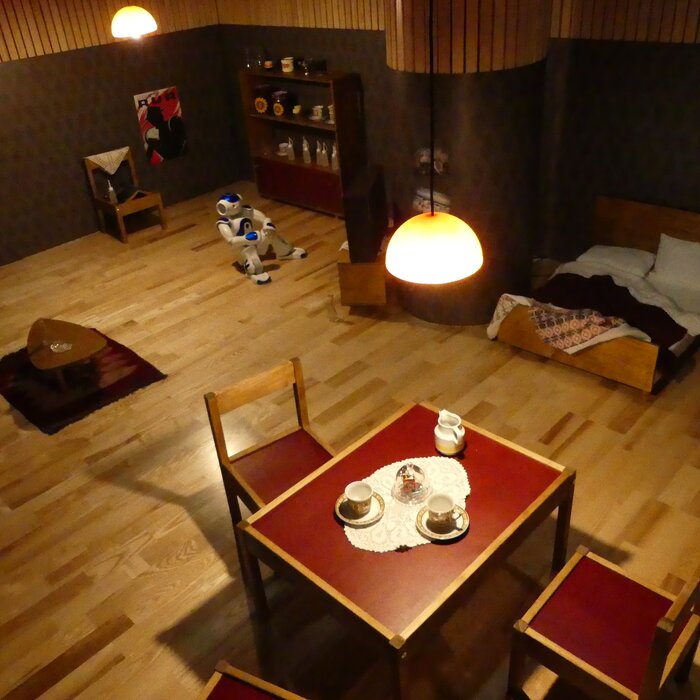
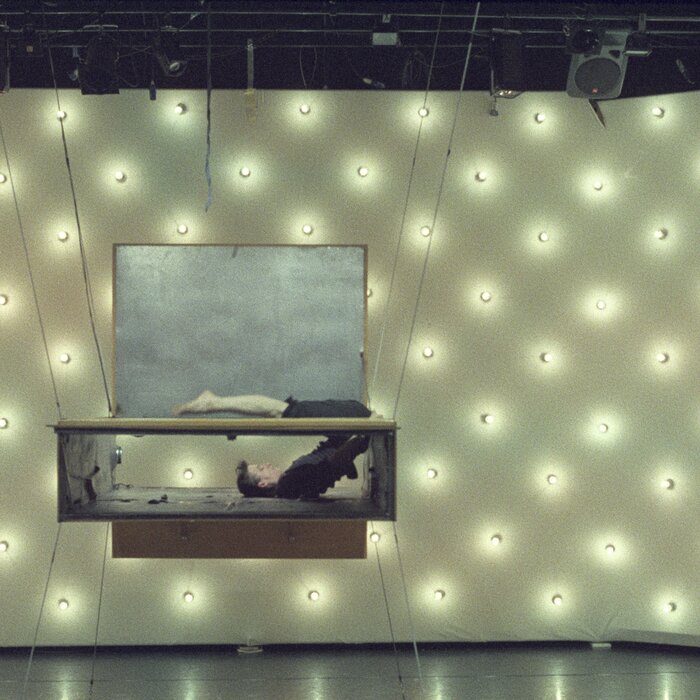
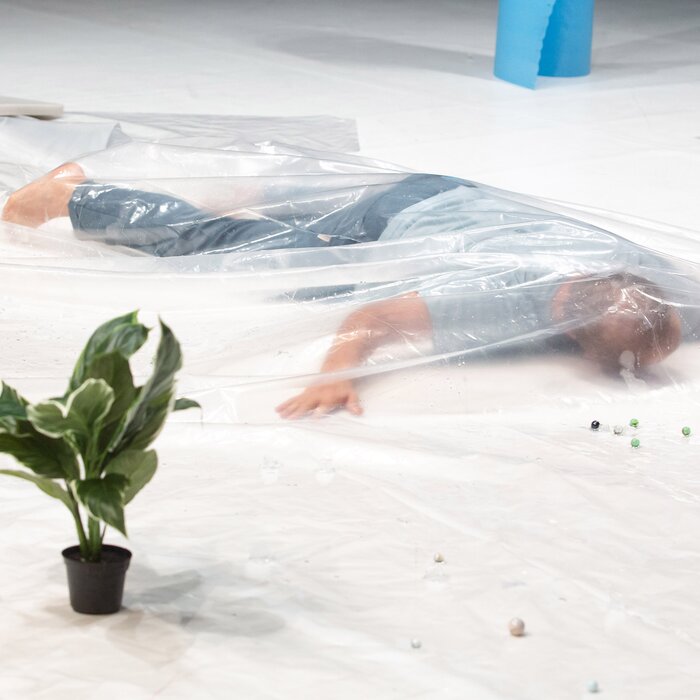
Dance installation is a term that started to be used after composed staged dance of the first half of the 20th century got challenged by the approaches of constructivism (historical avantgardes, neo-avantgardes) and when experimentation in the visual arts introduced new approaches to the notion of sculpture in the 1960s (sculpture in the extended field, choreography in the mixed-media etc.). Different temporality that extended compressed dramatic time of theatrical dance as well as use of various or different media (audio-visual, drawing, animation, objects etc.) pushed the notion of the dance work into new spheres and challenged the reception of dance in new ways. In the last three decades some choreographers in the region started to perceive choreography as proscenium work limiting and introduced different new media into dance making in order to precisely realize their creative desire and tendencies. (R. V., 13.5.2016)

Dance presentation (education)

In the extended field of dance work important for understanding various forms of labour in the field of contemporary dance as well as its development, some formats of the public events evade the realm of finished stage products but have different sorts of significance for the development of the field or systems. Therefore we decided we could list them under the category of dance presentations. The can be final productions of education programmes or public events with other functions. (R.V., 13.4.2026)

Open work

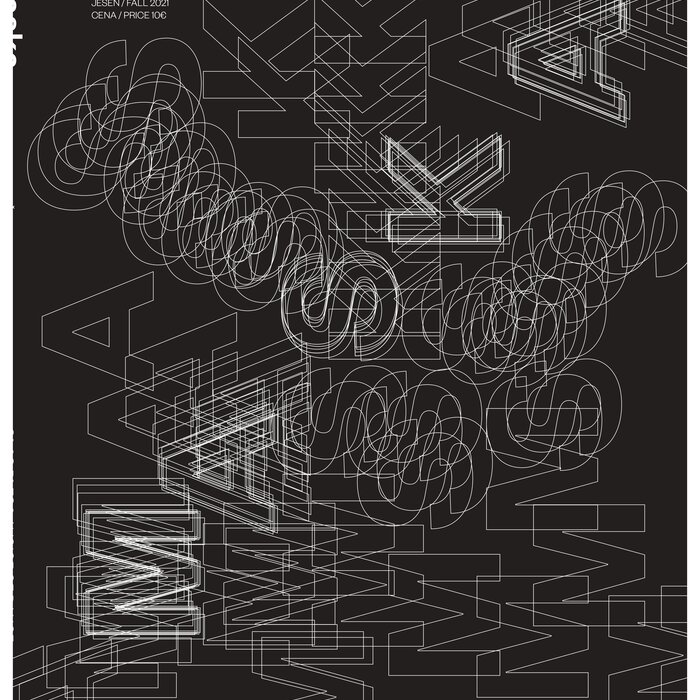
In the 1950s, long before he became globally popular author, Italian medievalist, philosopher and semiotician Umbert Eco (1932-2016) was busy studying literary texts which were for him more fields of meaning, rather than strings of meaning; he understood them as open, internally dynamic and psychologically engaged fields. That was also the period of aleatoric music, happenings and events in the art world, experimental cinema and dance. All those artistic tendencies started to consider their works differently and tried to activate the role of artistic reception. Eco’s book The Open Work (Opera aperta, 1962) was an attempt to understand modern artworks which can be rendered open by their author, and further completed by the performer, viewer, reader or audience. That notion legitimated the variety of interpretations one work may give us. - The Open Work (1962) might not have resonated in the dance circles at the time but later became useful reference for articulation of aesthetic tendencies that organize choreographies with the procedural tools in a way which equalizes the authorship of artists in the singular work and emancipates the reception of spectatorship. - In the republics of the former Yugoslavia the first examples of the open works may have been some performances of Croatian ensemble KASP and its choreographer Milana Broš, not without influences of the modern music that Broš got acquainted with through the Zagreb Music Biennial (John Cage, Pierre Boulez etc.). Open choreographic approaches started increasingly to appear in the region after the 2000s. - An extensive attempt to configure the notion of an open work in dance and art was an issue of Maska Journal, Year XX. no. 94–95 (autumn-winter 2005), edited by Bojana Cvejić. (R.V., 9.4.2026)