Contemporary dance
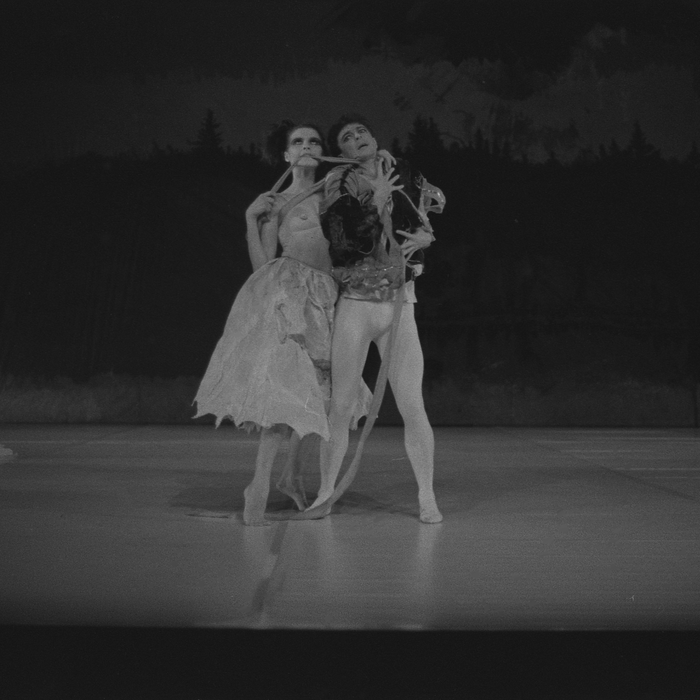
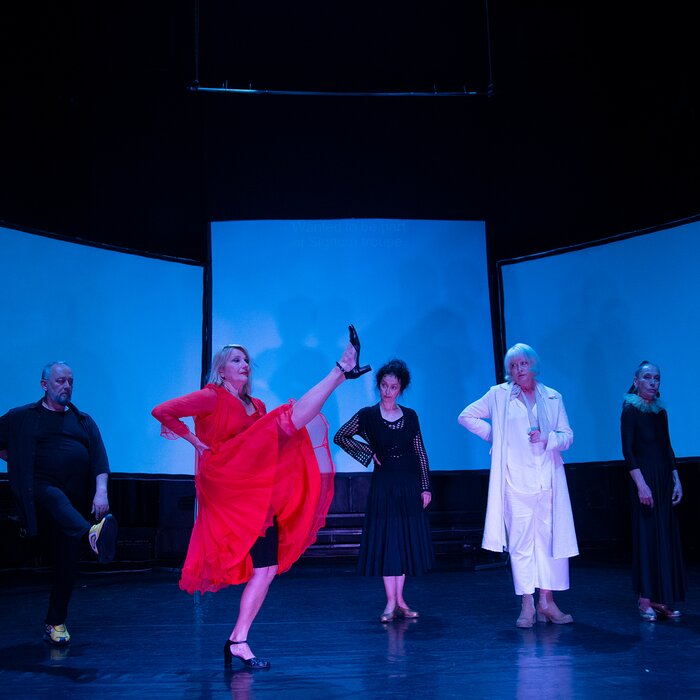
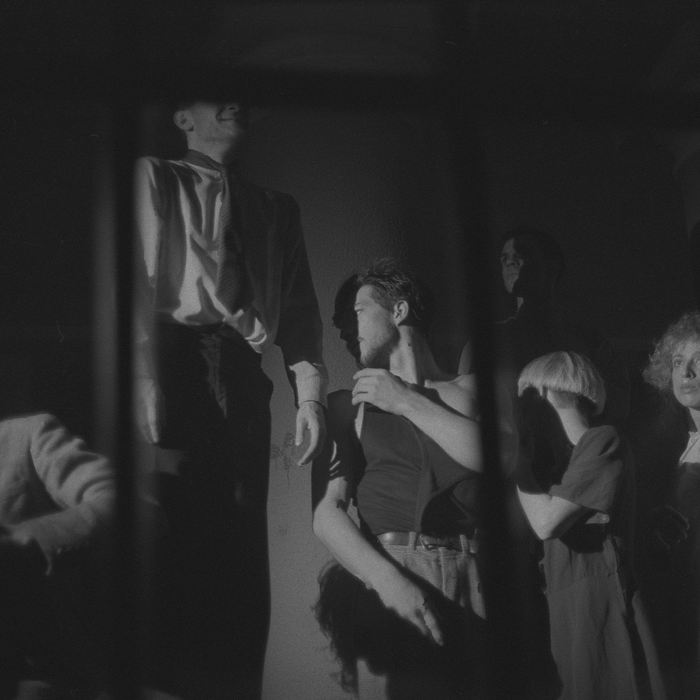
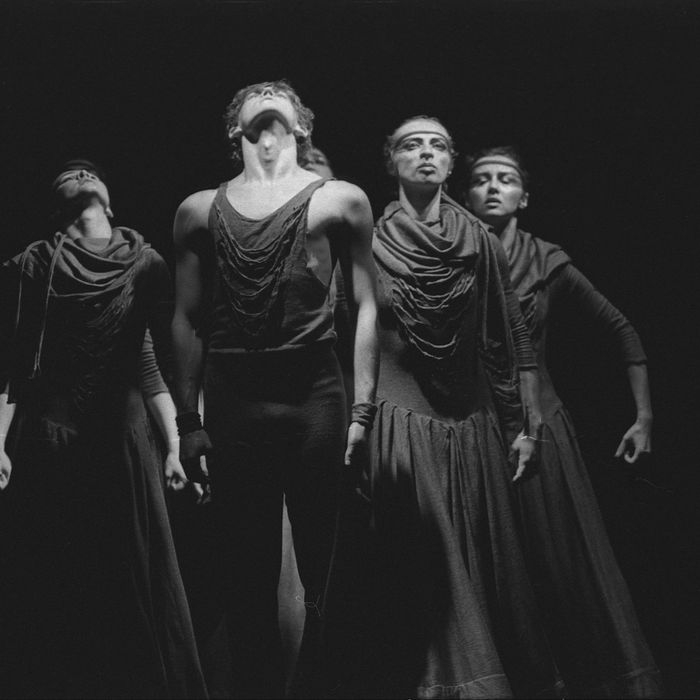
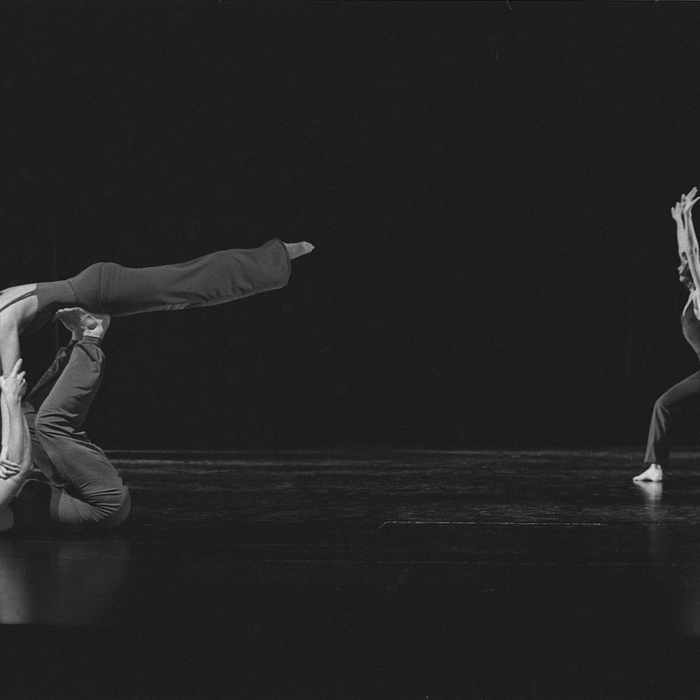
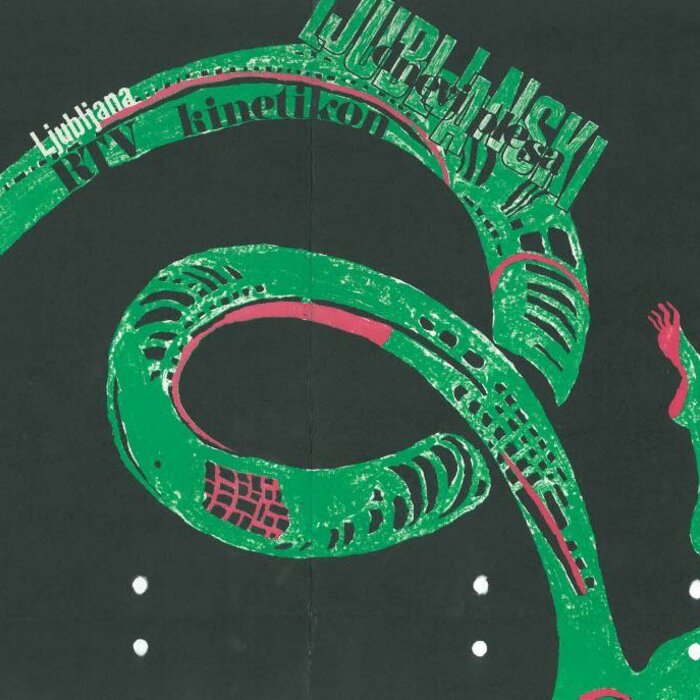
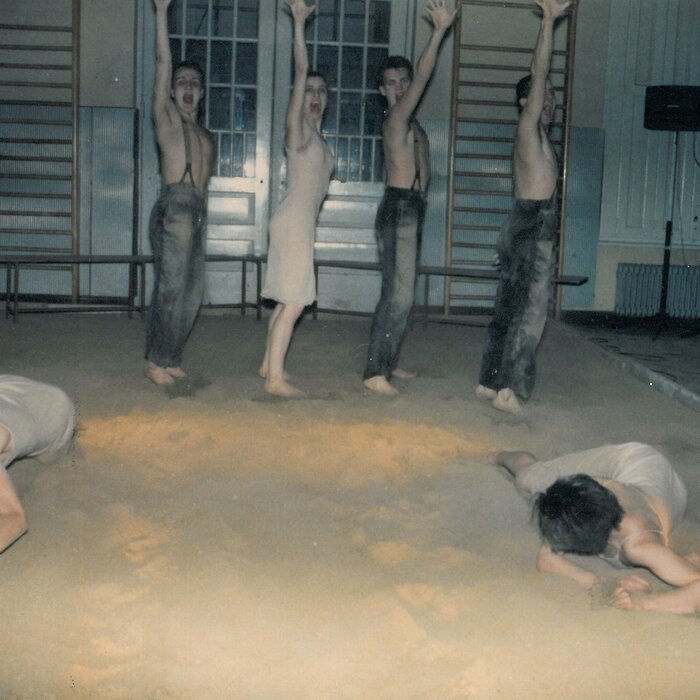
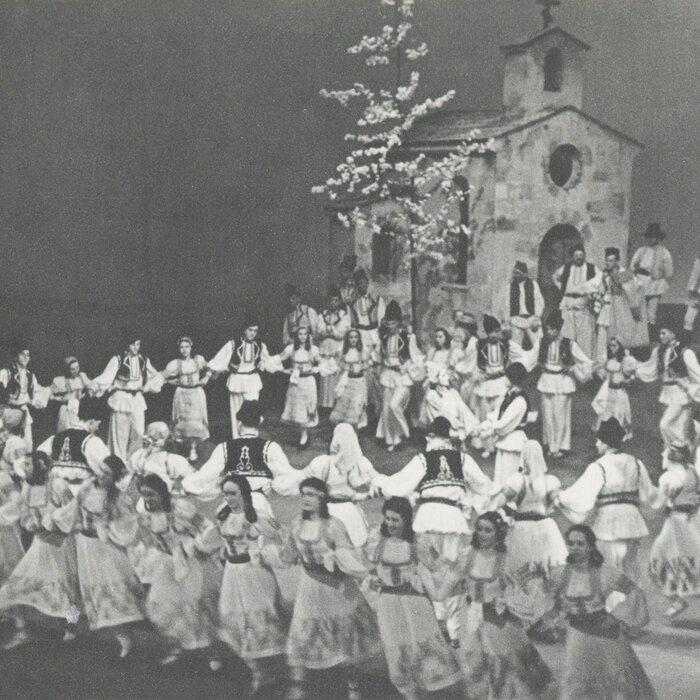
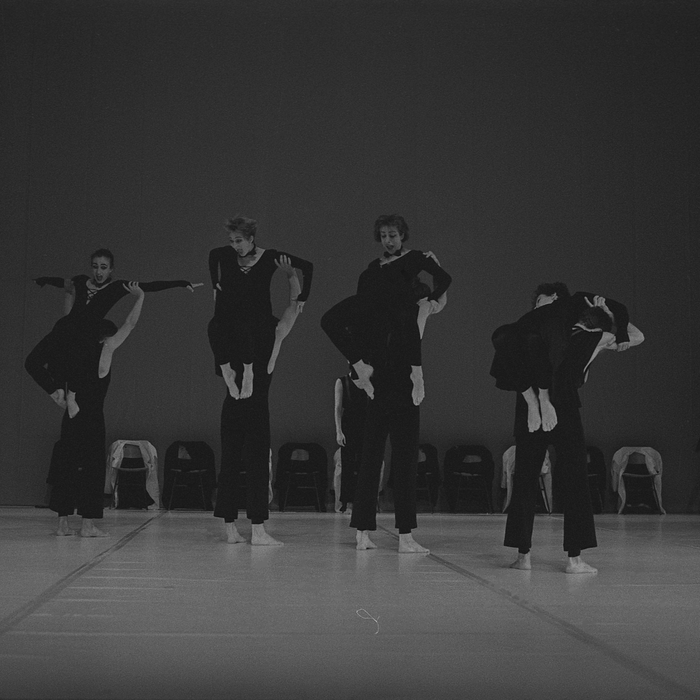
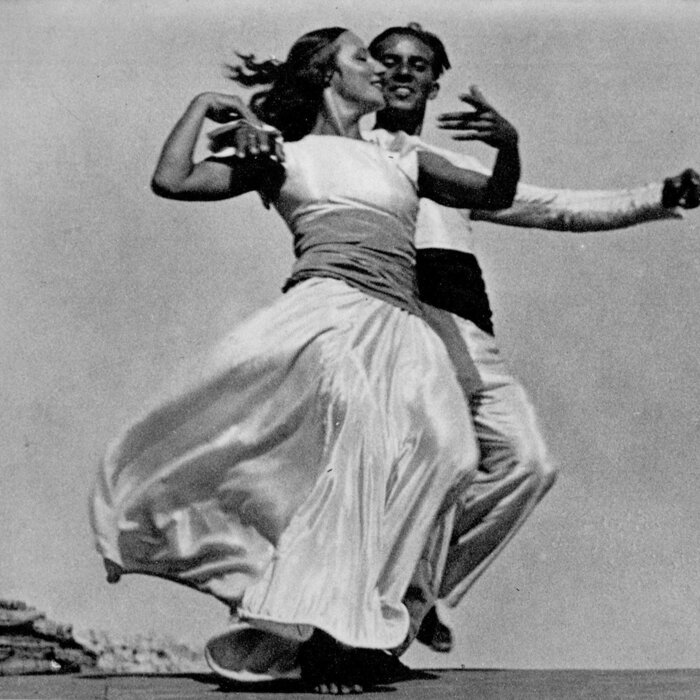
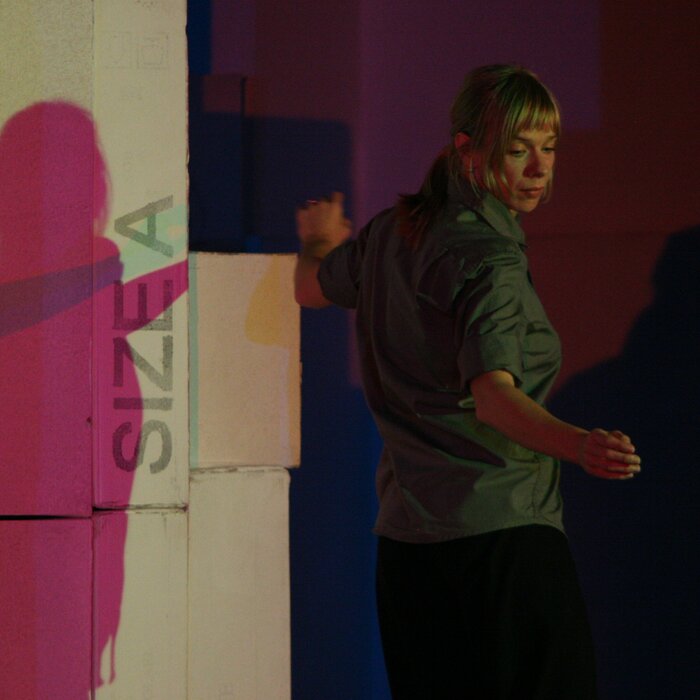
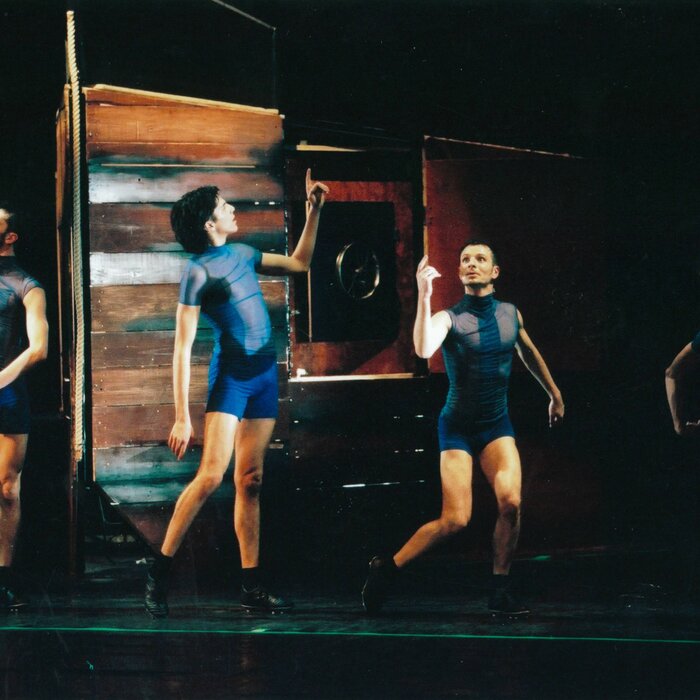
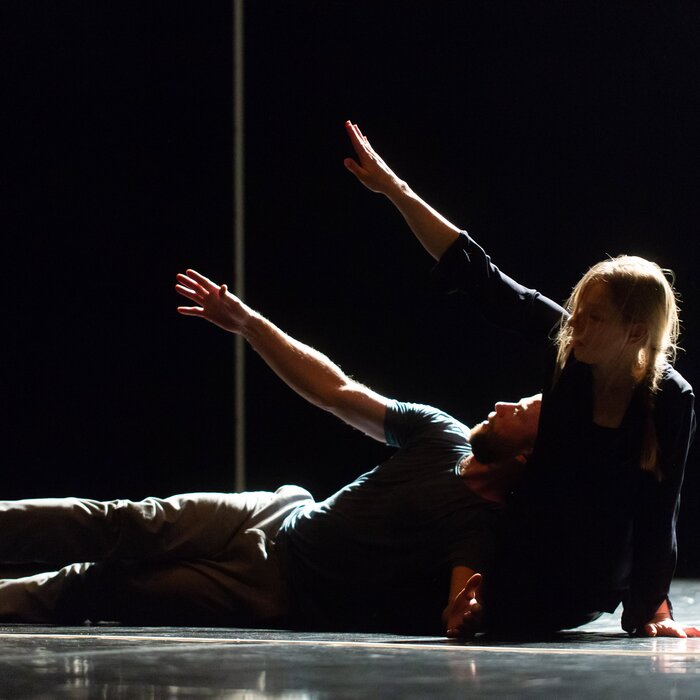
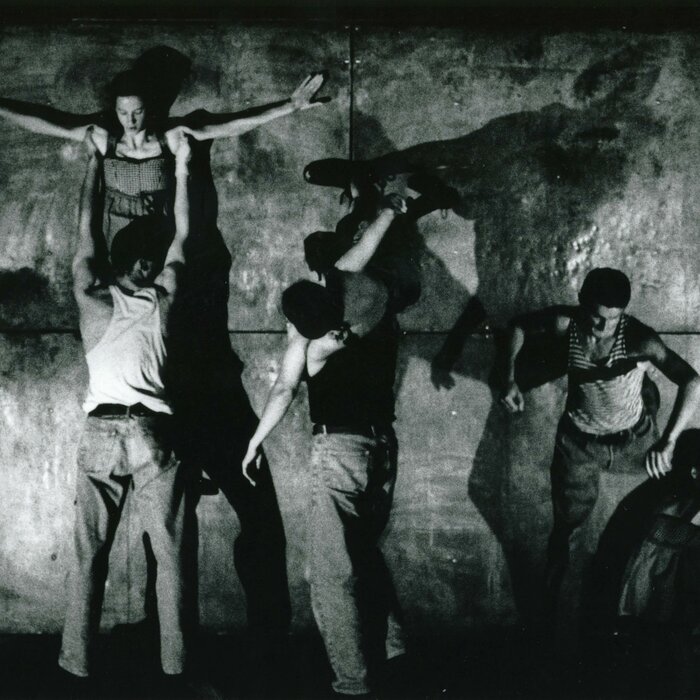
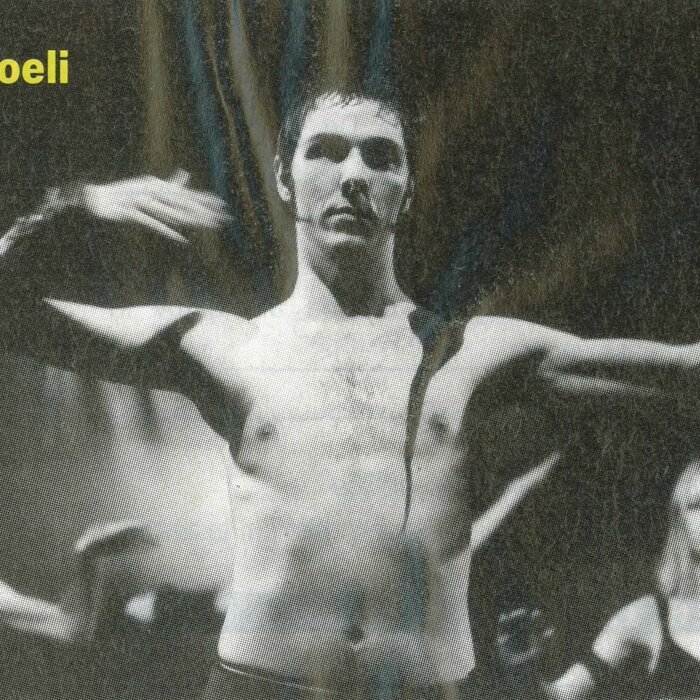
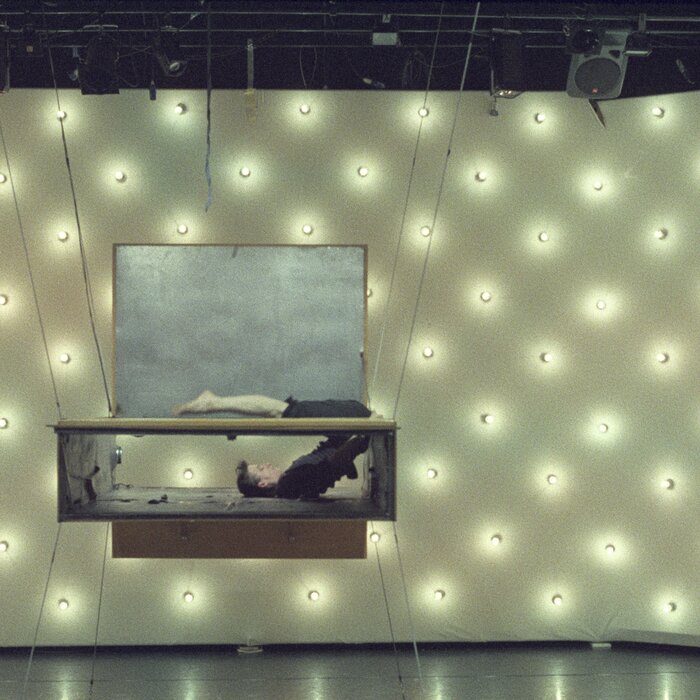
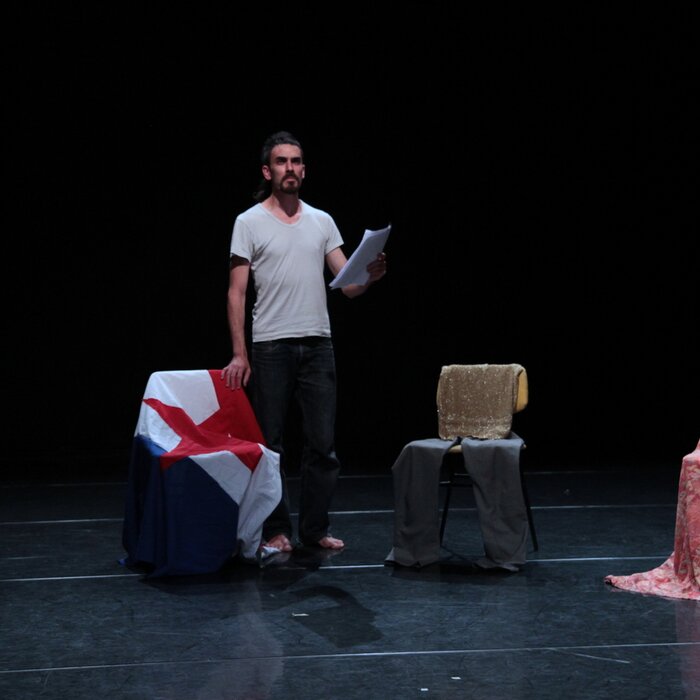
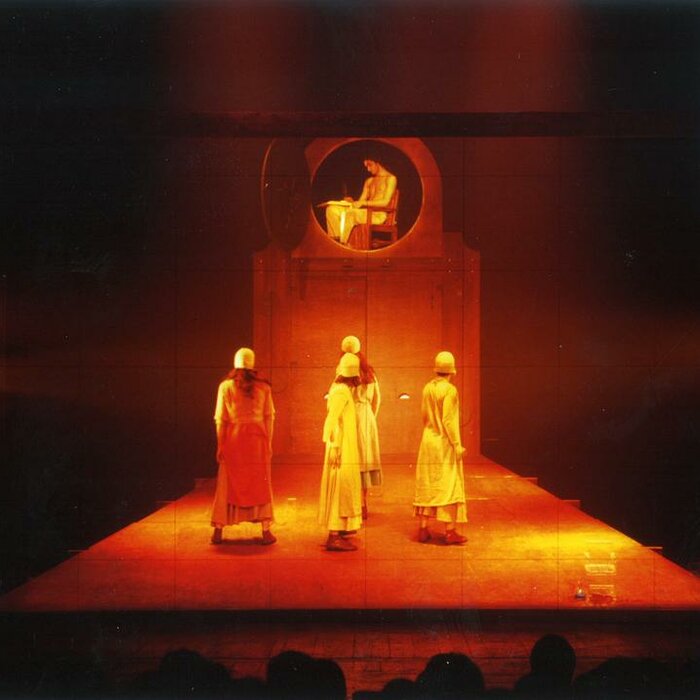
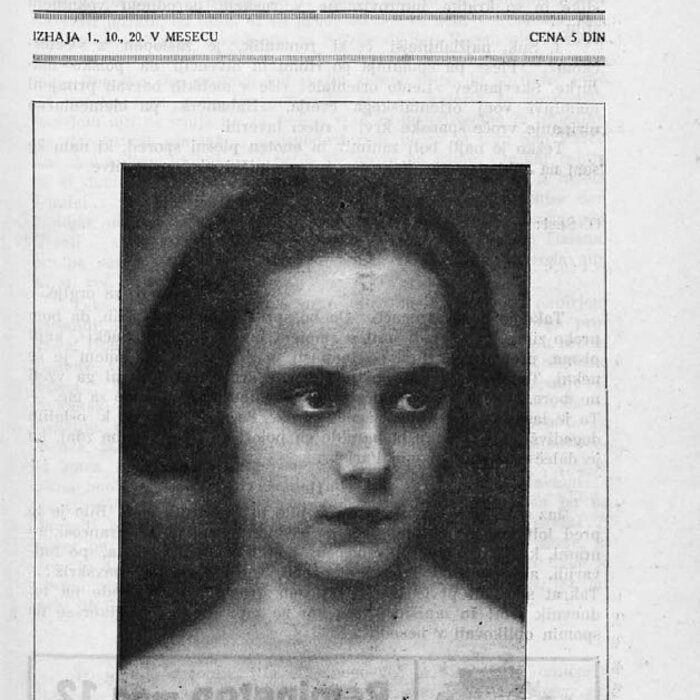
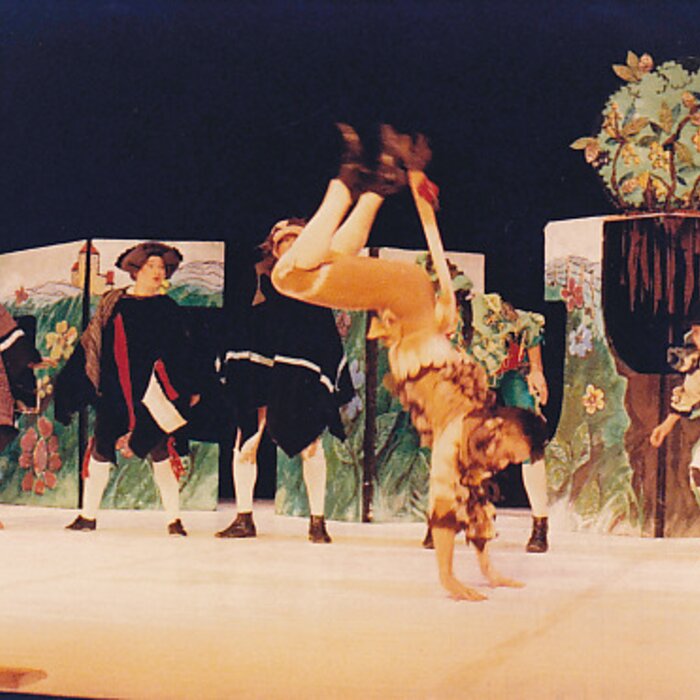
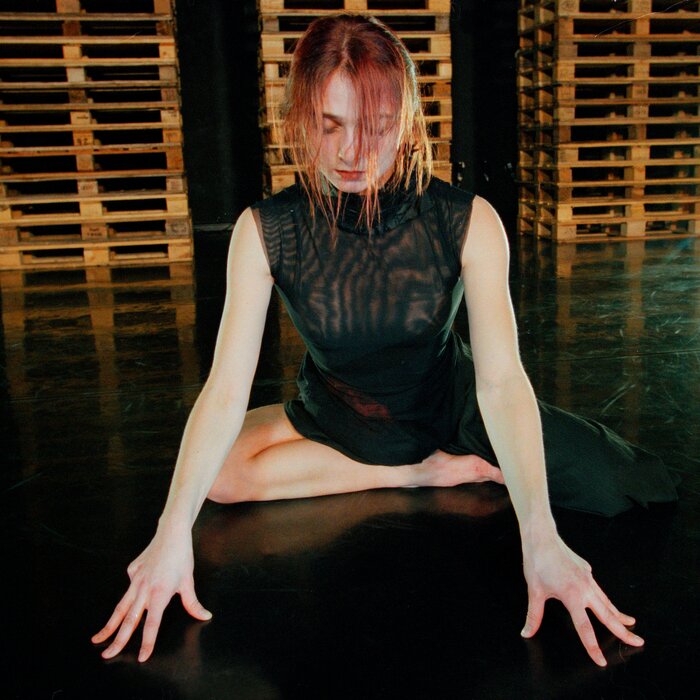
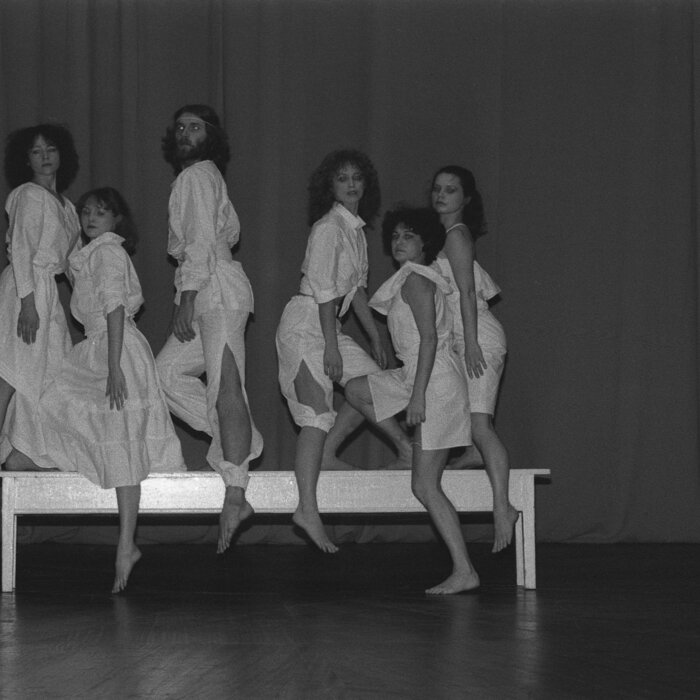
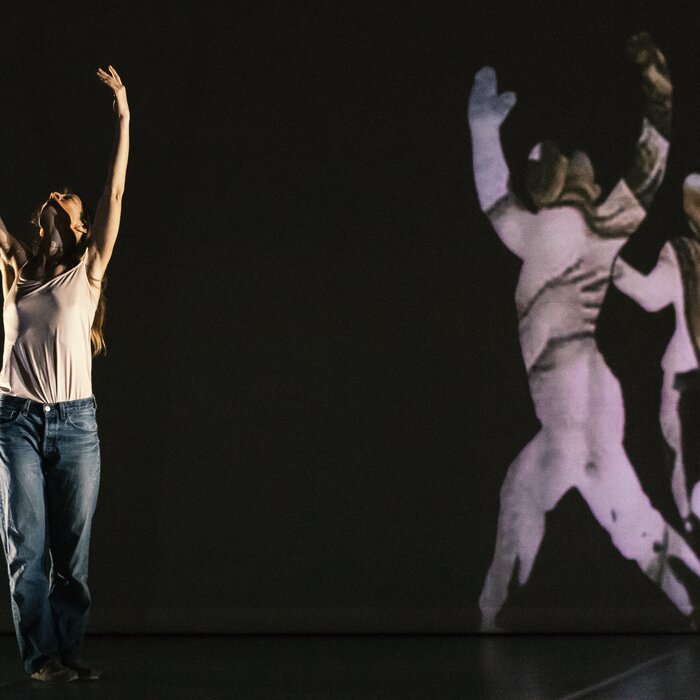
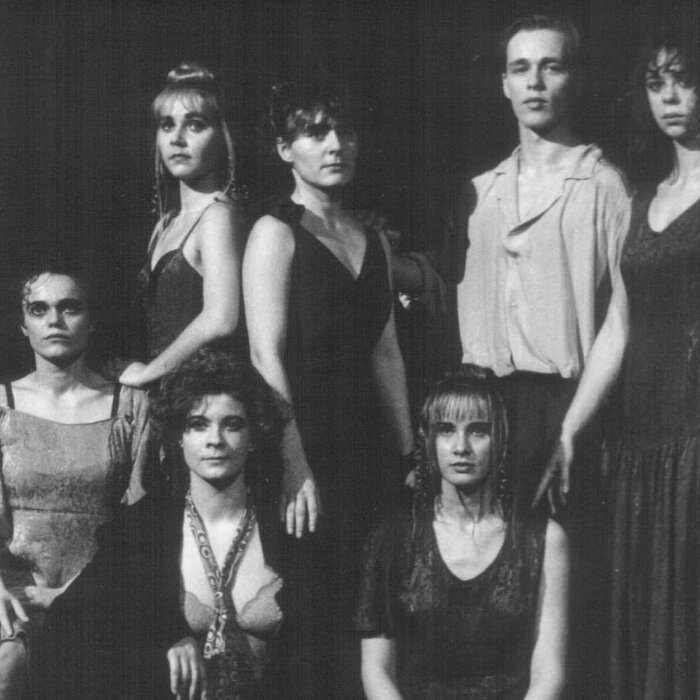
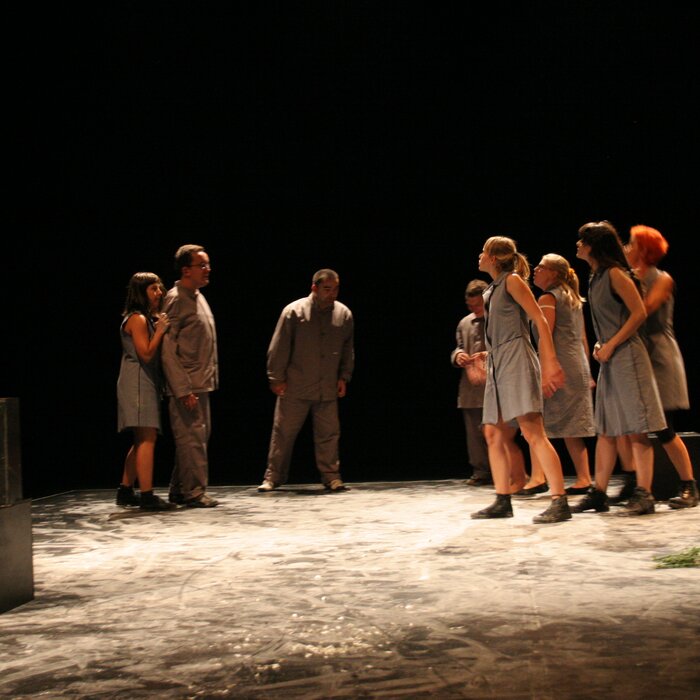
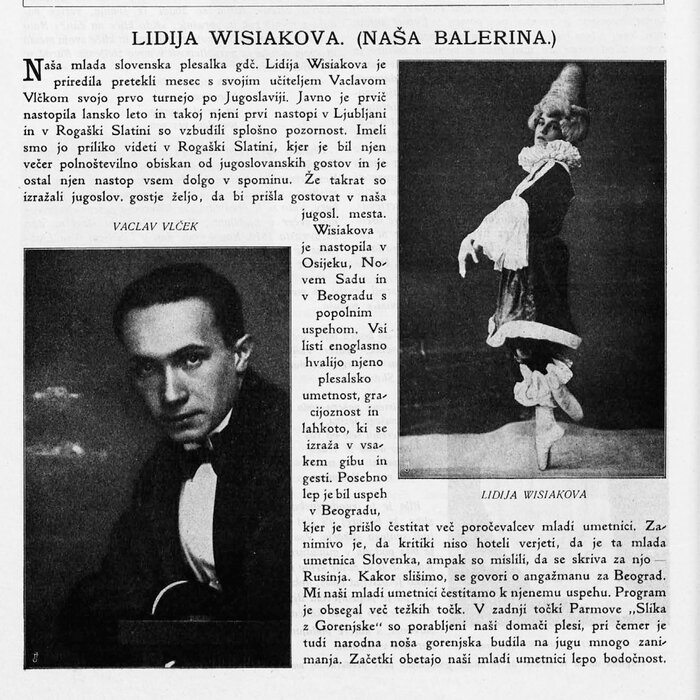
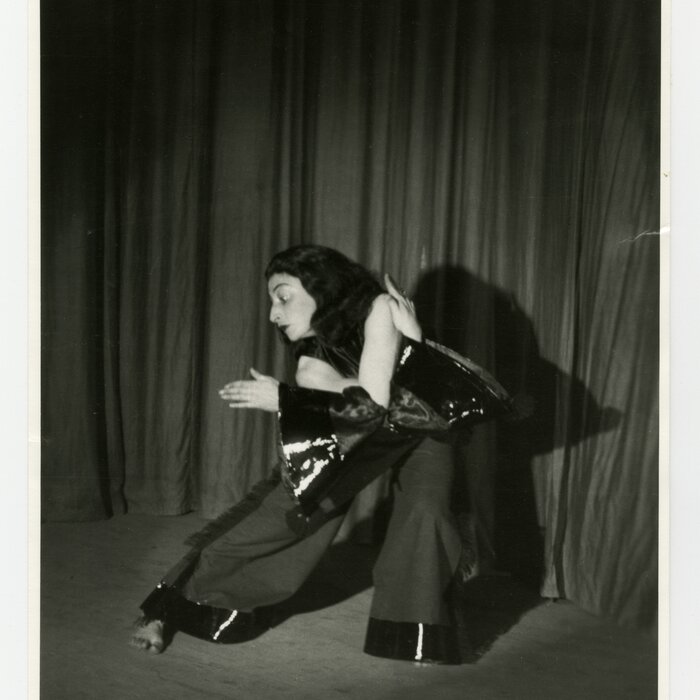
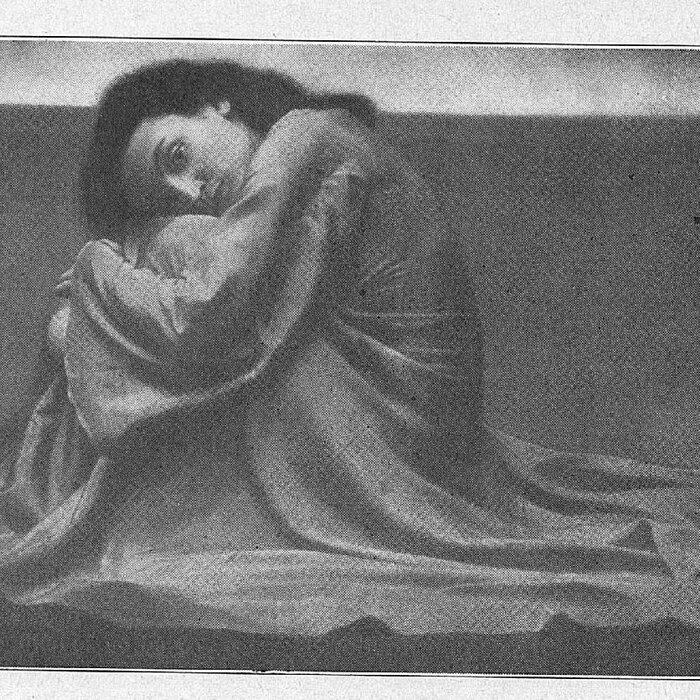
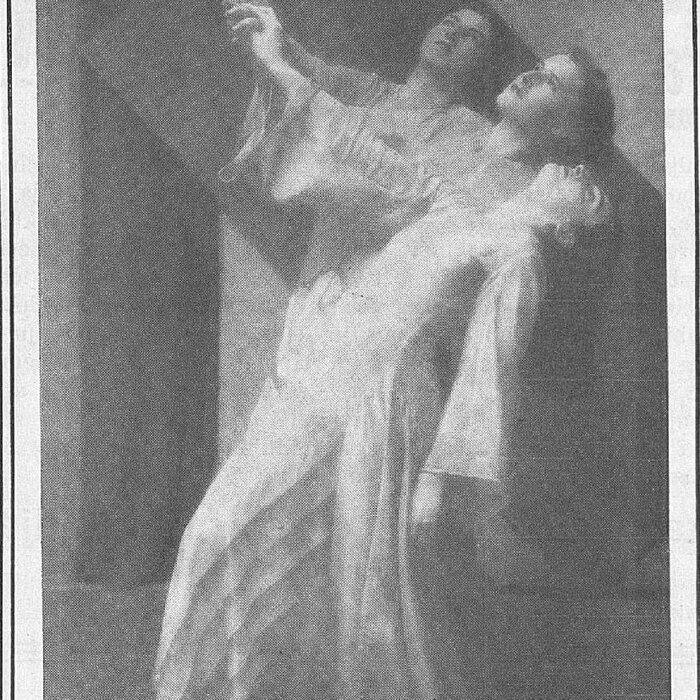
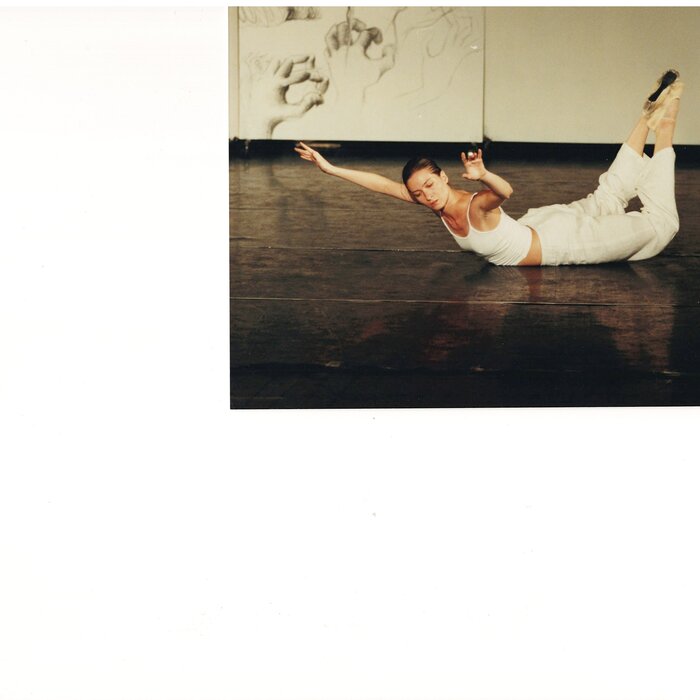
In continental Eruope contemporary dance has been a generic term for different aesthetic paradigms in the art of dance that were developed as an opposition to the ballet in the United States, Europe, Japan from the end of the 19th century through the 20th century (modern dance, (German) expressionist dance, butoh (butō), postmodern dance, dance theater, physical theater, conceptual dance etc.) and became global from the 1970s on. - In the United States the term is used differently and signifies a shift in technical approaches to physical training in opposition to modern dance. - In the last thee decades some paradigms of contemporary dance entered the realm of contemporary art and became part of the contemporary art systems, which does not mean that all contemporary dance works or paradigms could be automatically considered contemporary art. - In the region of former Yugoslavia contemporary dance developed mostly after the WWI and entered the local stages mostly with the paradigm of expressionst dance and via different Mid-European schools of dance, popular at the time. The first traces of contemporary dance appeared on the regional stages at the beginning of the 1890s, when some imitators of American dancer Loie Fuller toured the region. (R.V., 9.4.2026)