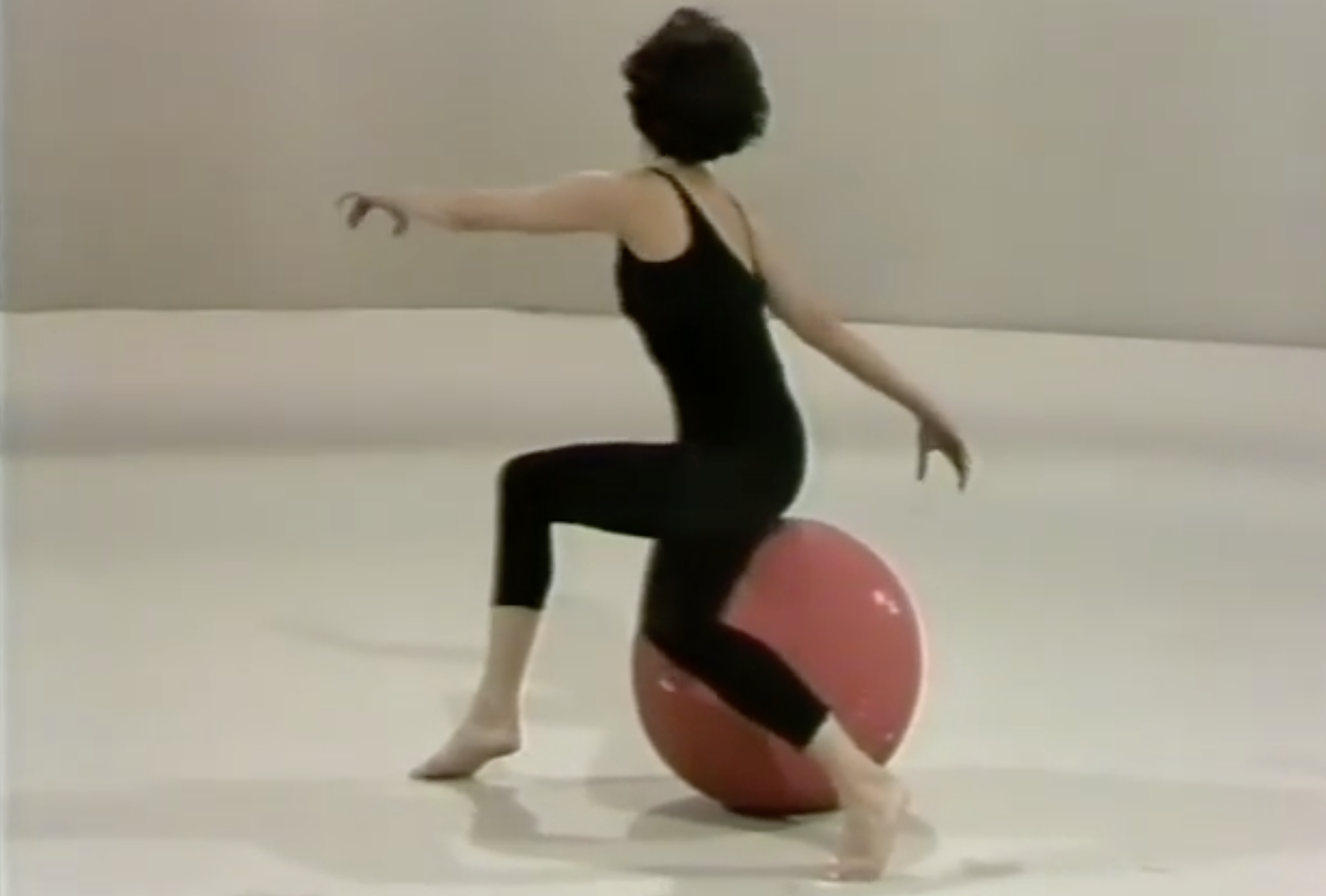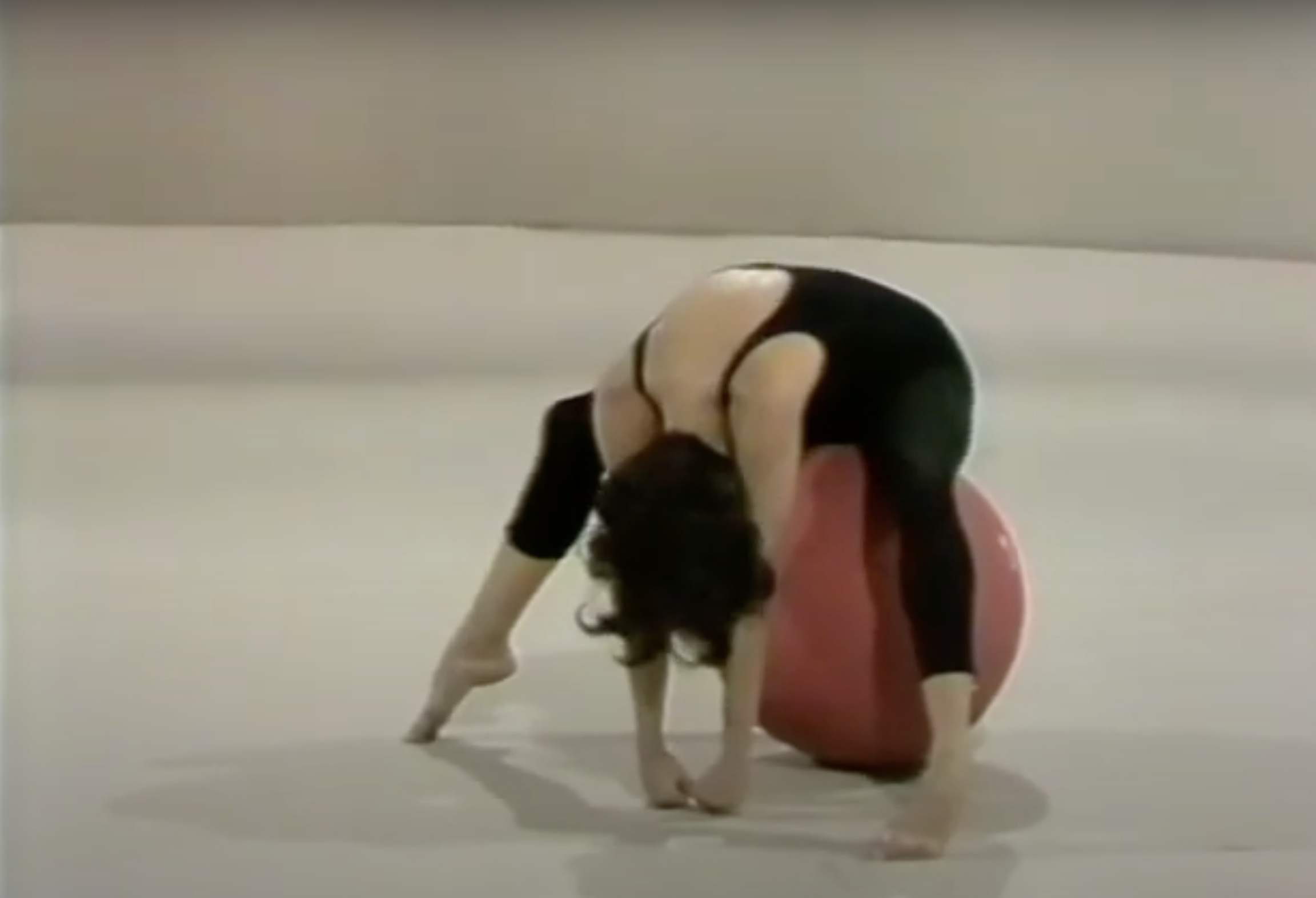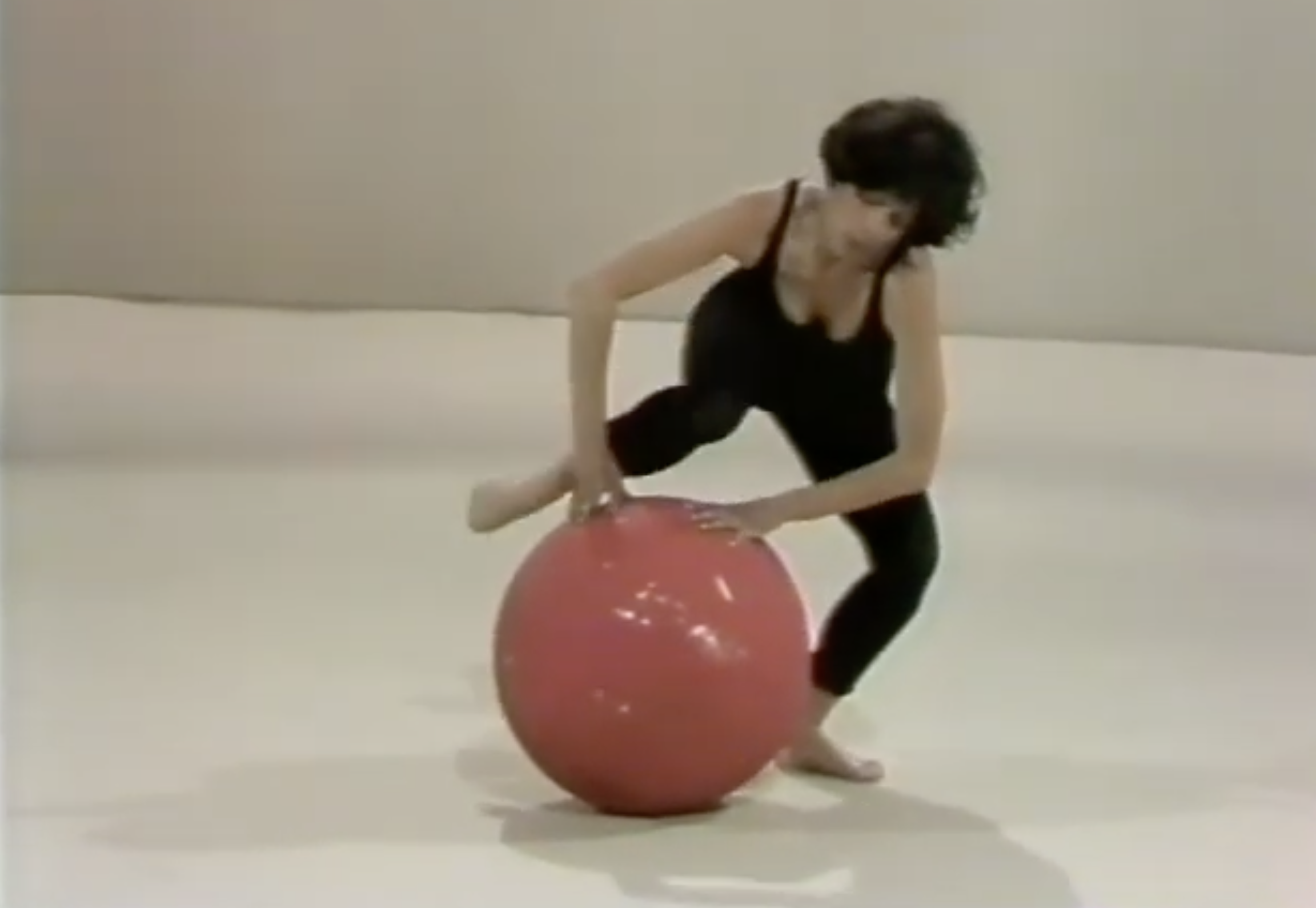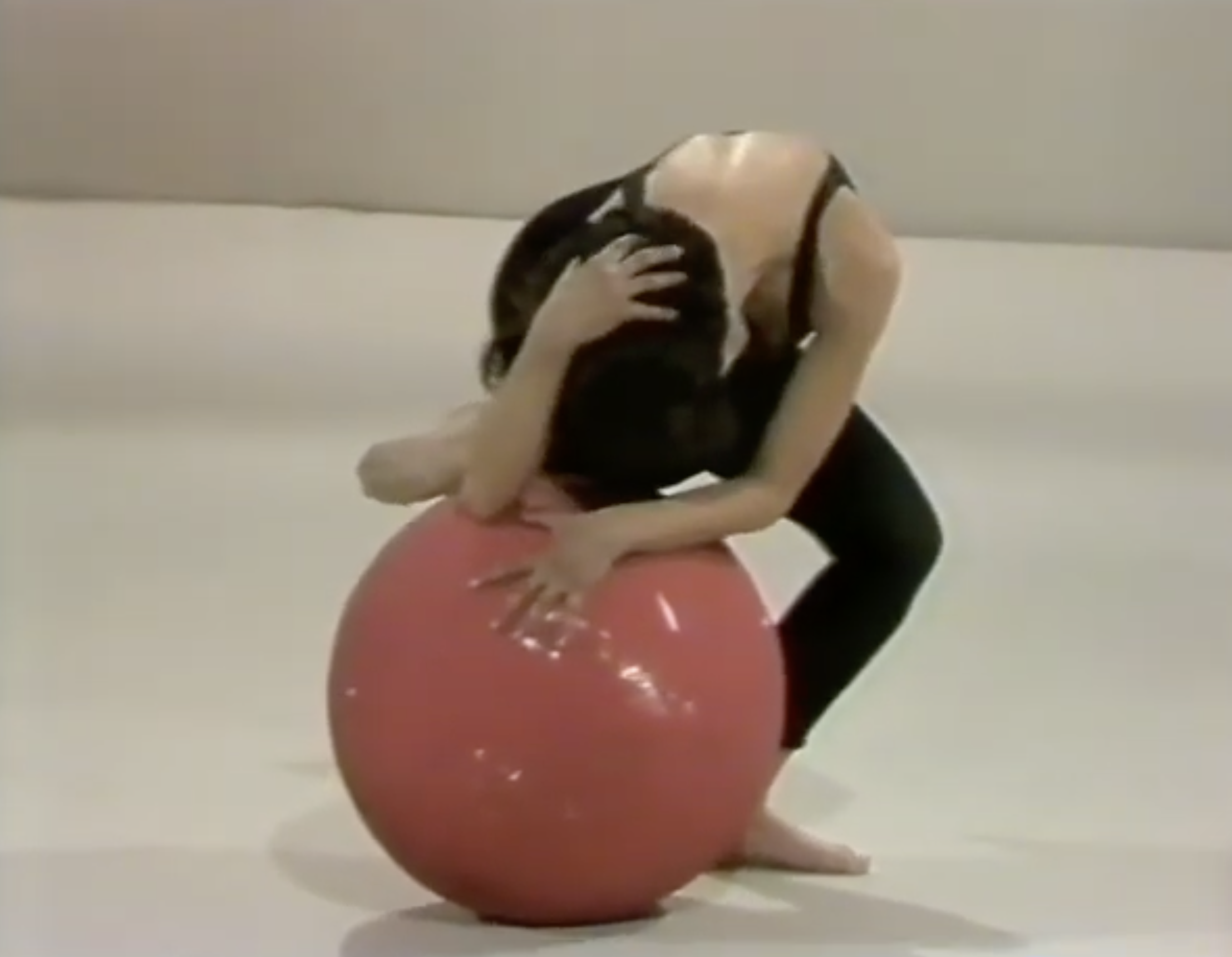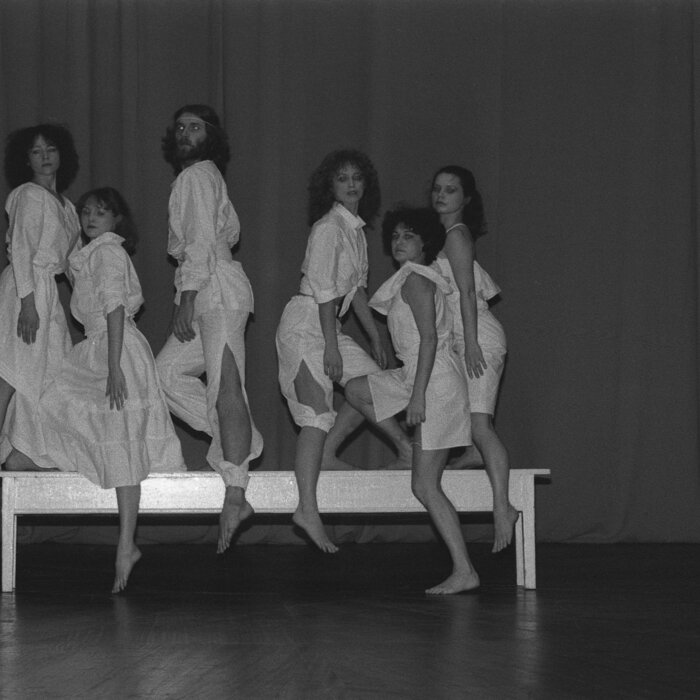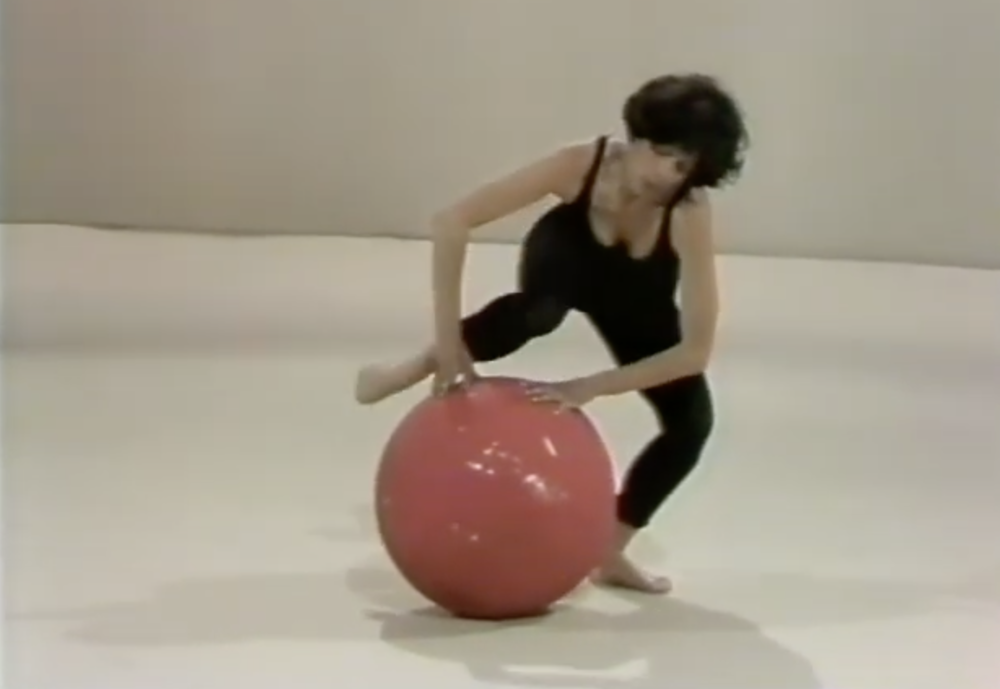
Dancer and choreographer Neja Kos (1943–) coming from the Slovene expressionist dance paradigm, decided to use objects and elements of a set in her work to generate new kinetic and choreographic possibilities in the late 1970s and early 1980s. In Phase (Faza) she introduced a ball as a ‘dance partner,’ while in Down There the River Flows (Tam doli teče reka) she organized choreography around a white bench. Although Kos states her decision simply originates in Wigman’s pedagogical exercises, due to the changed context of experimentations in dance and arts, the use of objects on stage echoes differently in the period of the late 1970s. In Phase, the specificities of the body trained in the expressionist dance parameters confronts the object partially as a separate entity and partially she handles it as a physical extension. Similar to Down There the River Flows, anatomical body parameters in relation to the object determine specific kinetics. Although the use of objects in those cases may not have been conceptualized in the same elaborate way as in the experiments of other contemporary dance contexts of the period, it definitely transgressed the use of the object (ball) from the early modernist dance practices that had later entered the Olympic discipline of rhythmic gymnastics. It opened the potentialities of kinetics and suggested the practices of dance research.
From Nika Arhar, Jasmina Založnik (ed.), Bodies of Dance, Aspects of Dance as Cultural, Political, and Art Work in Yugoslavia and After (Belgrade, 2024)