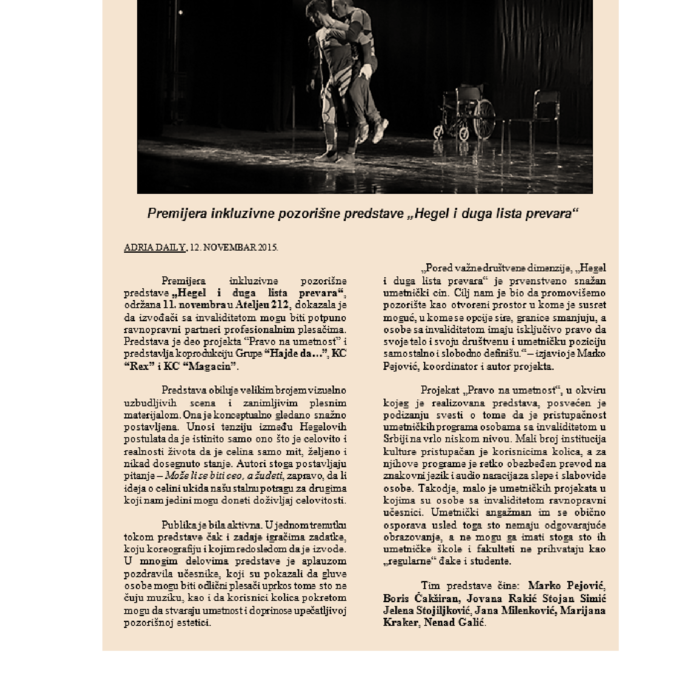
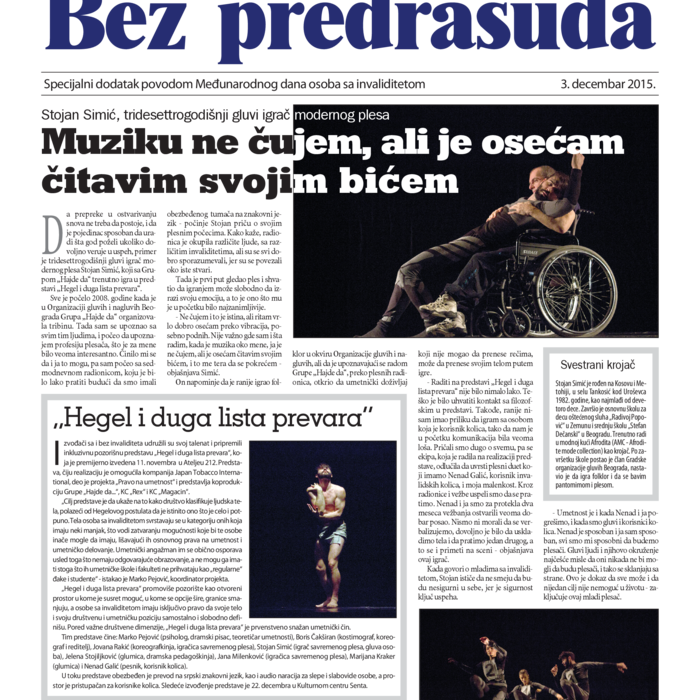
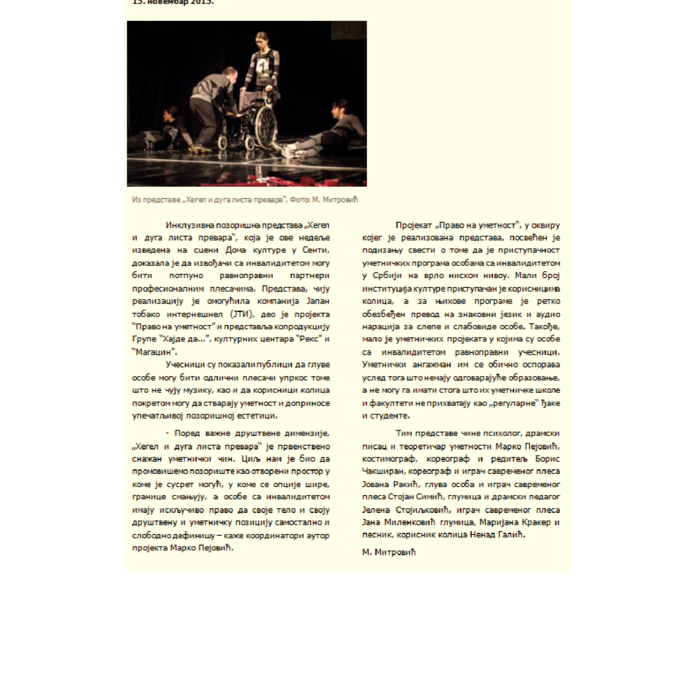
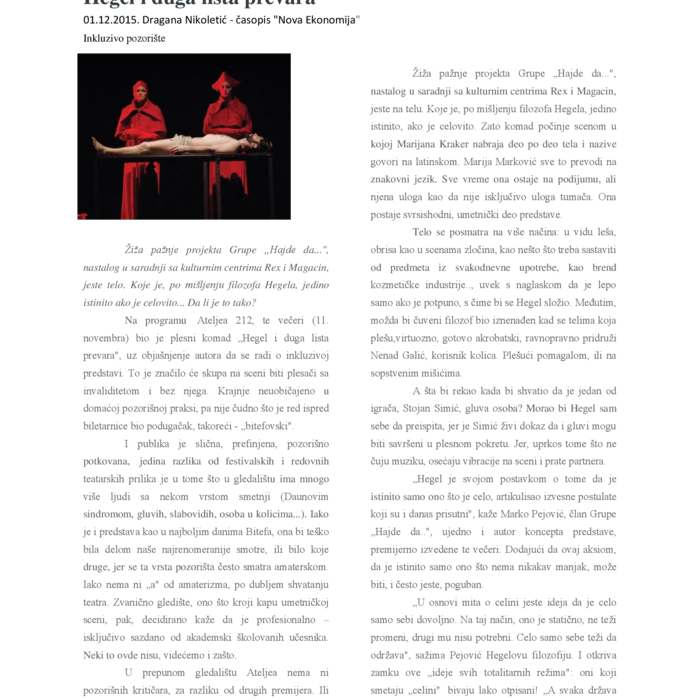
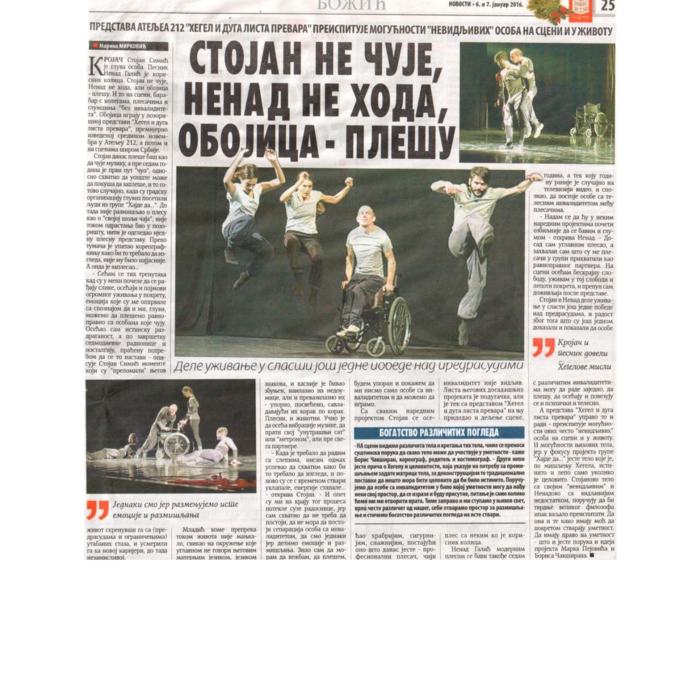
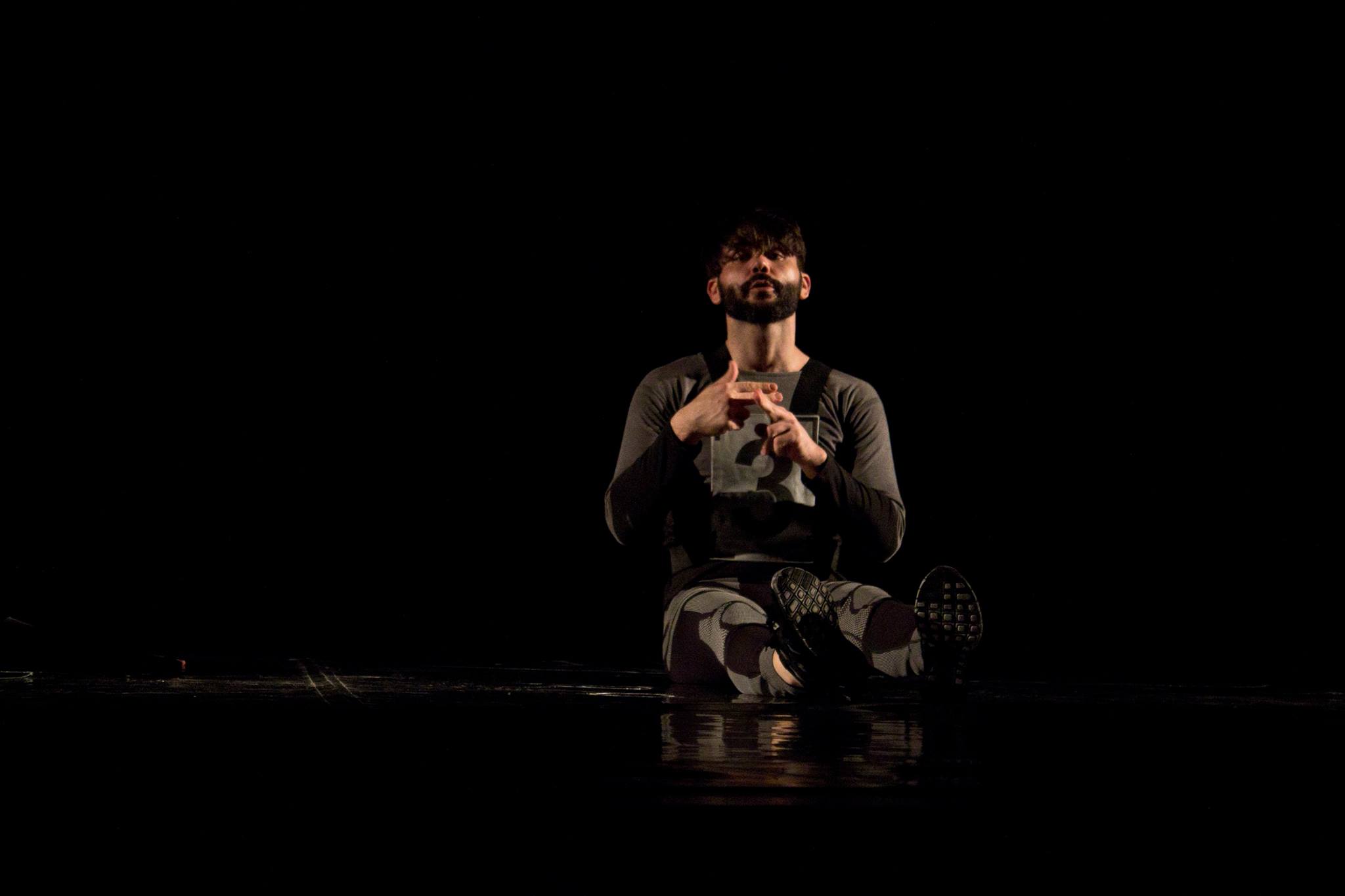
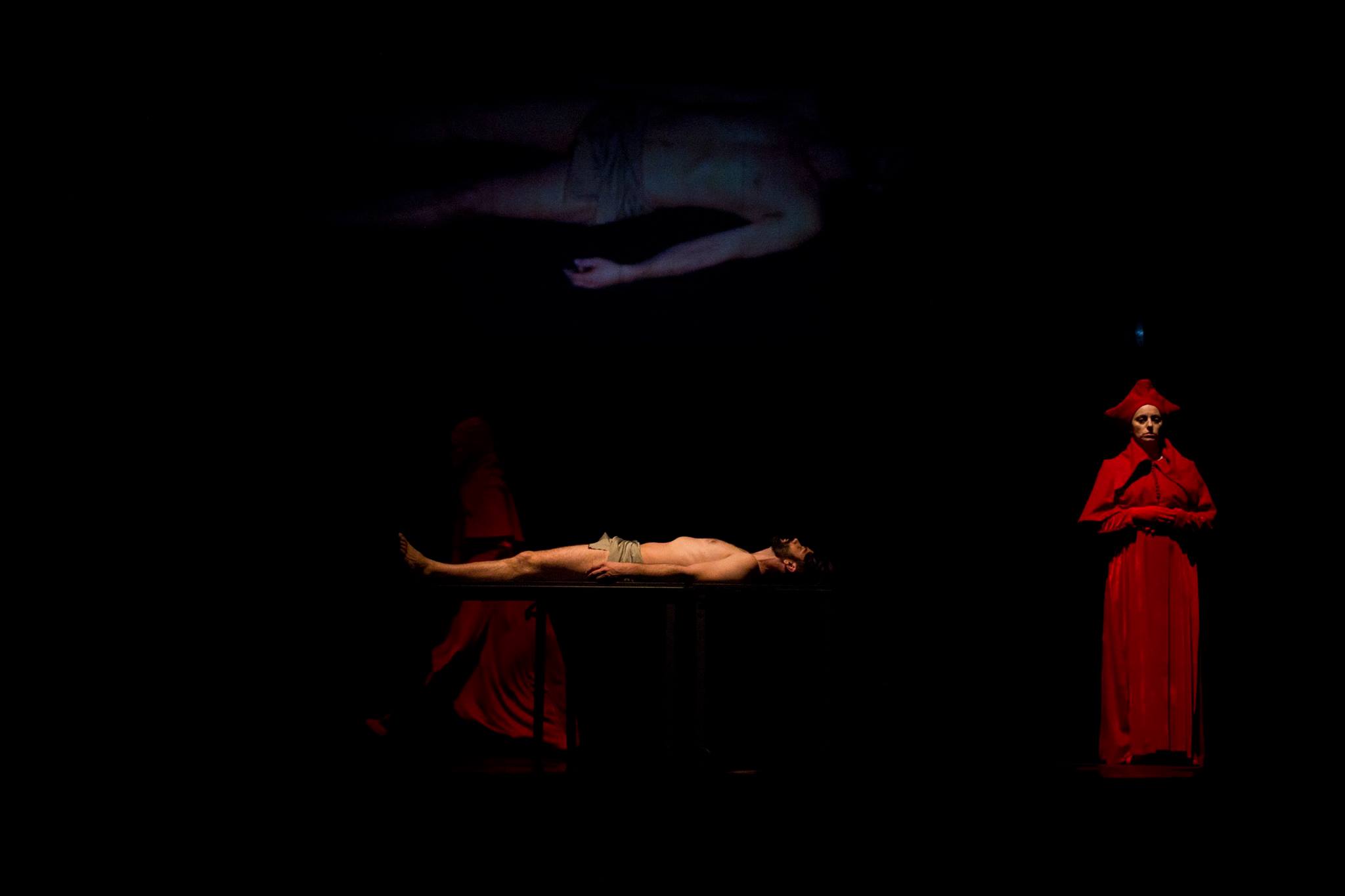
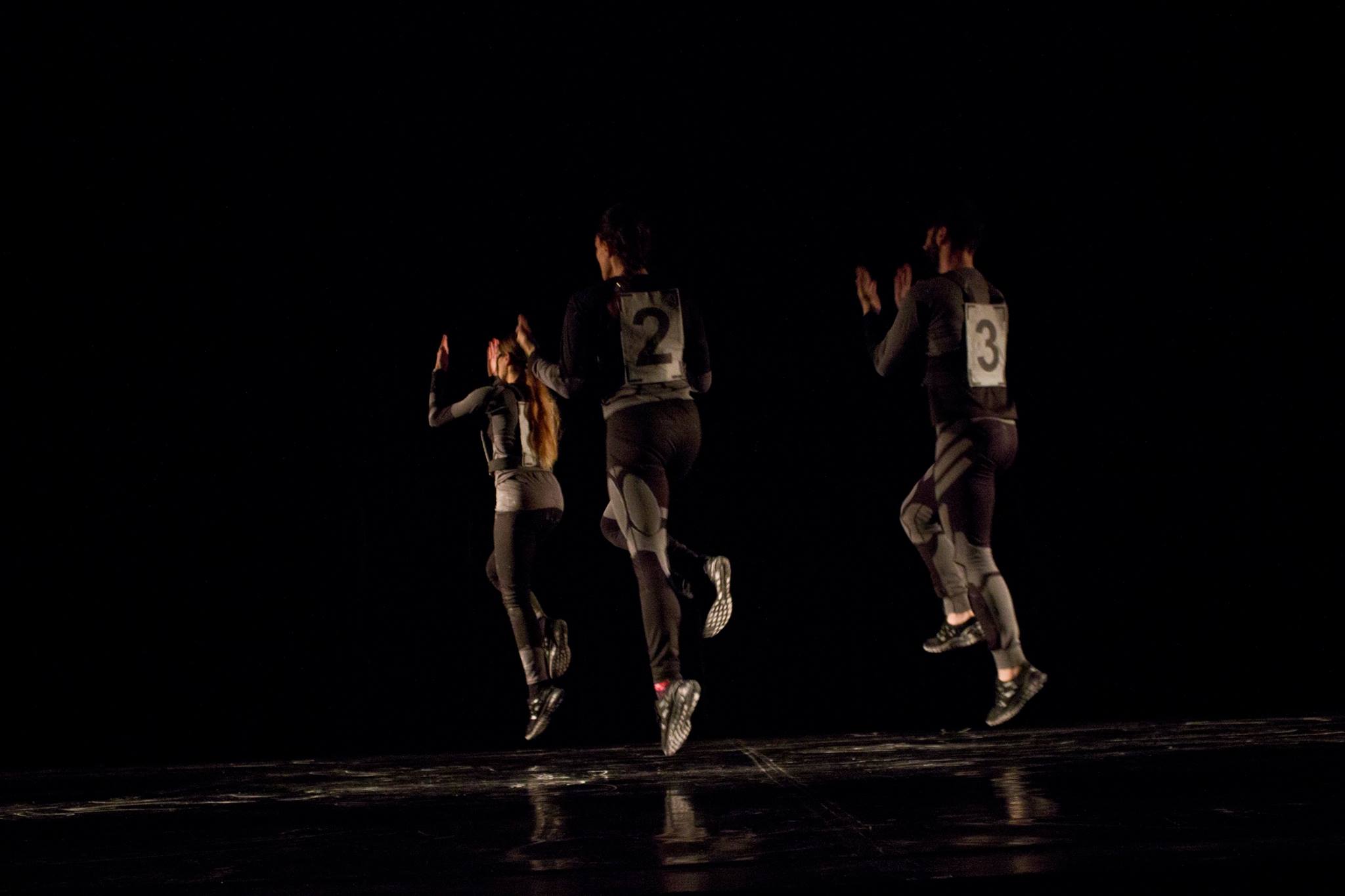
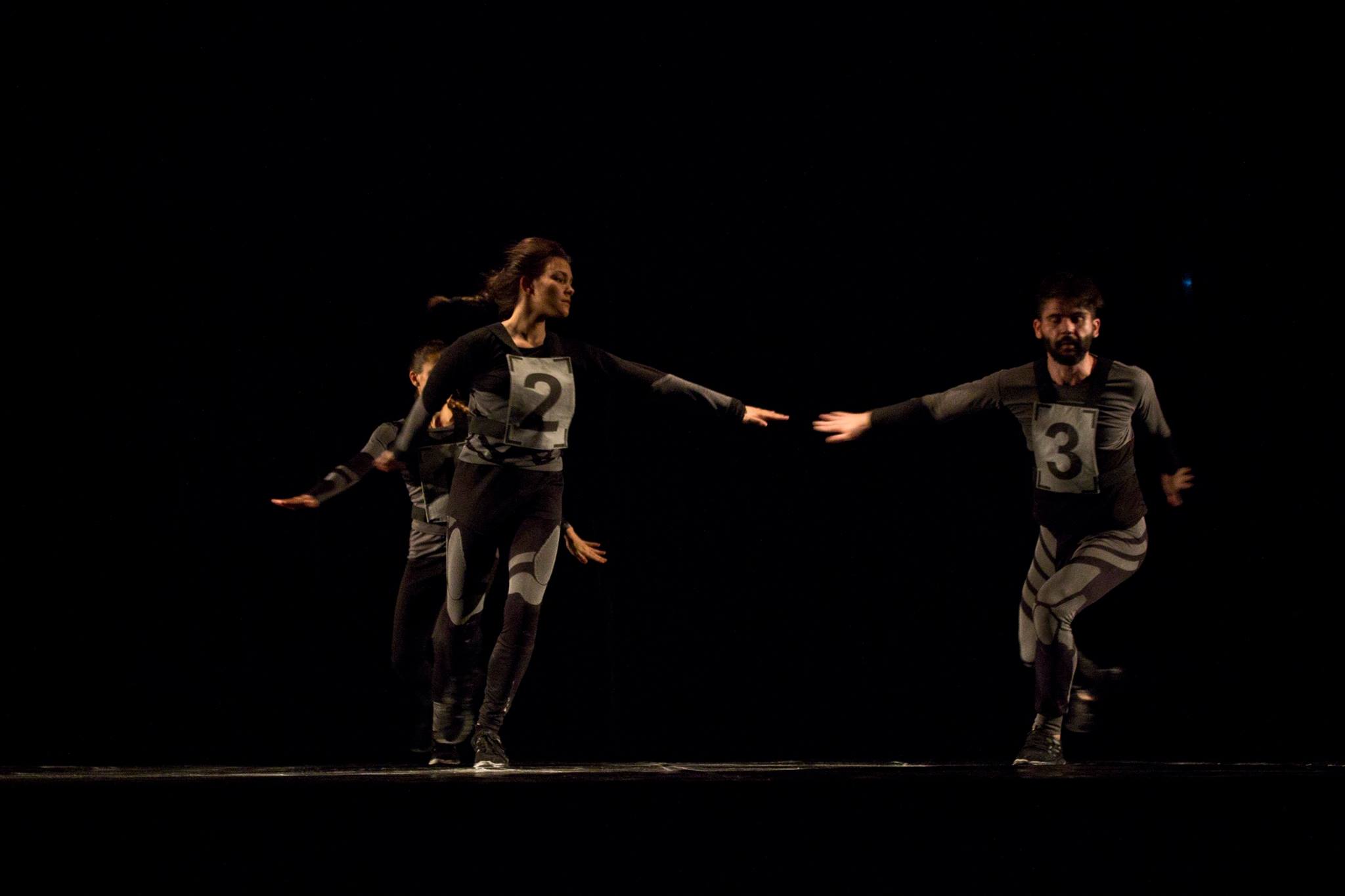
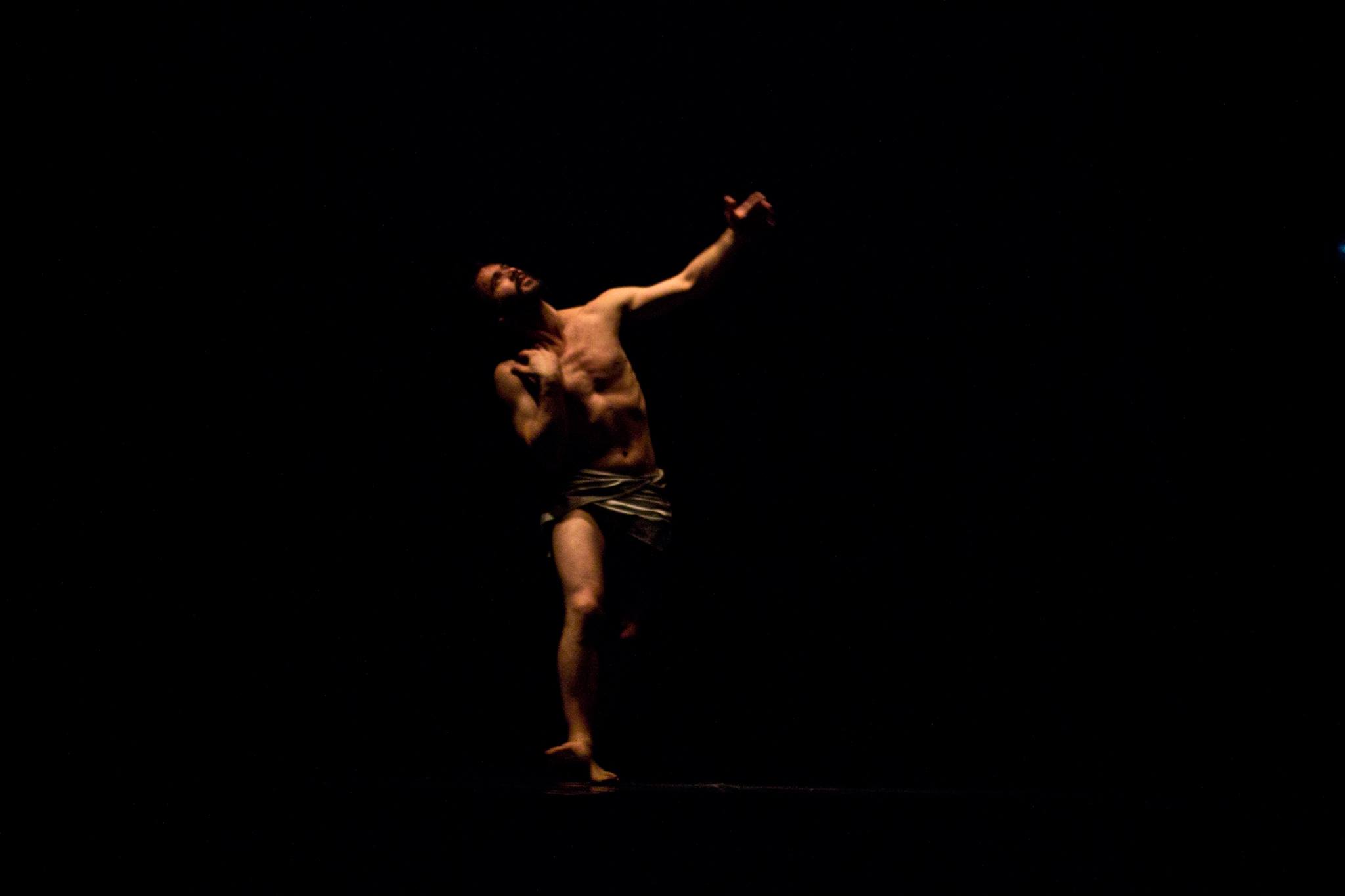
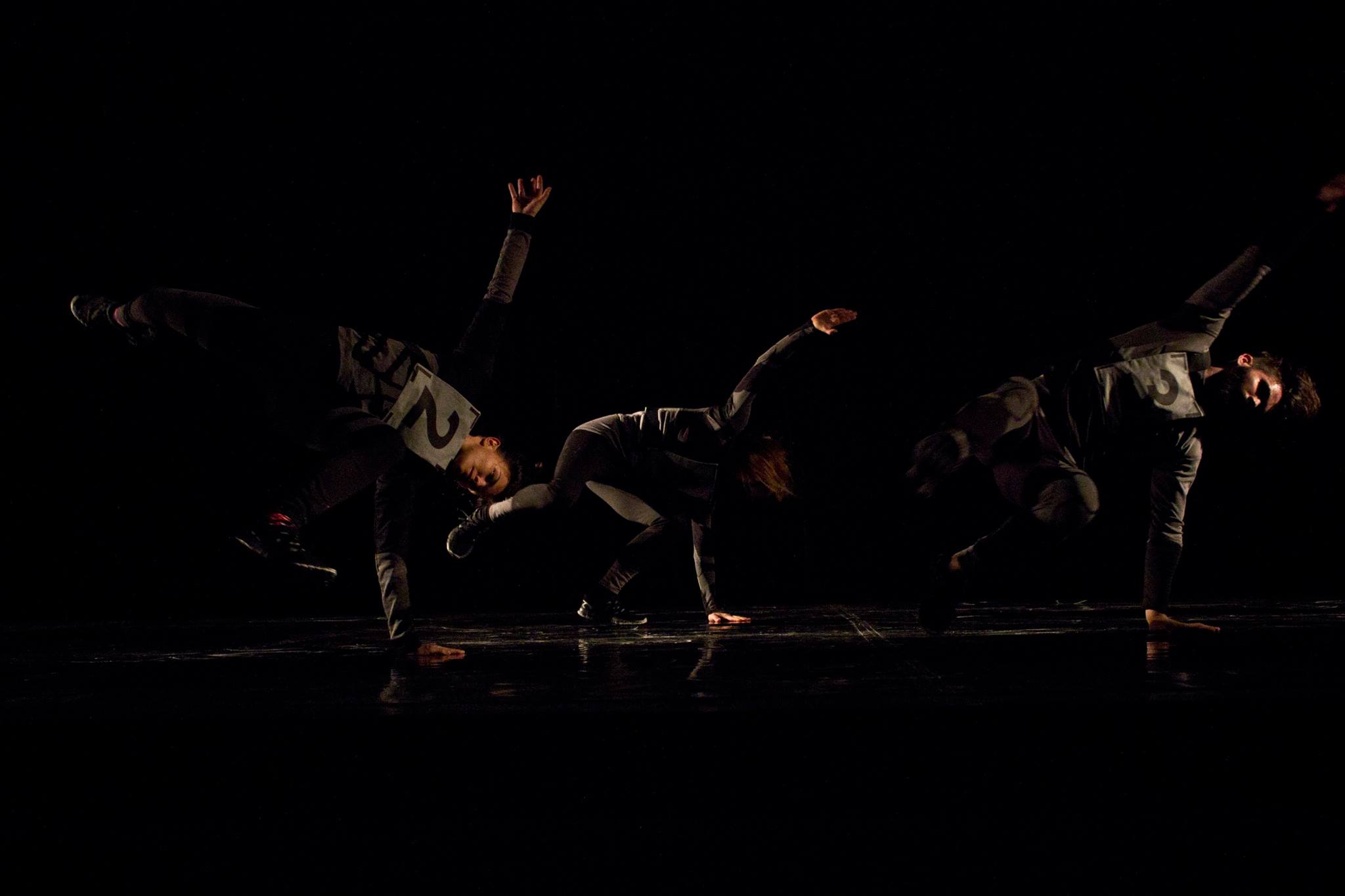
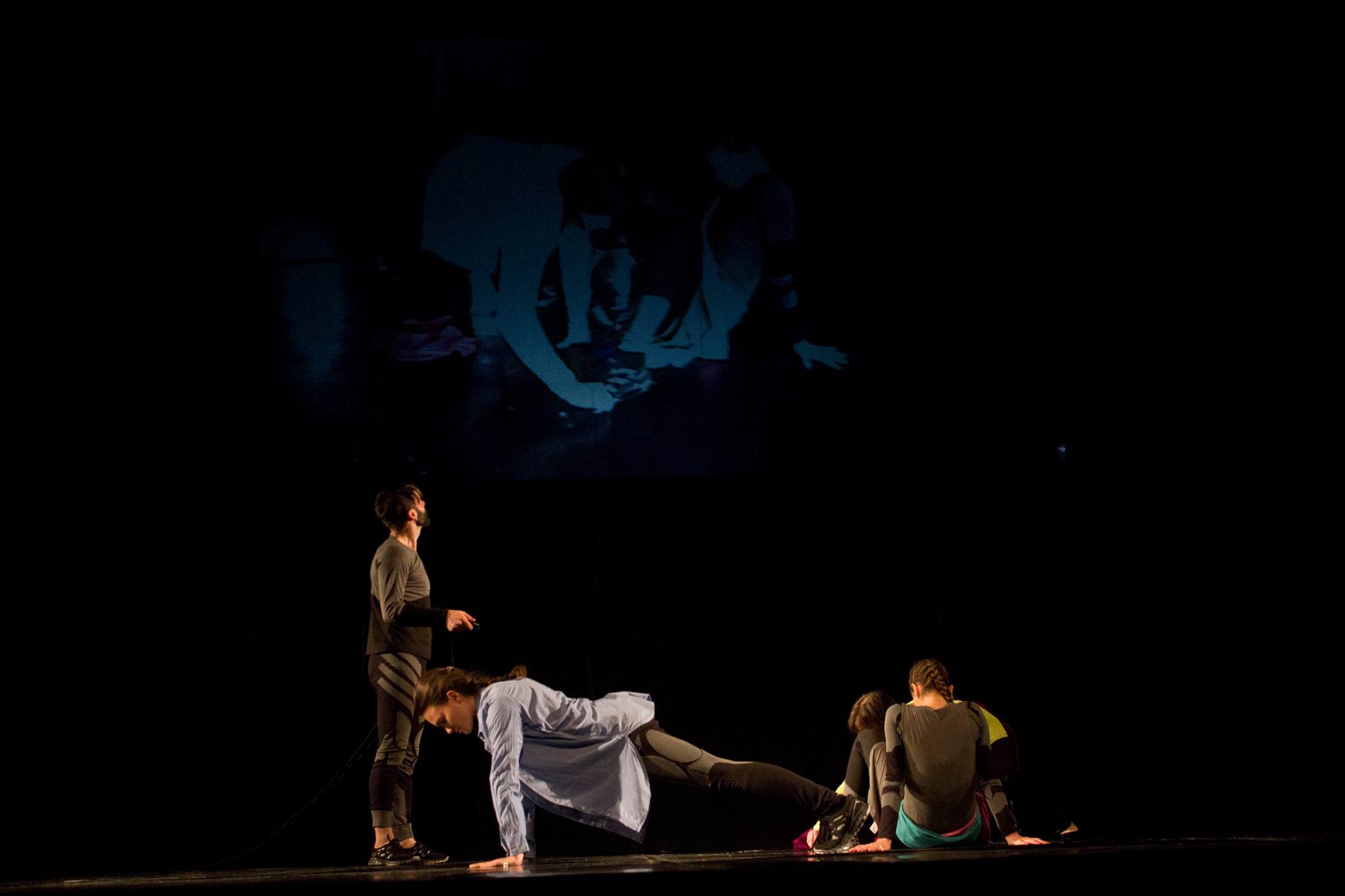
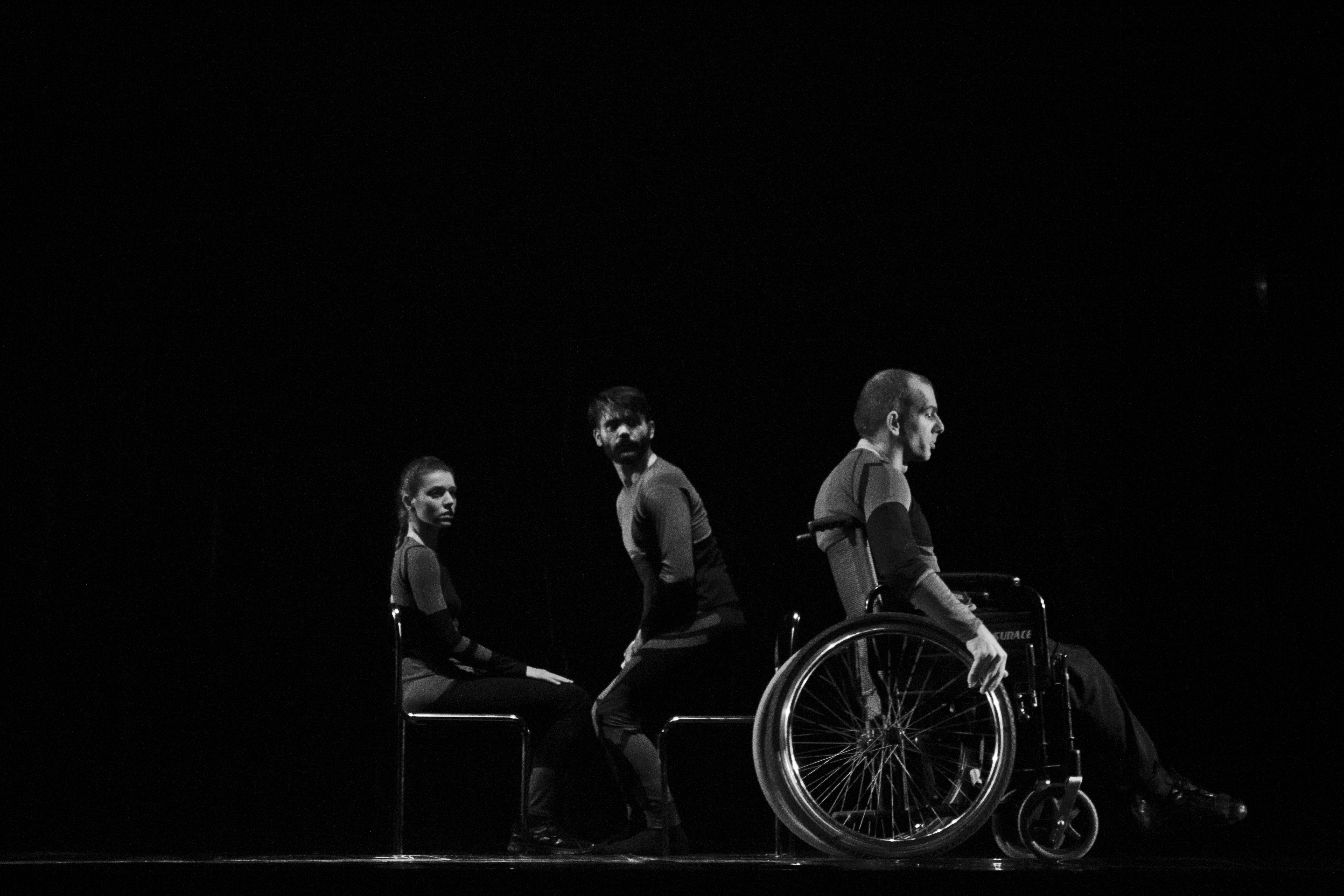
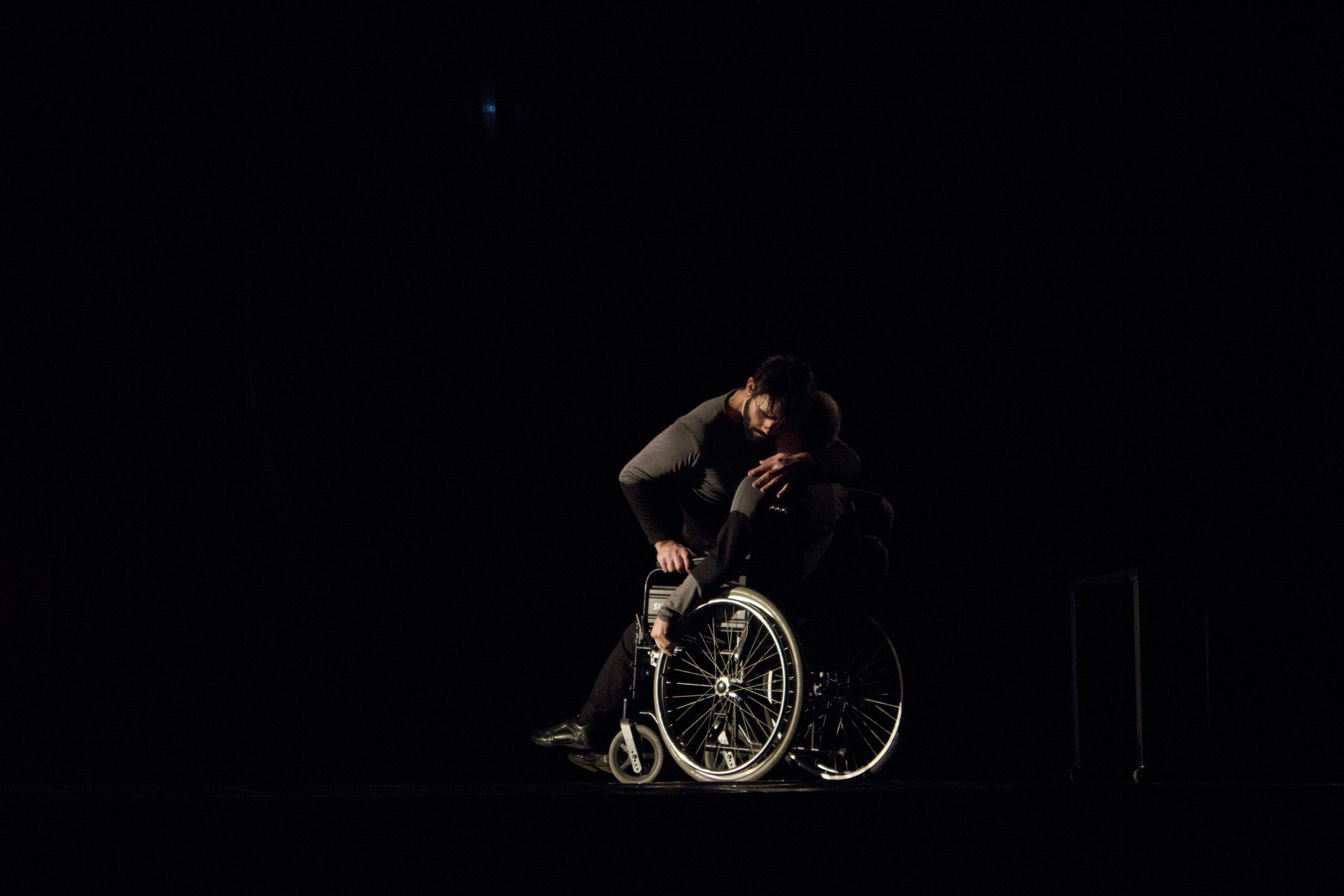
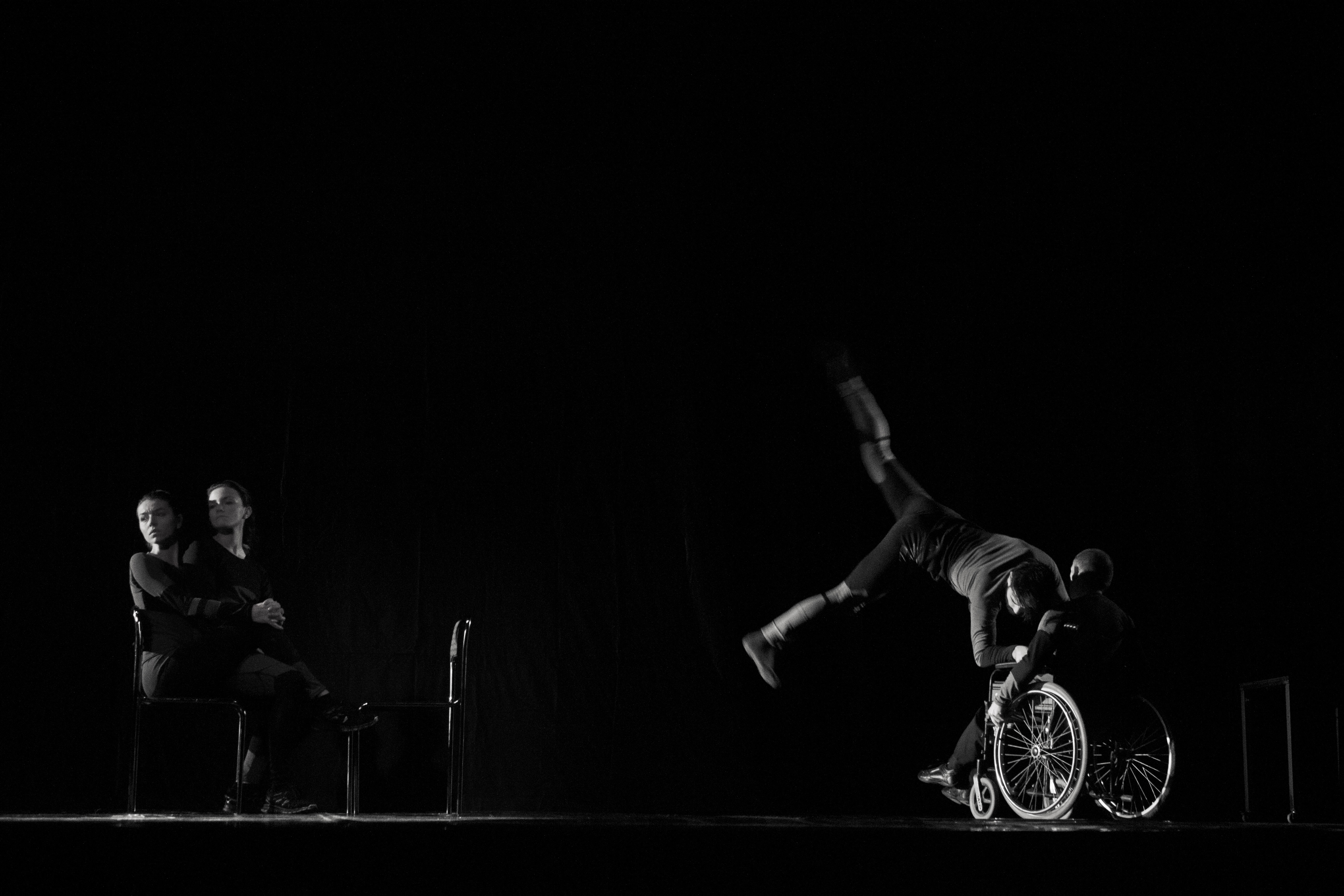
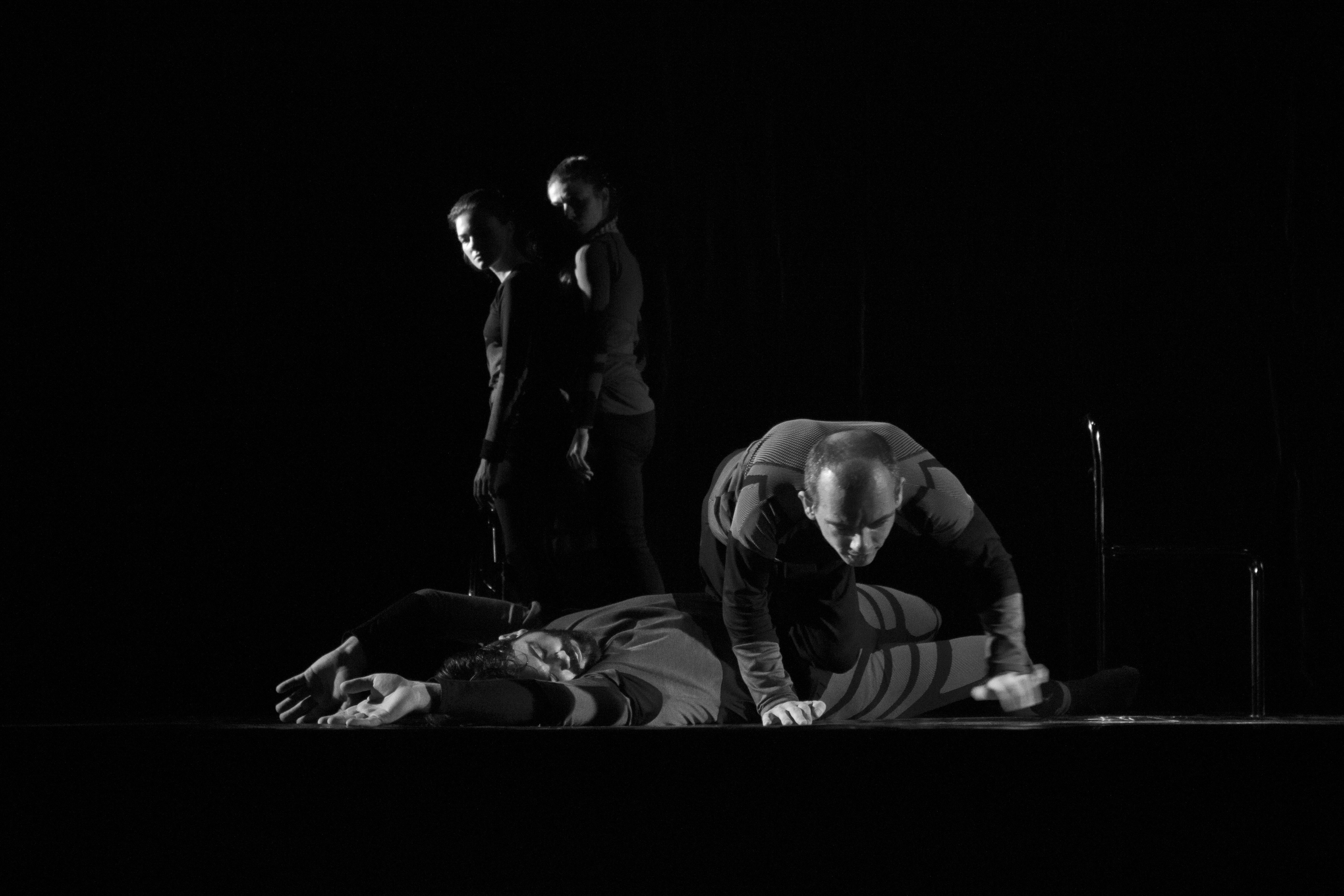
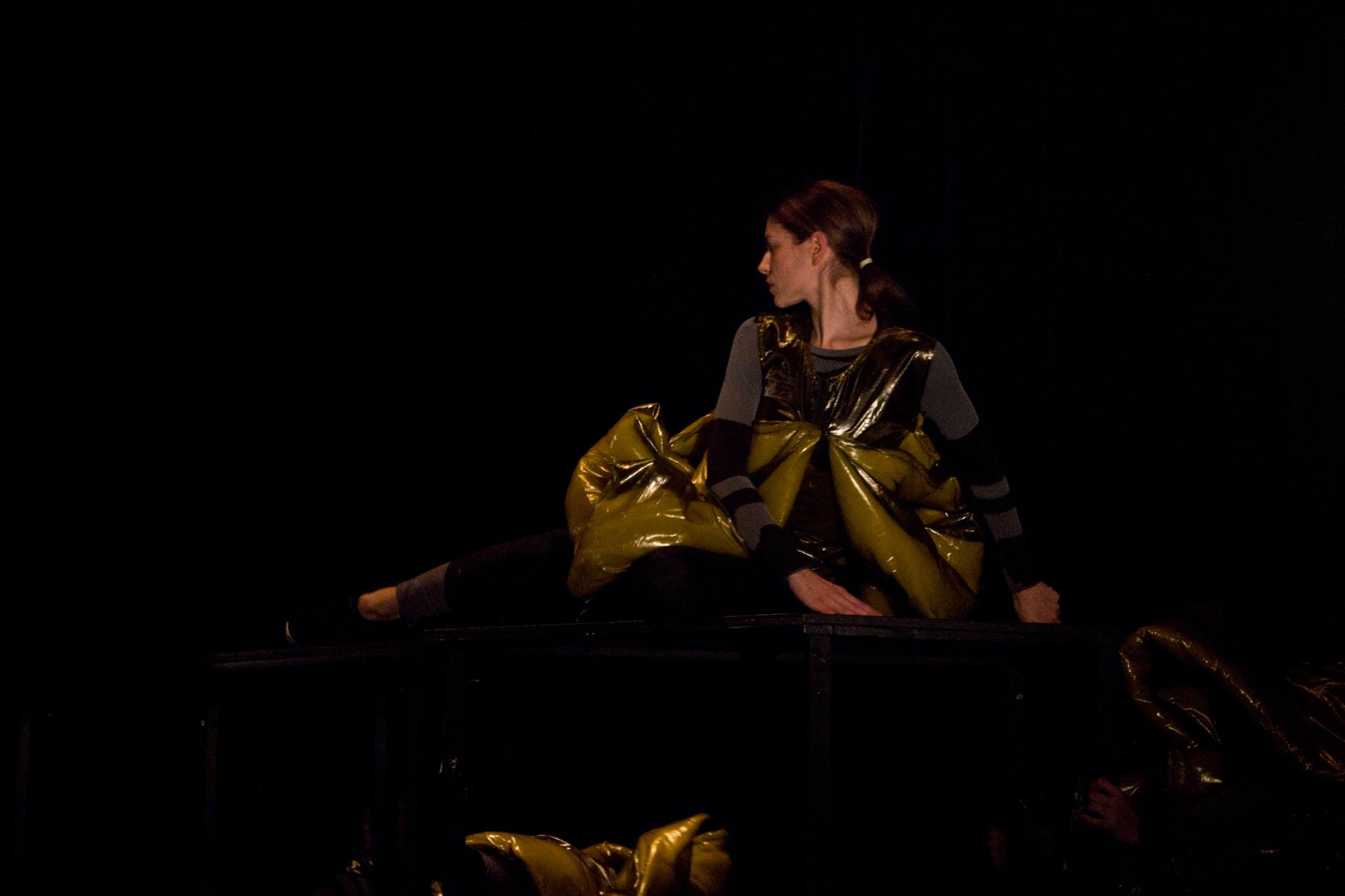
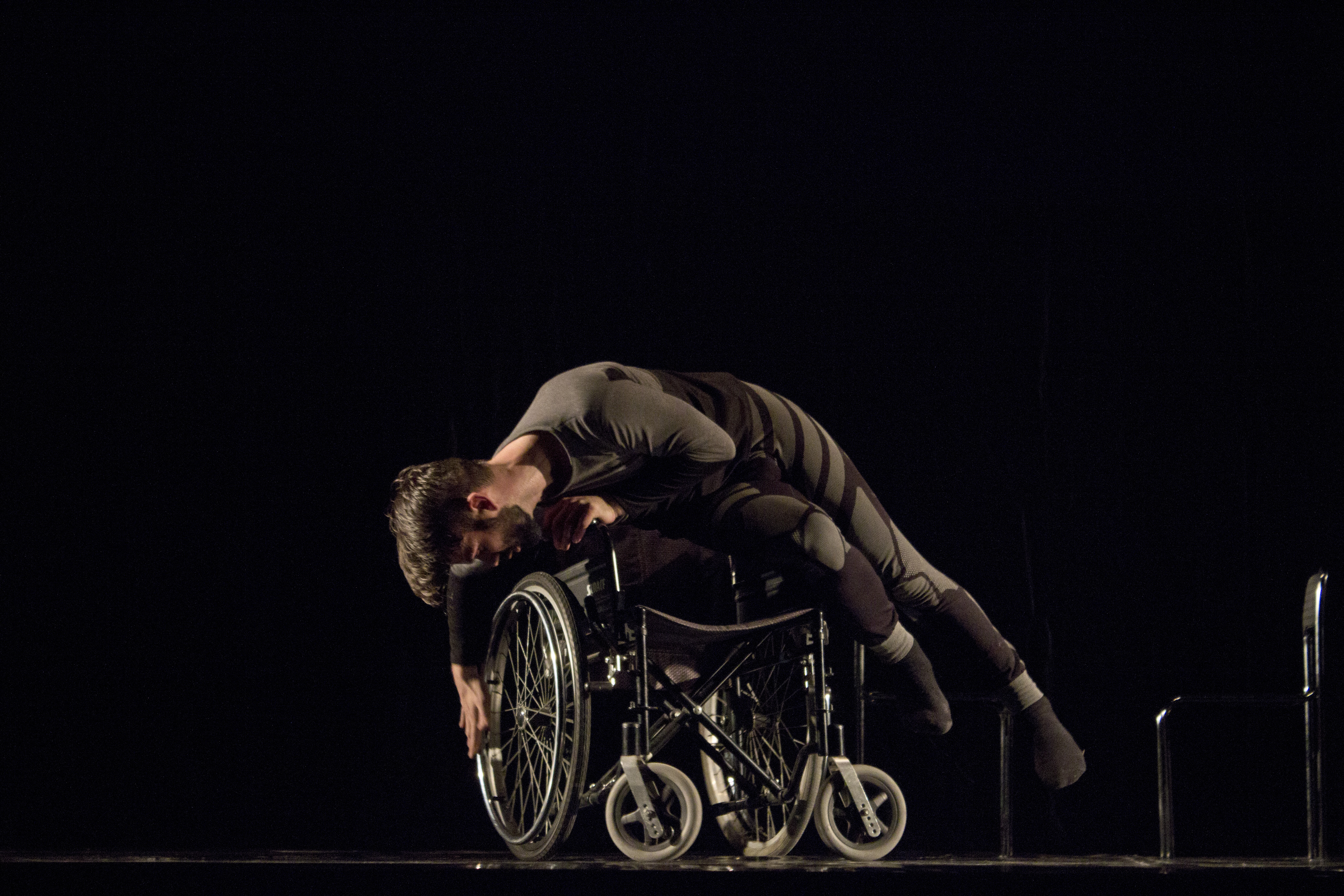
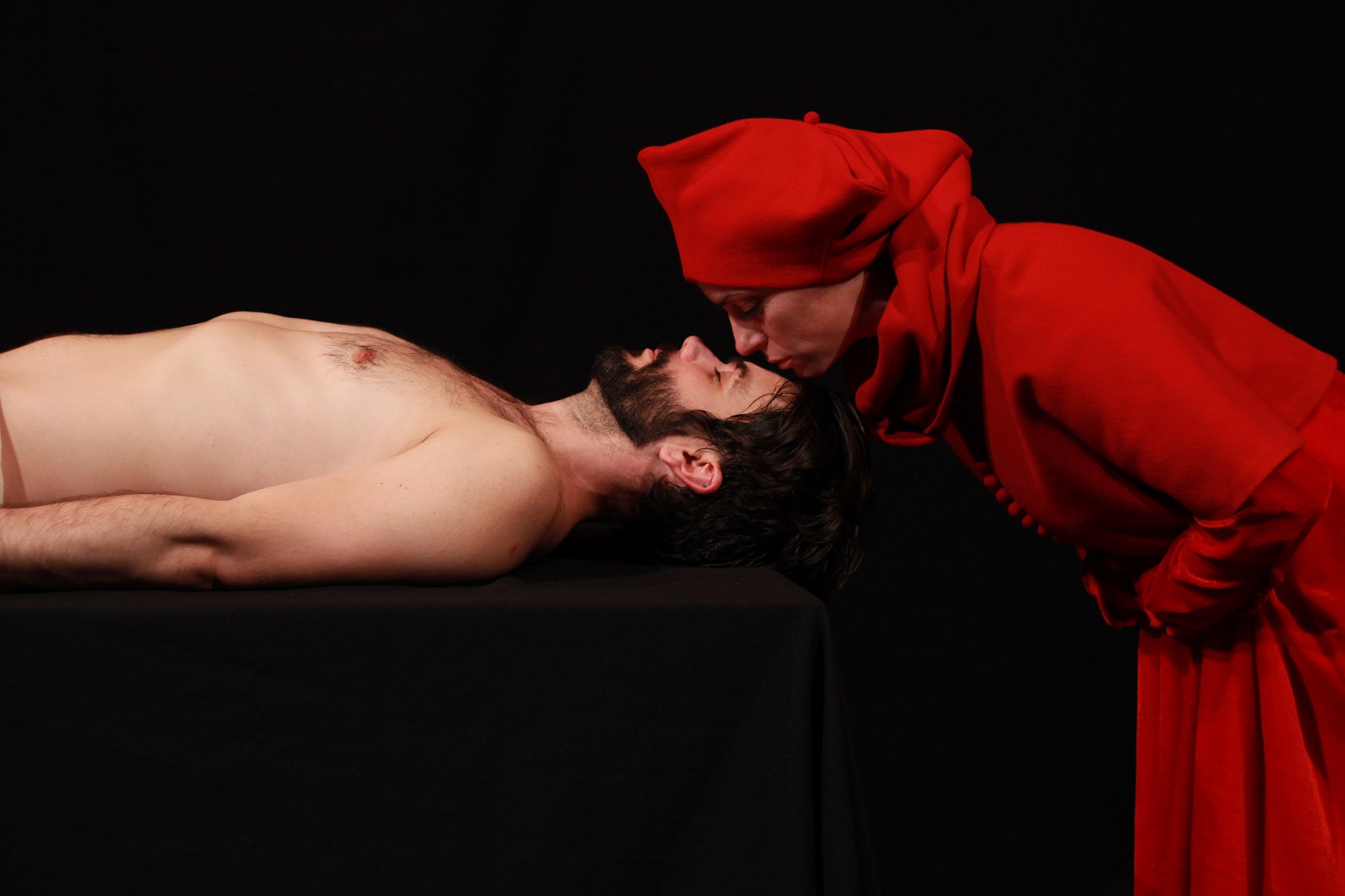
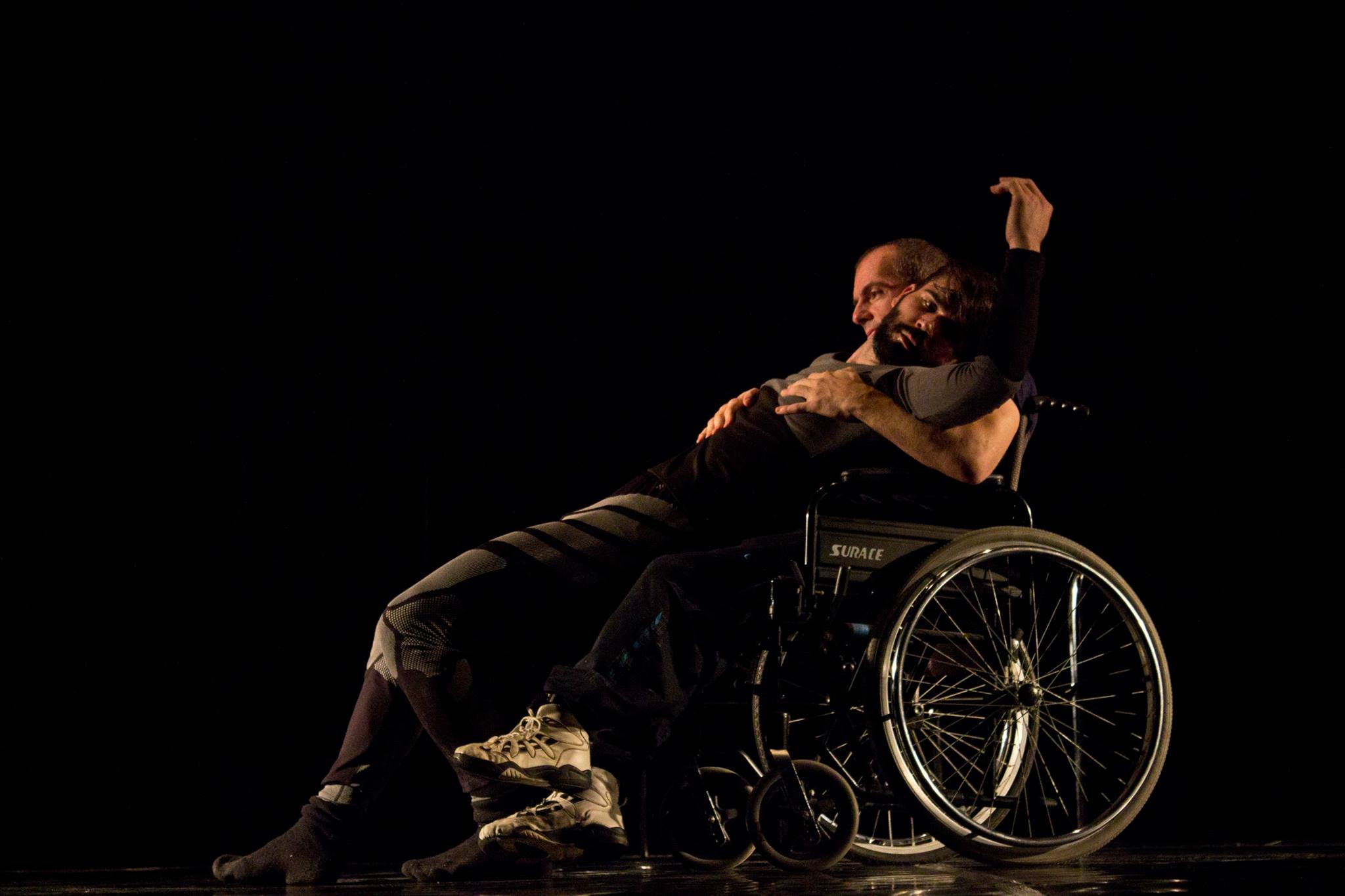
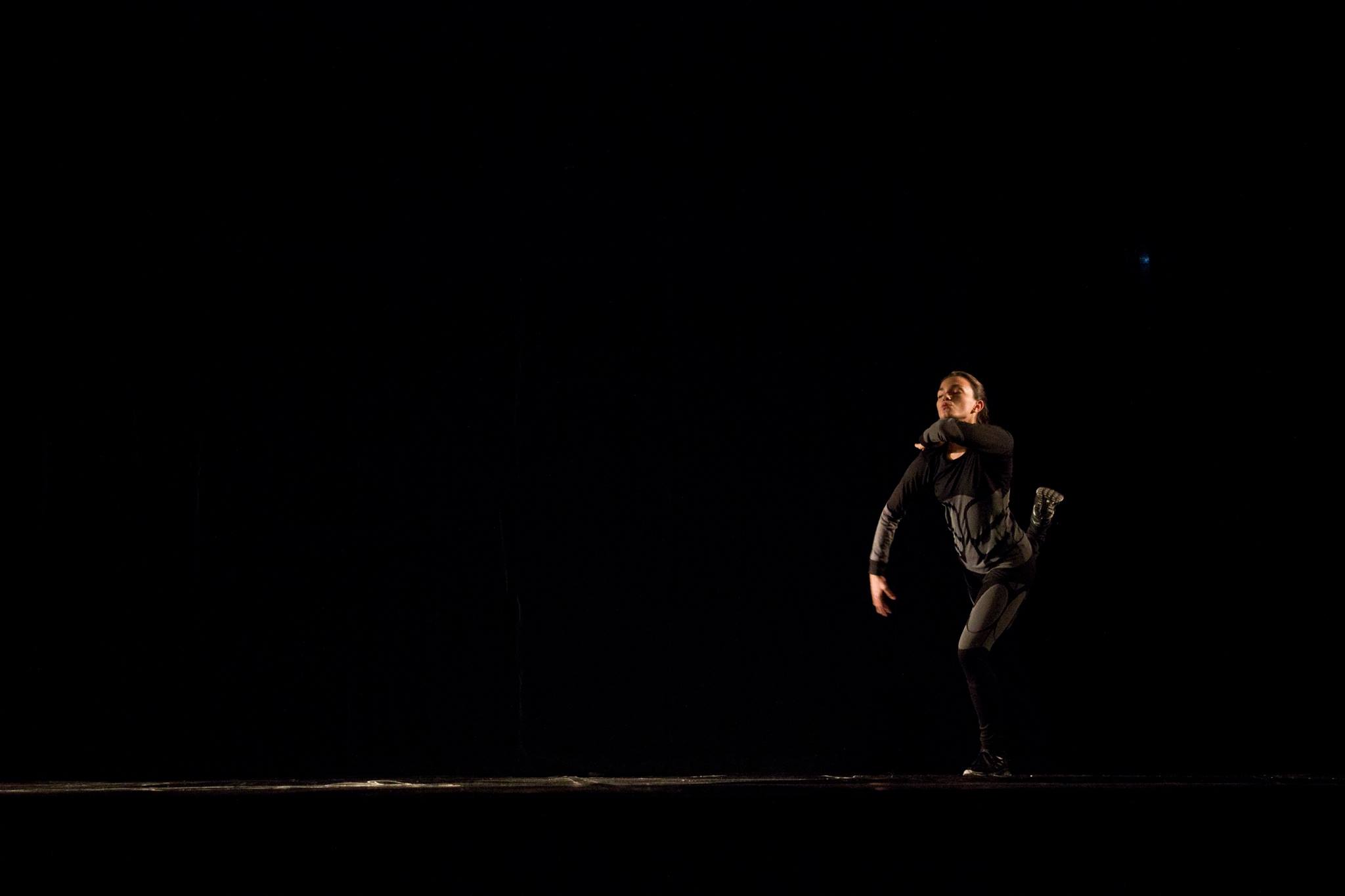
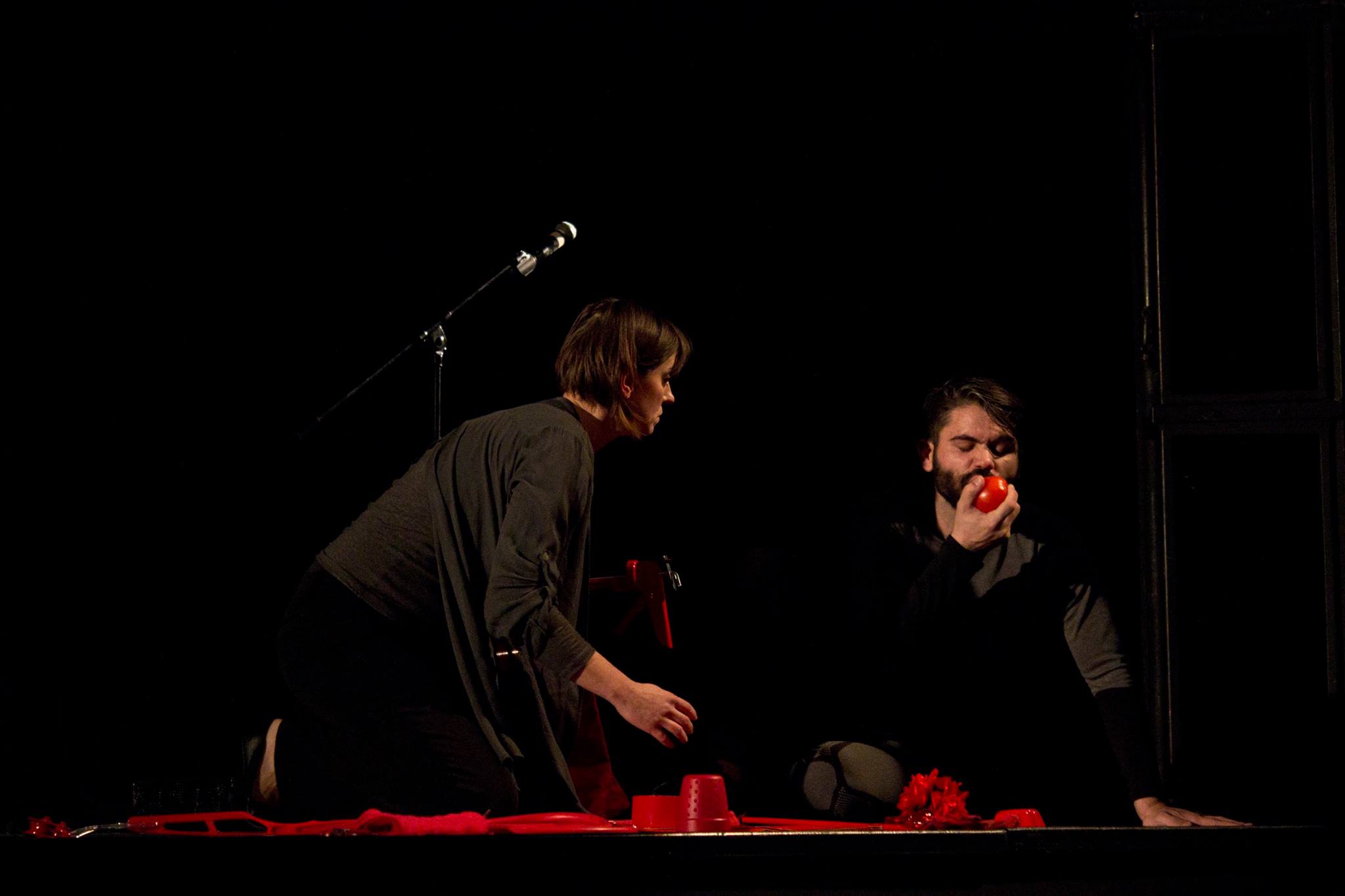
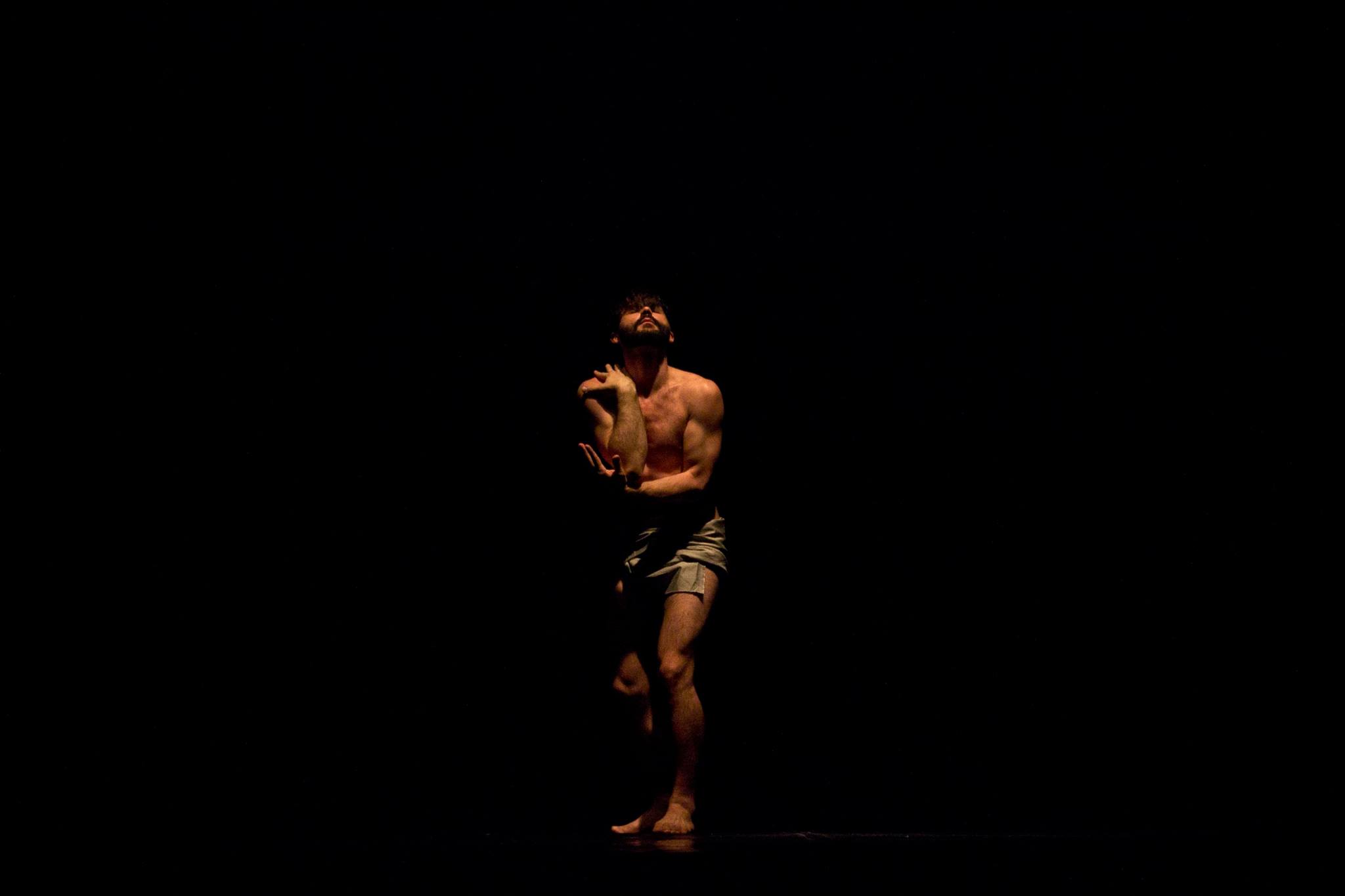
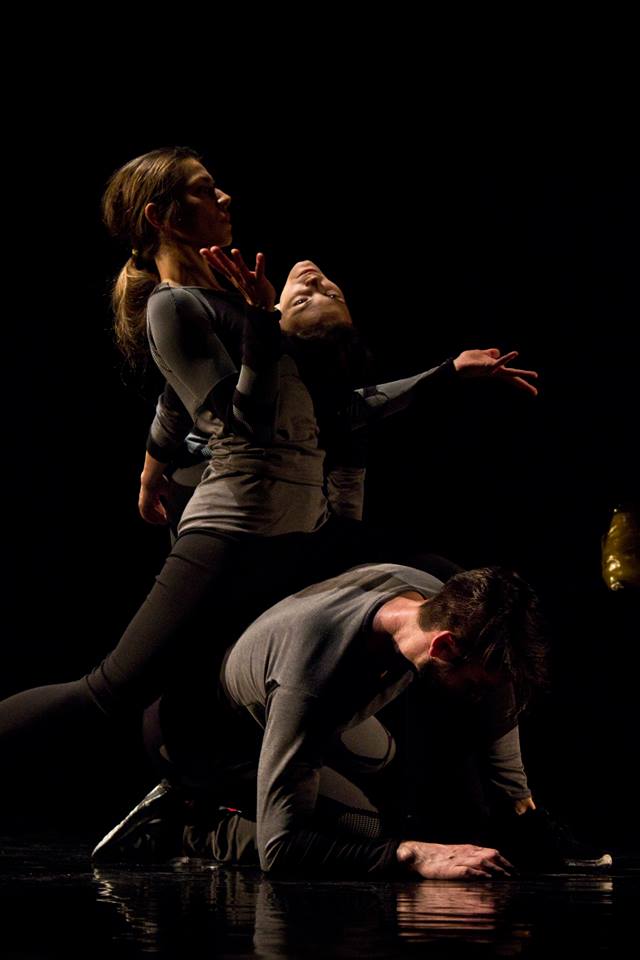
The group "Hajde da..." in co-production with the cultural centers "Rex" and "Magacin" realizes an inclusive theater performance, which will have its premiere in Atelier 212, on the Mira Trailović stage, on November 11, 2015, starting at 8 p.m.
The play is part of the "Right to Art" project, which advocates the right of people with disabilities to artistic activity and professional theater work. Their artistic engagement is usually contested due to the fact that they do not have an artistic education, and they cannot have it because art schools and faculties do not accept them as "regular" pupils and students.
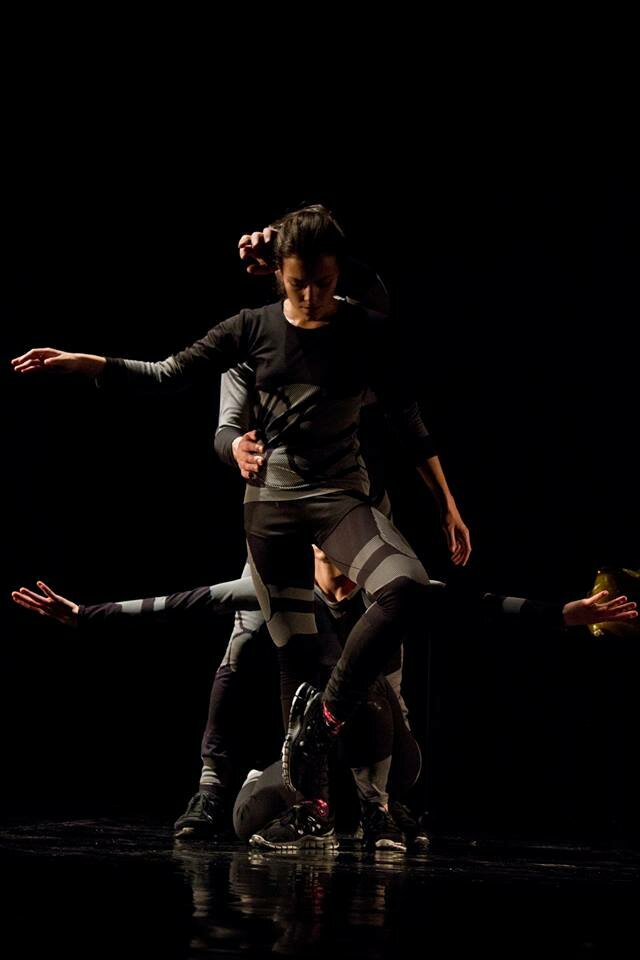
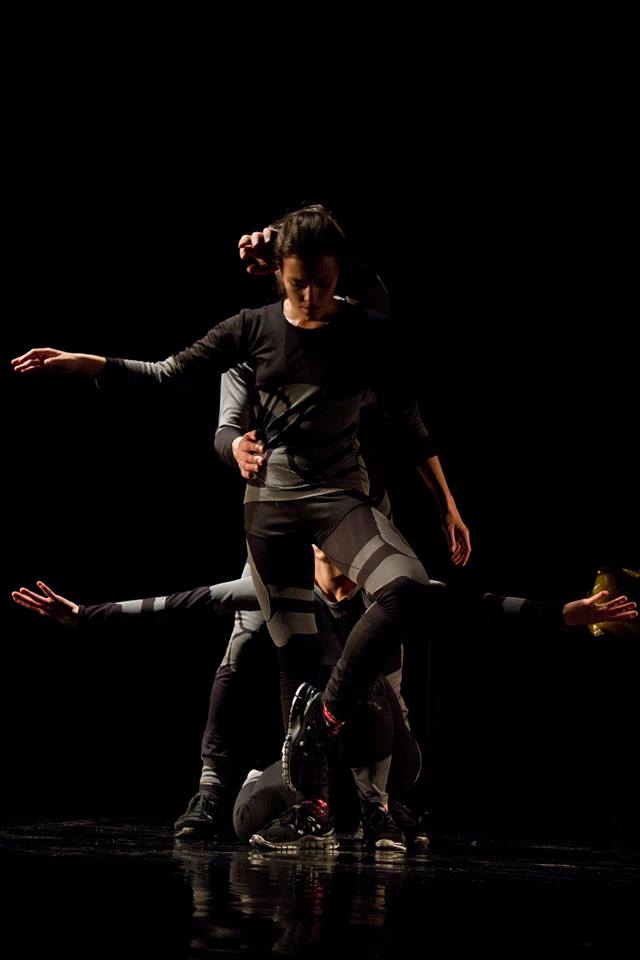
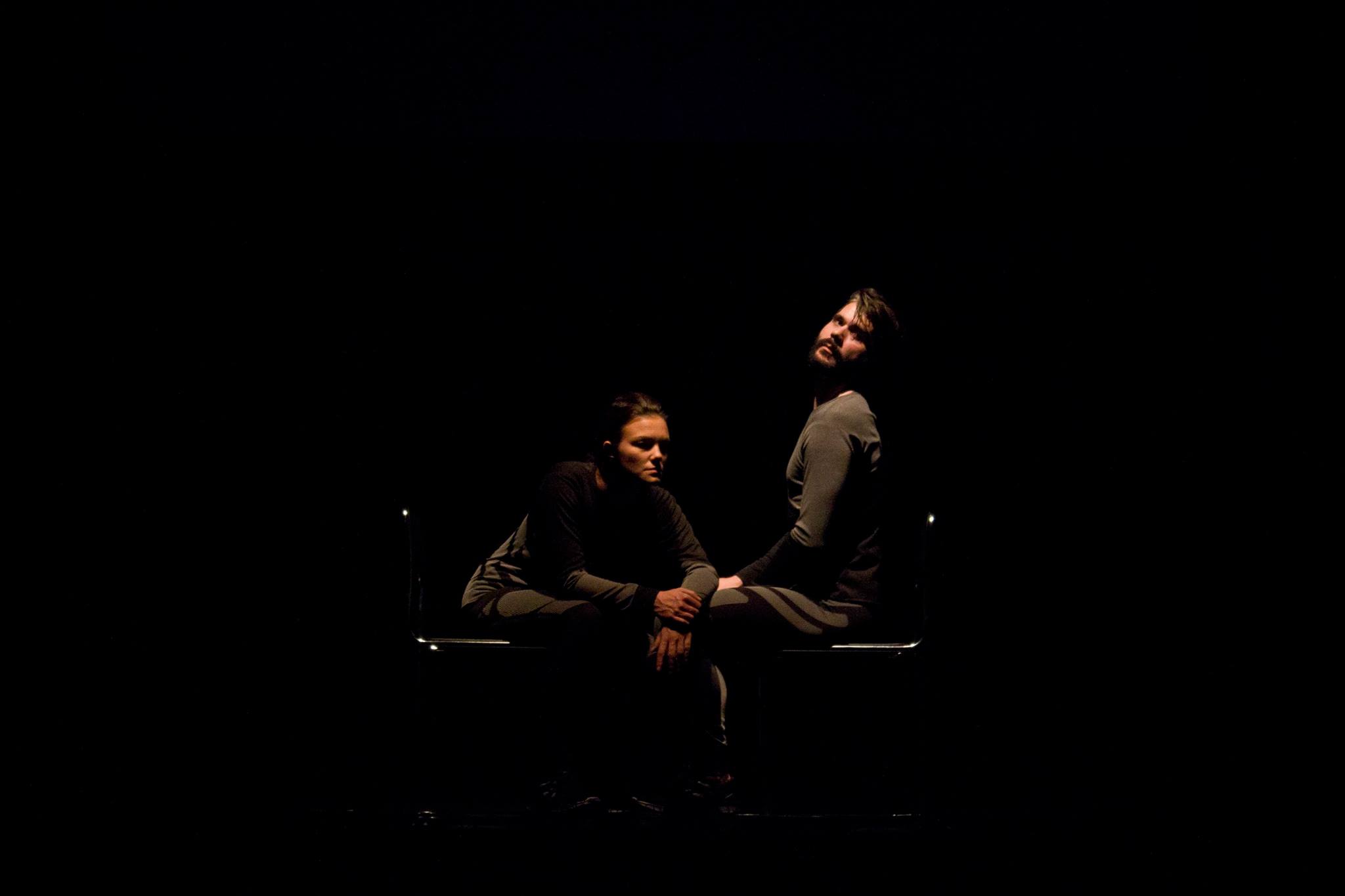
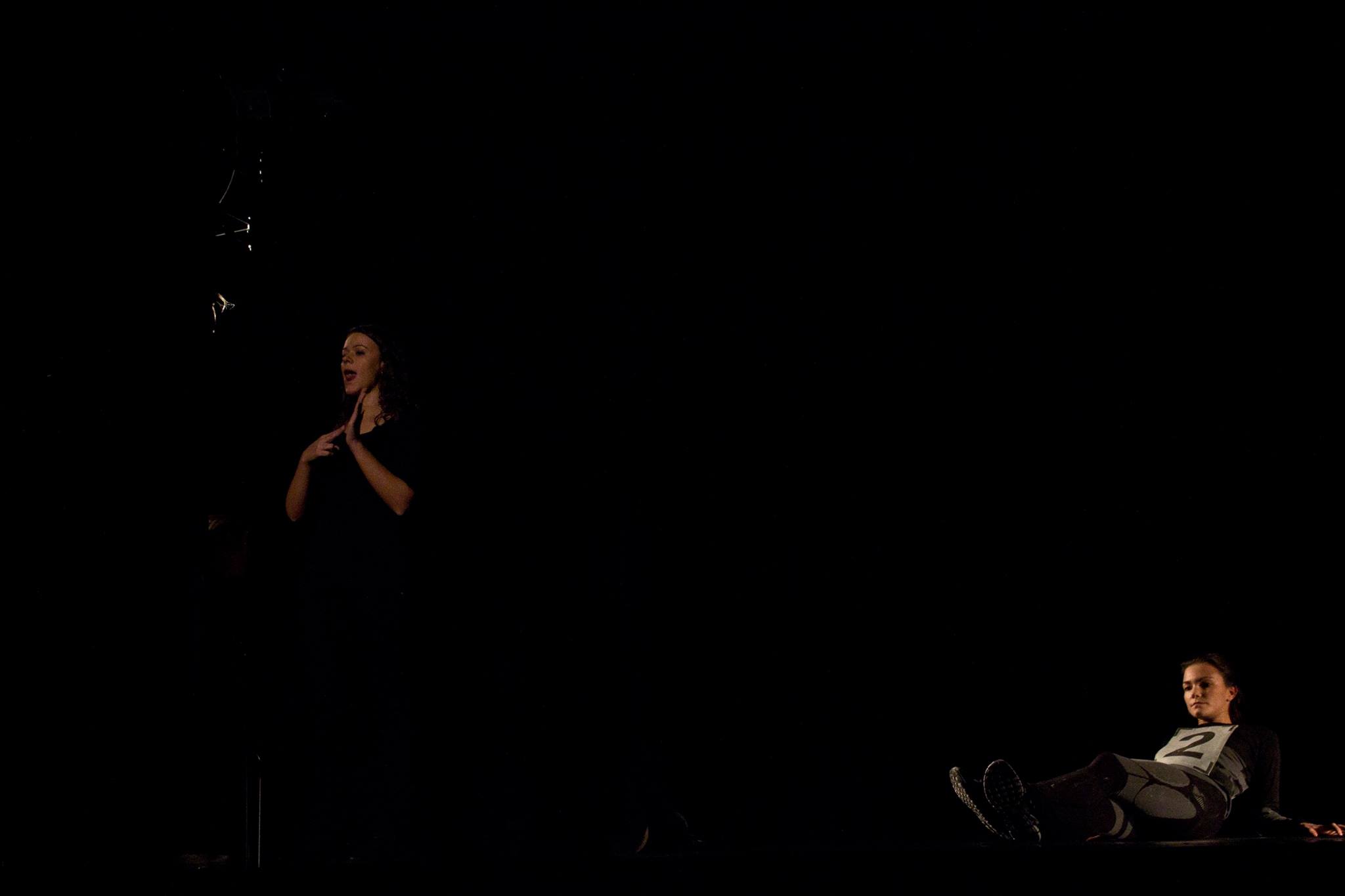
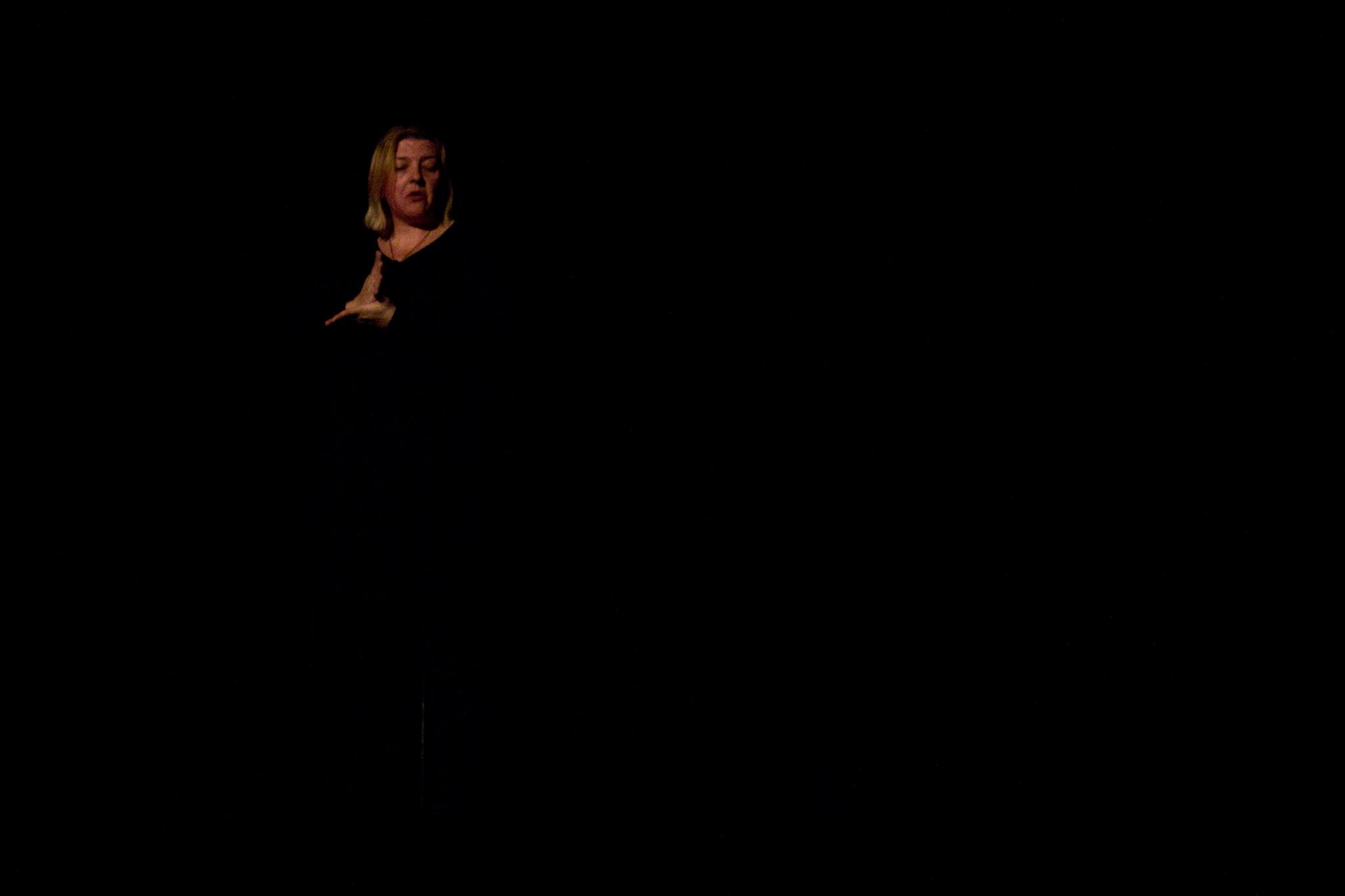
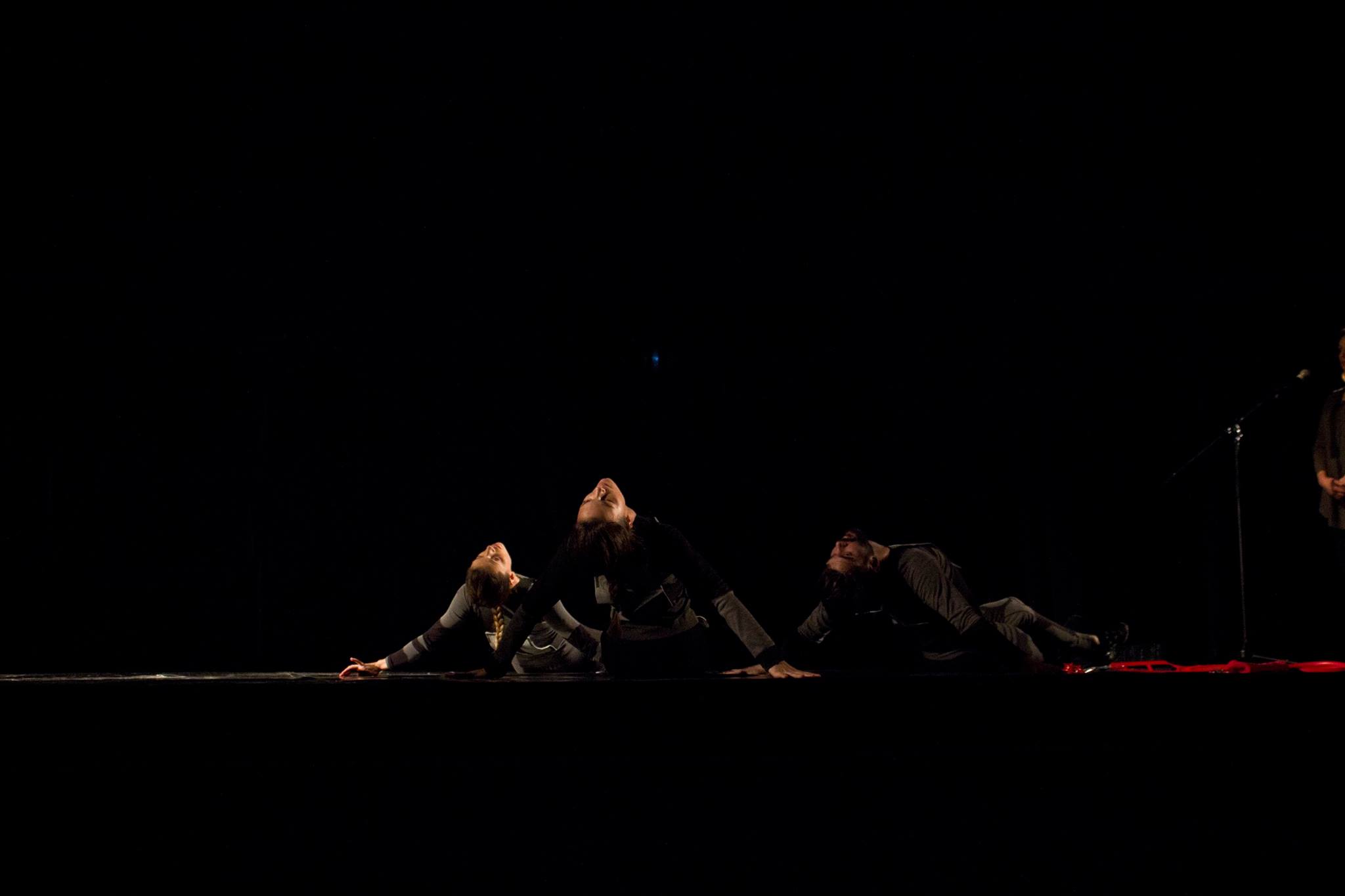
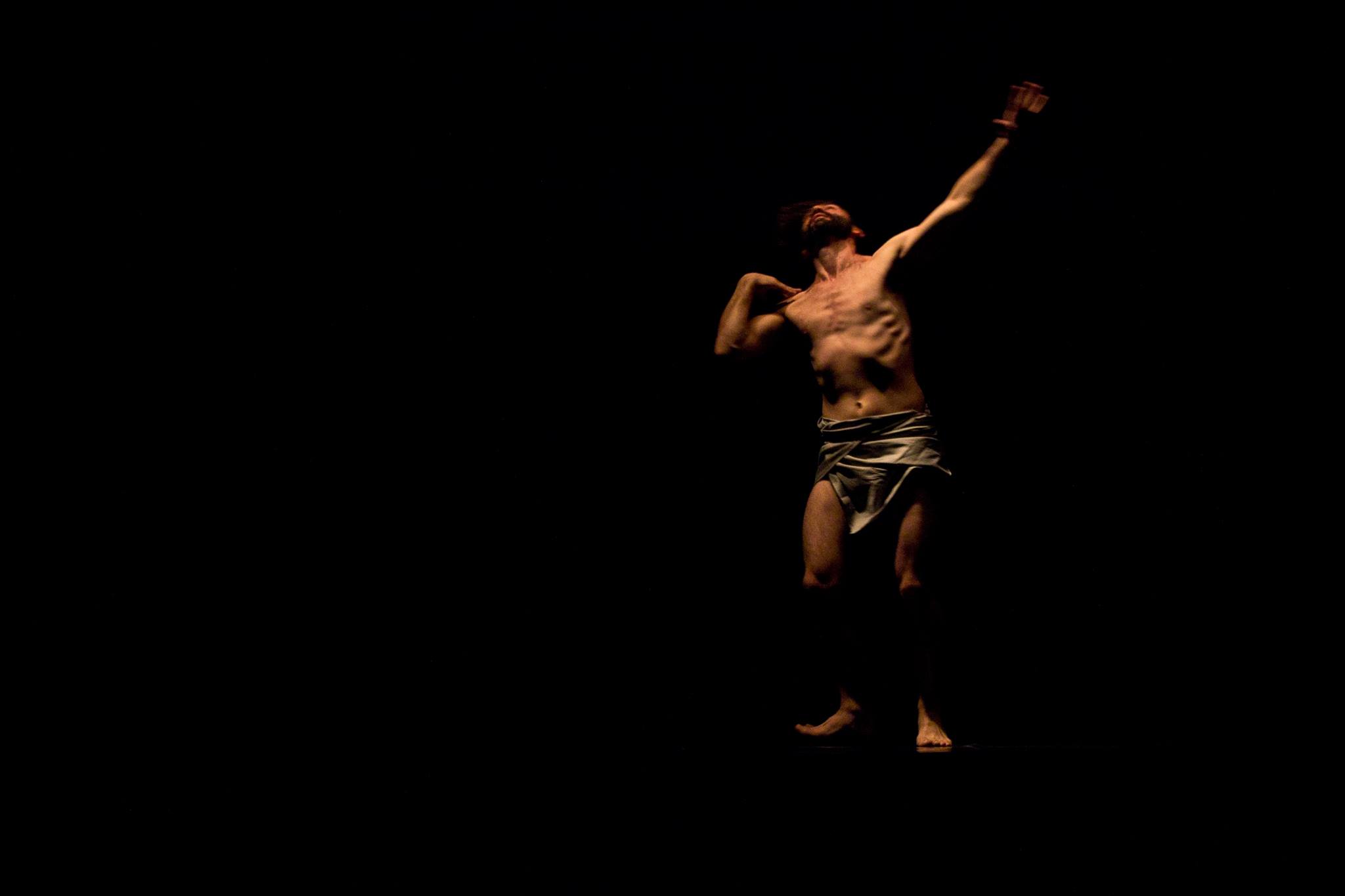
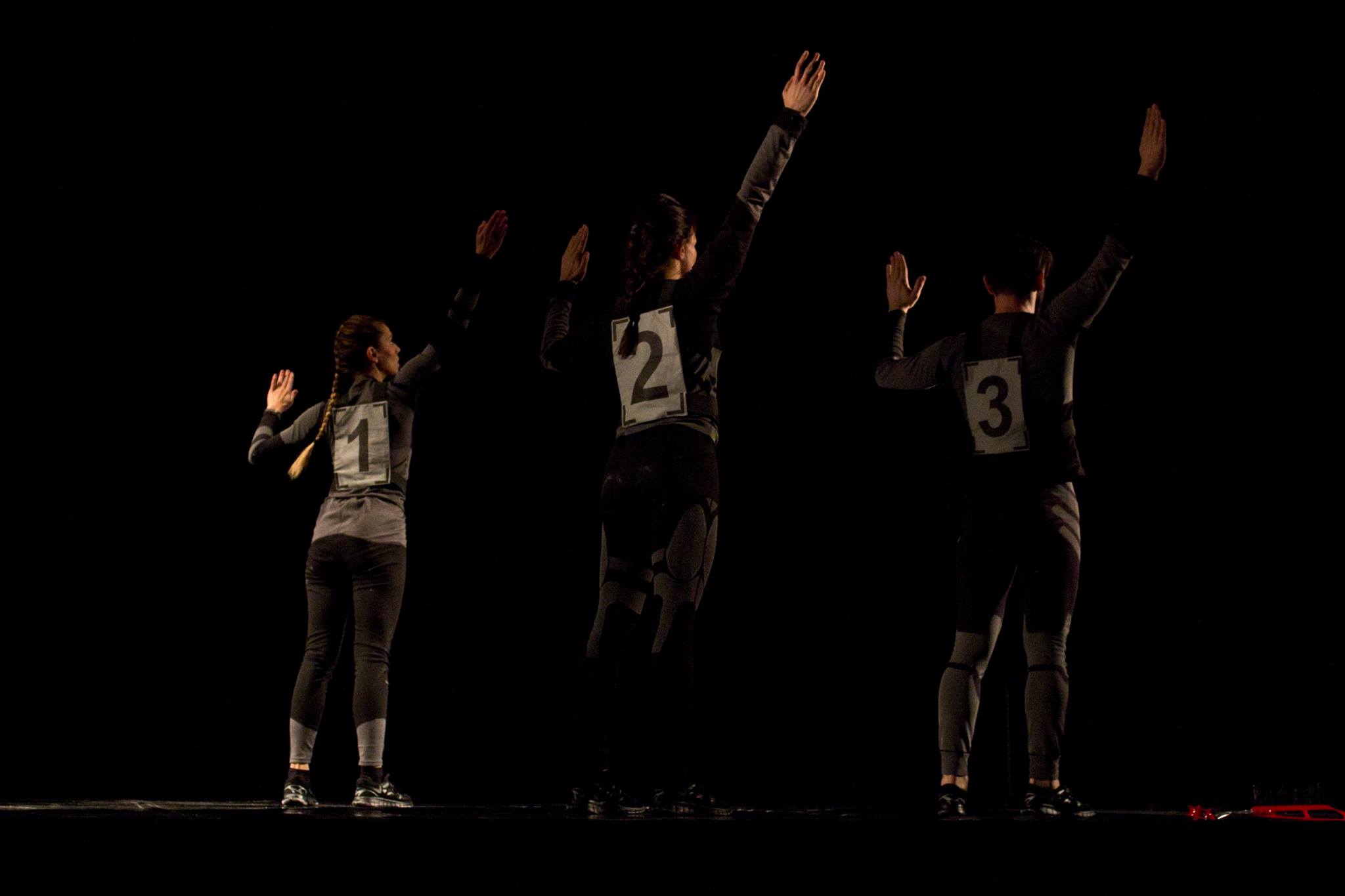
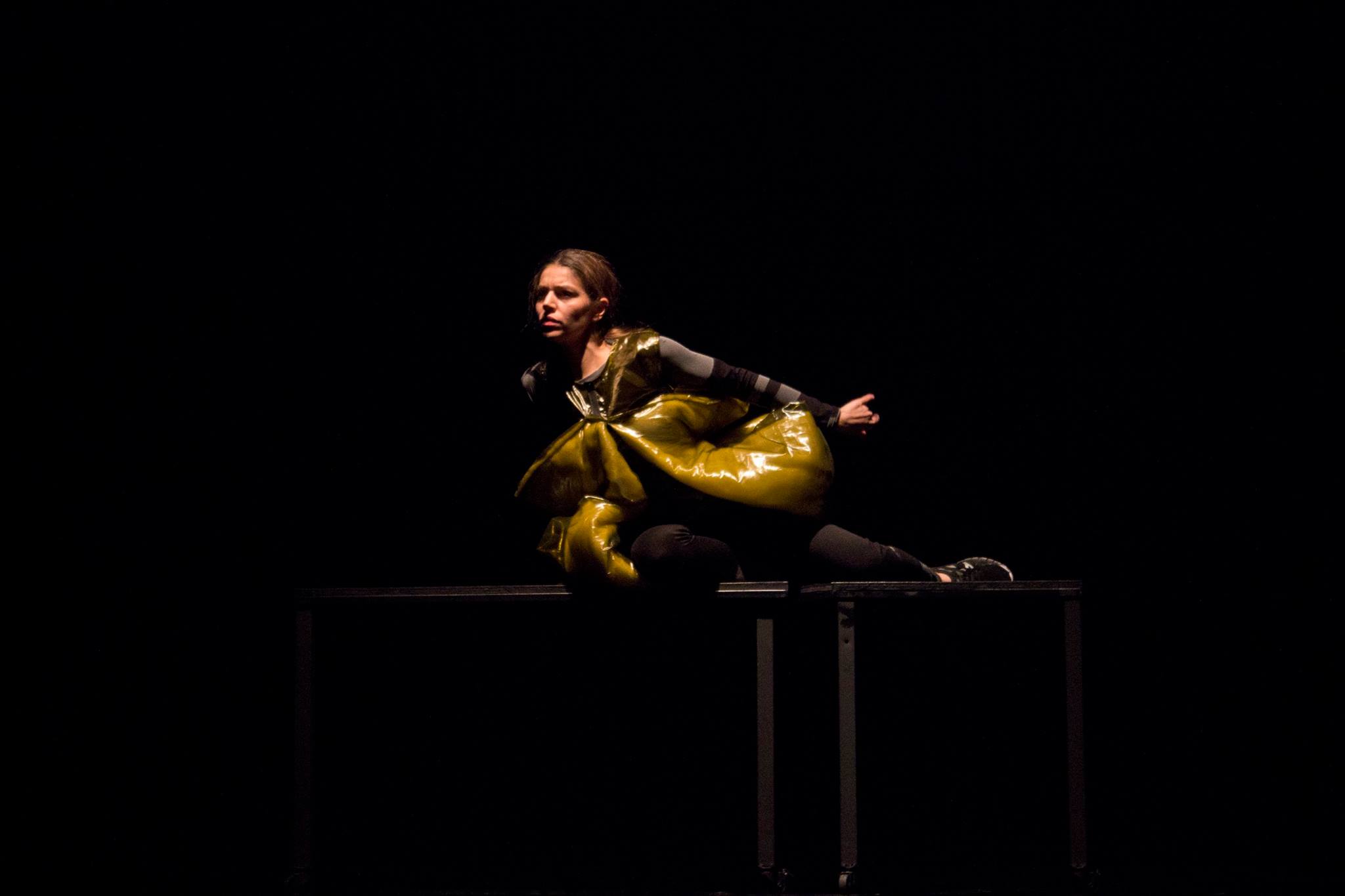
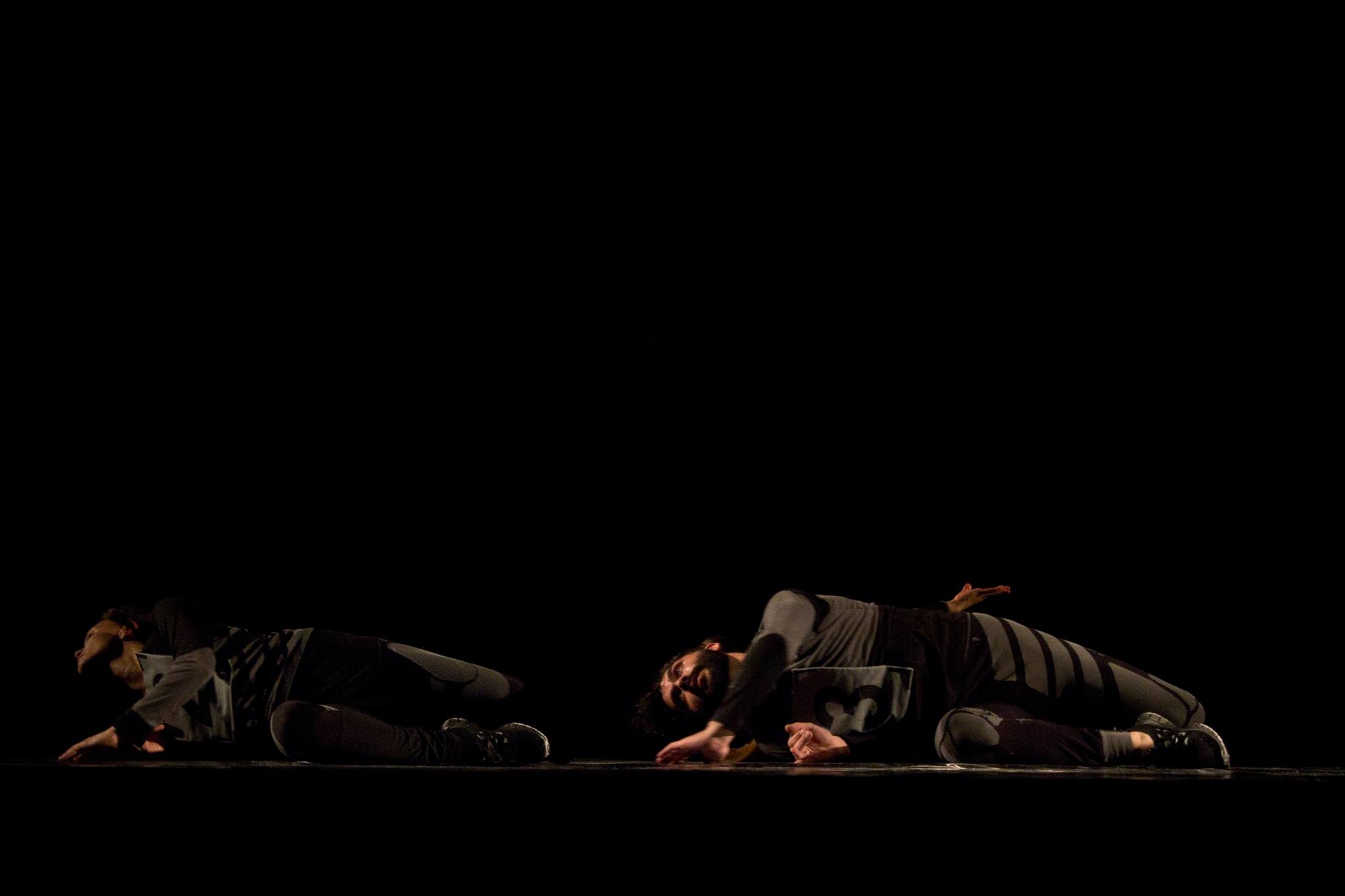
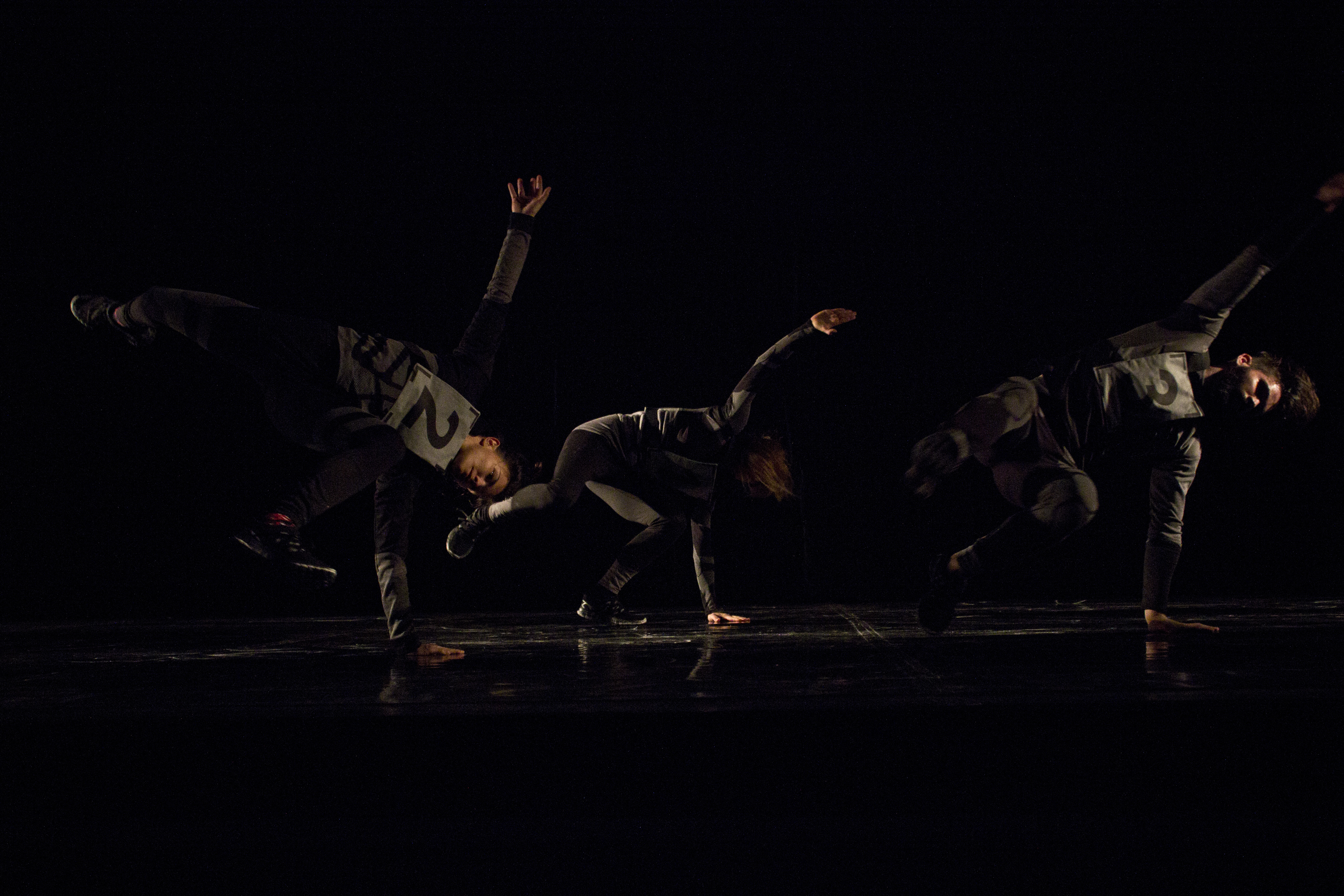
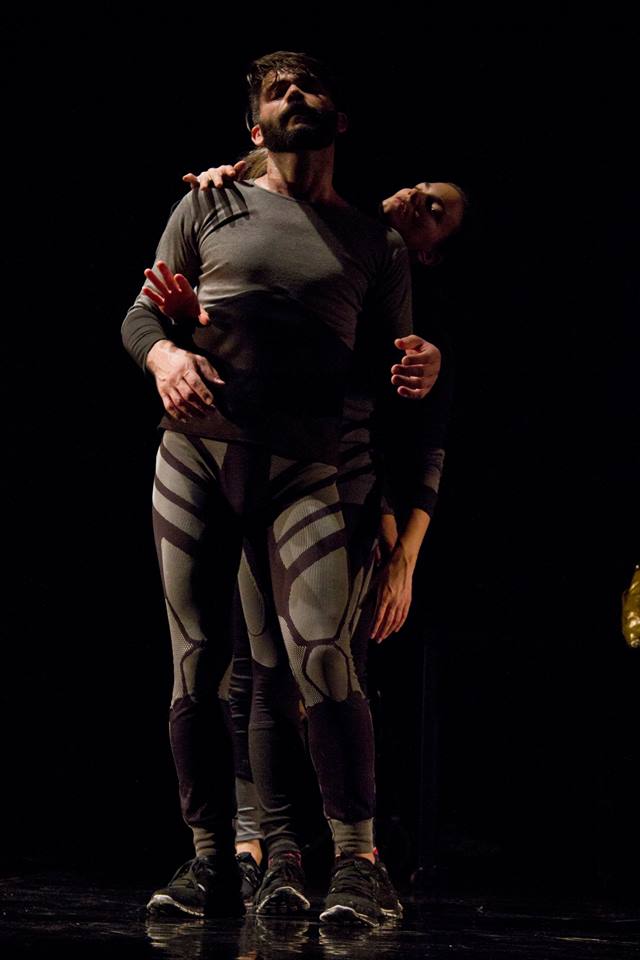
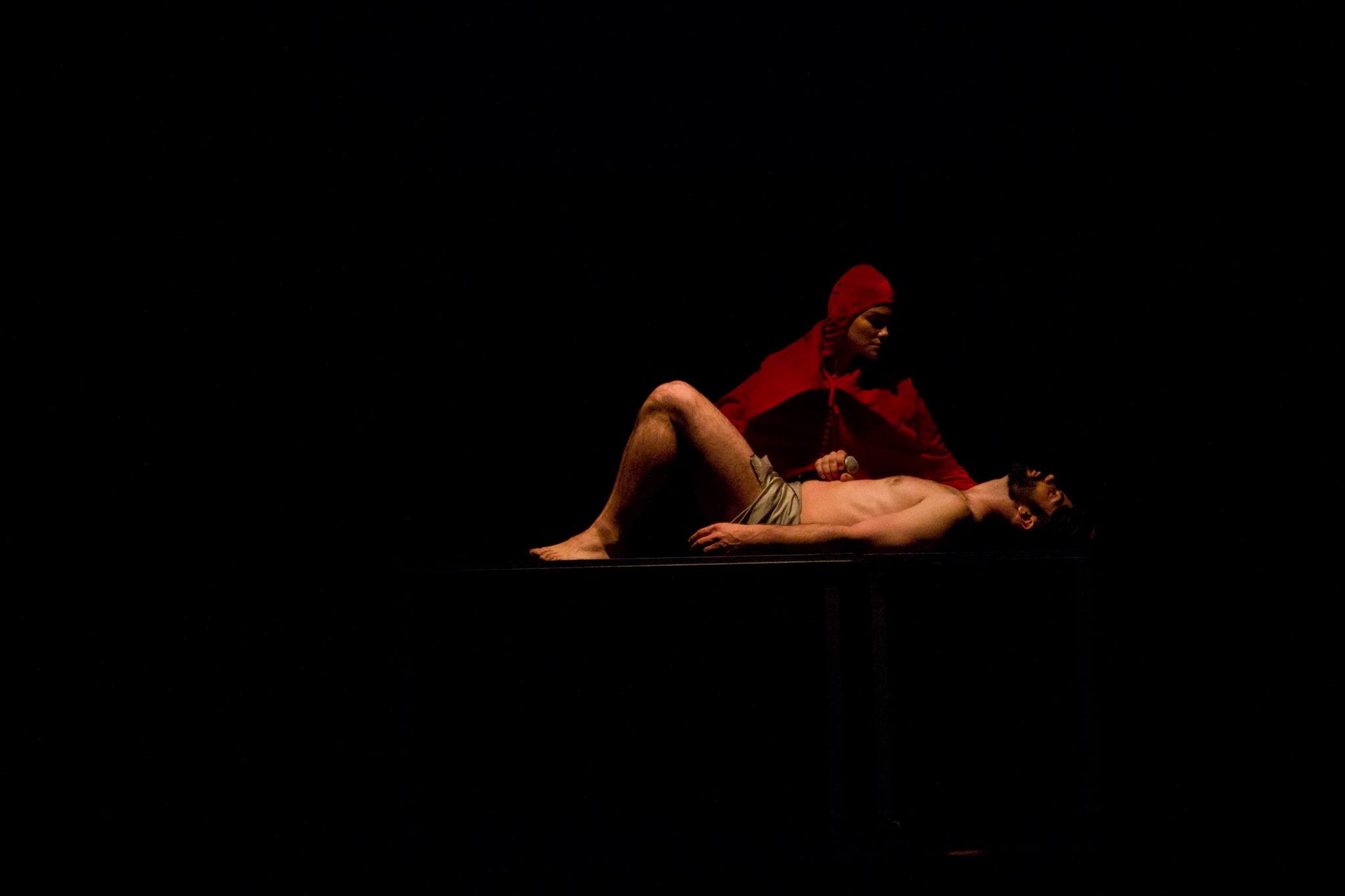
Such a state of affairs is partially related to what the play deals with, which is the question of the whole and the existence of implicit matrices (images) of the body. We start from Hegel's postulate that what is whole, complete, is true. If something is whole, then it has no shortage, therefore it does not crave for anything. It strives for maintenance, not change. Body matrices are one of his basic tools. If a certain body does not fit into the "standard" matrix (image) of the body, it is declared "inadequate". The matrix of the body of a person with a disability seems to initially imply a lack of certain abilities, therefore those abilities are assigned to a specific person in advance. The play "Hegel and the Long List of Frauds" tries to deconstruct body matrices that are set as standard, i.e. by including performers (actors and dancers of contemporary dance) with and without disabilities, as well as by its meaning (content), that is, it proposes that every "possible body" becomes the standard. Then it wouldn't be strange if wheelchair users, blind or deaf people, knocked on the door of some dance academy or drama academy, because then their bodies wouldn't be written off as "unacceptable".
EN
Title:Hegel and the long list of frauds
Date of Premiere: 2015
Production:
Lets...
creator:
Marko Pejović
text:
Marko Pejović
choreographer:
Boris Čakširan
costume designer:
Boris Čakširan
set designer:
Boris Čakširan
dancer:
Jovana Rakić Kiselčić
dancer:
Jana Milenković
dancer:
Stojan Simić
dancer:
Nenad Galić
dance pedagogue:
Jovana Rakić Kiselčić
theatre pedagogue:
Jelena Stojiljković
sound:
BCH
lector:
Milica Ponjavić
costume making :
Vesna Balać, Biljana Bukorović, Bojana Bukorović
technician:
Jugoslav Hadžić
sign language interpretators :
Vera Jovanović, Ivana Bućko, Desanka Žižić, Marija Marković
Synopsis
Media
Hegel (parts 1, 2, 3) photos / Maja Ven / 35 items
Hegel parts 4 & 5 / 2 items
Media Files