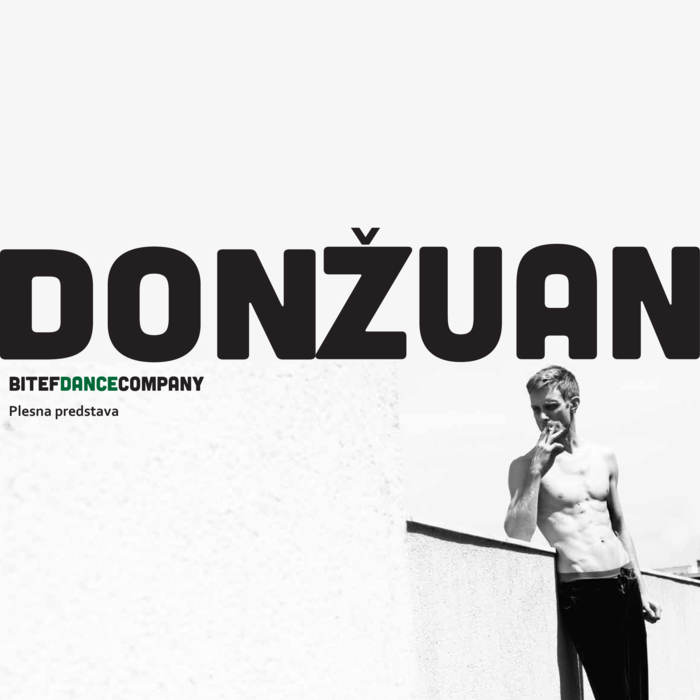
Artwork

Maša Kolar: Don Juan (2014)

EN
RS
Person(s) / Collective: Maša Kolar
Title:Don Juan
Date of Premiere: 2014
Production: Bitef dance company

choreographer: Maša Kolar
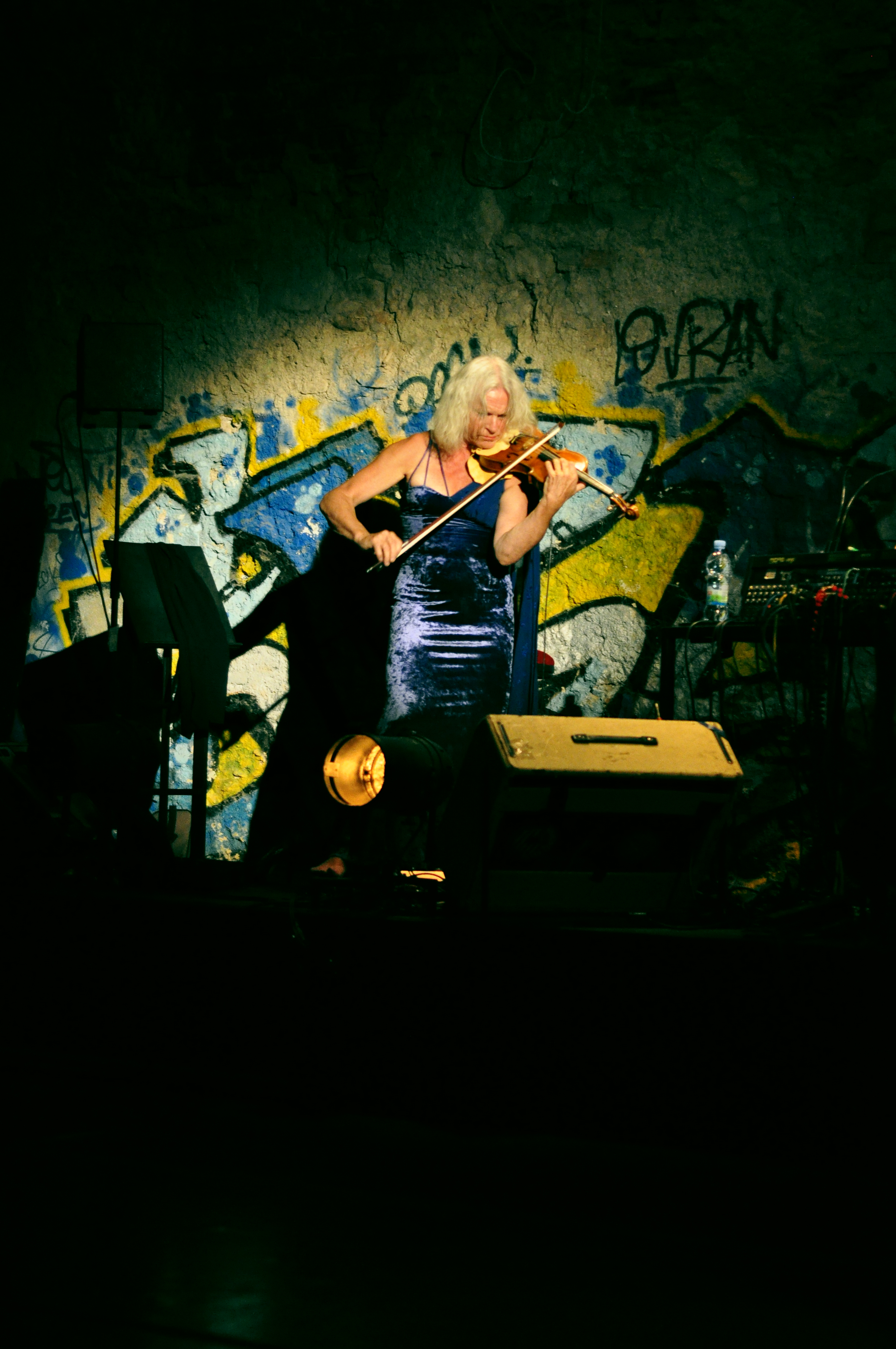
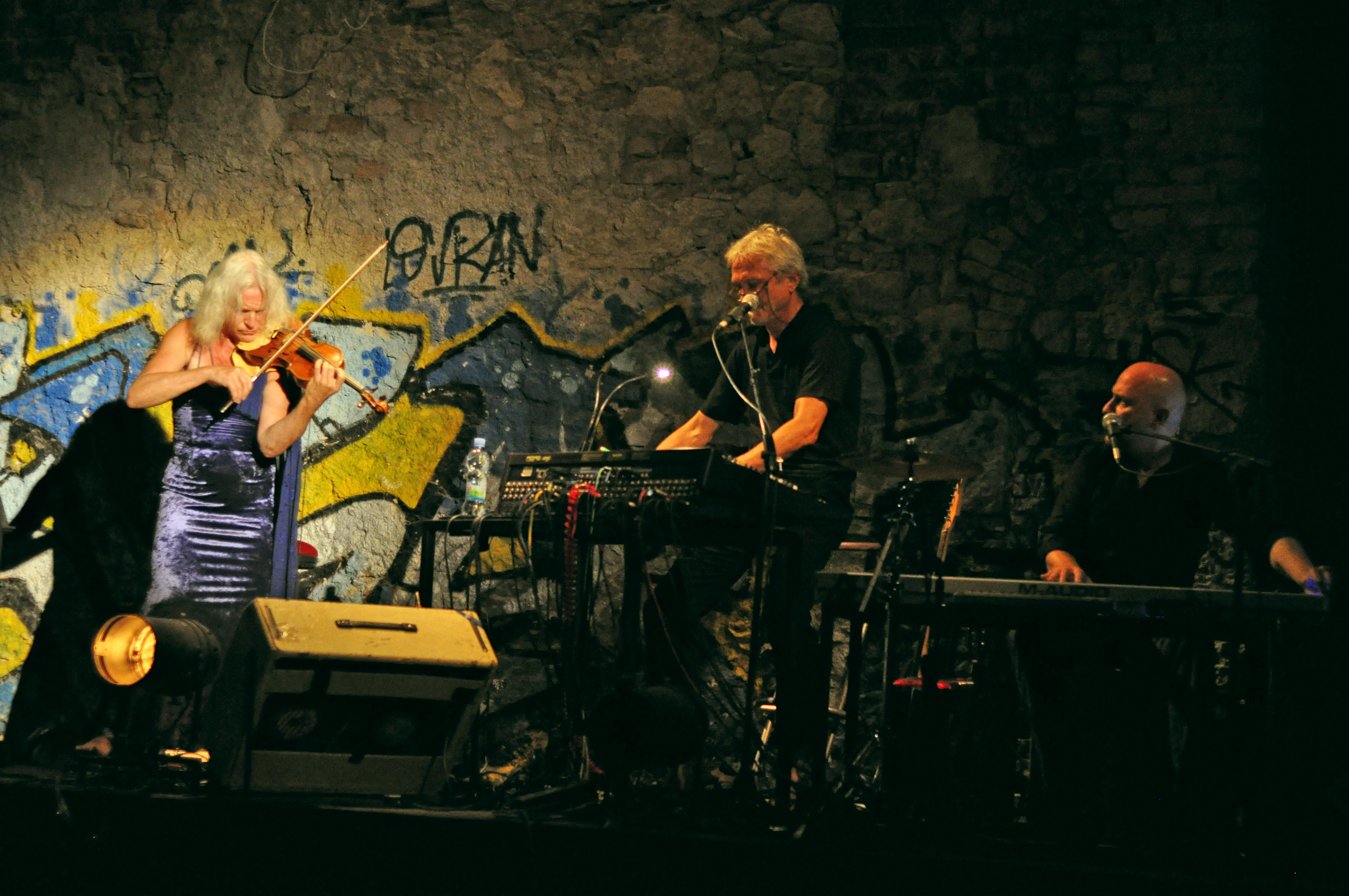
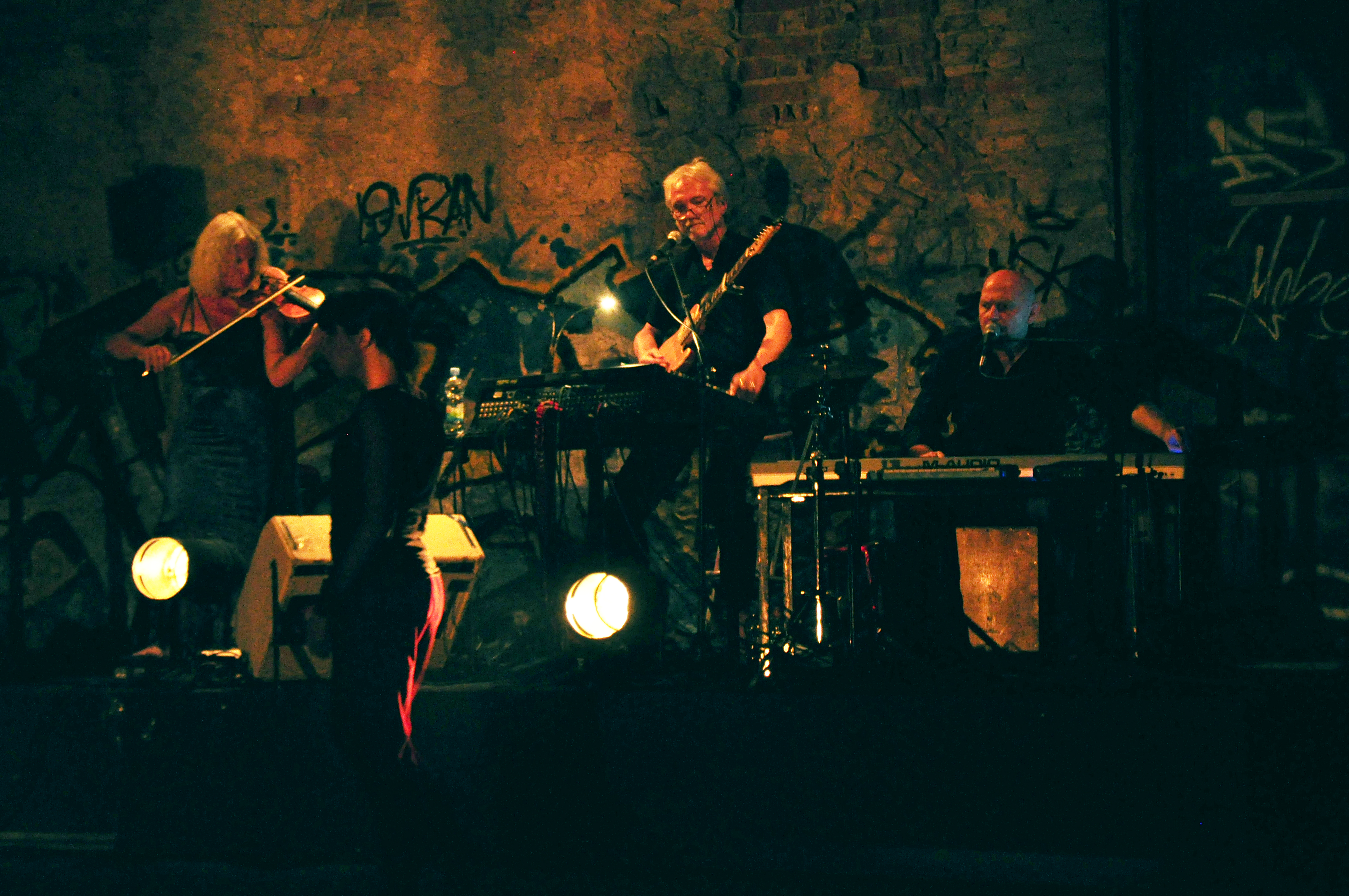
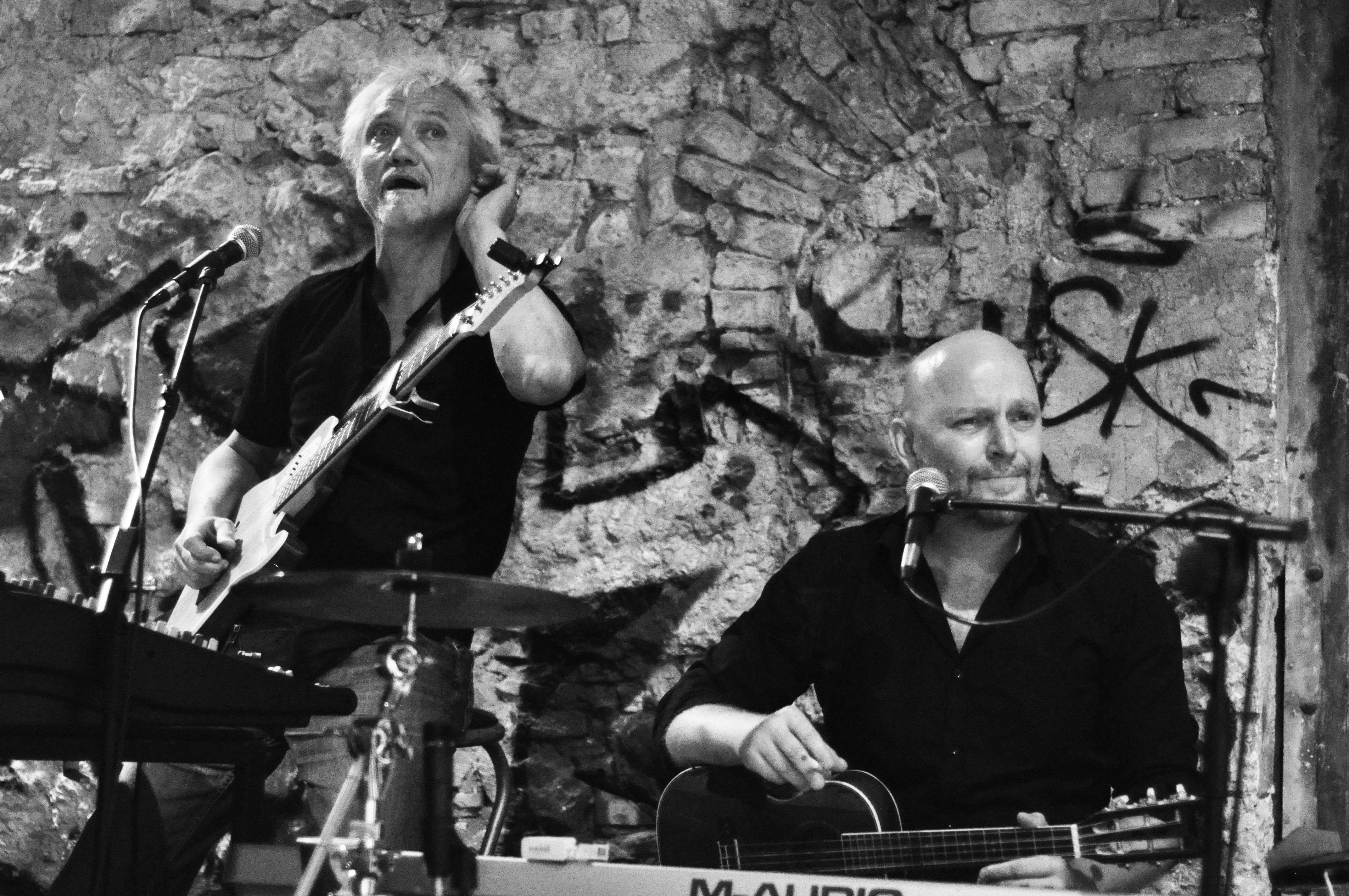
composer: Rundek Cargo Trio - Darko Rundek, Isabel, Dušan Vranić - Duco
lighting designer: Nuno Salsinja
set designer: Jasmina Holbus
costume designer: Petra Dančević
photographer: Jelena Janković
graphic design: Jelena Janković
executive producer: Anđelka Janković
public relations: Slavica Hinić
organizer: Tamara Pović
technical director: Ljubomir Radivojević
light: Dragan Đurković, Igor Milenković, Milan Neić
sound: Miroljub Vladić, NIkola Marjanović
dancer: Dejan Kolarov
dancer: Ivana Savić-Jacić
dancer: Rikardo Horhe Kampos Freire

Synopsis

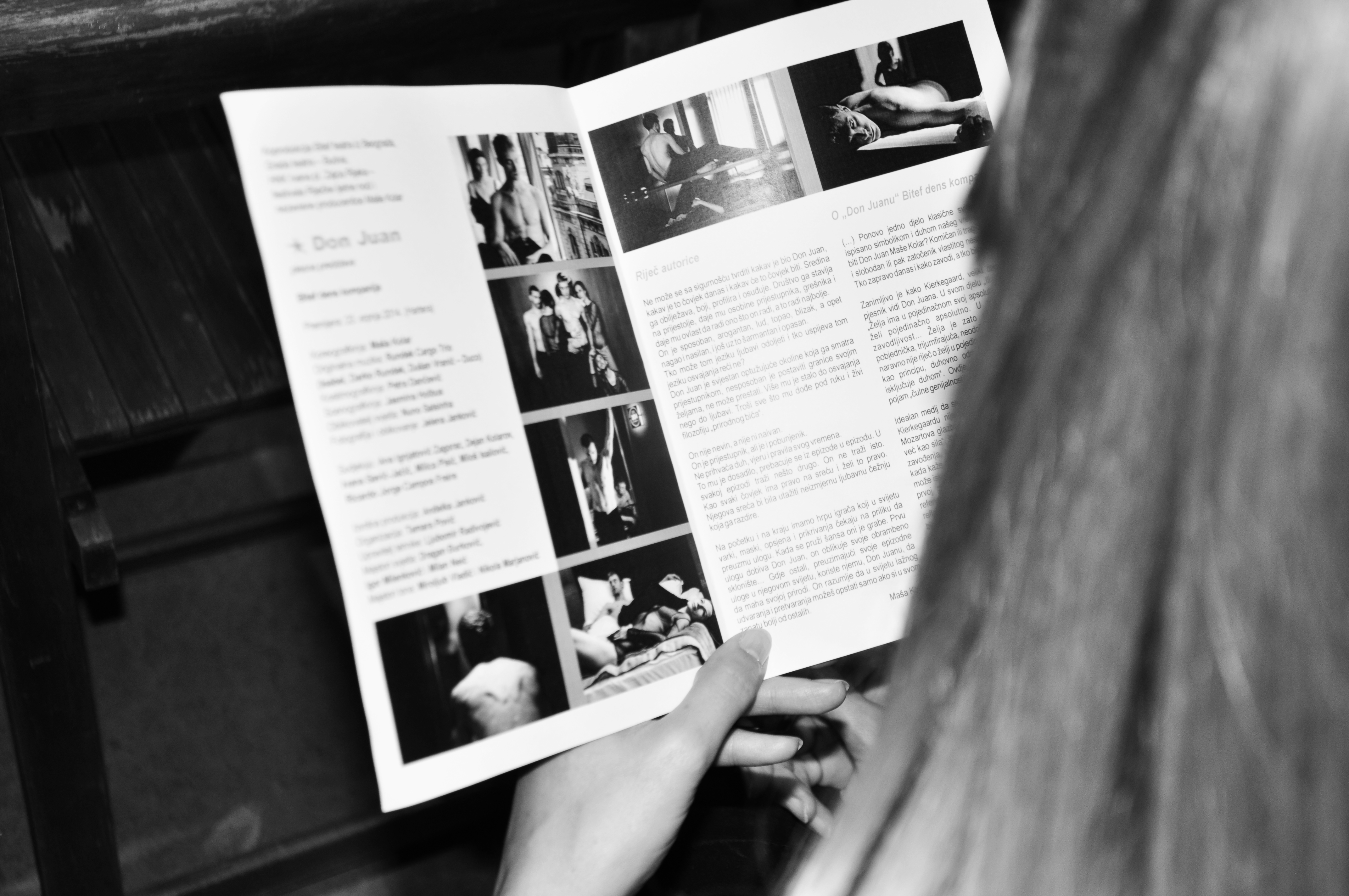
Bitef dance company started its very successful collaboration with choreographer Maša Kolar by working on the Othello project in 2010, a dance performance co-authored with choreographer Zoran Marković. The company's players then came into contact with her exciting and imaginative dance style for the first time, which is based on the tradition of the great contemporary choreographers, Toss, Eco, Bigonzetti... After the success of the play Othello on the home stage of the Bitef Theater, but also on numerous stages in the region, it was the turn of the dance Don Juan. Another work of classic world literature, written with symbolism and the spirit of our time. What will Masha Kolar's Don Juan be like? Comical or tragic? Rebellious and free or a prisoner of your own unrestrained eros? Who actually seduces today and how, and who gets seduced? It is interesting how Kierkegaard, the great Danish philosopher and poet, sees Don Juan. In his work Either - or, he says: "Desire has its absolute object in the individual, it desires the individual absolutely. That is where the seduction is found... Desire is therefore absolutely true, victorious, triumphant, irresistible and demonic. Here, of course, we are talking about desire in the individual individual, but about desire as a principle, spiritually determined as that which is excluded by the spirit." Here Kierkegaard introduces the interesting notion of "sensory genius". According to Kierkegaard, the ideal medium to present the idea of ​​Don Juan is not literature but music. More specifically, Mozart's music. Because: "music is not present as a personality but as a force", which leads us to the general level of the principle of passion and seduction, and further from the individual. But Kierjegaard is wrong when he says that: "What is essential in Don Juan cannot be expressed through ballet." In fact, since he lived in the first half of the nineteenth century, this philosopher refers to classical ballet, which can hardly reflect the generality and unrestrainedness of human eros. If he was familiar with the means of contemporary dance theater, he would probably agree that the "sensual genius" expressed through the principle of seduction can best be expressed through the endless bodily manifestations and visual phenomena of contemporary dance theater.

Jelena Kajgo
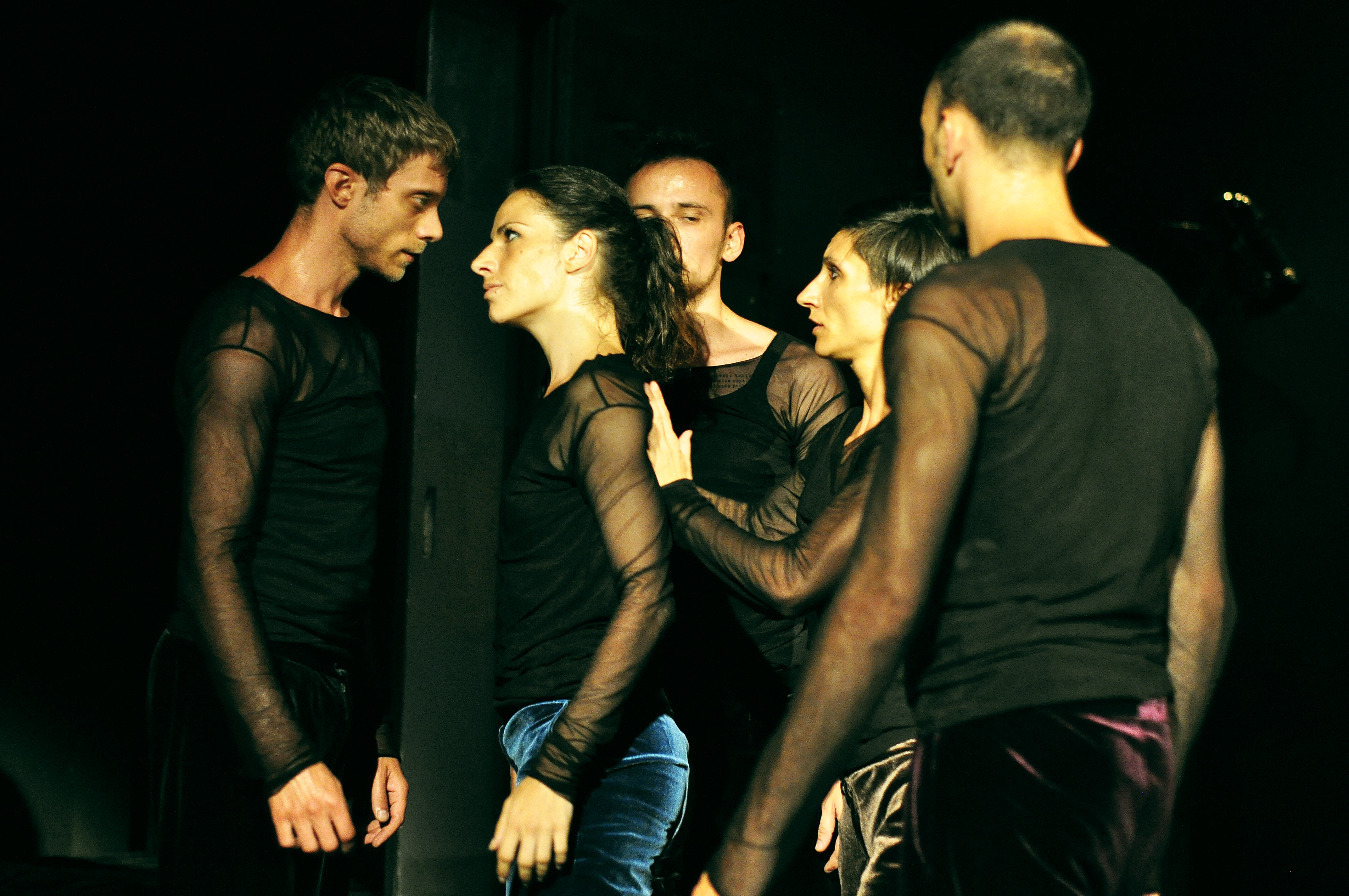
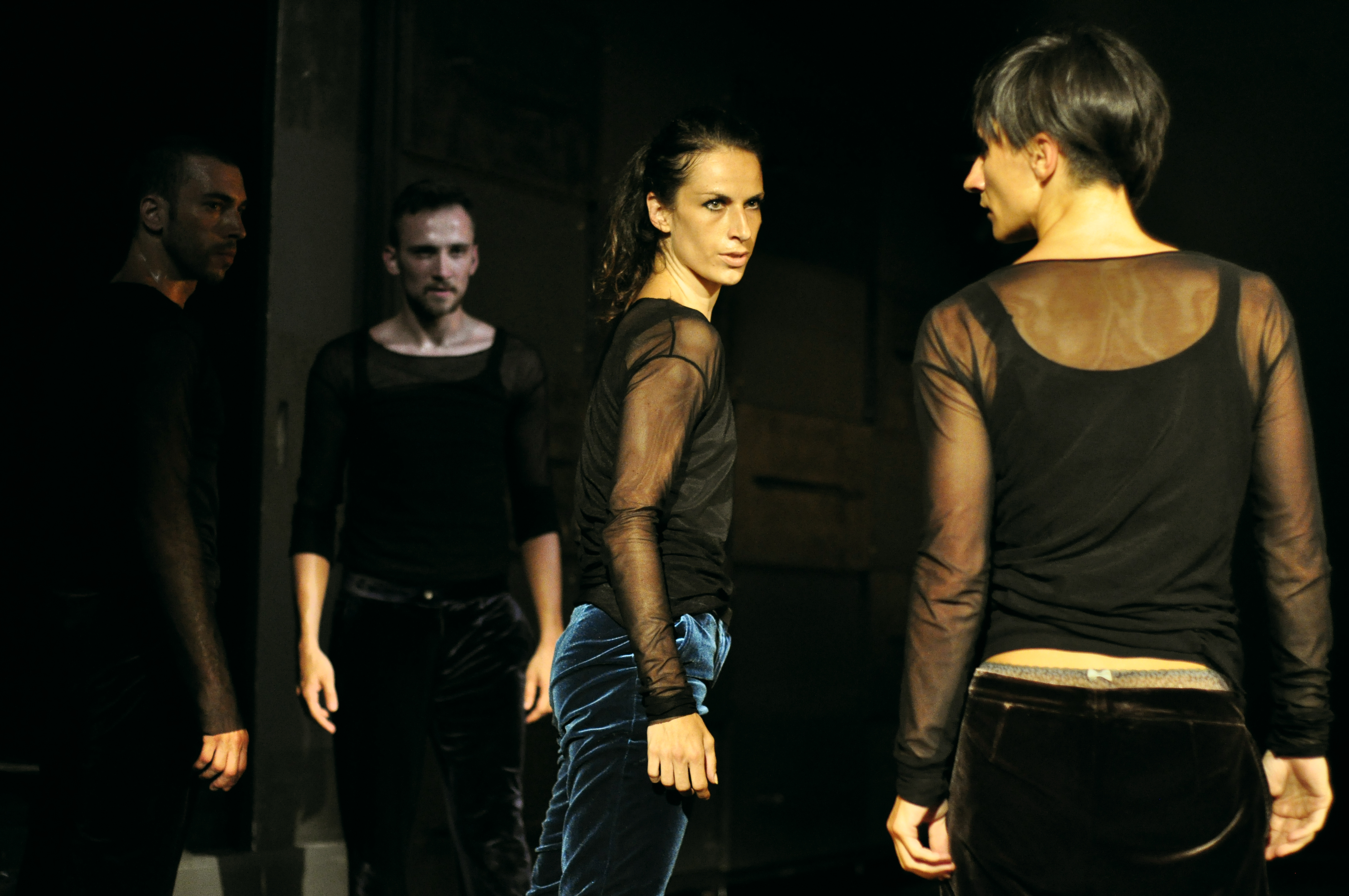
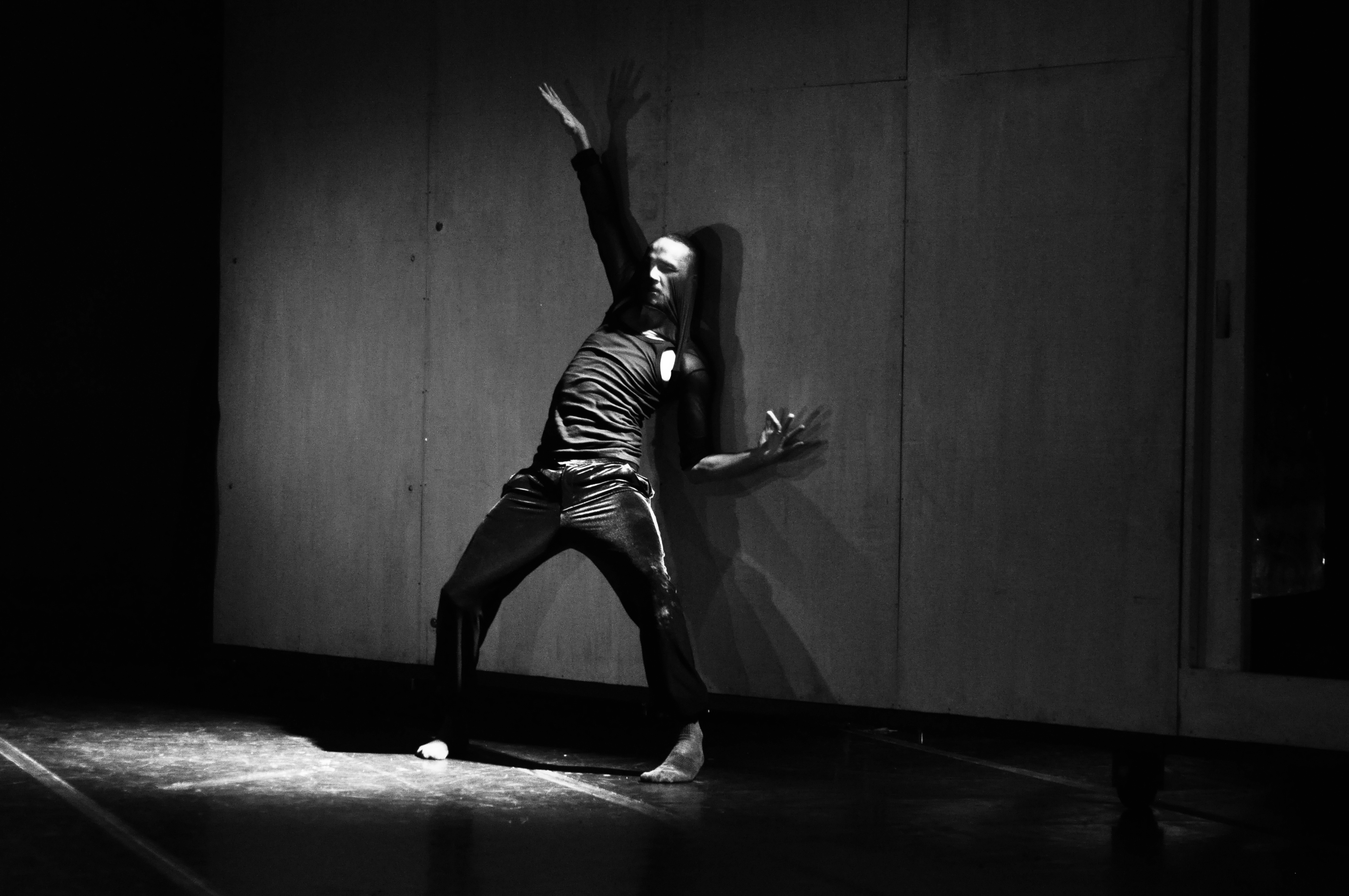
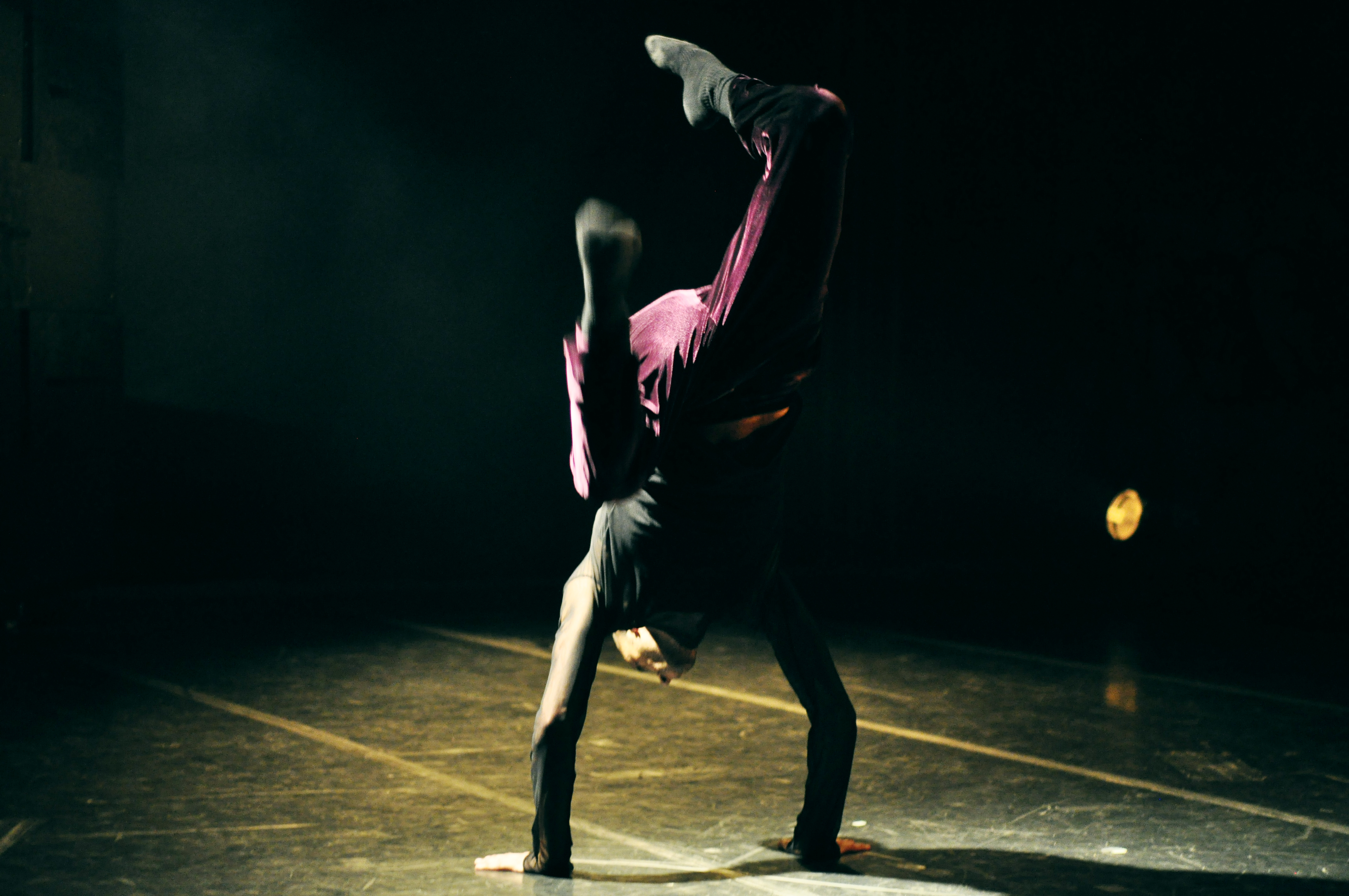
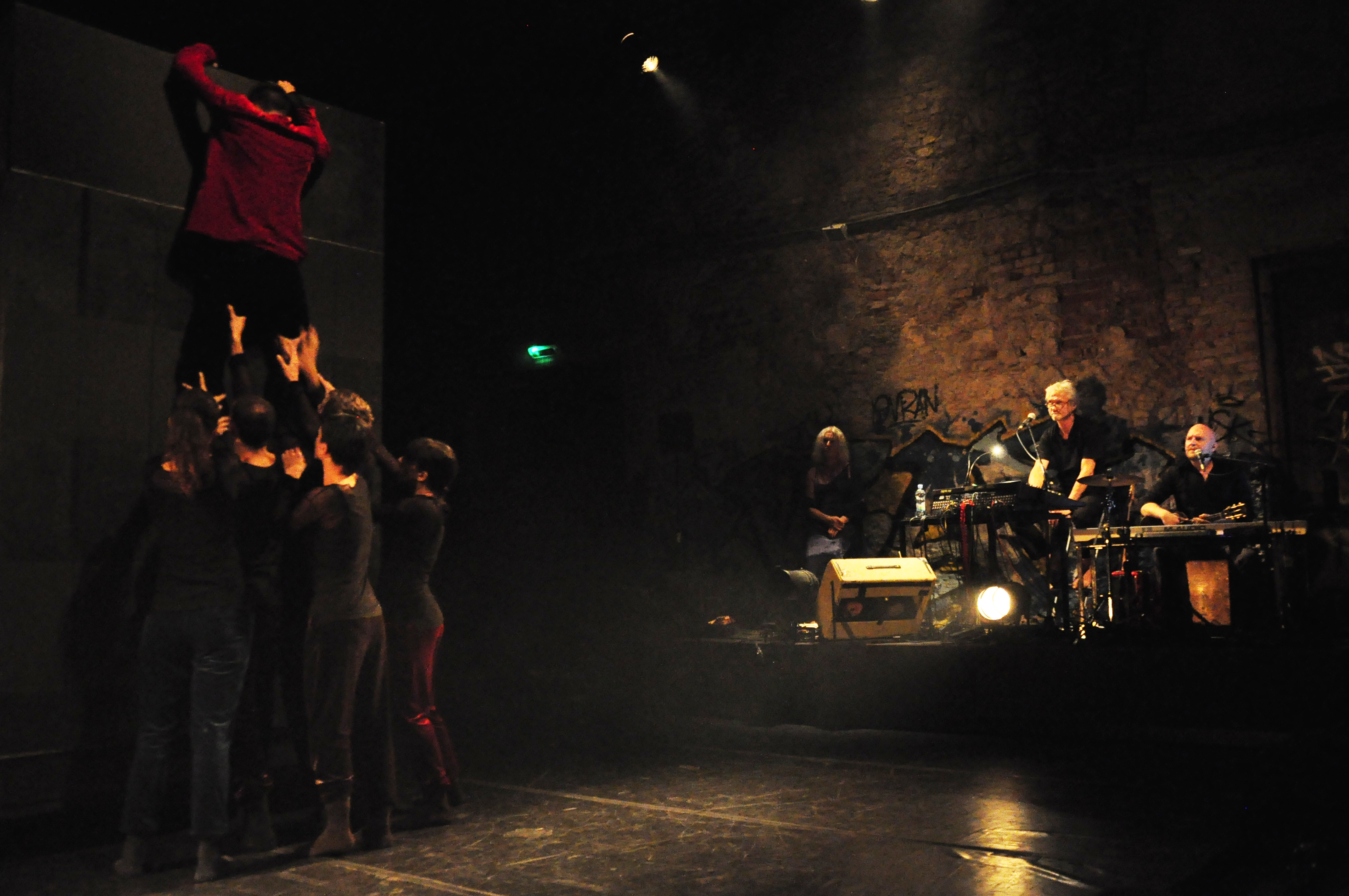
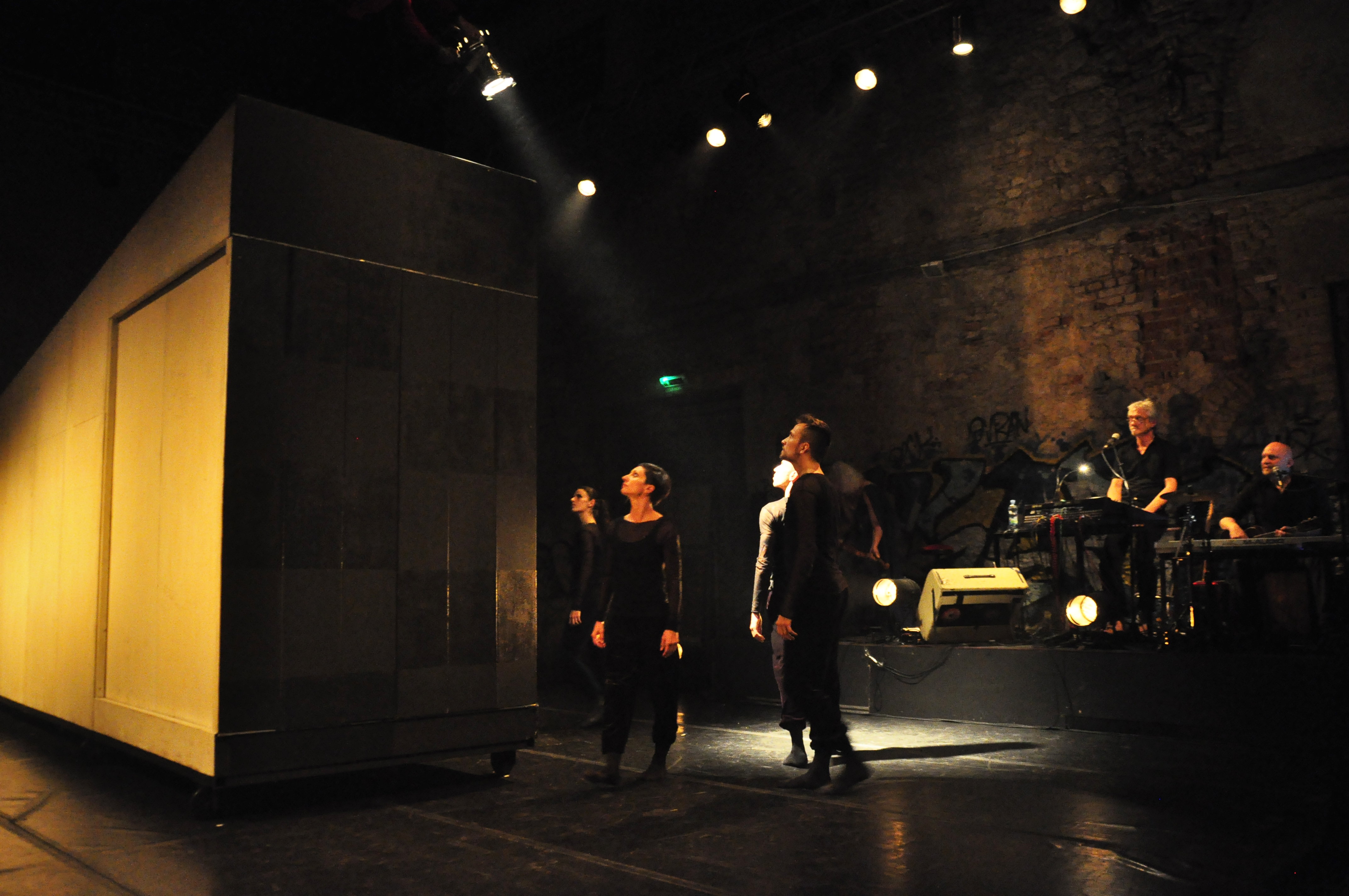
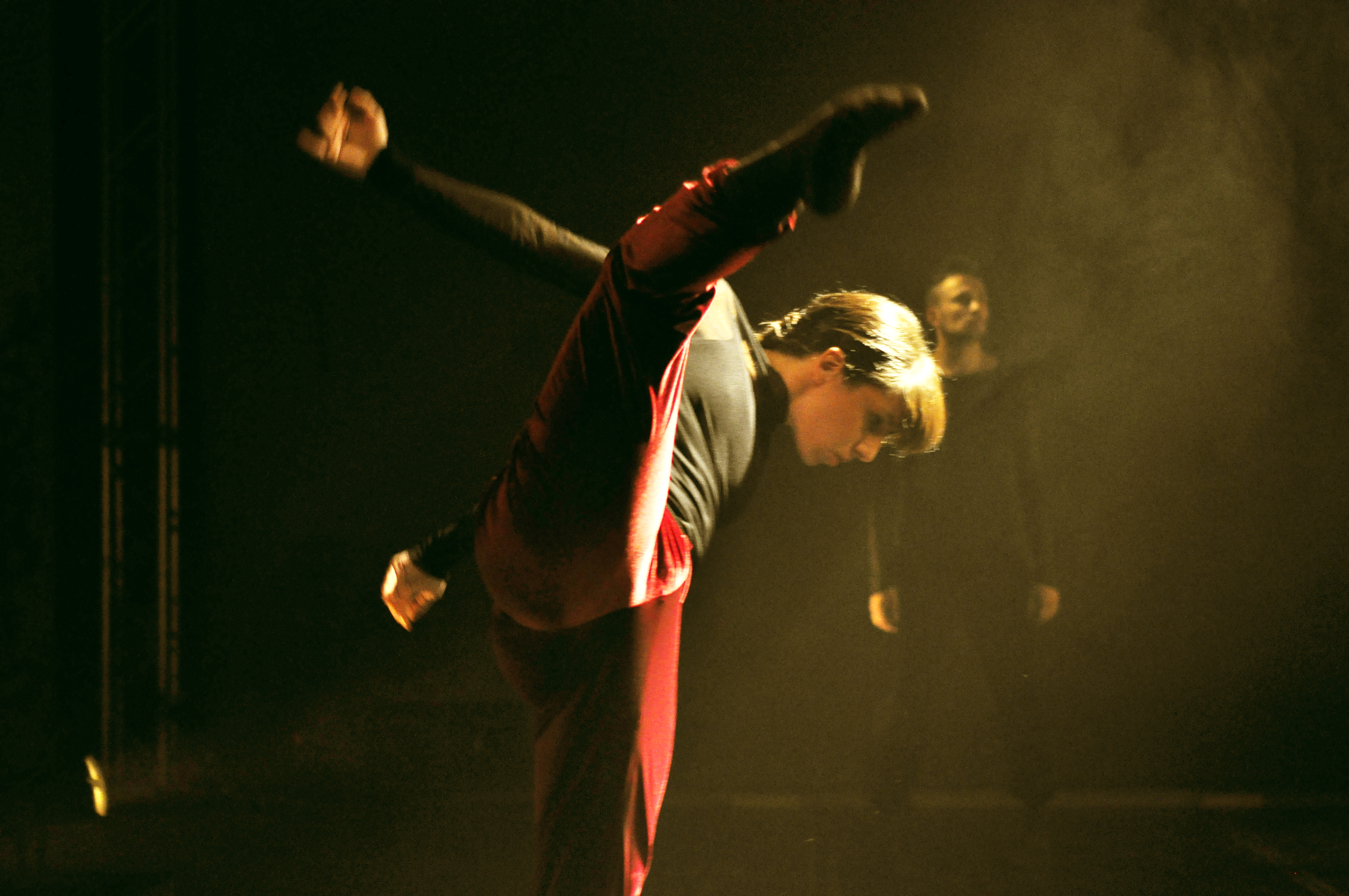
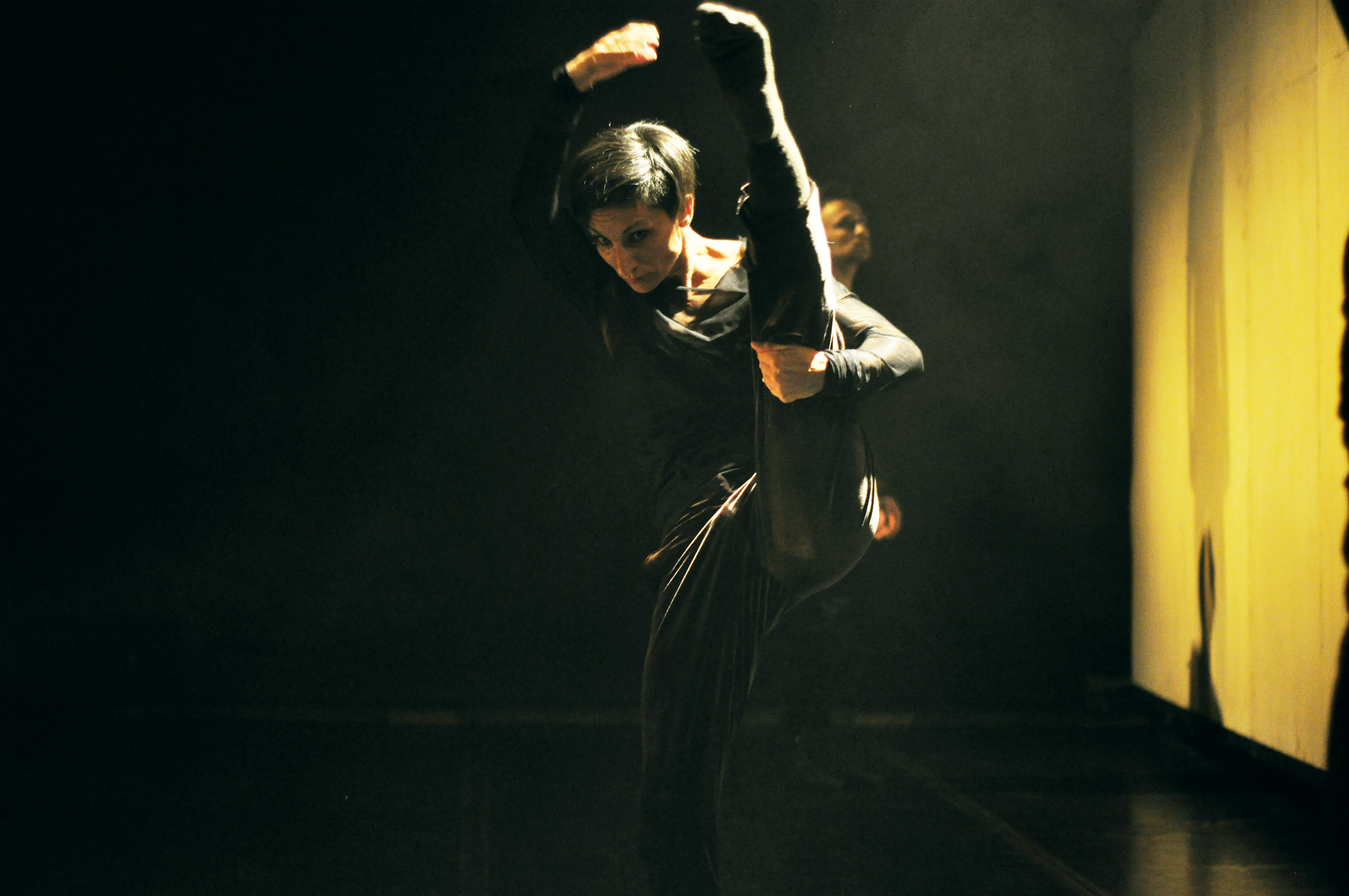
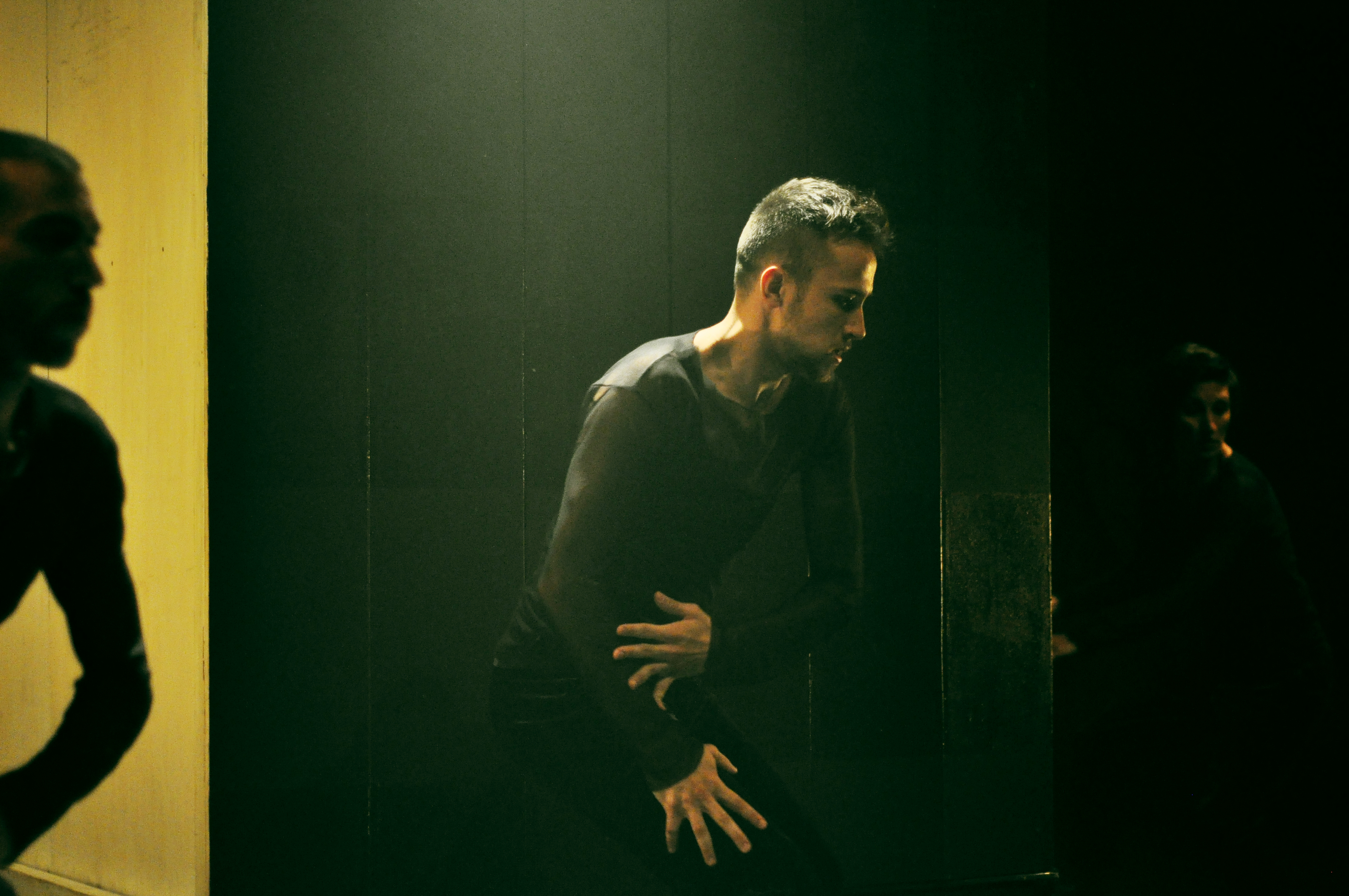
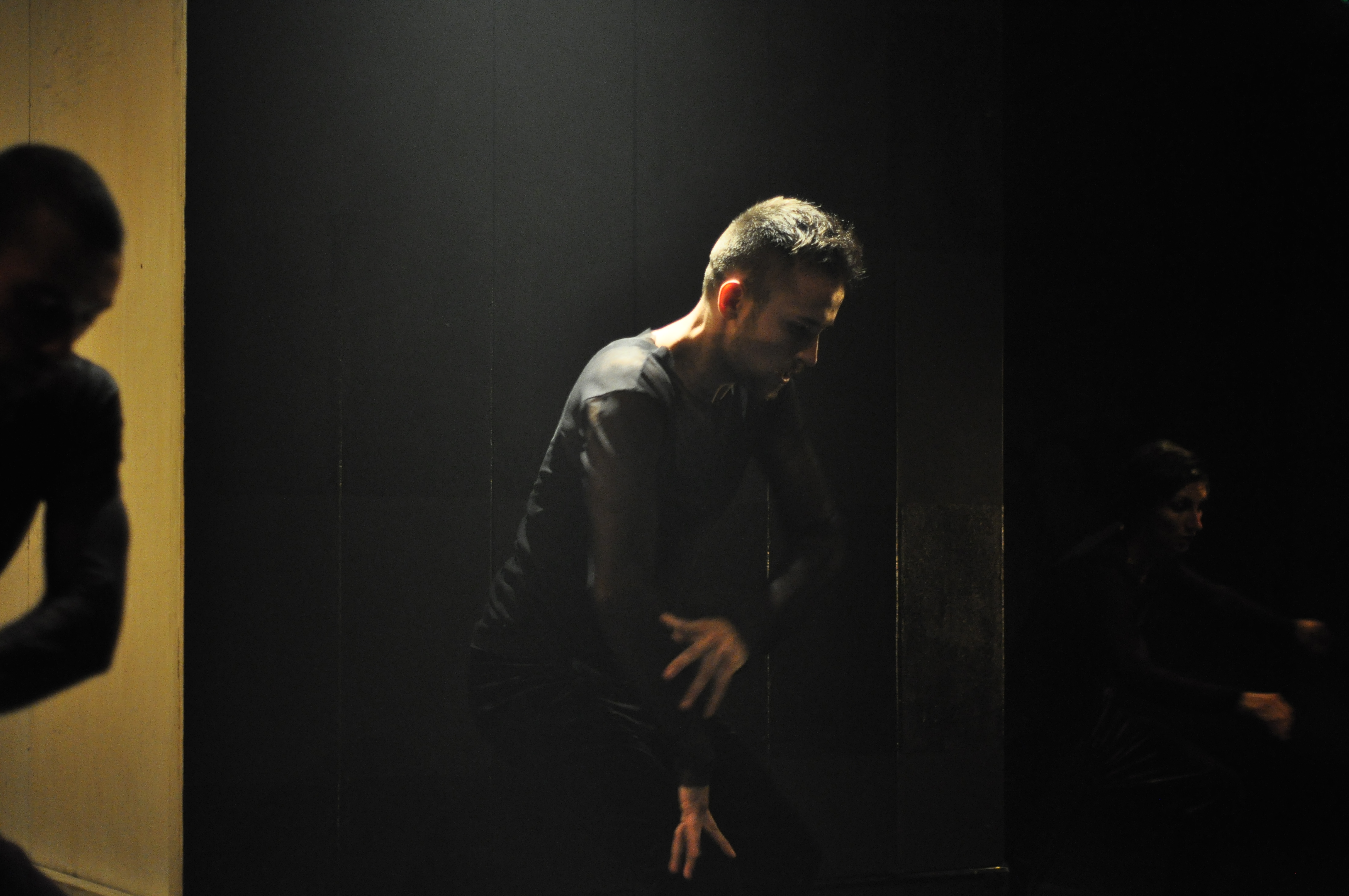
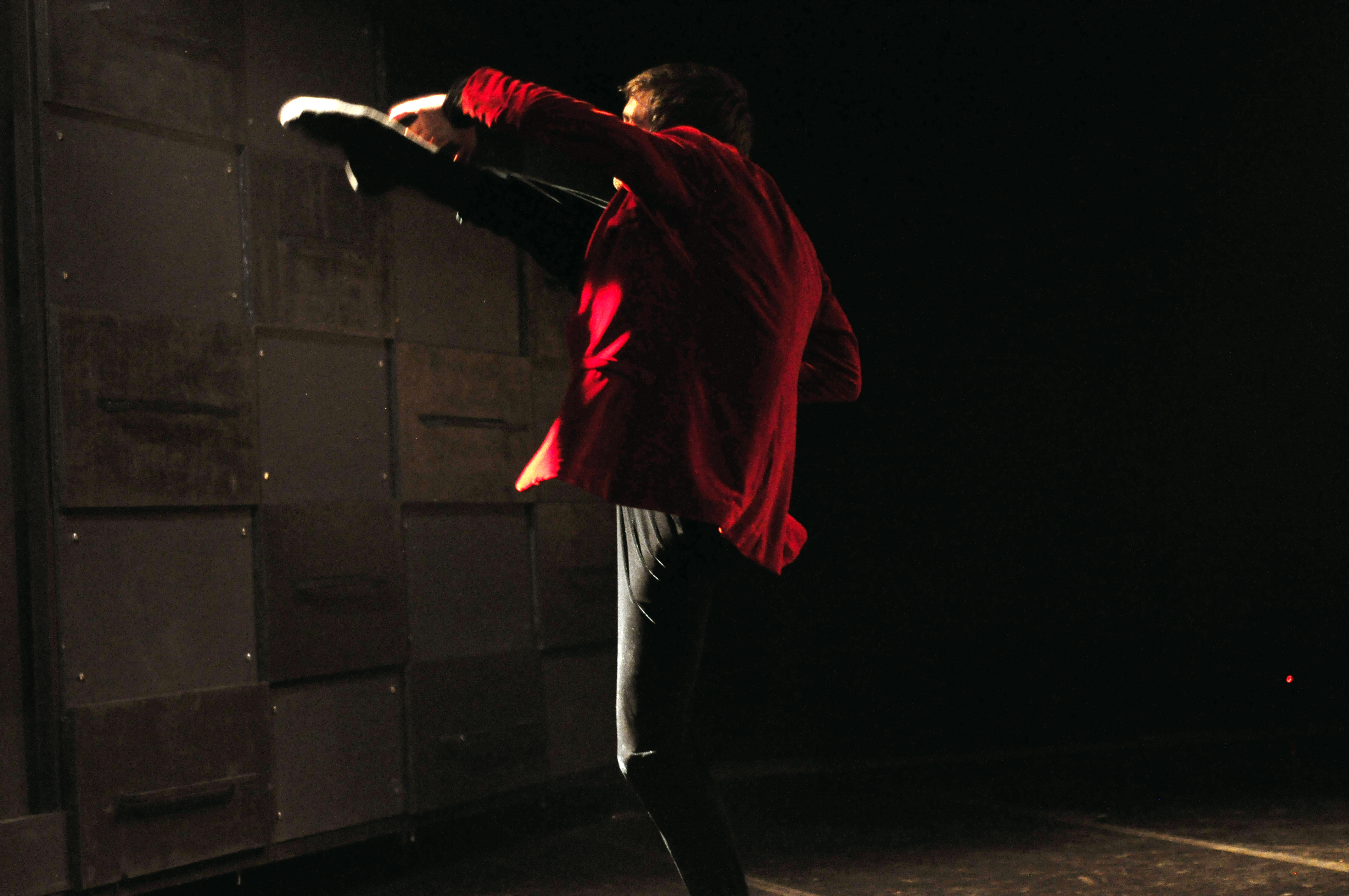
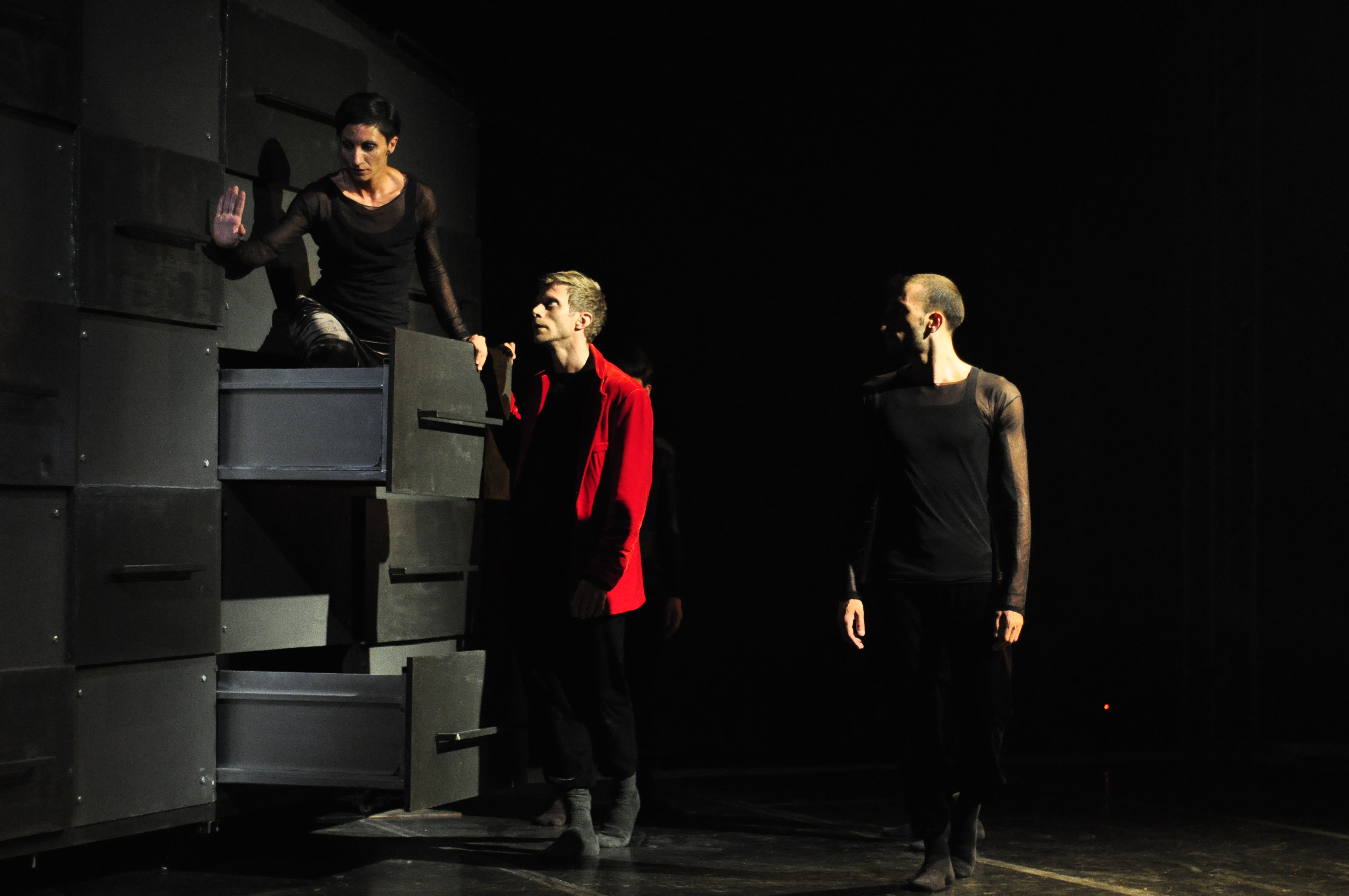
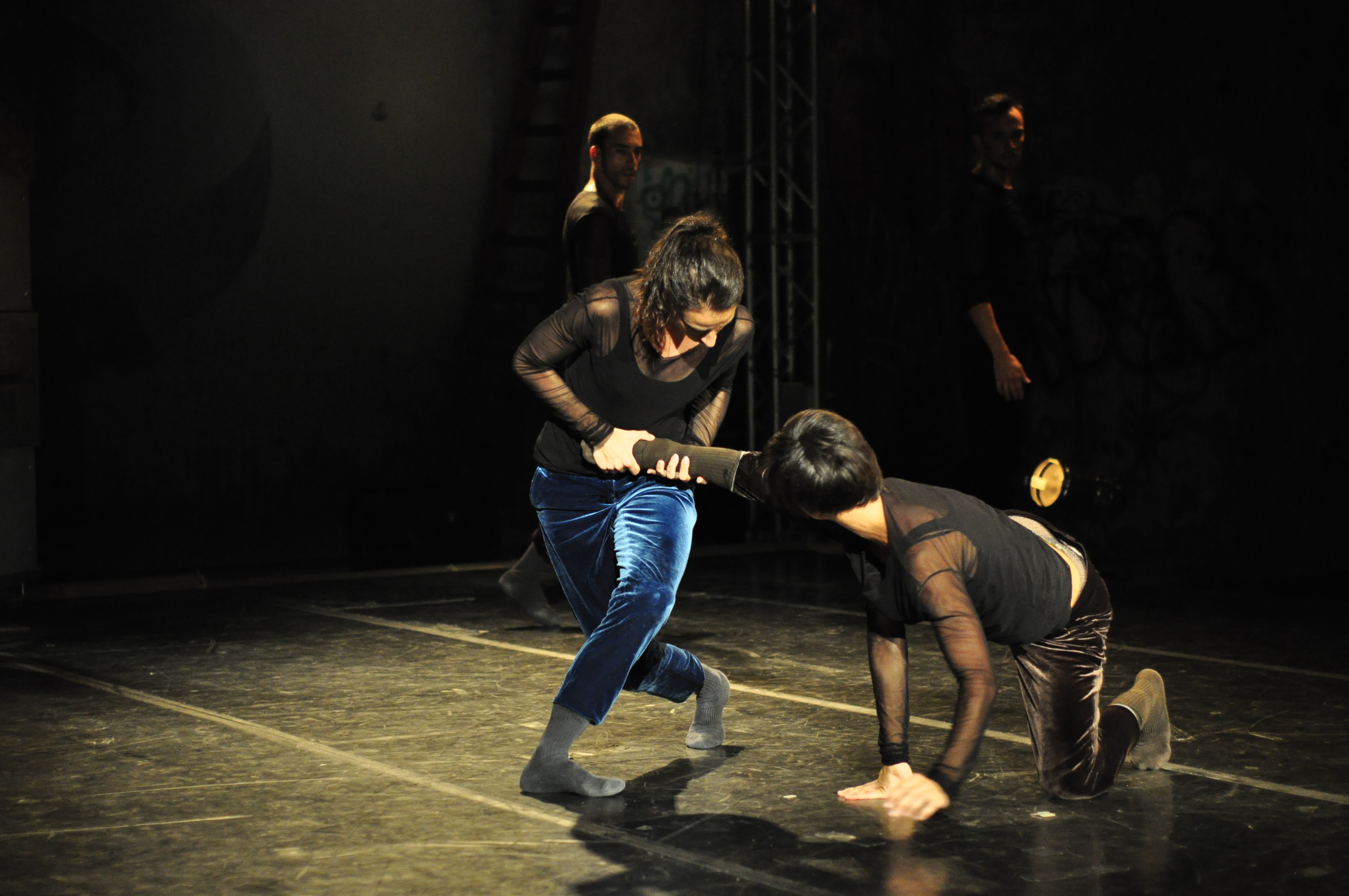
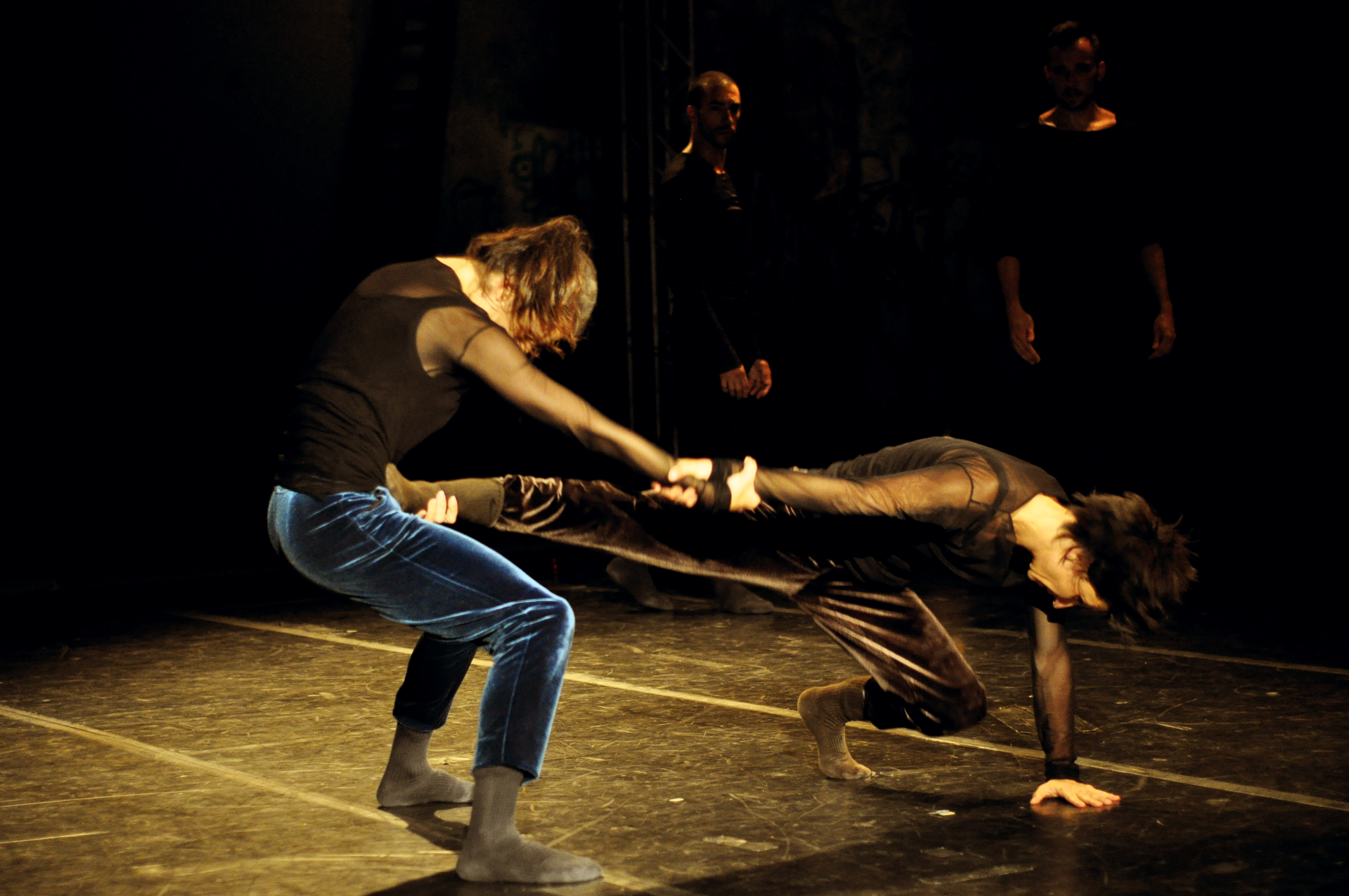
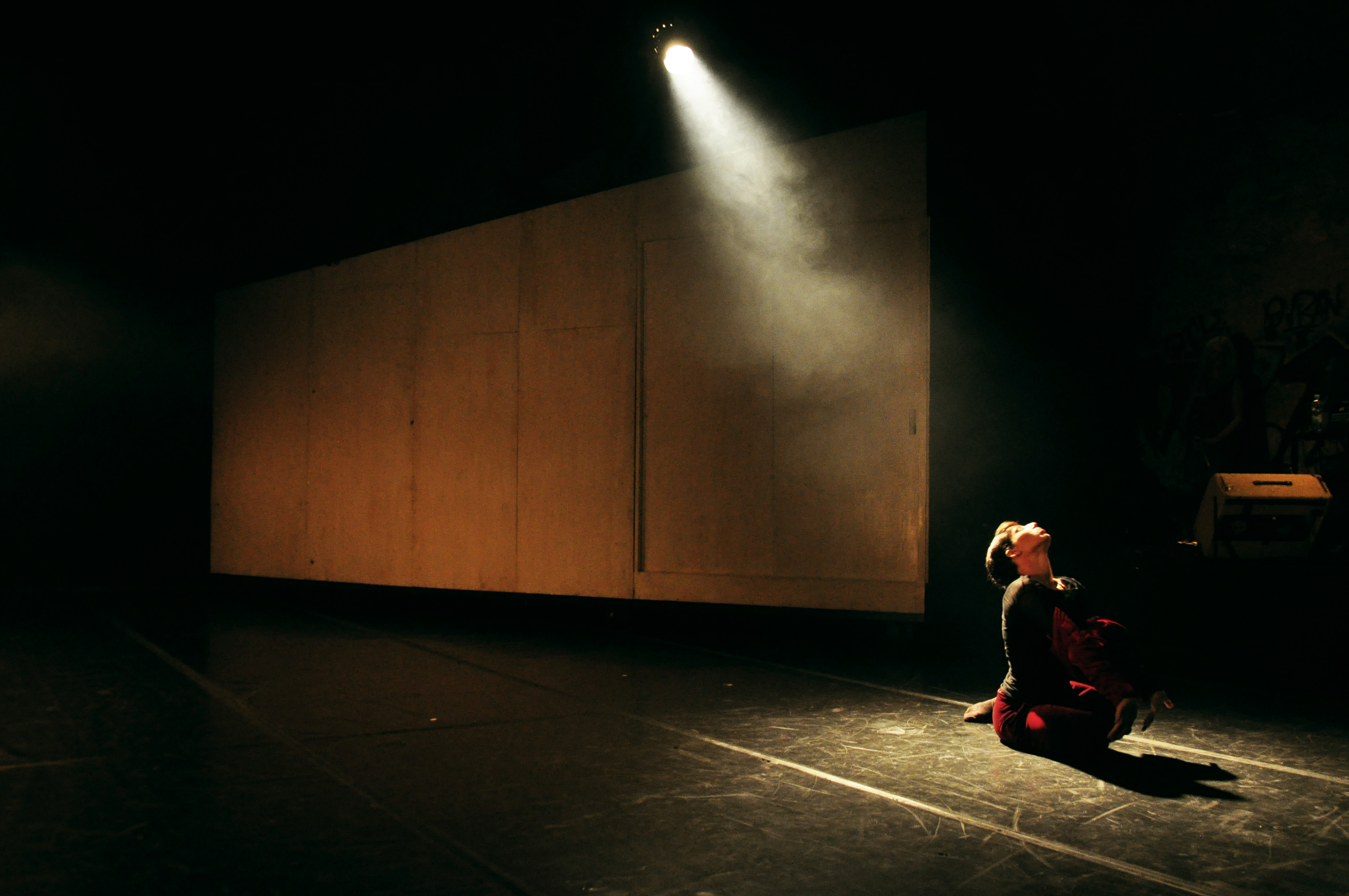
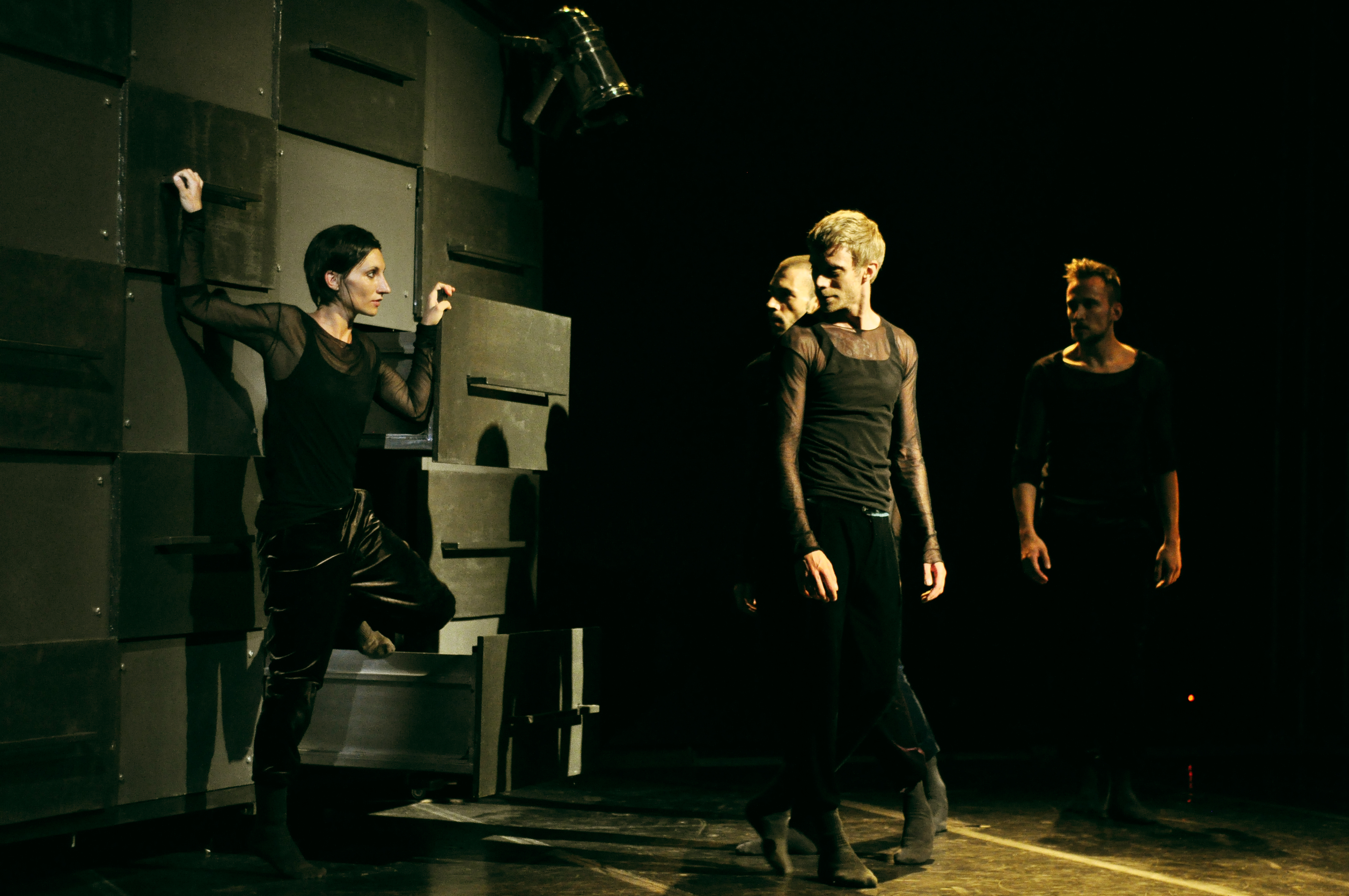
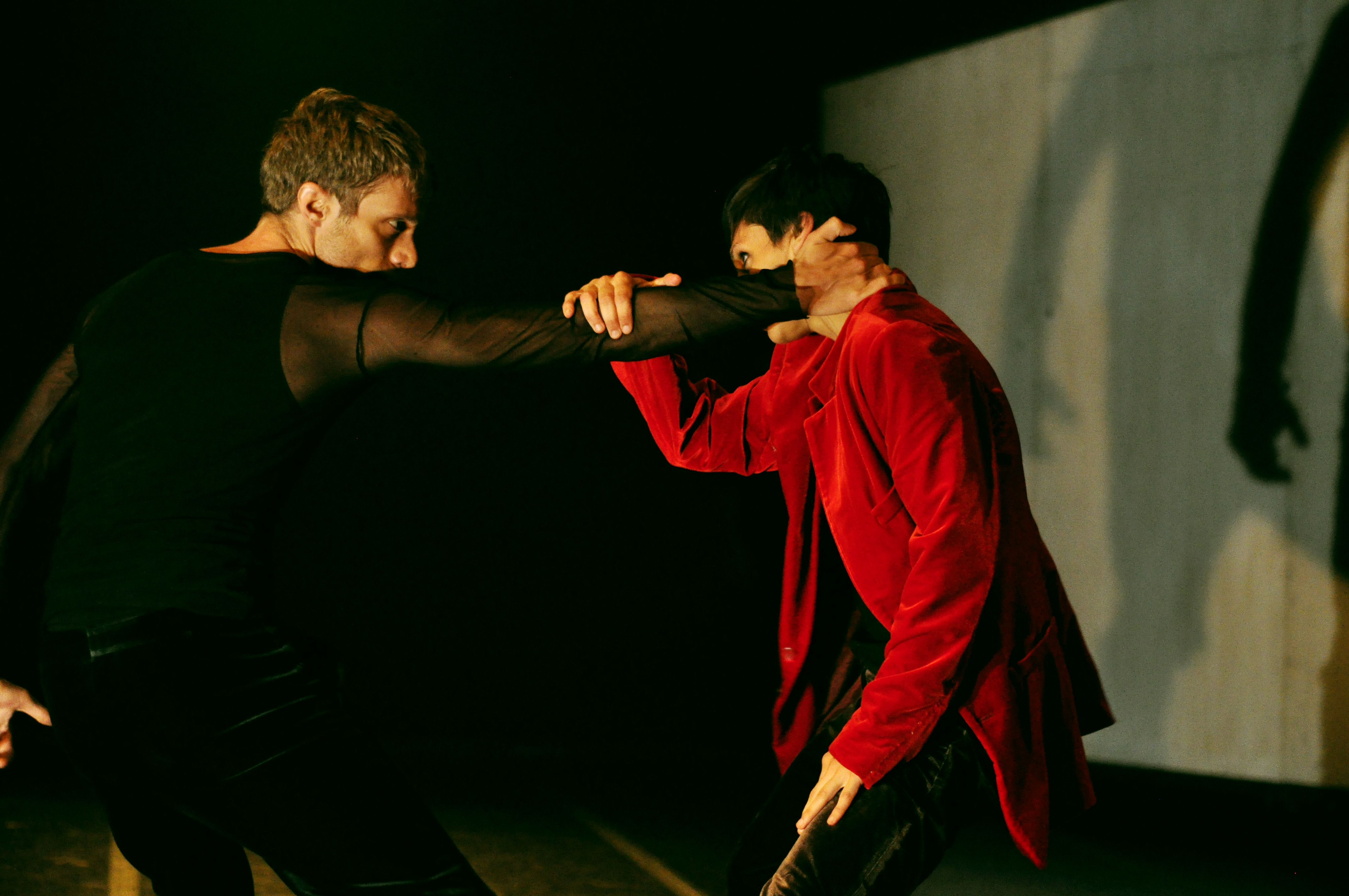
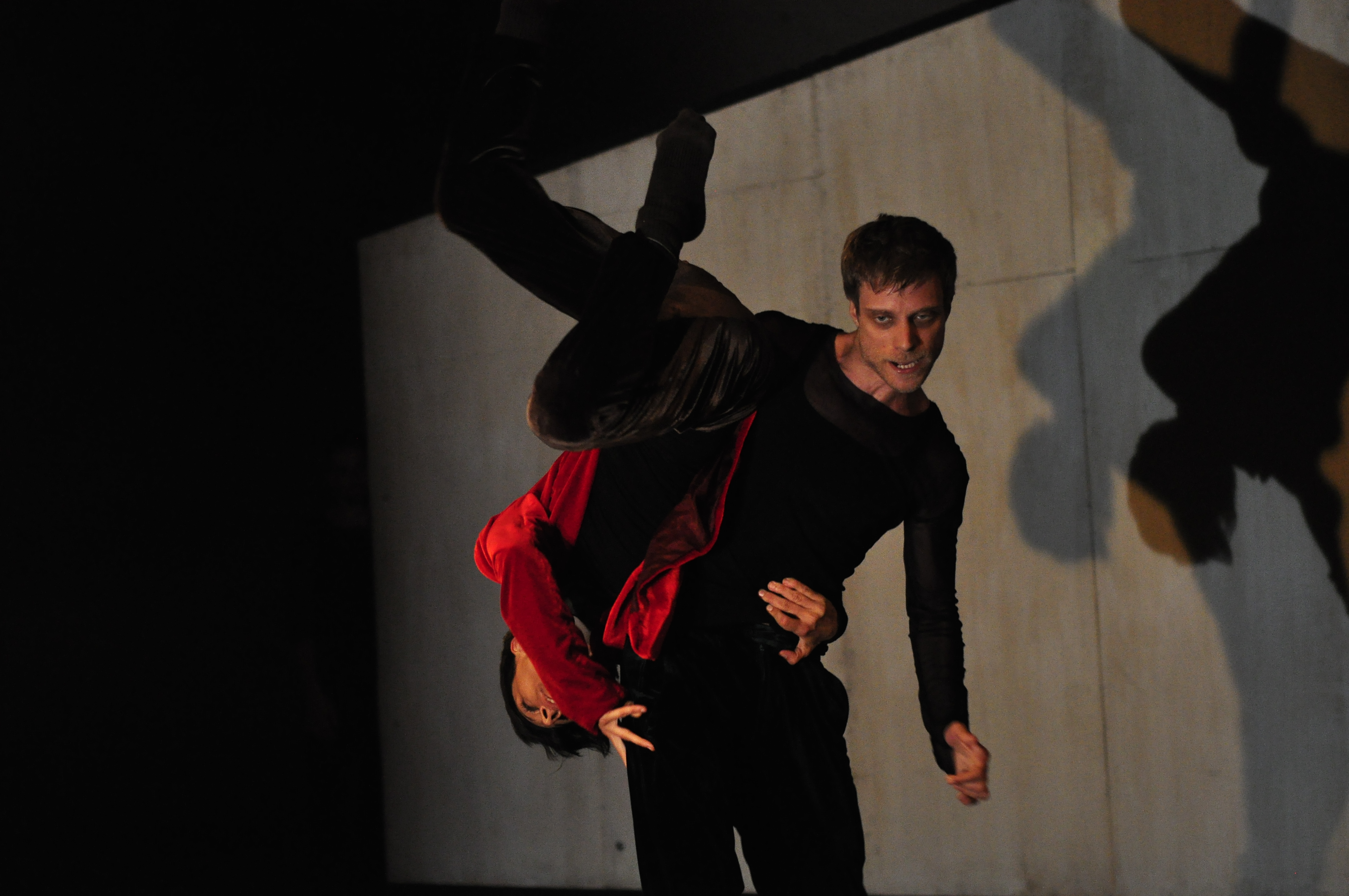
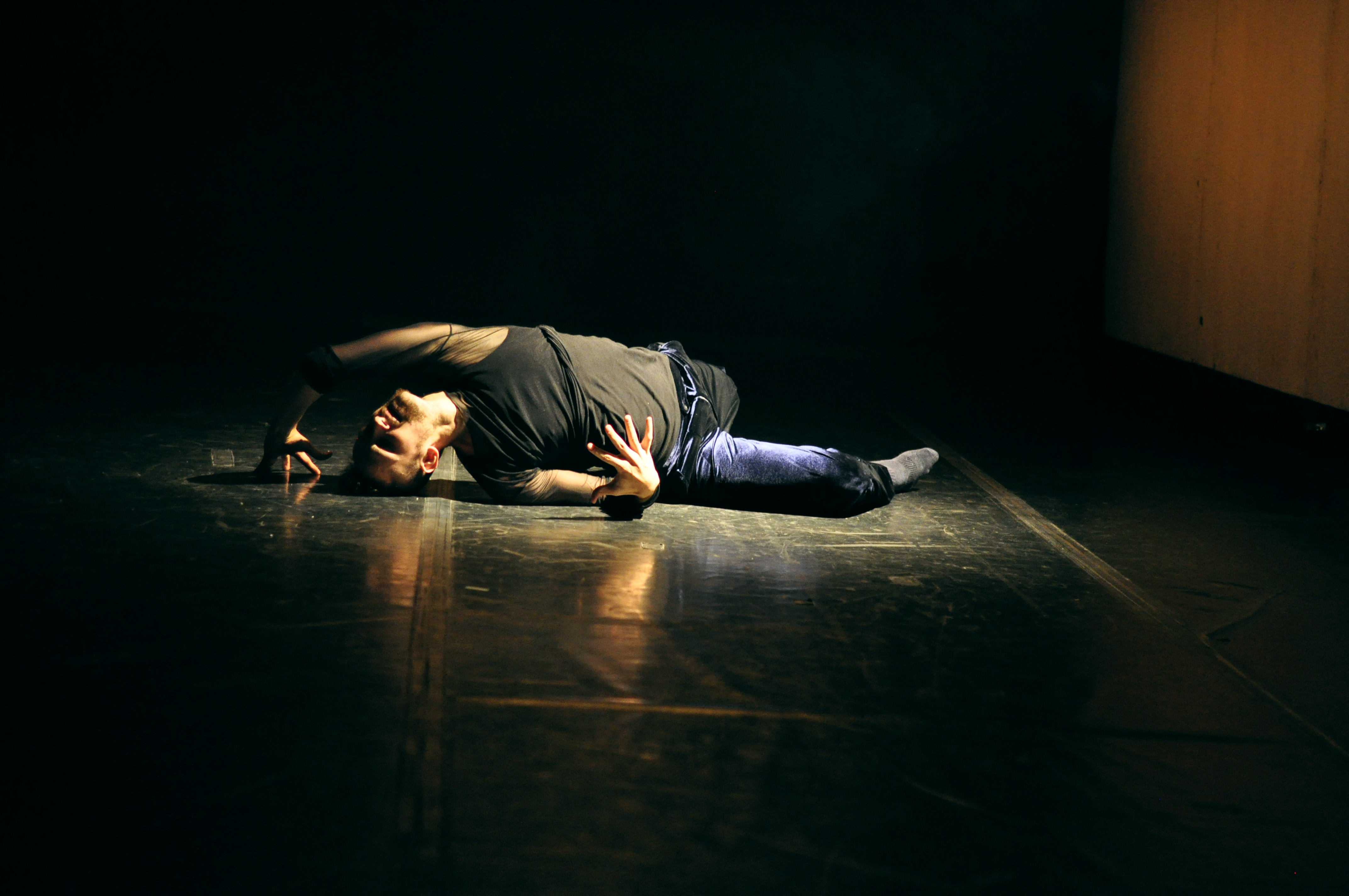
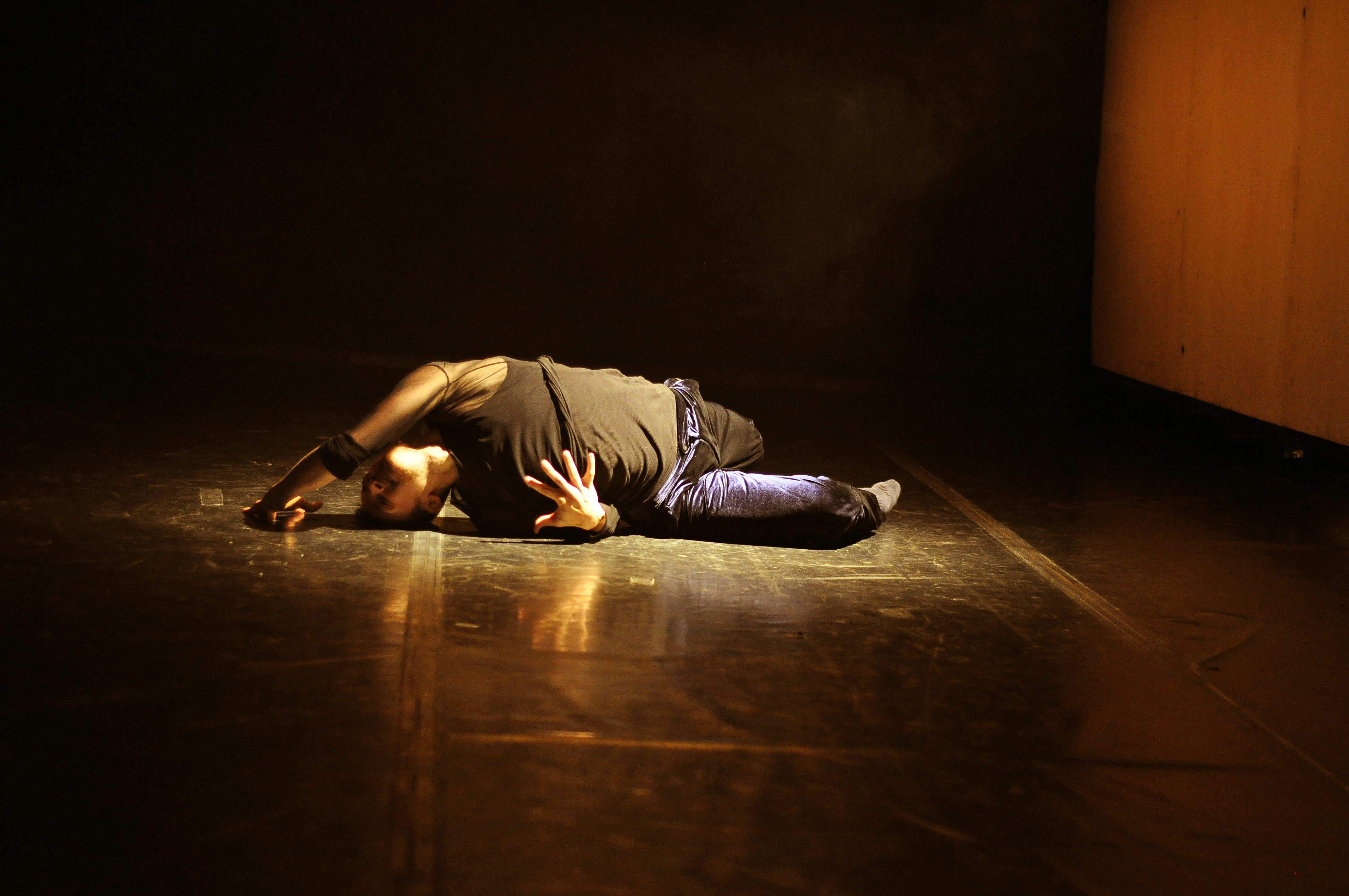
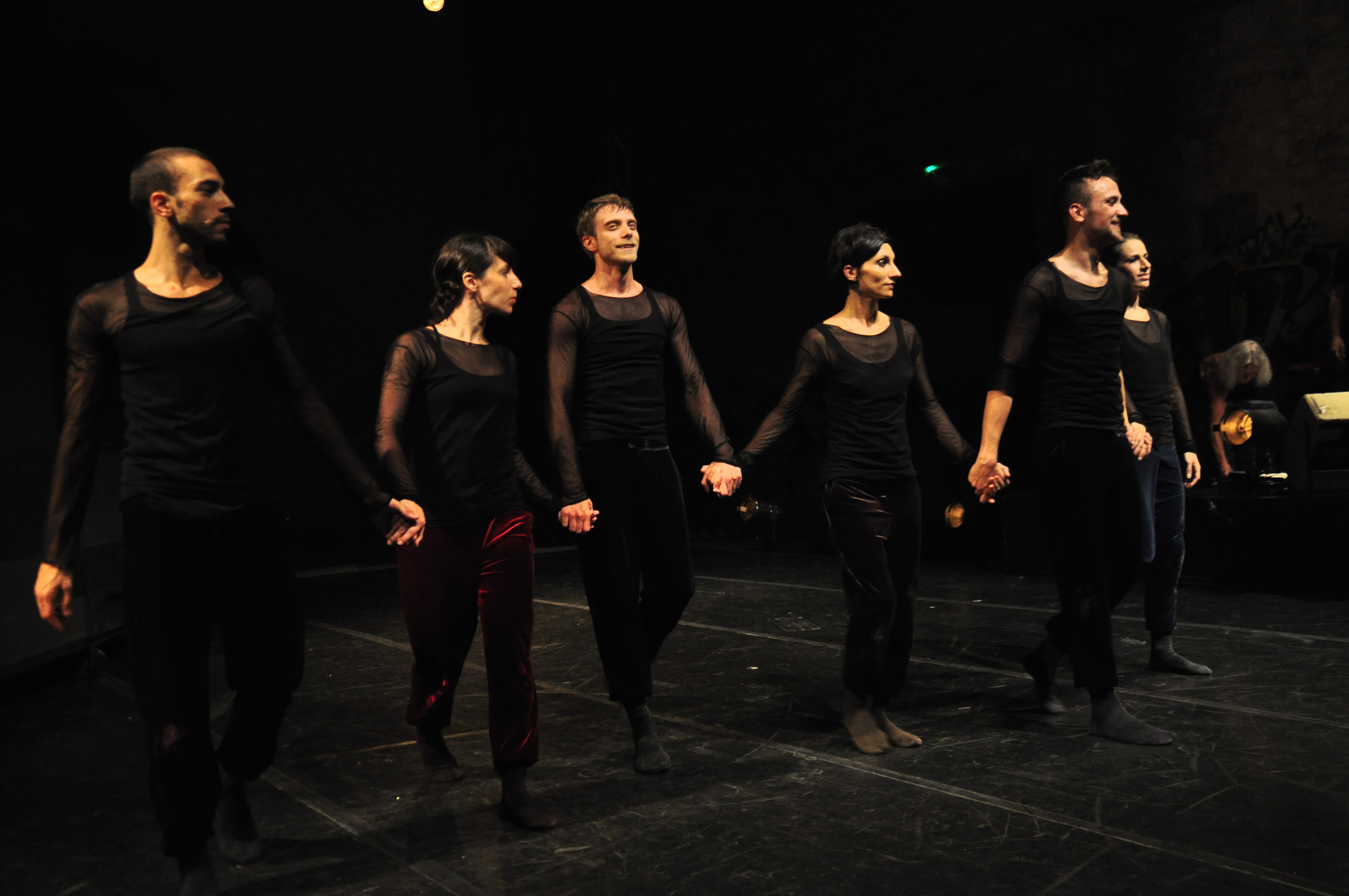
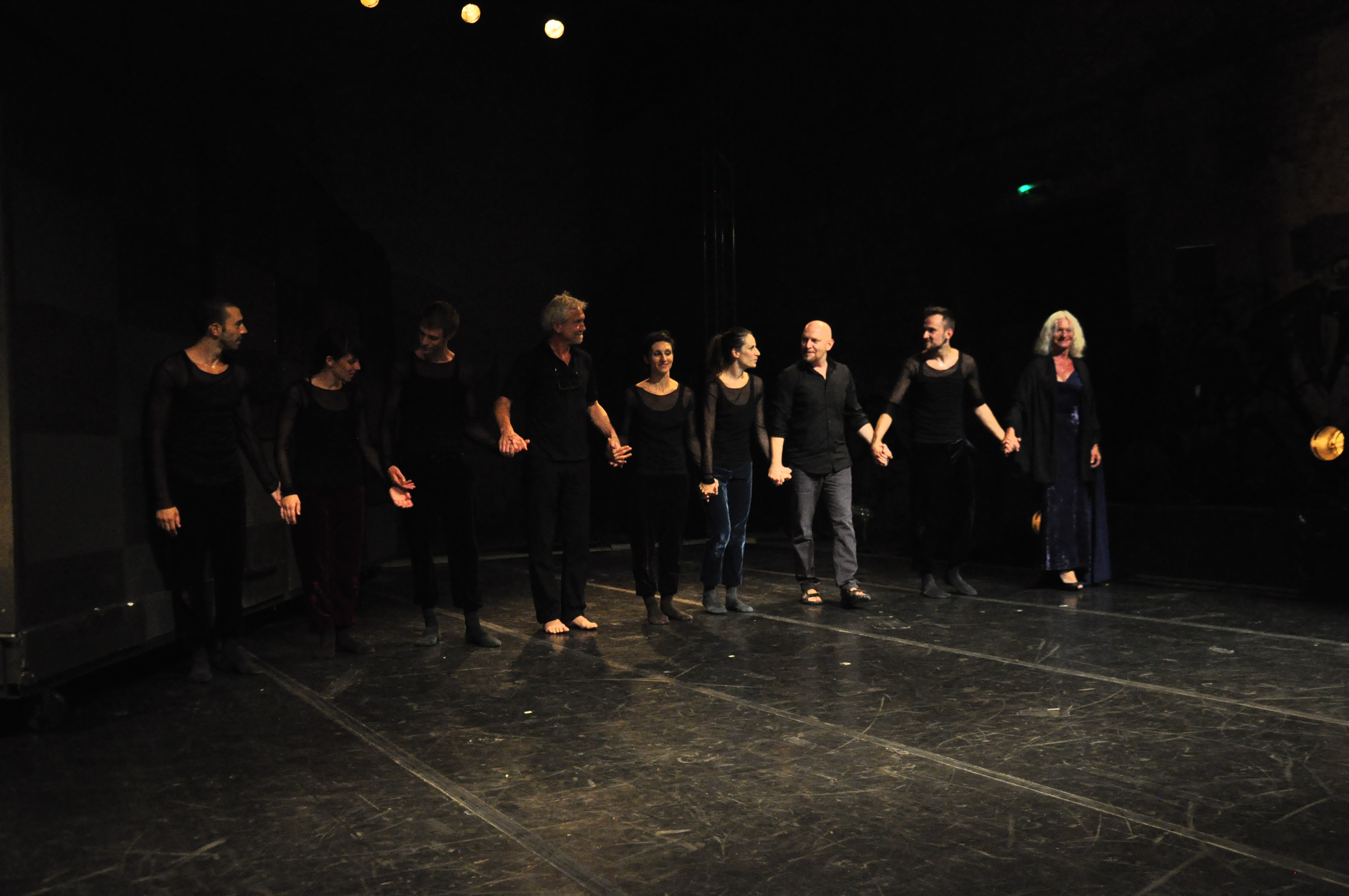
One cannot claim with certainty what was Don Juan like, nor what kind of a man he is today or what kind of a man he will be. The milieu marks him, shades him, proles him and judges him. The society puts him on the pedestal, attributing to him the characteristics of an oender, a sinner and yet grants him a license to do what he is doing and he does it best. He is capable, arrogant, crazy, warm, intimate, yet impulsive and violent and in addition to all that, charming and dangerous. Who can resist such language of love and who succeeds in saying no to such language of conquest? Don Juan is aware of the incriminating environment that considers him an oender, yet he is unable to set limits to his desires, he cannot stop. He cares more about the conquest itself, then about love. He consumes everything that comes to hand and lives by the philosophy of the "creature of nature". He is not innocent, nor is he naive. He is an oender, but also a rebel. He does not accept the spirit, the beliefs or the rules of his time. That has bored him, so he switches from episode to episode. In each episode he searches for something dierent. He does not search for the same. As every human being, he is entitled to happiness and he claims that right. His happiness would be to quench the immense love thirstiness that tears him apart. At the beginning and at the end, we have a bunch of dancers, who in the world of illusions, masks, mirages and concealments wait for the opportunity to take a part. When a chance presents itself, they grab it. The rst role goes to Don Juan, who forms his secure niche...where others, by assuming their episodic roles in his world, assist Don Juan, in giving momentum to his nature. He understands that in the world of fake courtship and pretence, only those whose craft is better than that of the others can survive.
Maša Kolar

Media

Don Juan - premiere / 51 items

Media Files