Theoretical and Artistic Research: Dance Until a New Dawn (work in progress)
By focusing on key historical moments in the development of dance and performance that remain relevant in today's struggle against the commodification of art, they examine the contemporary role and position of dance and historical dance figures as metaphors for a society that continuously shapes individuals and structures organized communities as a whole.
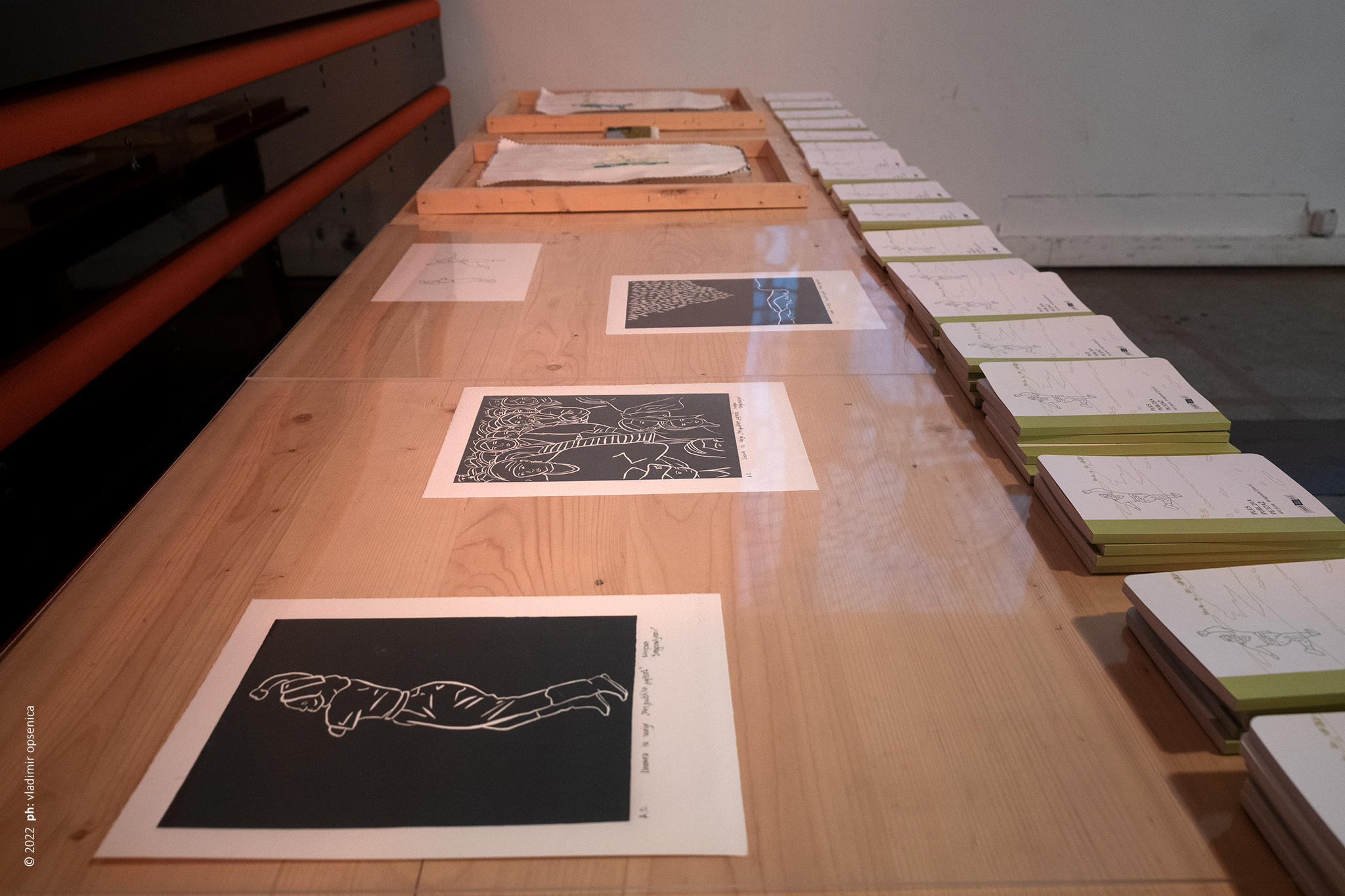
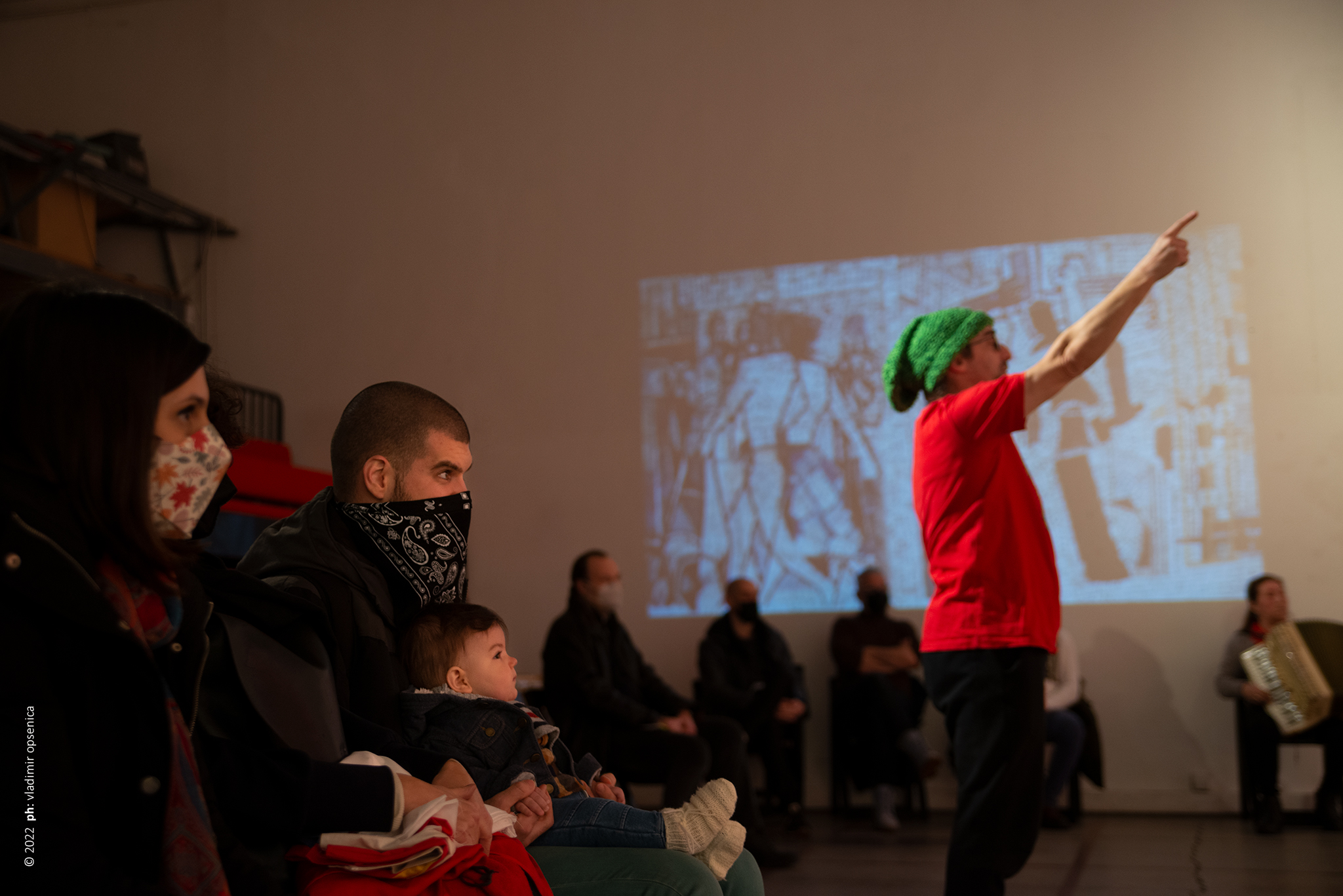
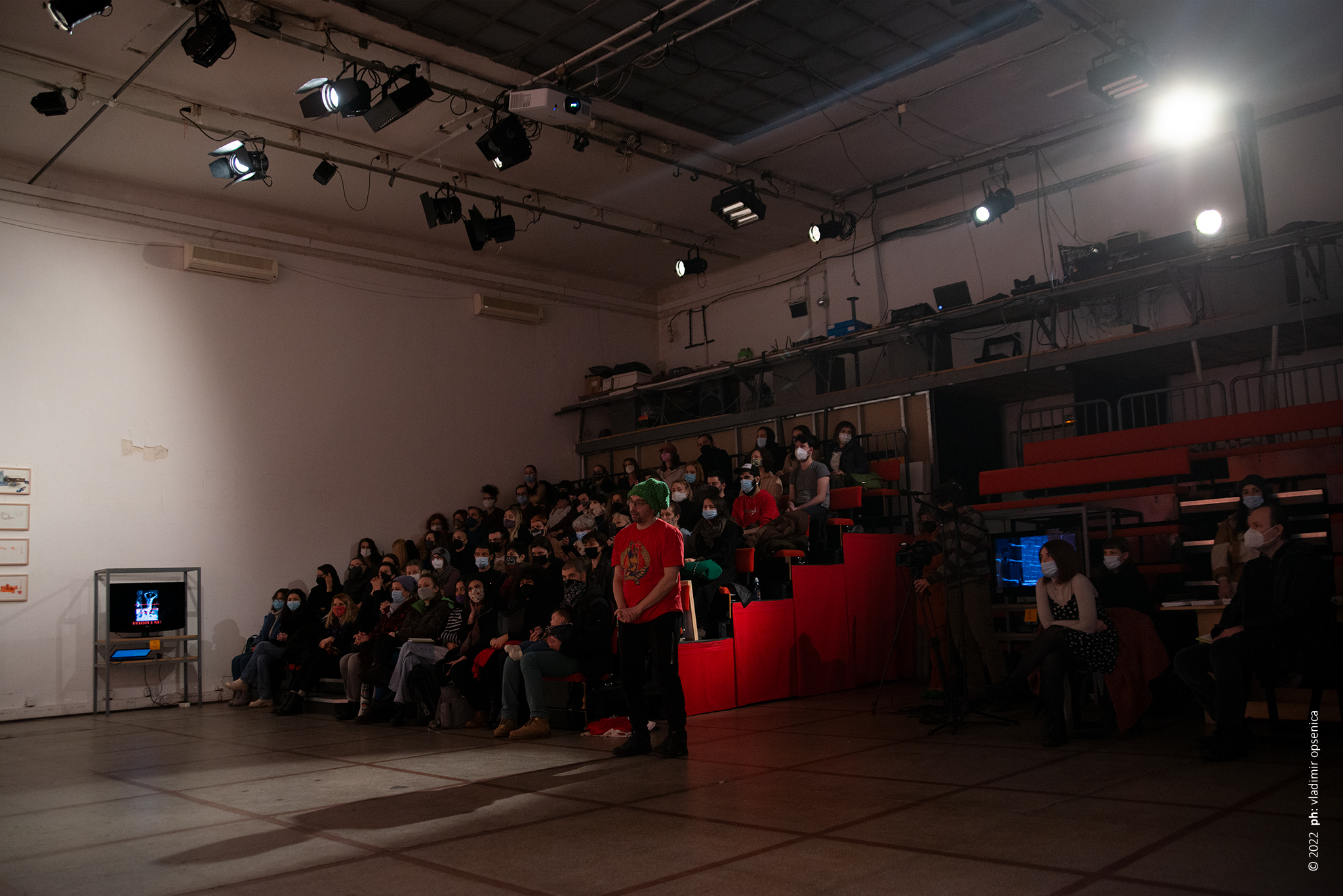
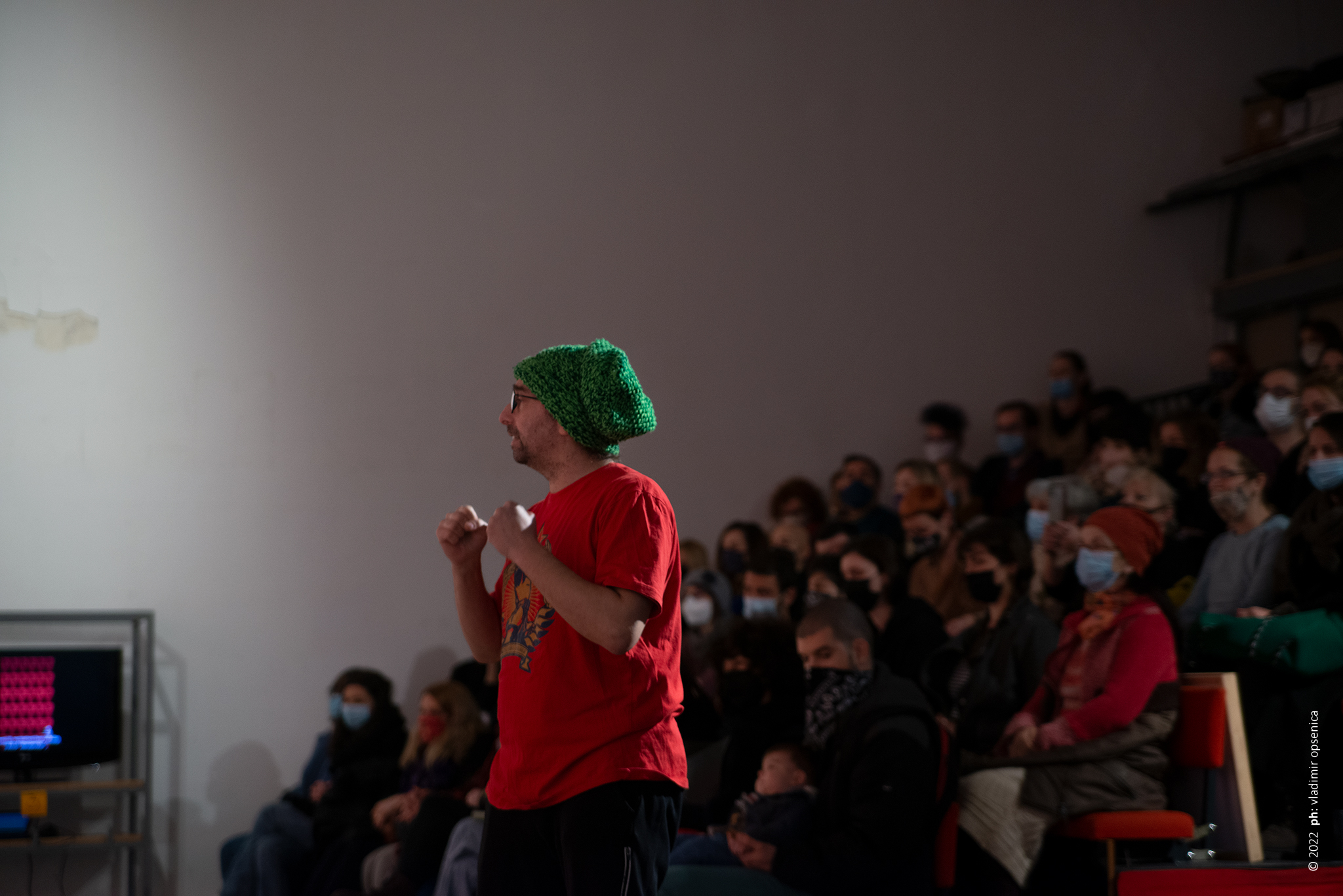
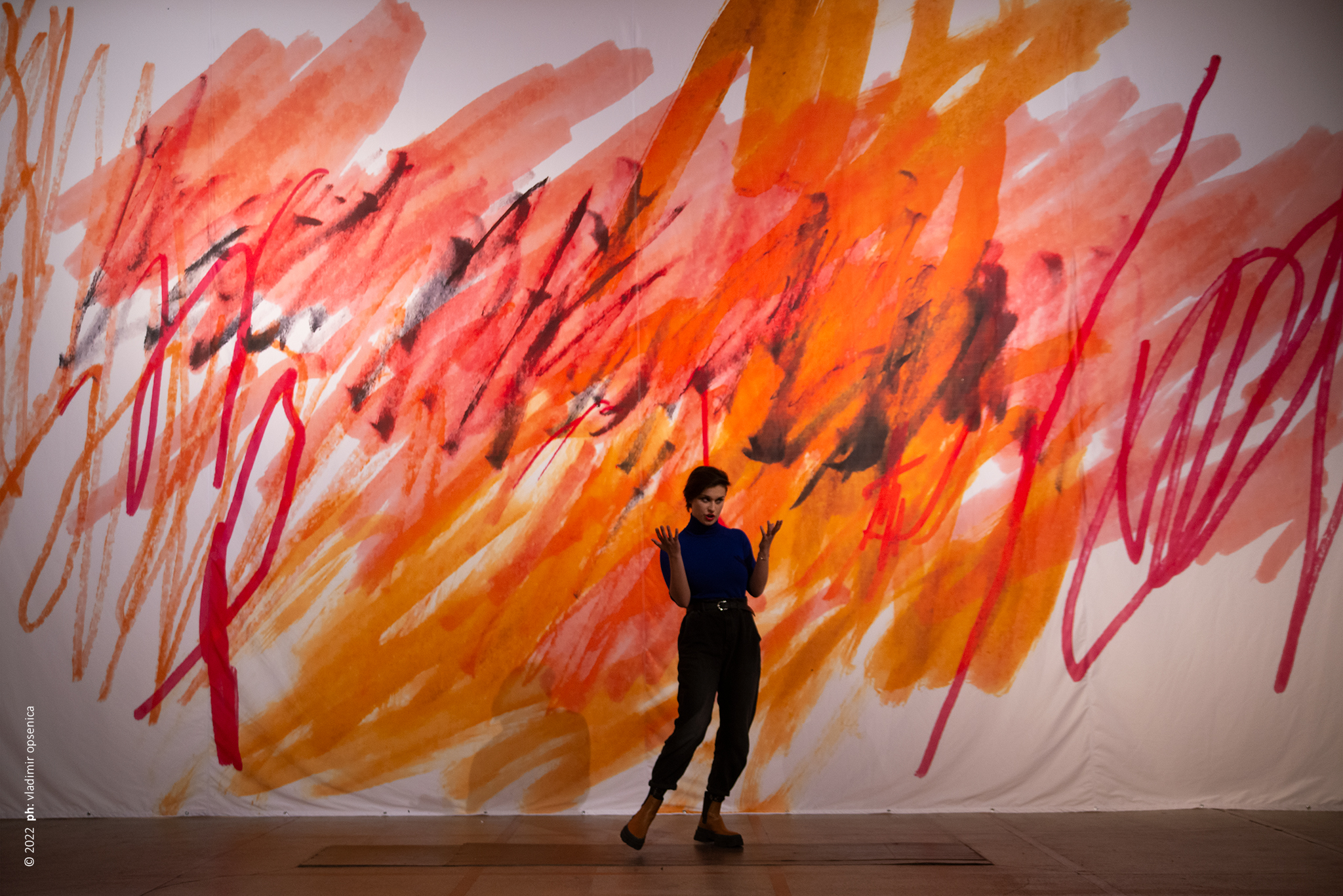
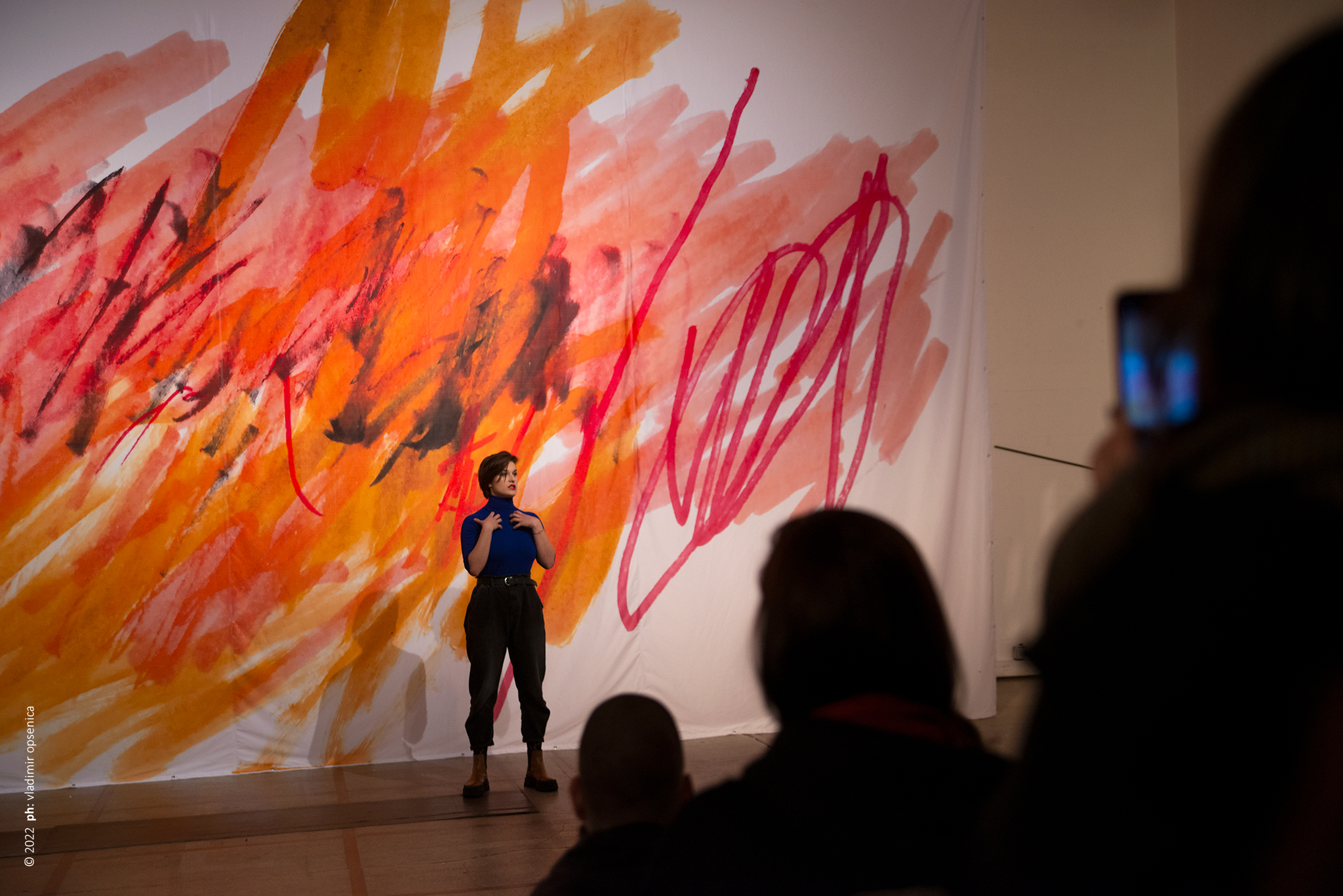
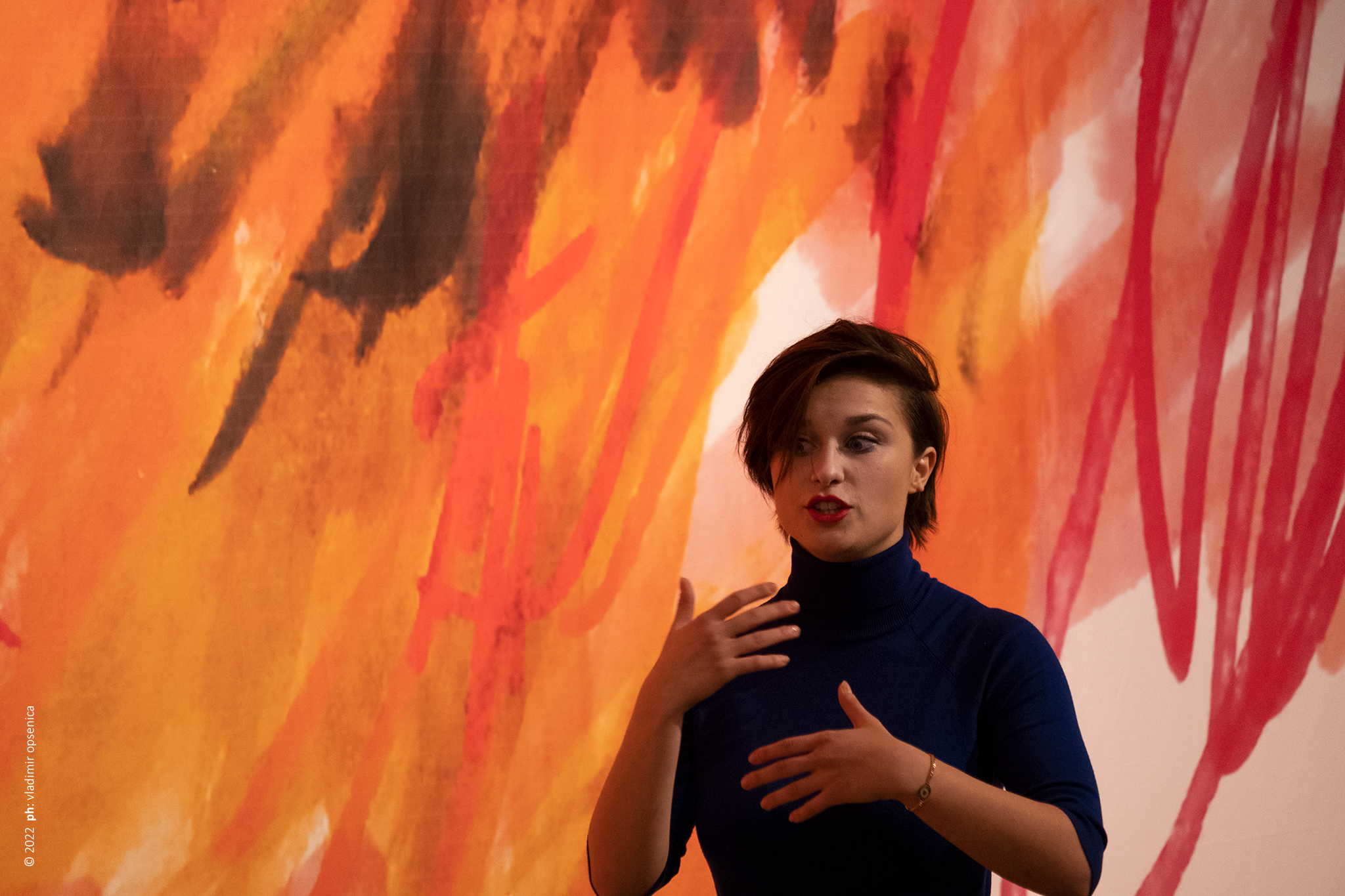
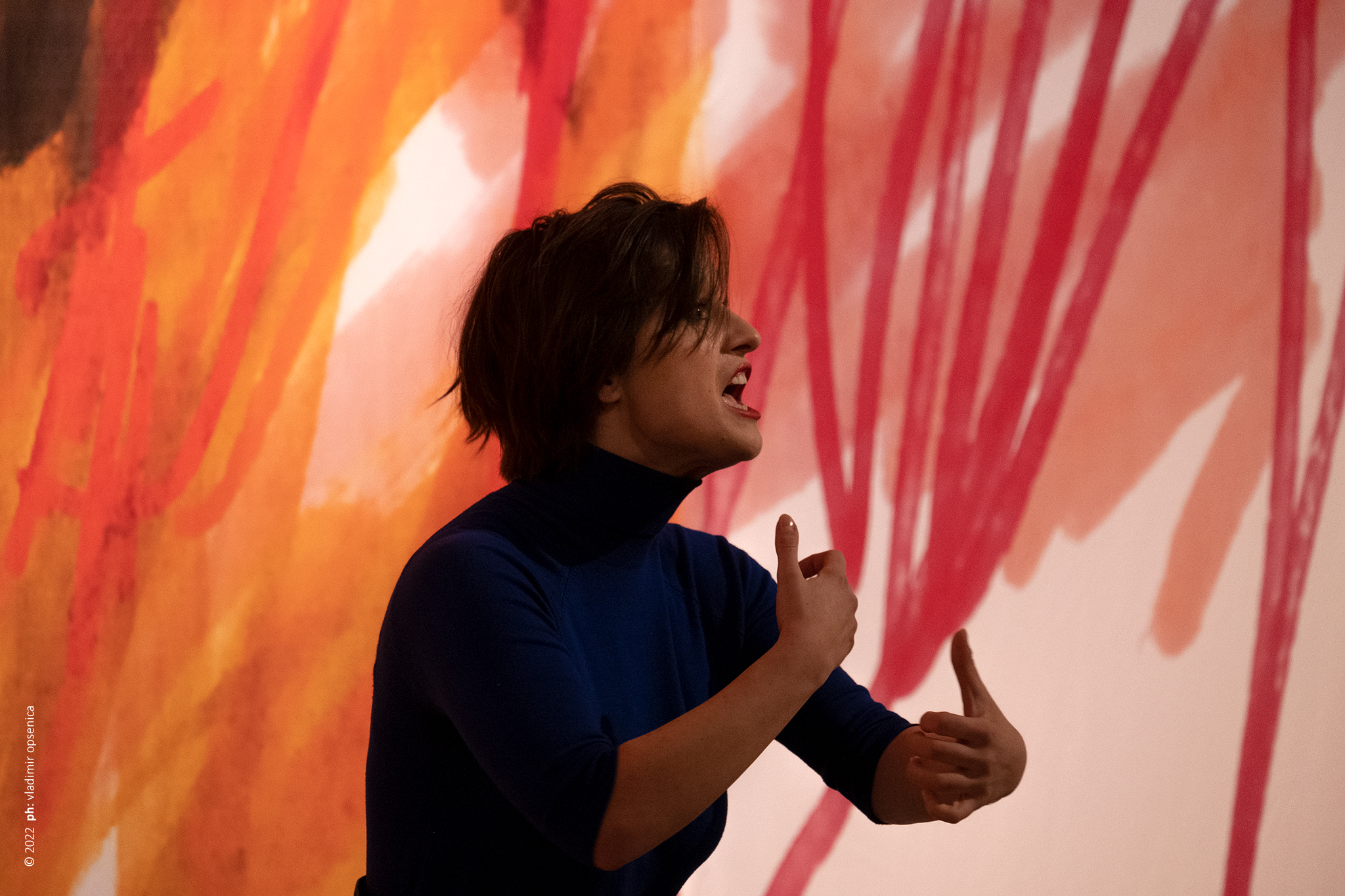
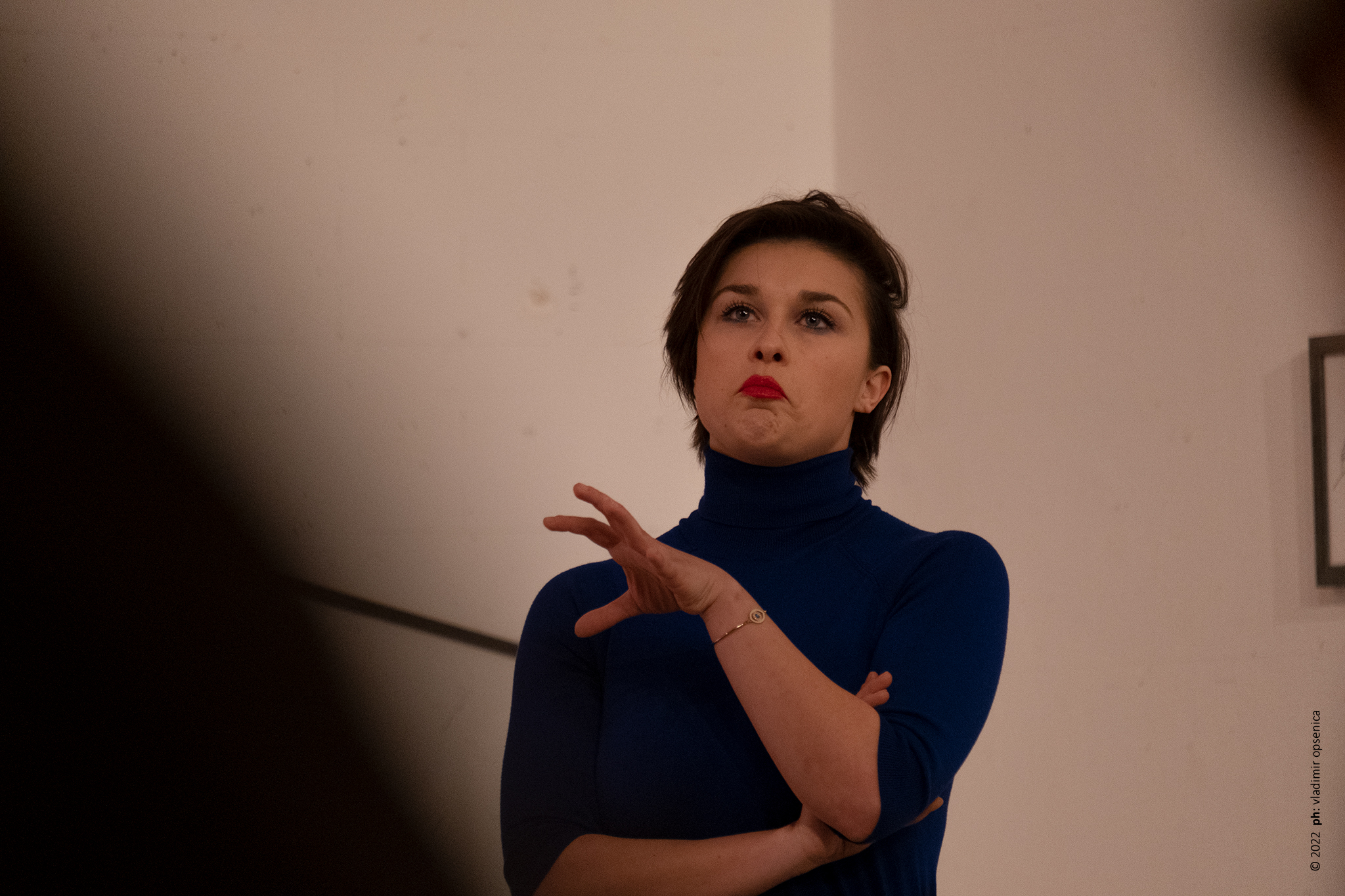
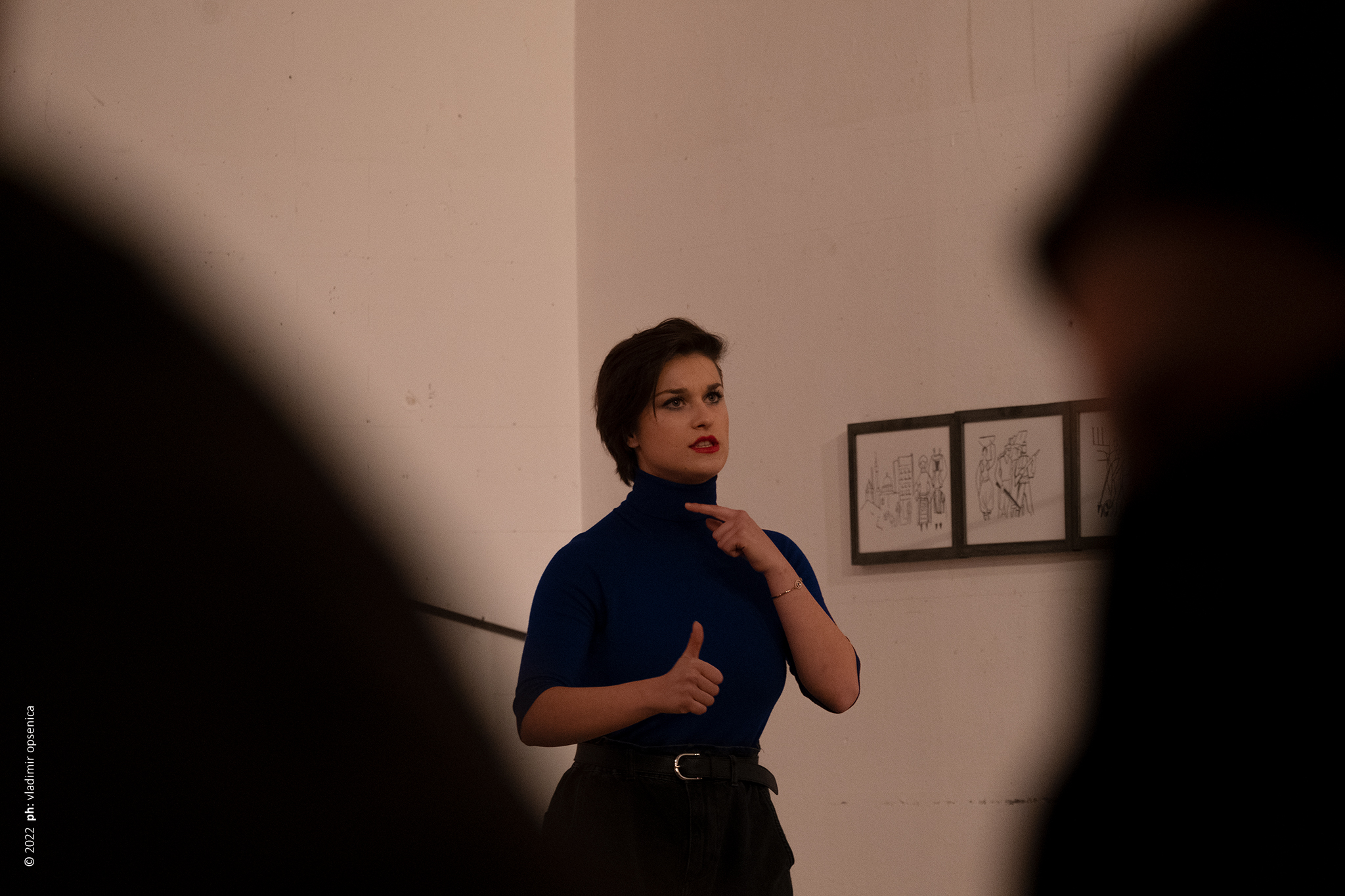
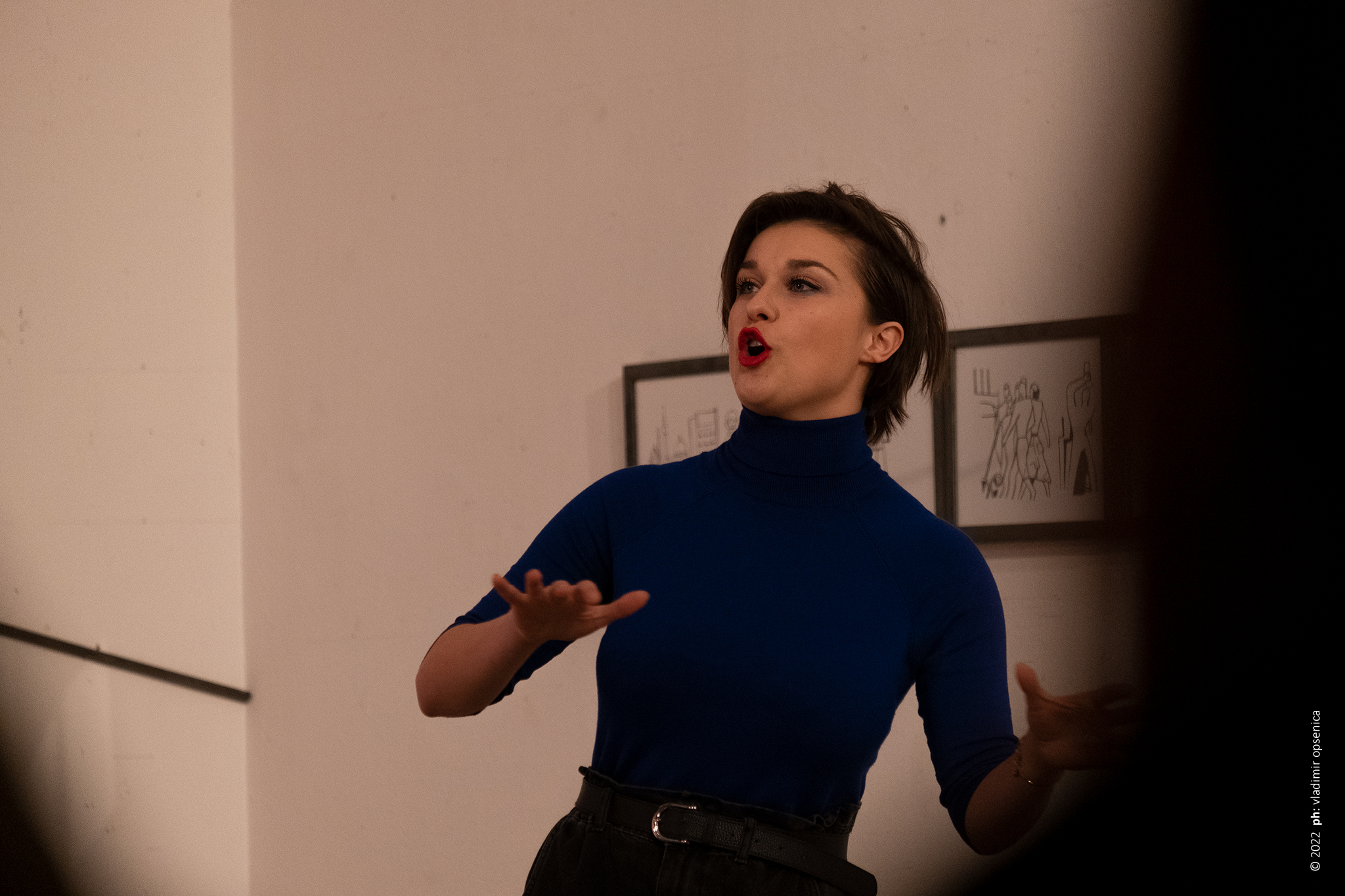
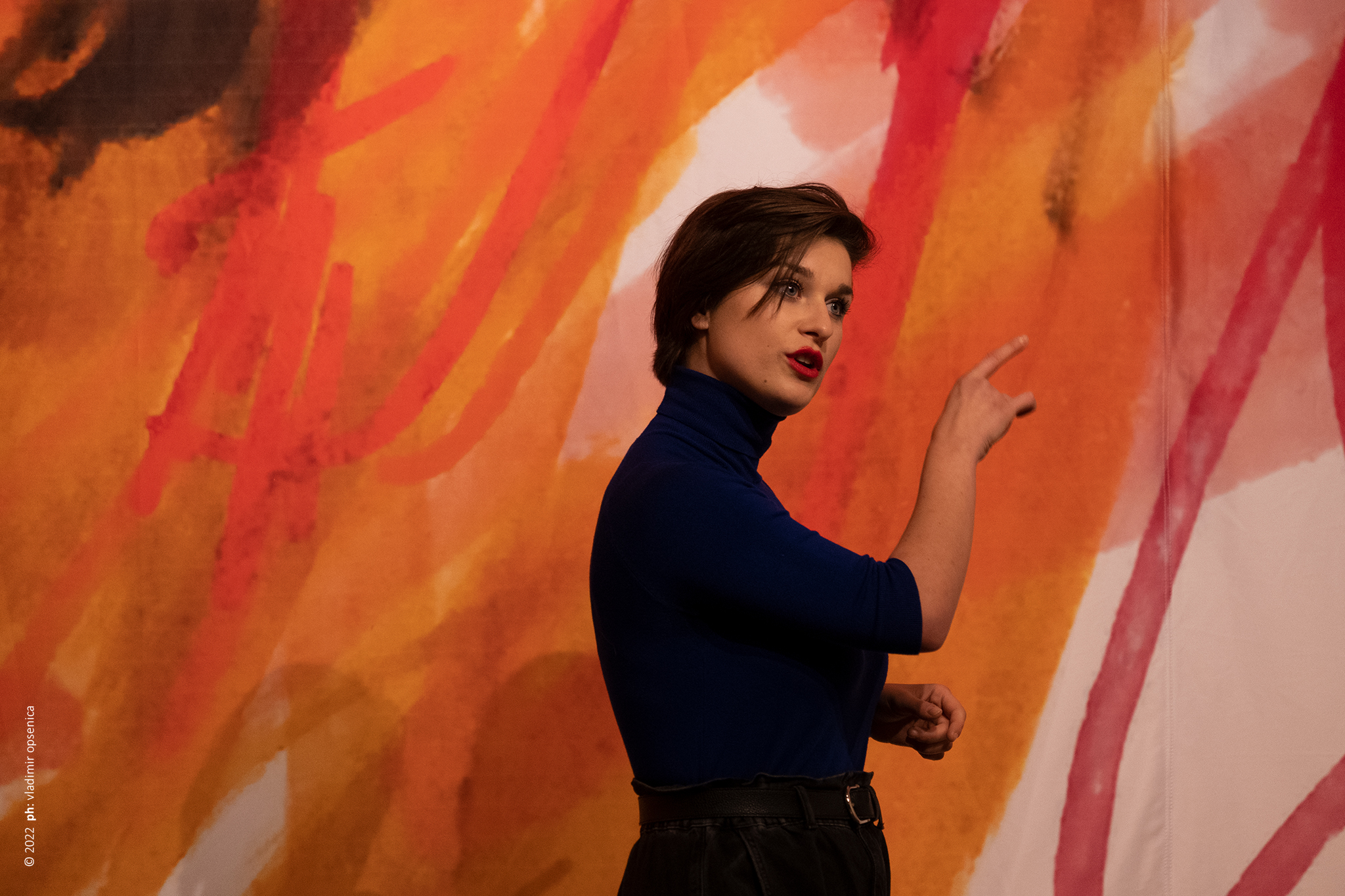
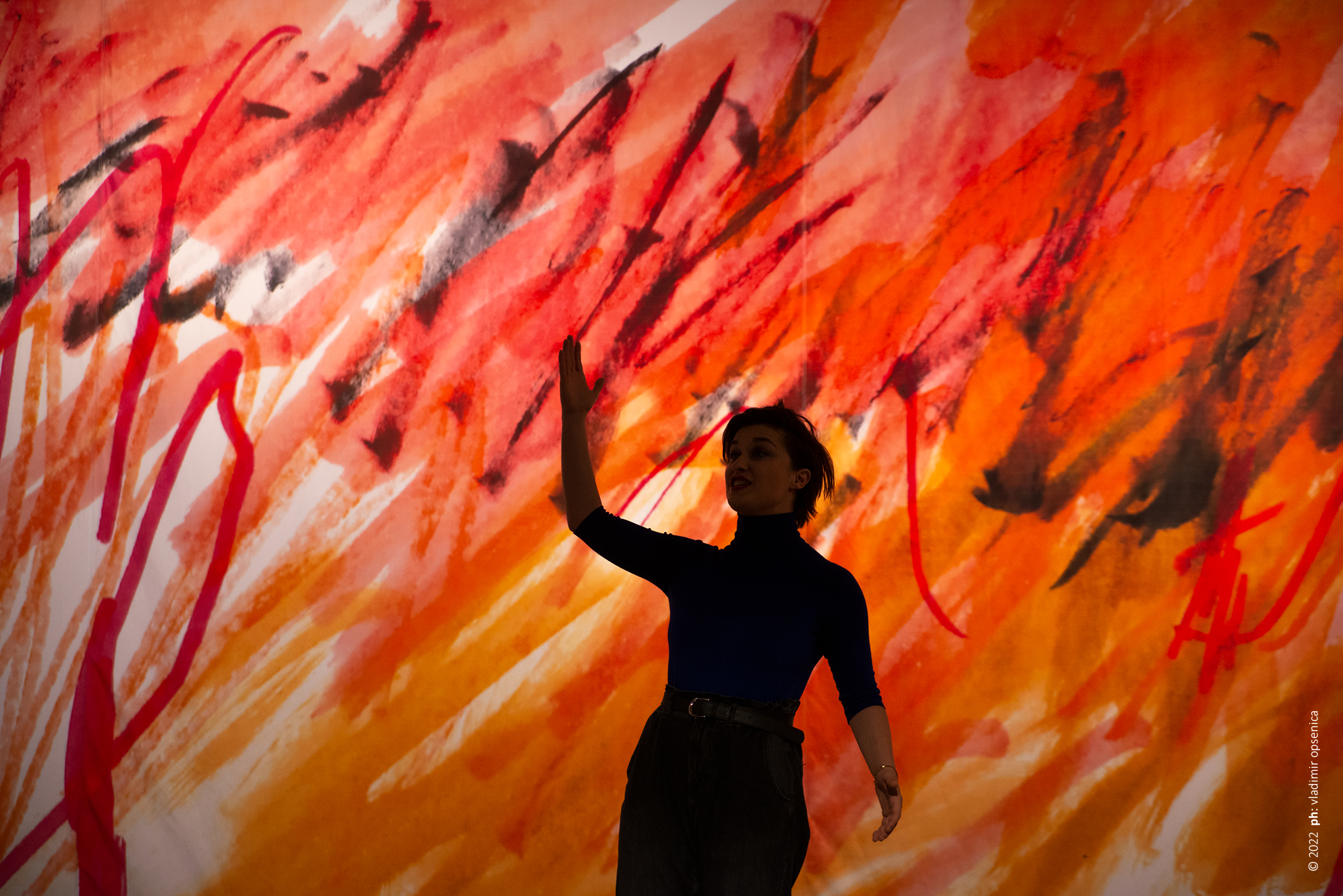
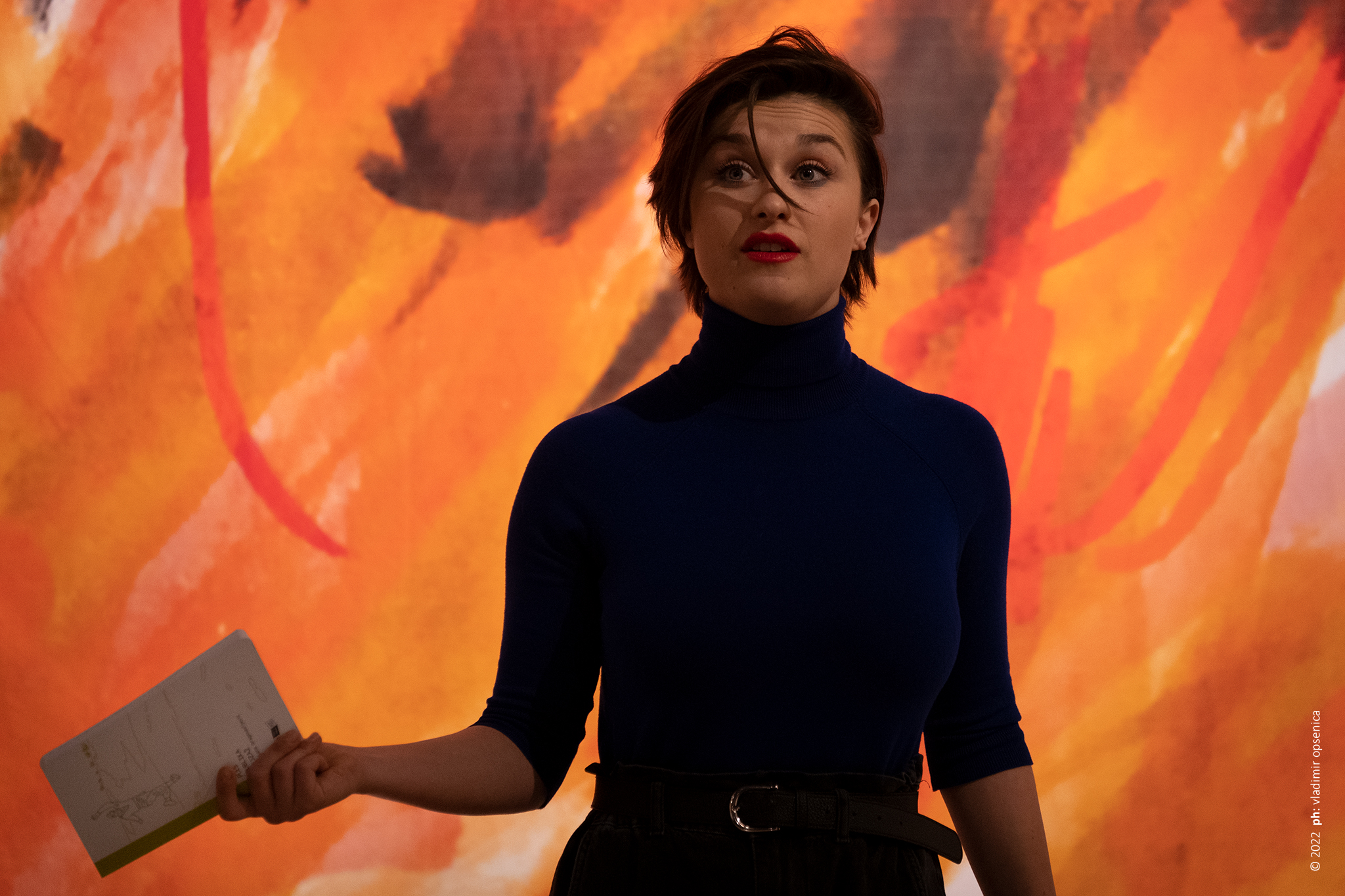
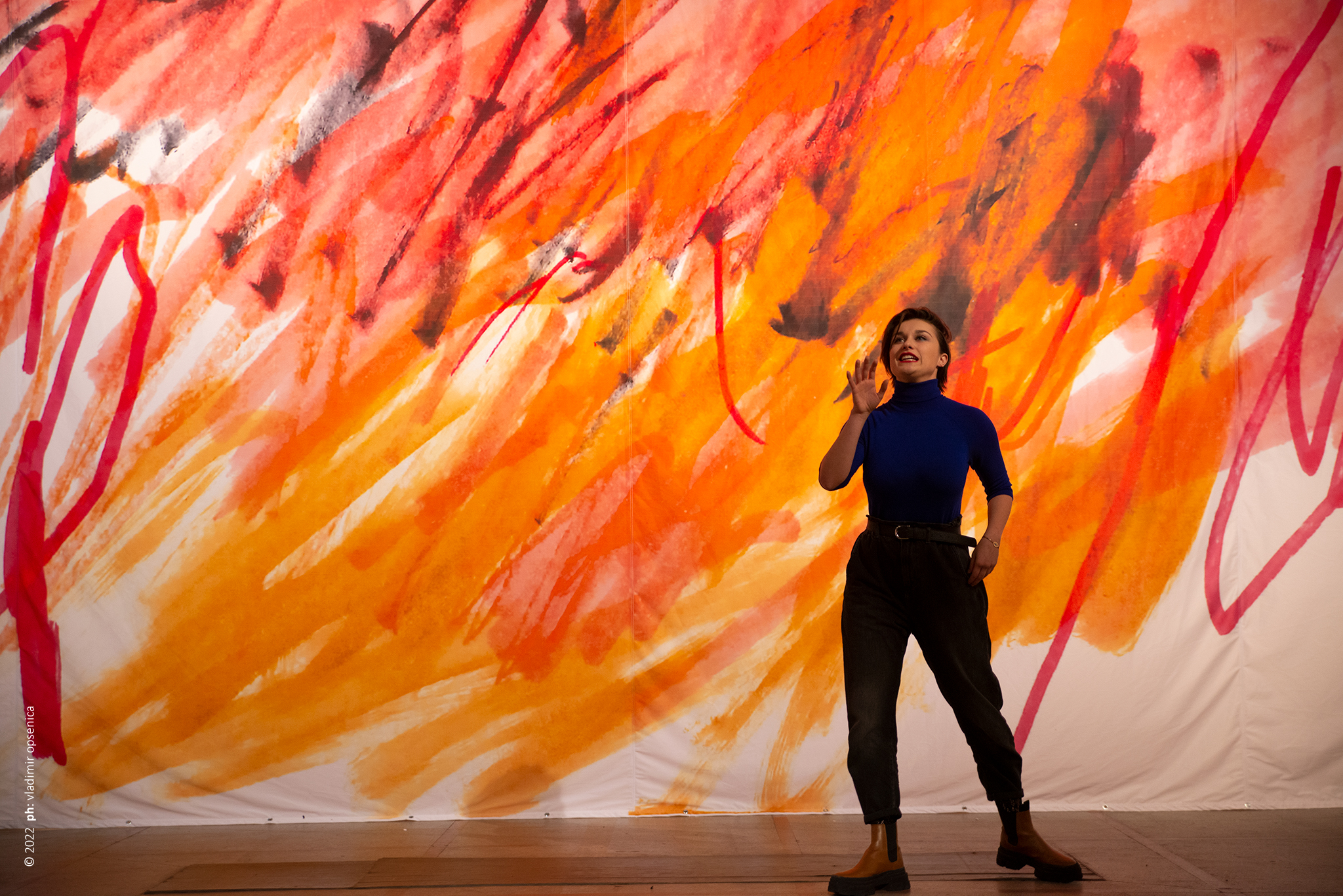
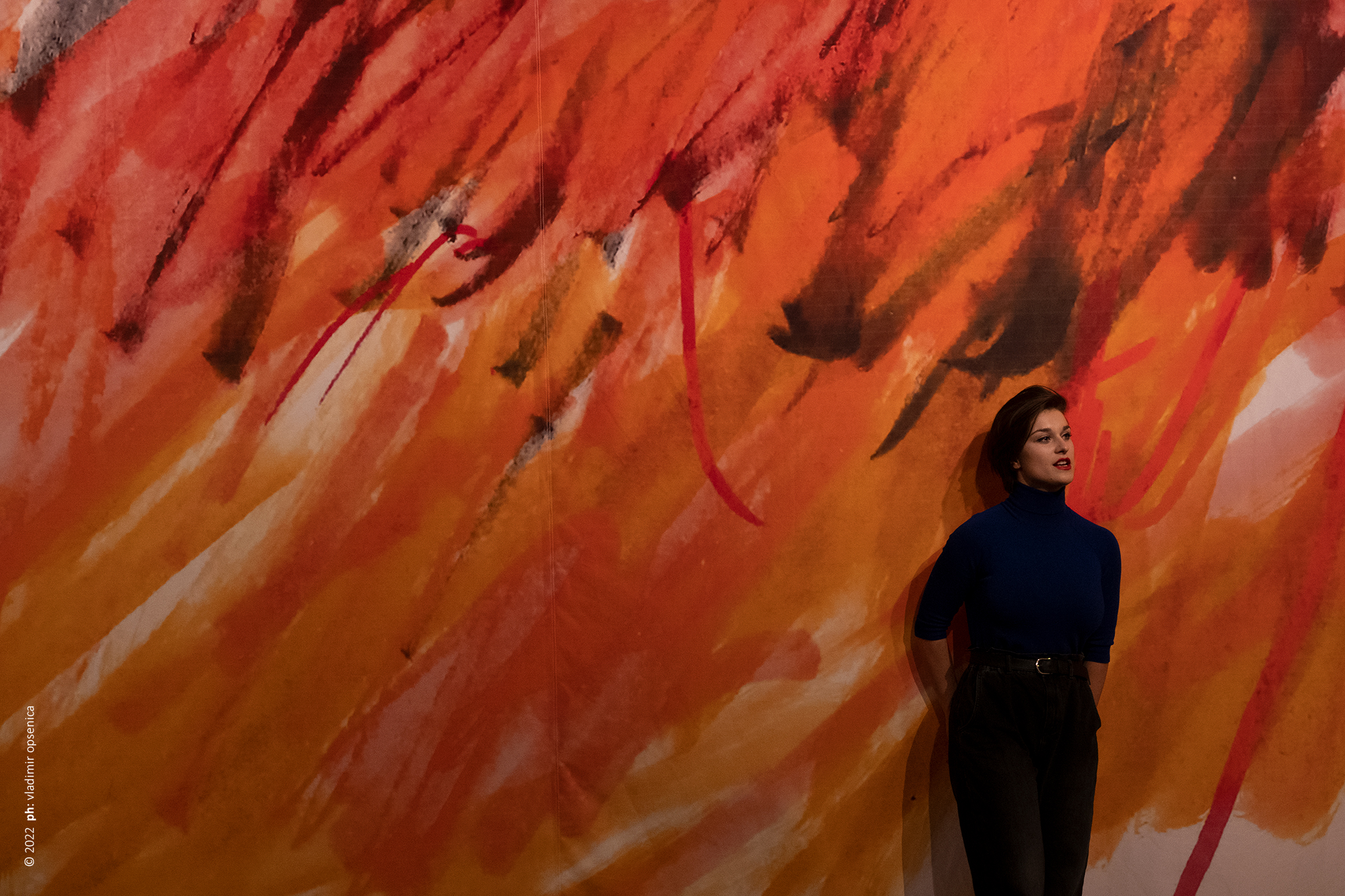
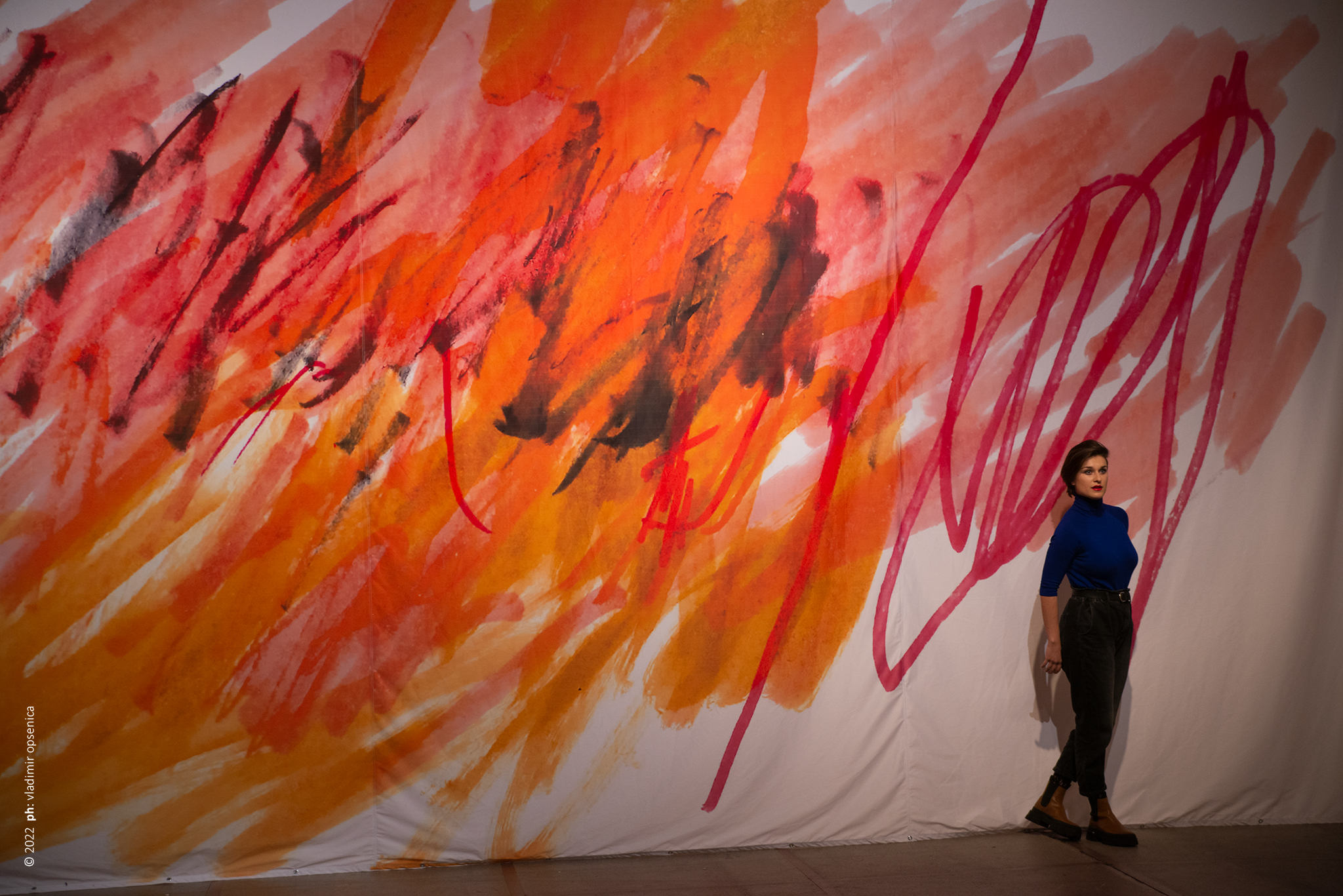
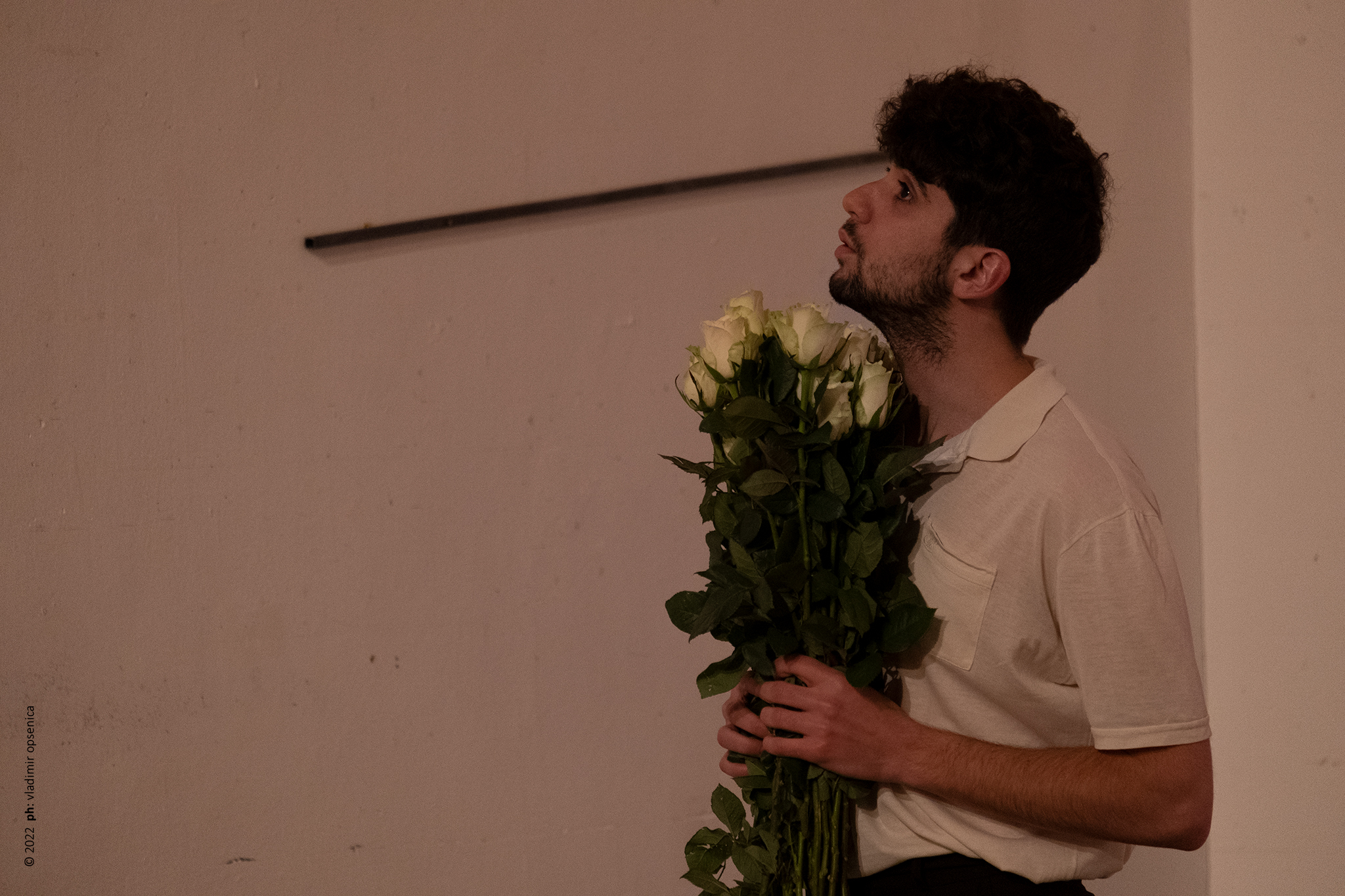
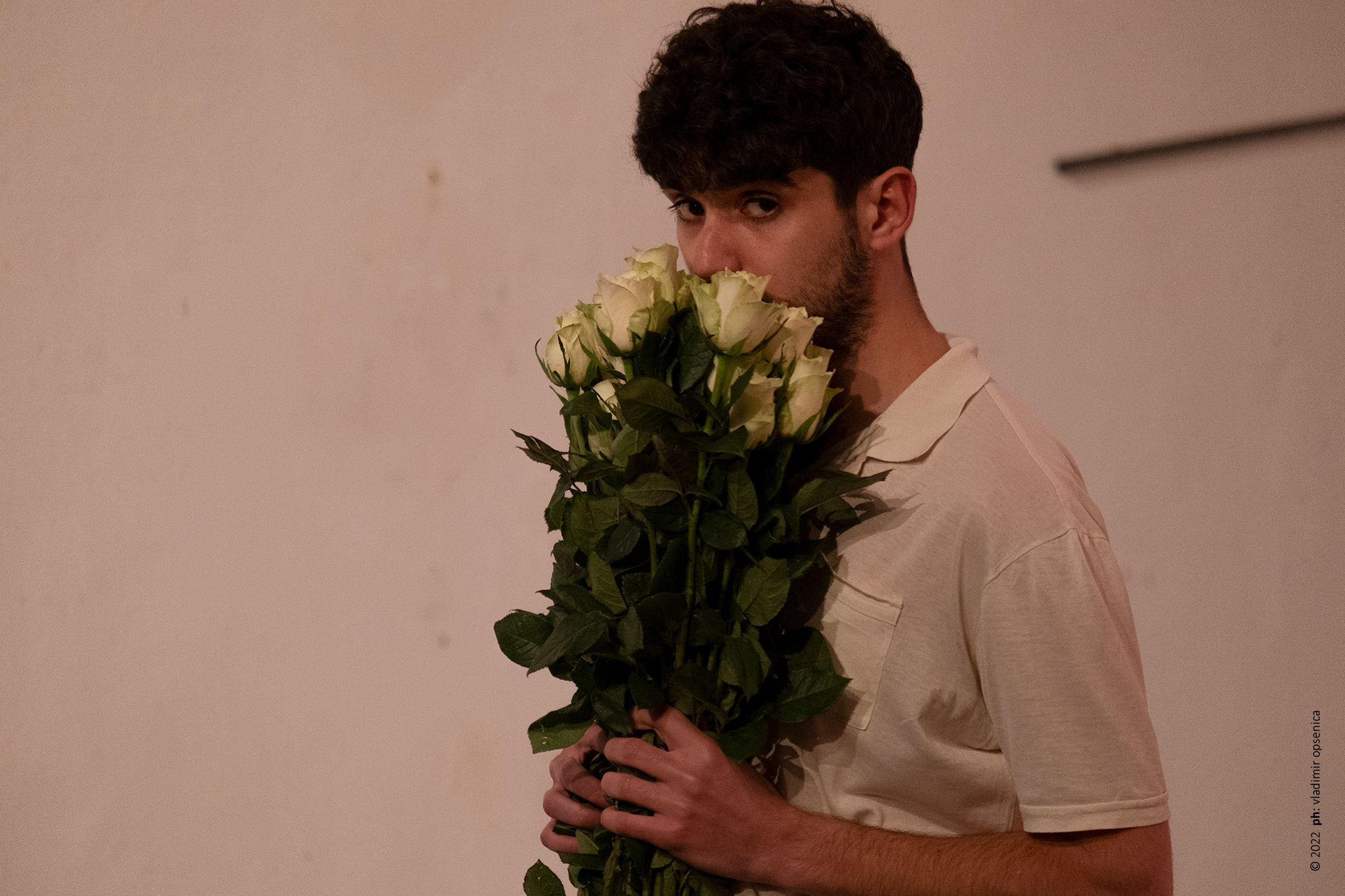
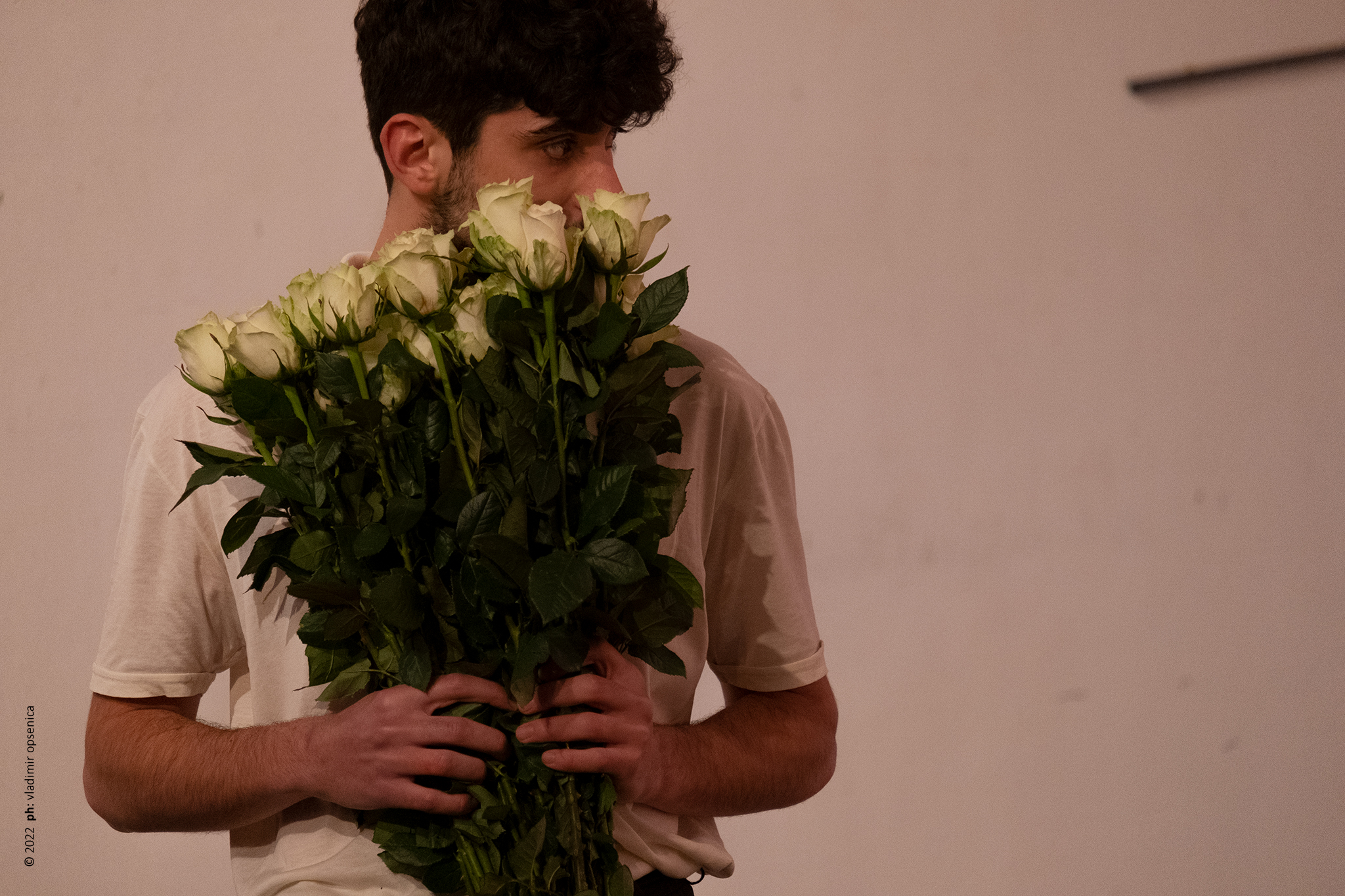
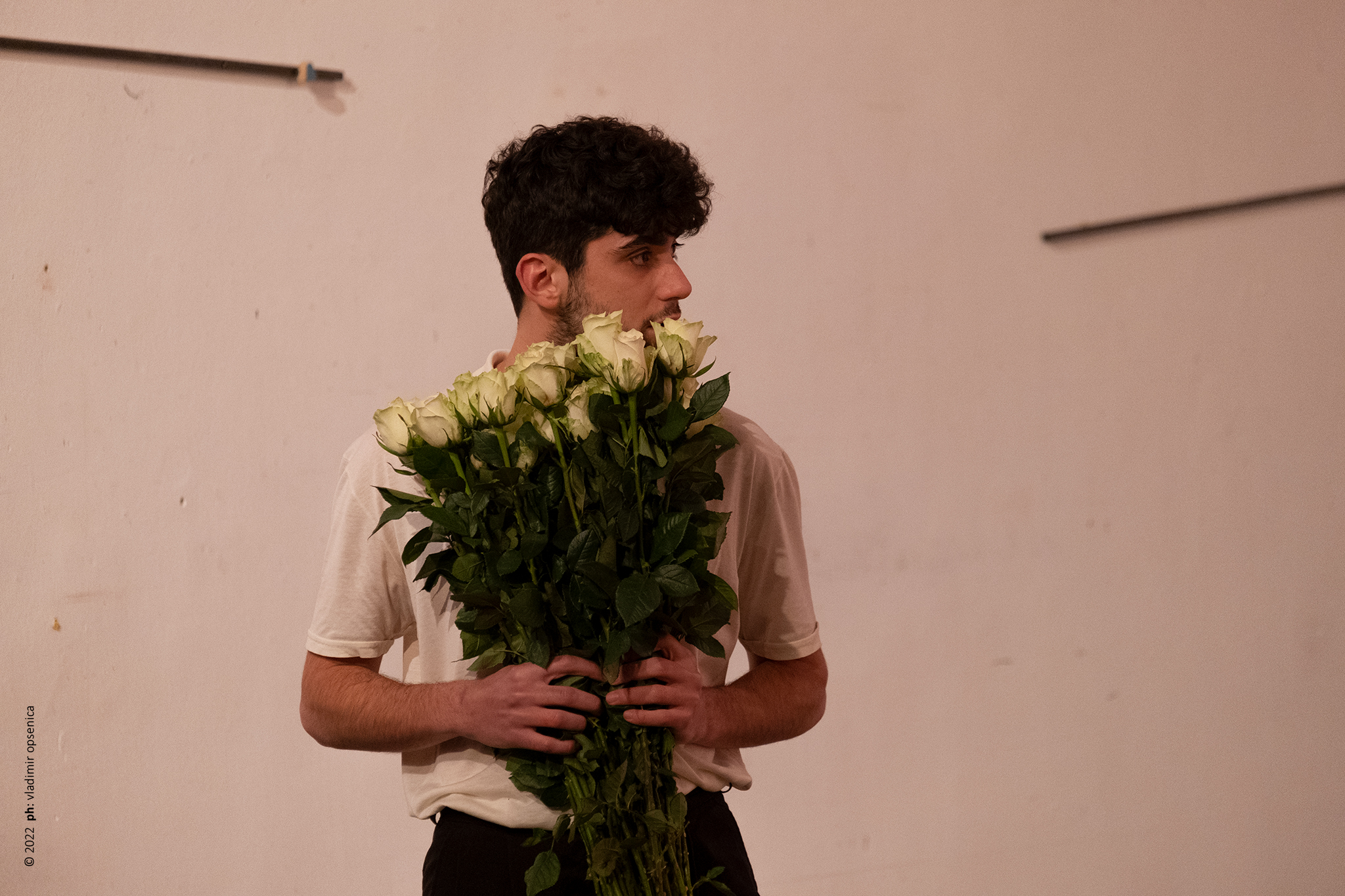
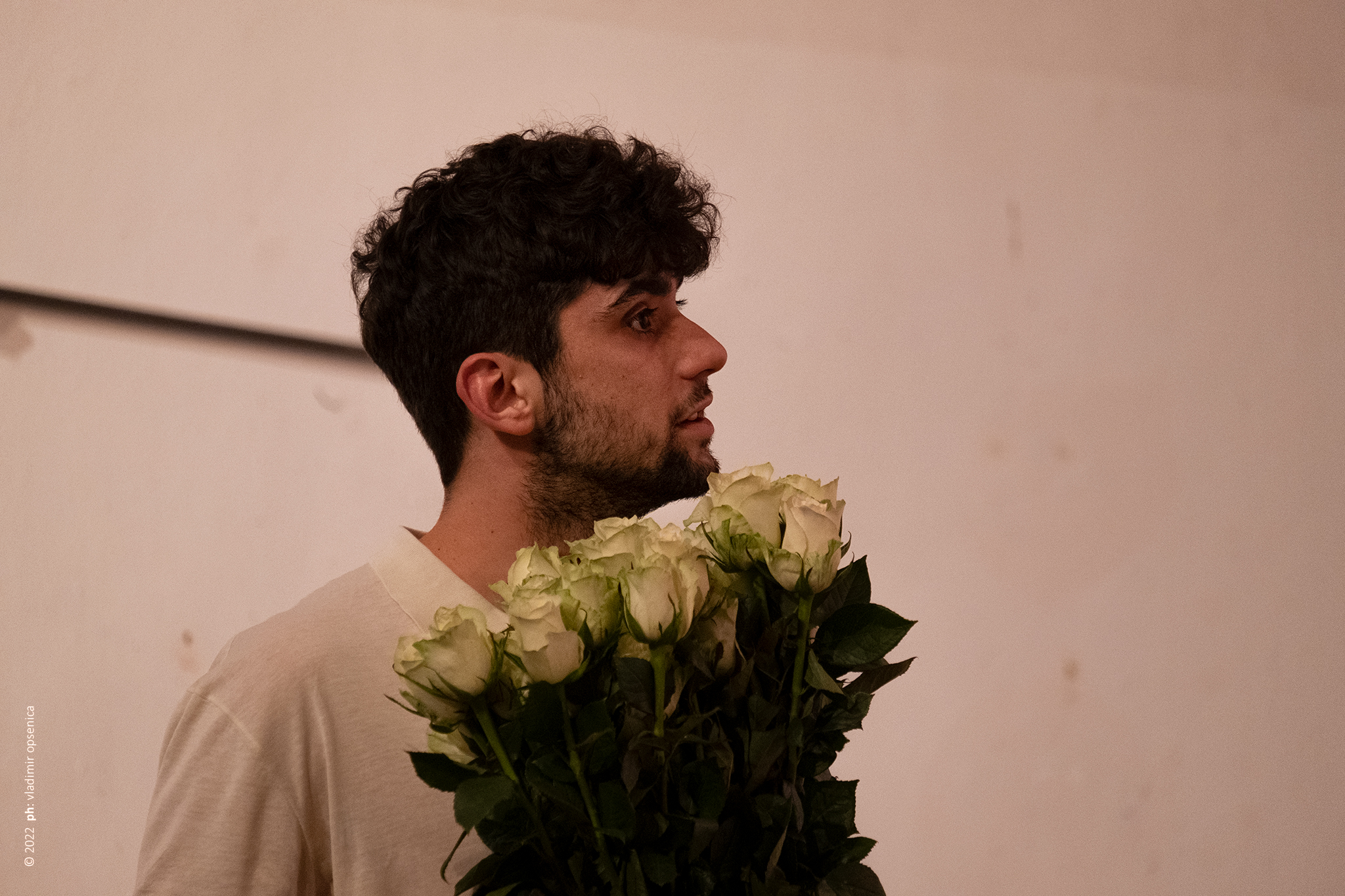
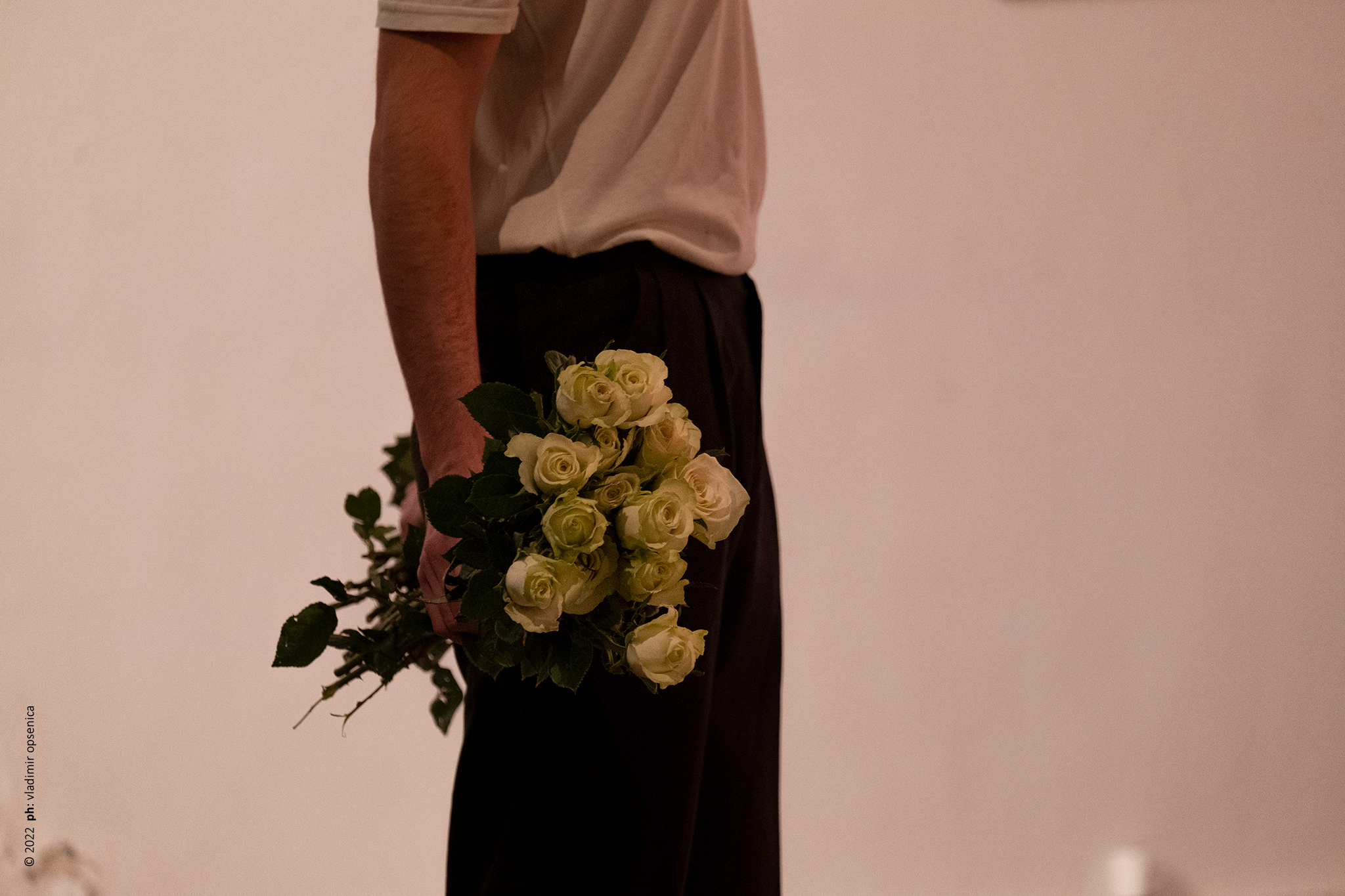
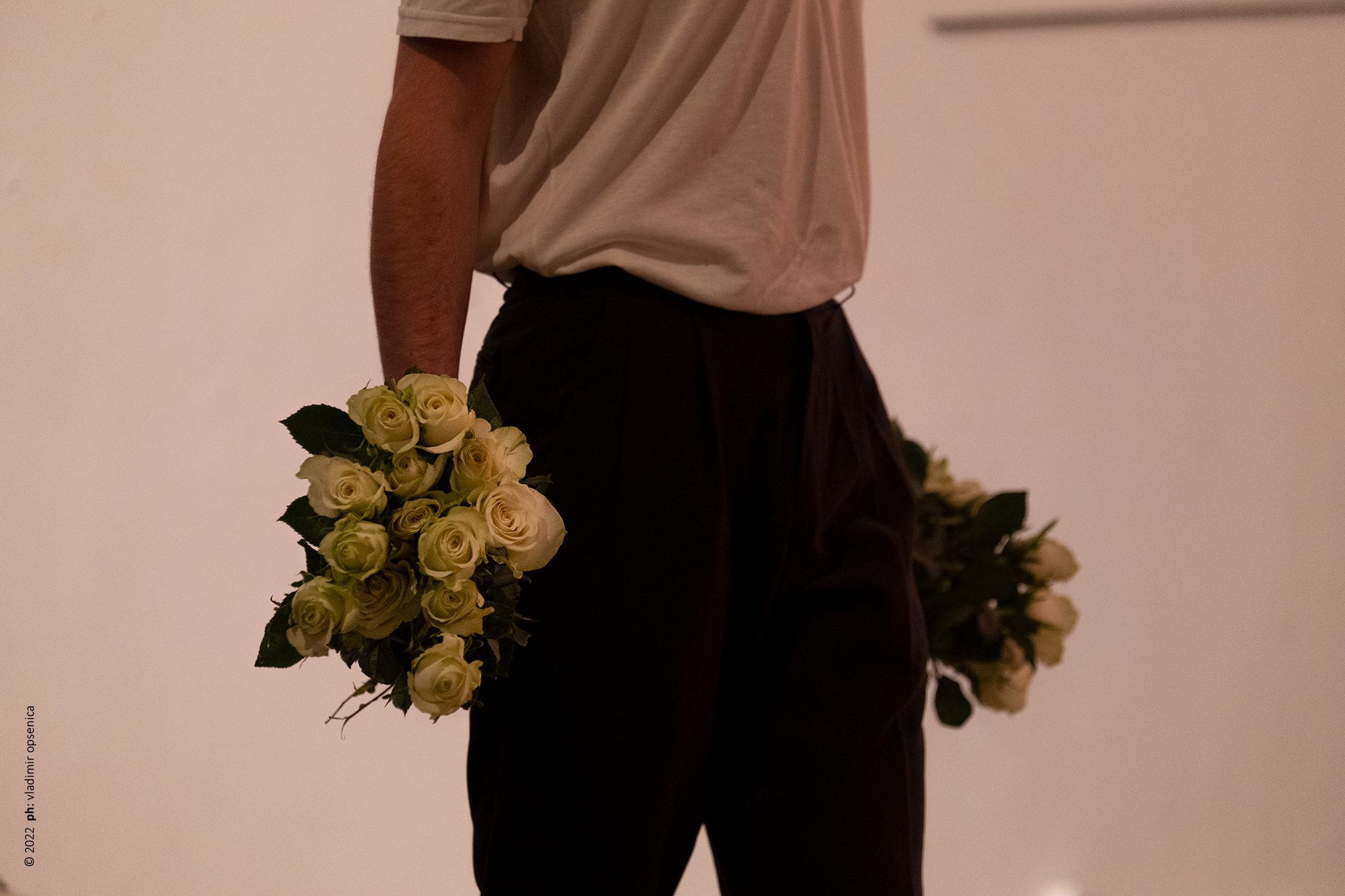
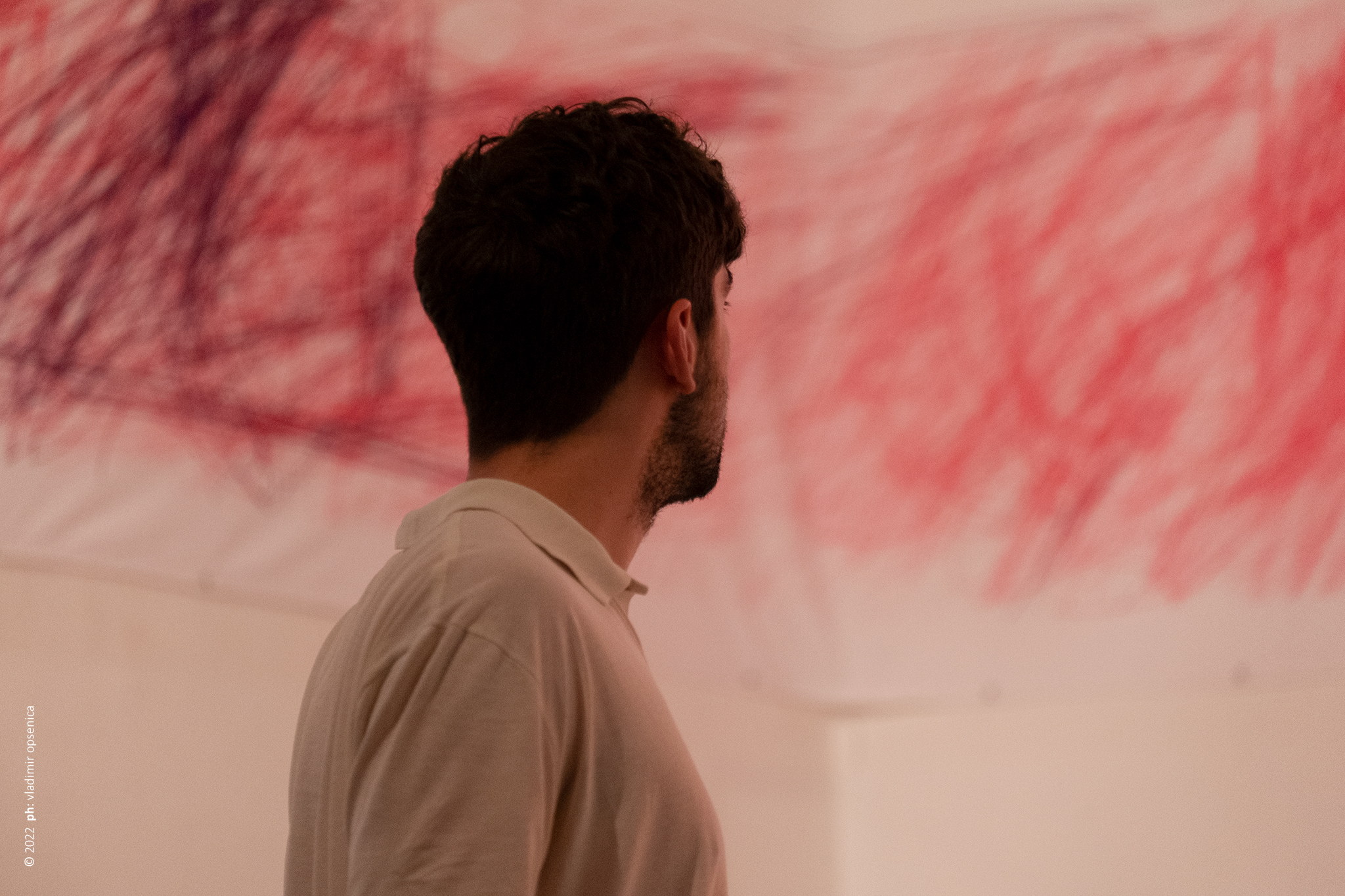
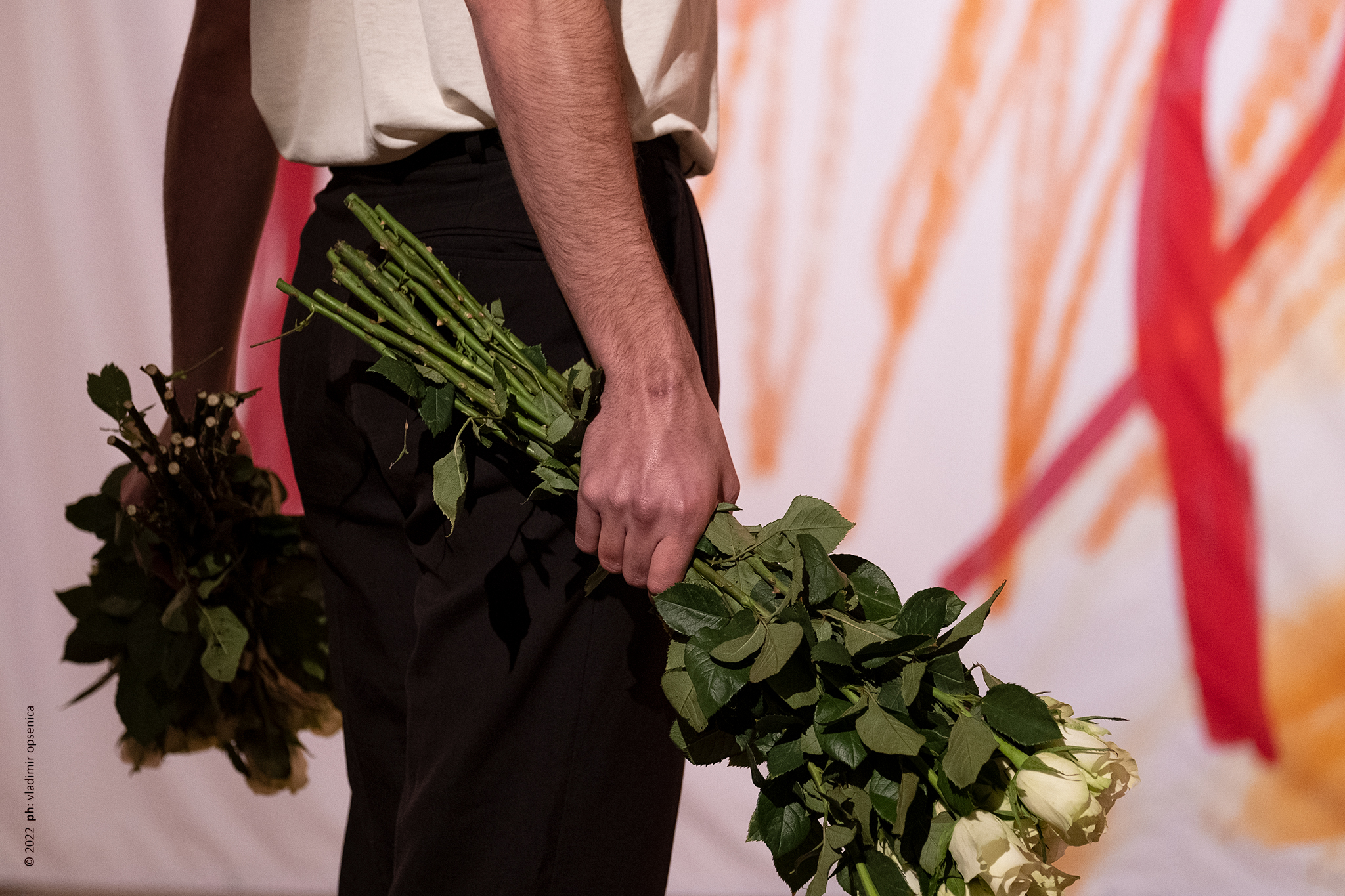
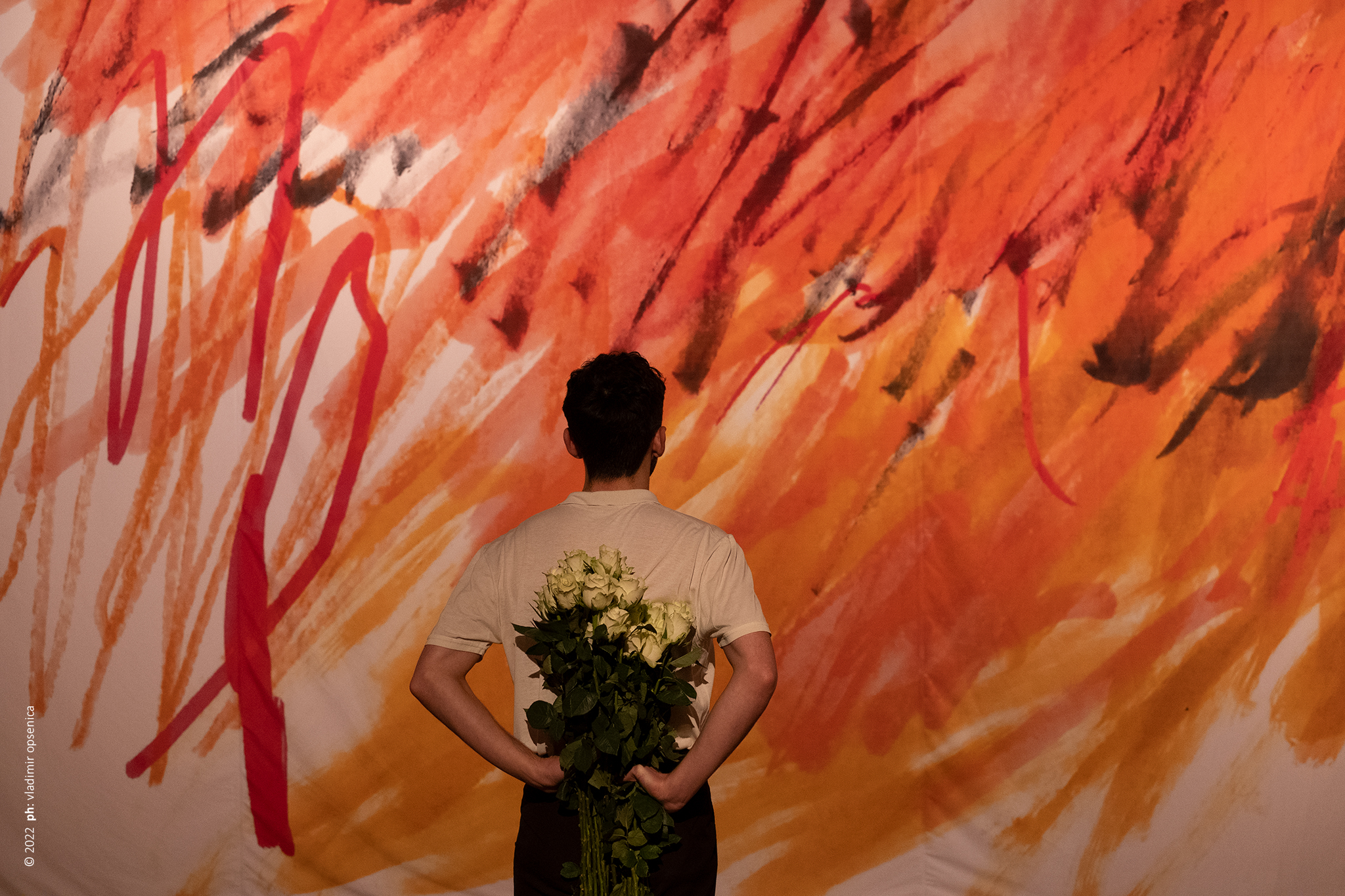
Bojan Đorđev's research explores the relationships and tensions among the concepts of “the people,” “national,” “popular,” “populist,” “folkloric,” and “avant-garde,” drawing on examples from mid-twentieth-century communist art. His references include American protest folk songs, leftist choreographers in New York, and Yugoslav partisan and revolutionary art, particularly partisan poetry. At this stage of the project, together with actor Nikola Voštinić, Đorđev investigates the performative potential of three poems: Arthur Rimbaud's The Sleeper in the Valley (1870), its partisan adaptation from the Battle of Sutjeska, The Sleeper (1943) by Radonja Vešović, and Lewis Allan's American poem Beloved Comrade (1936).
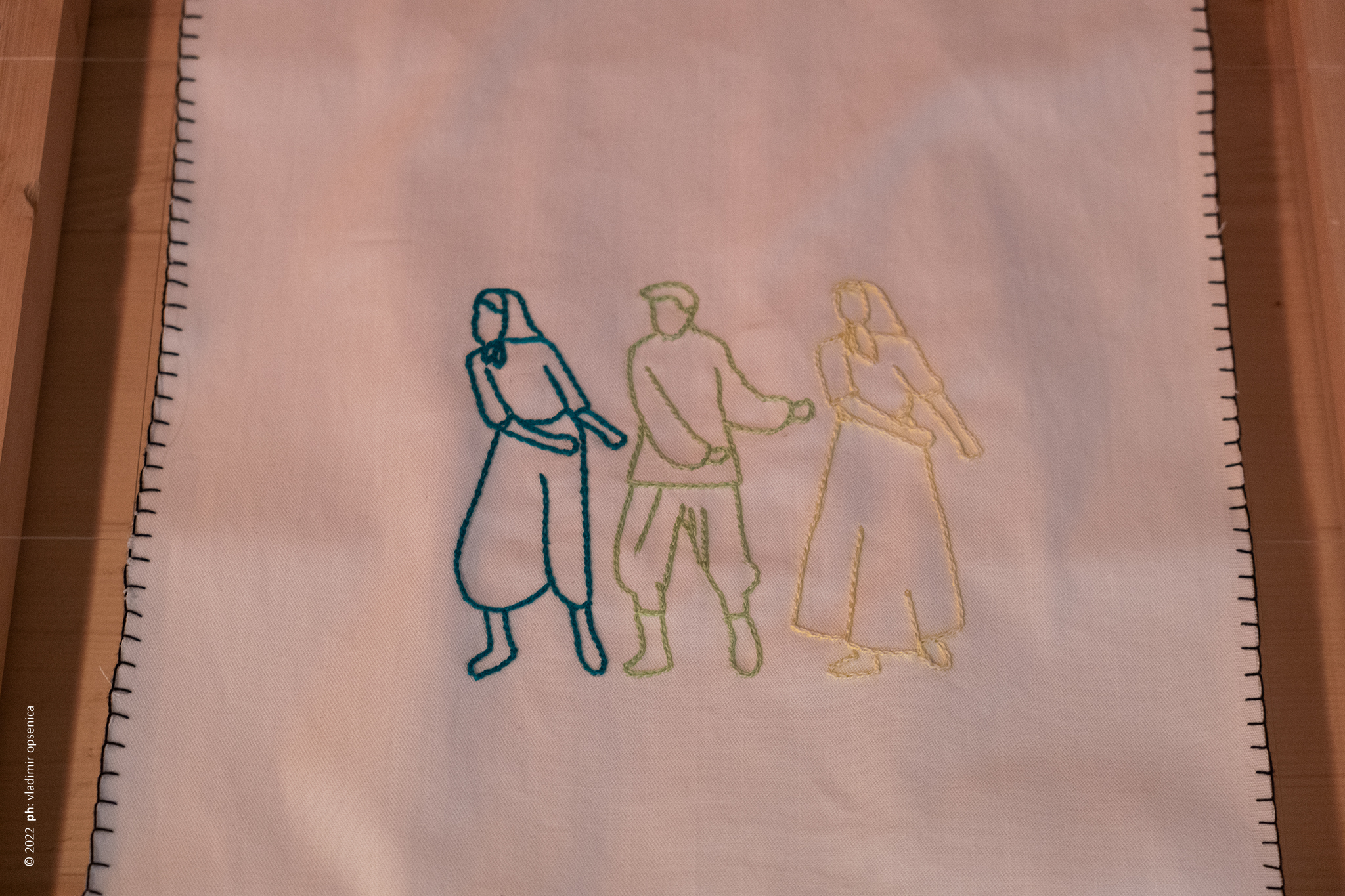
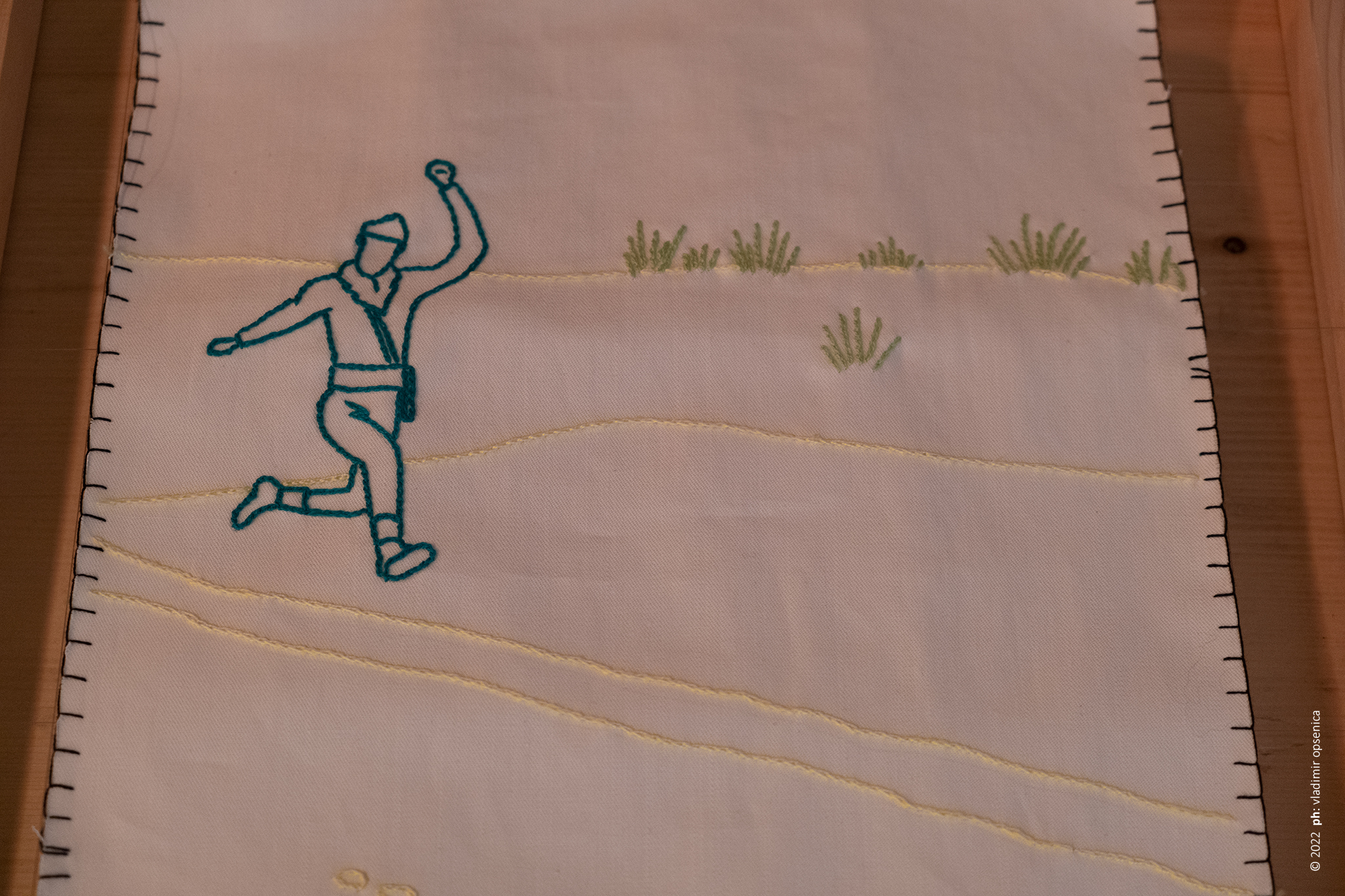
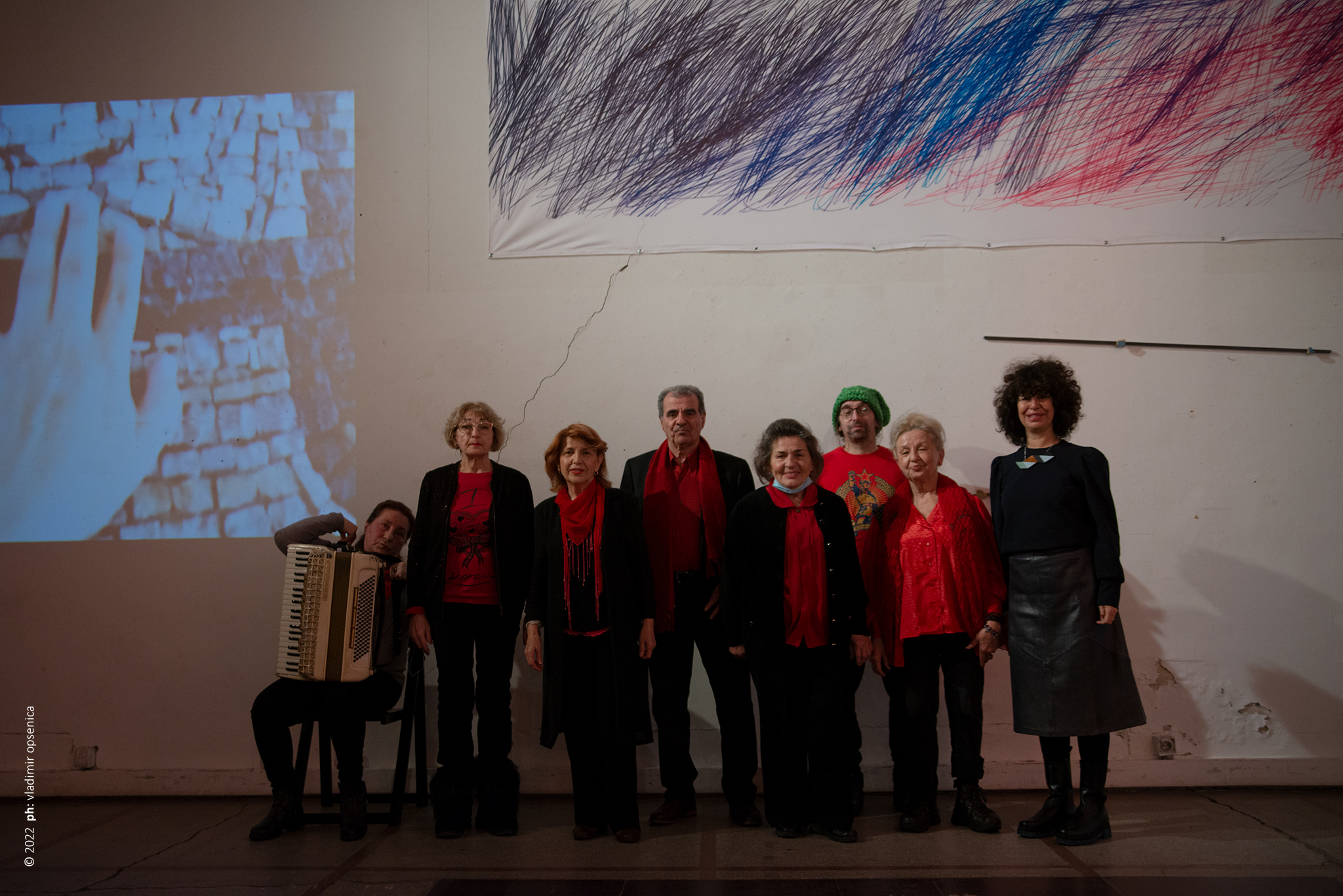
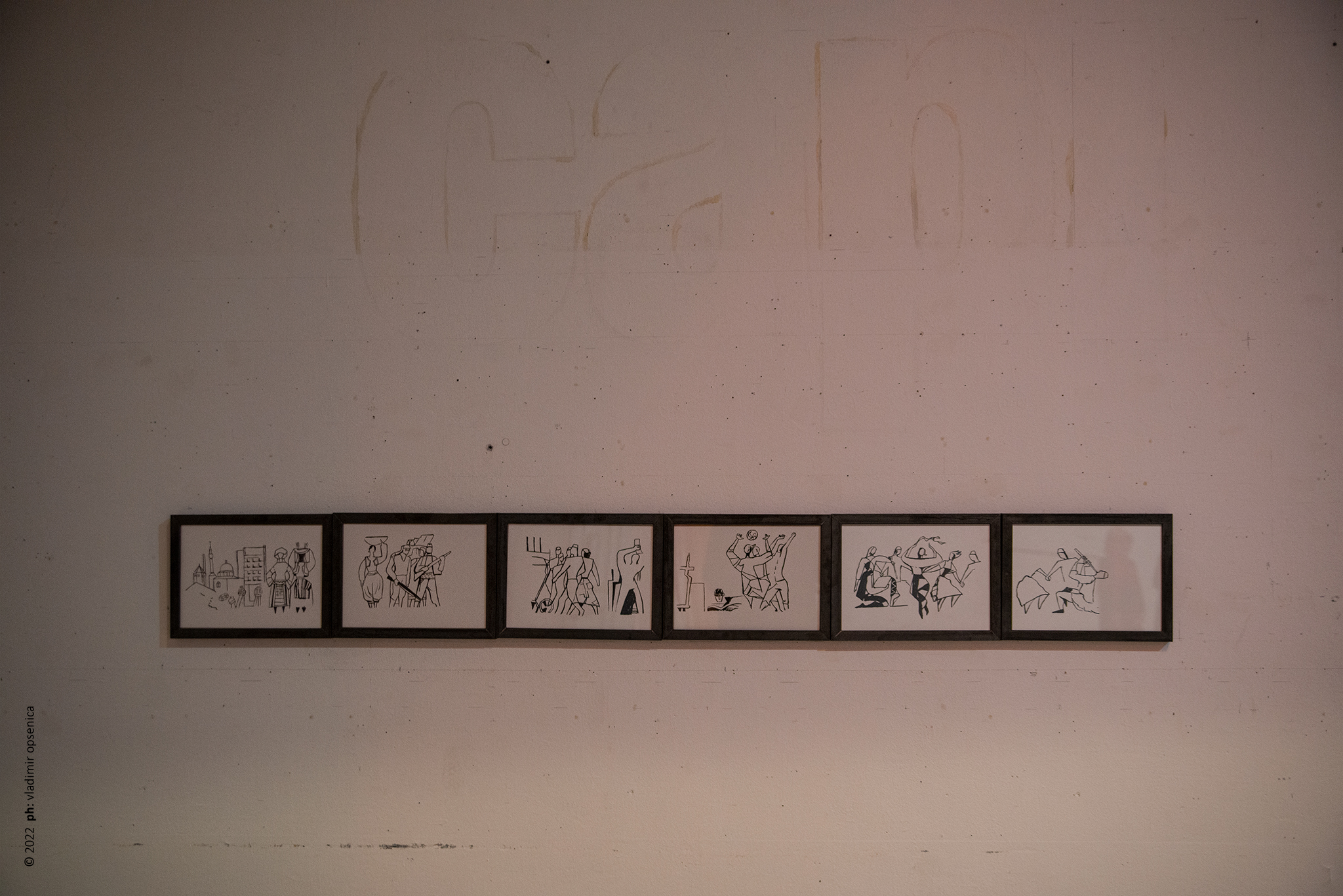
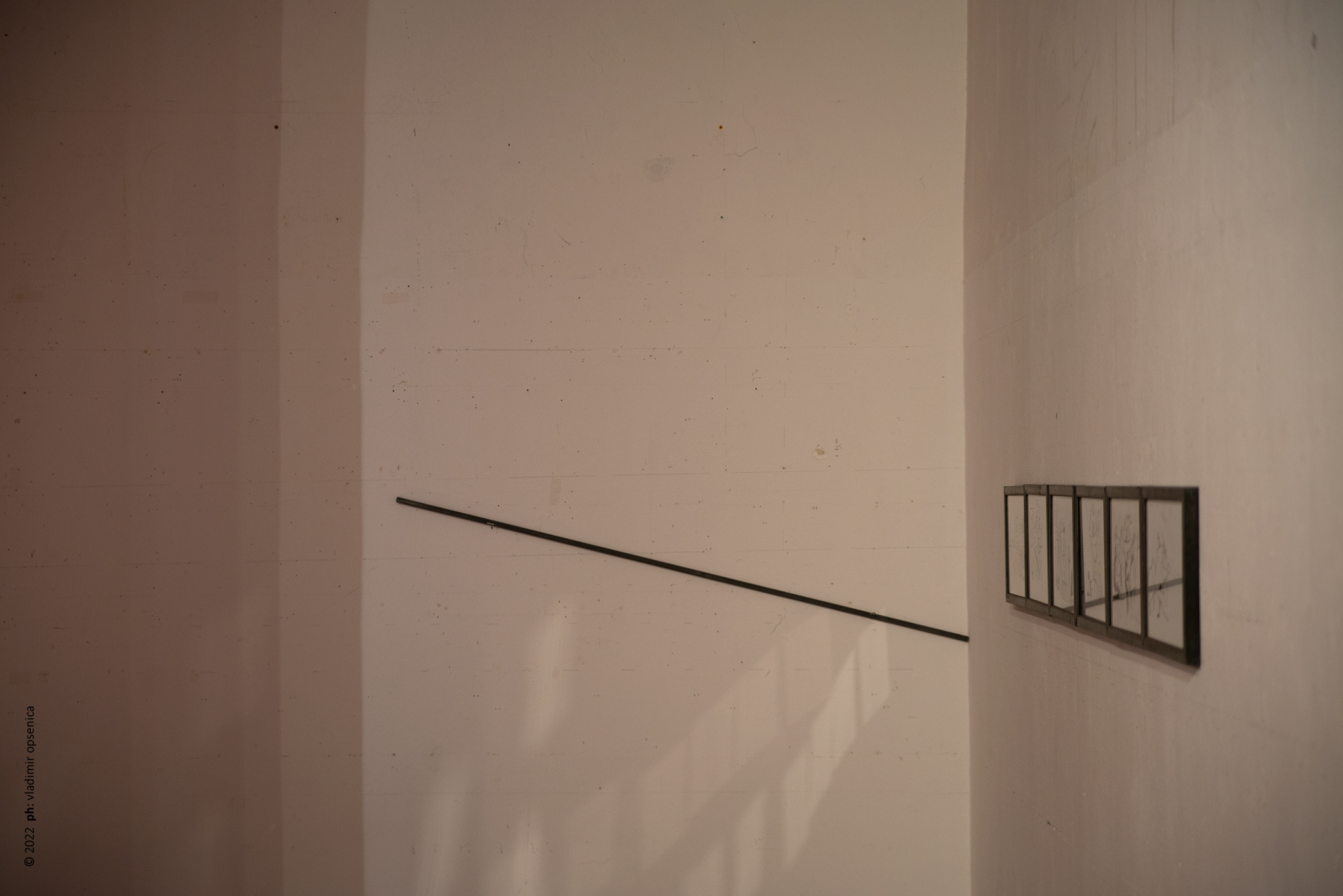
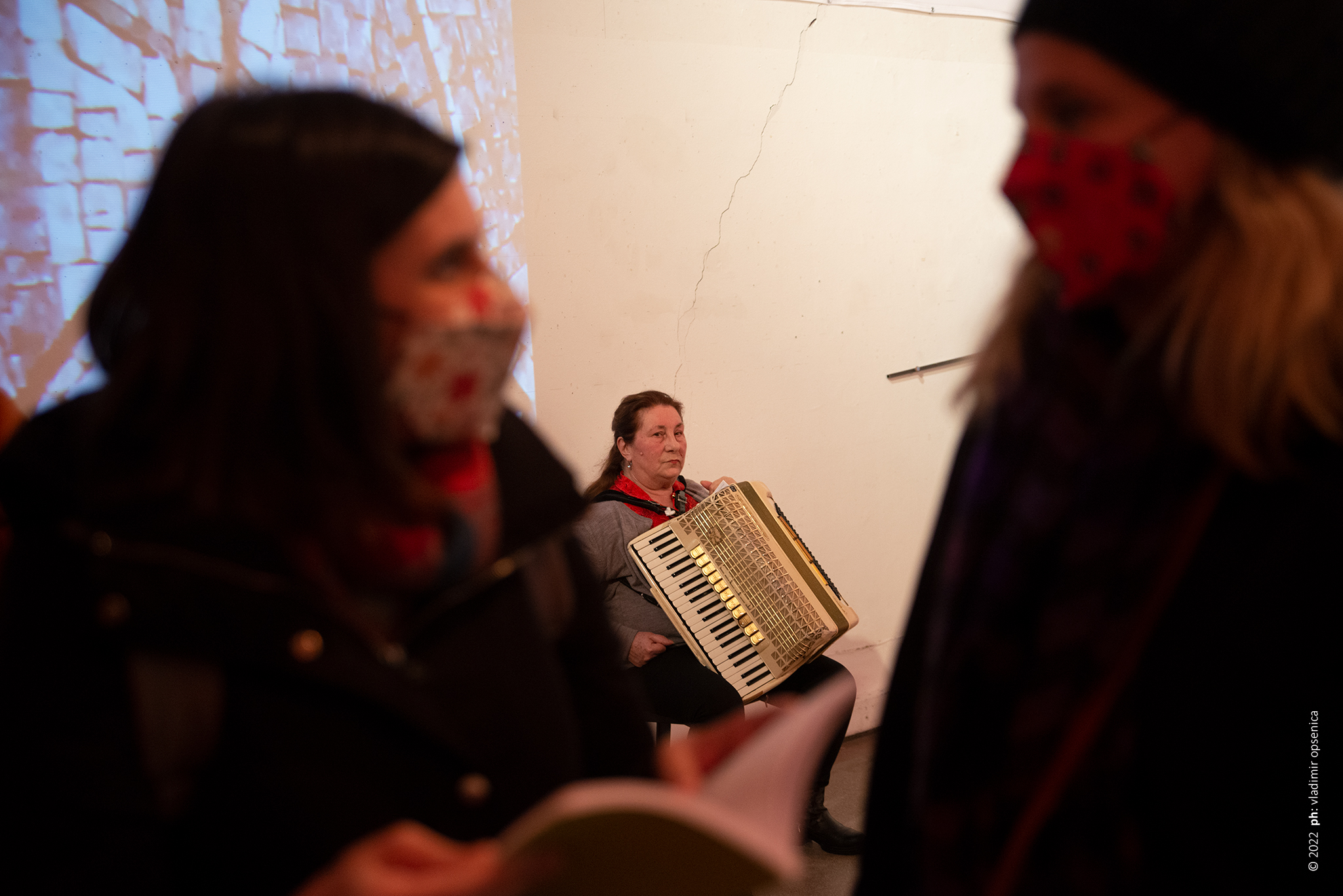
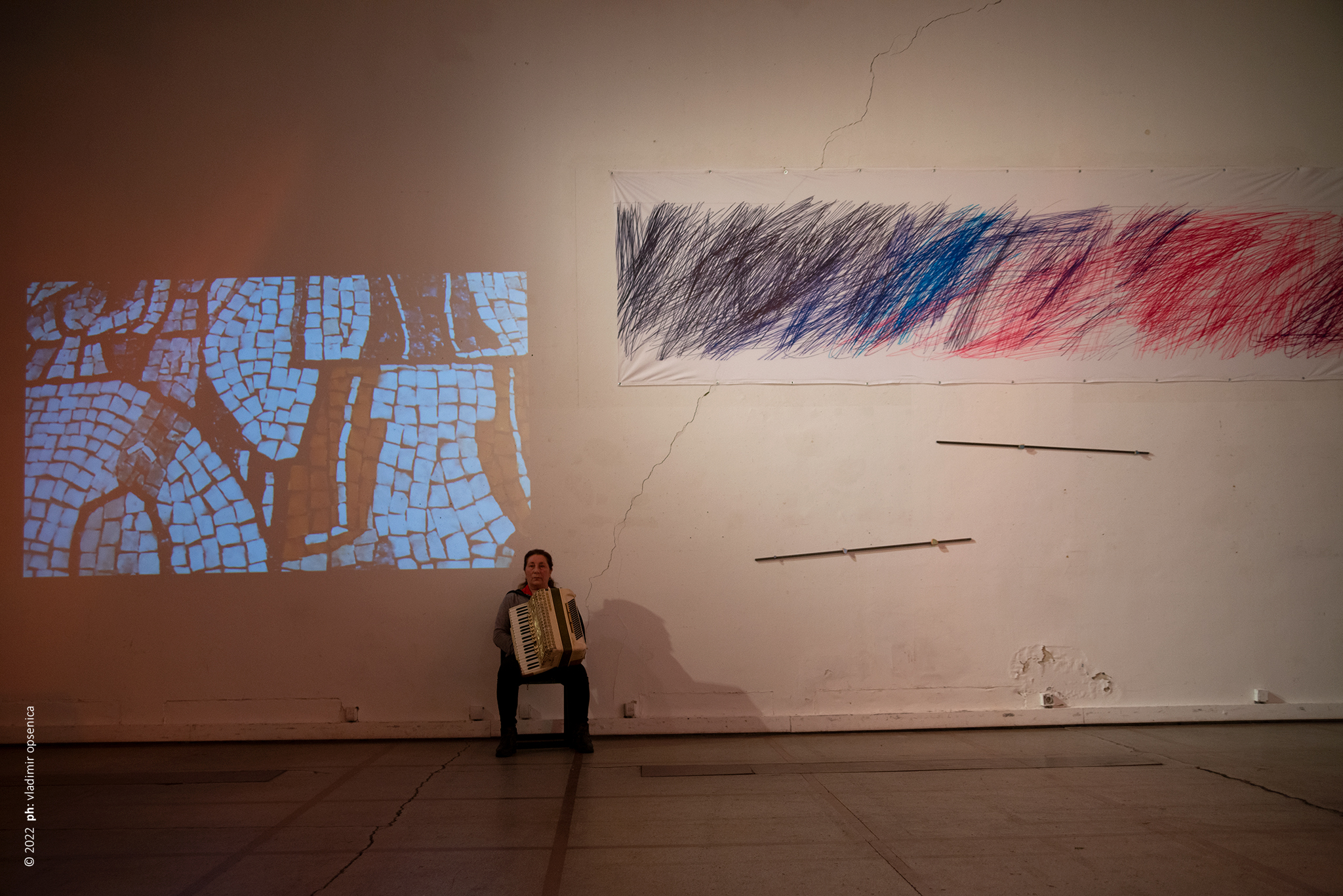
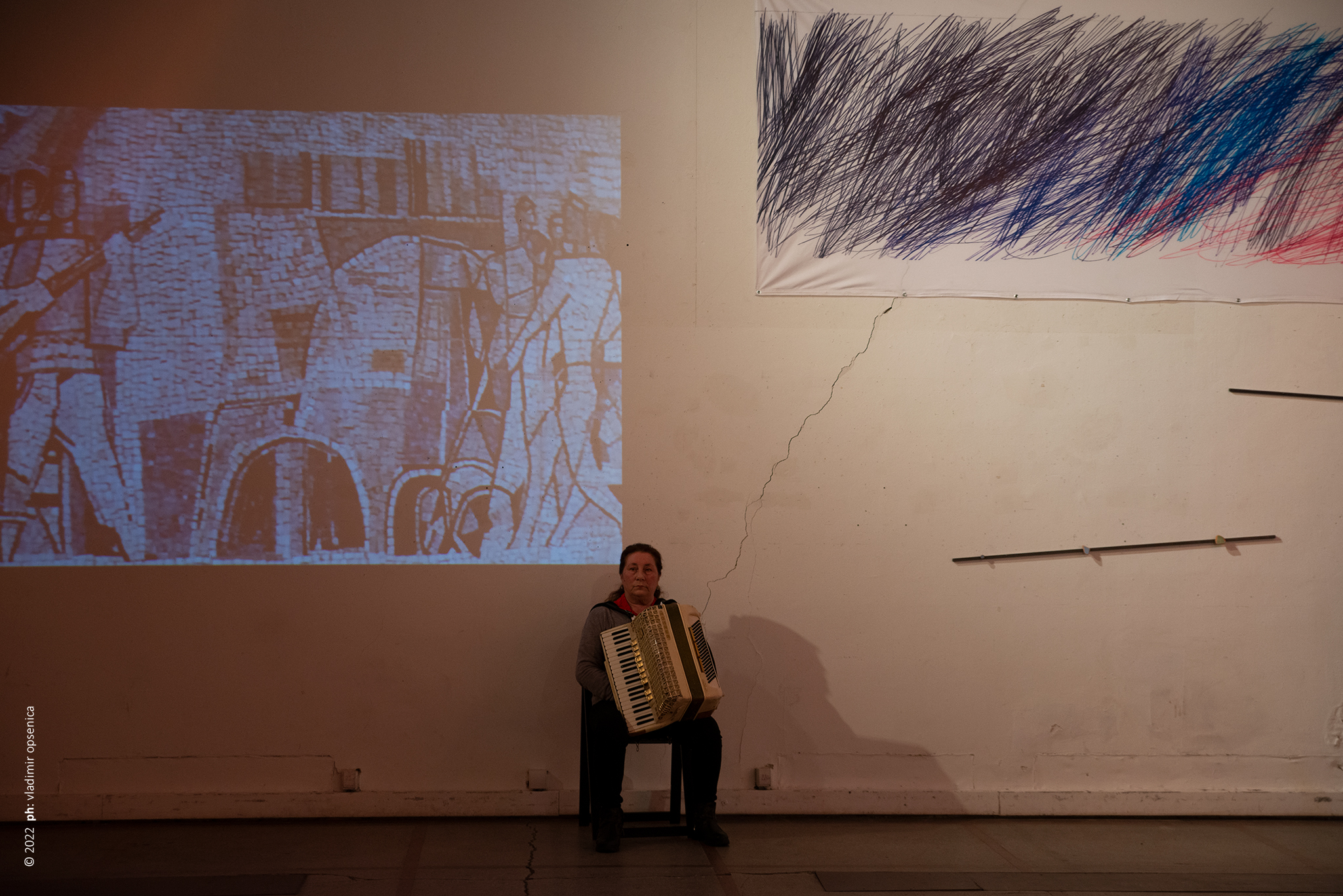
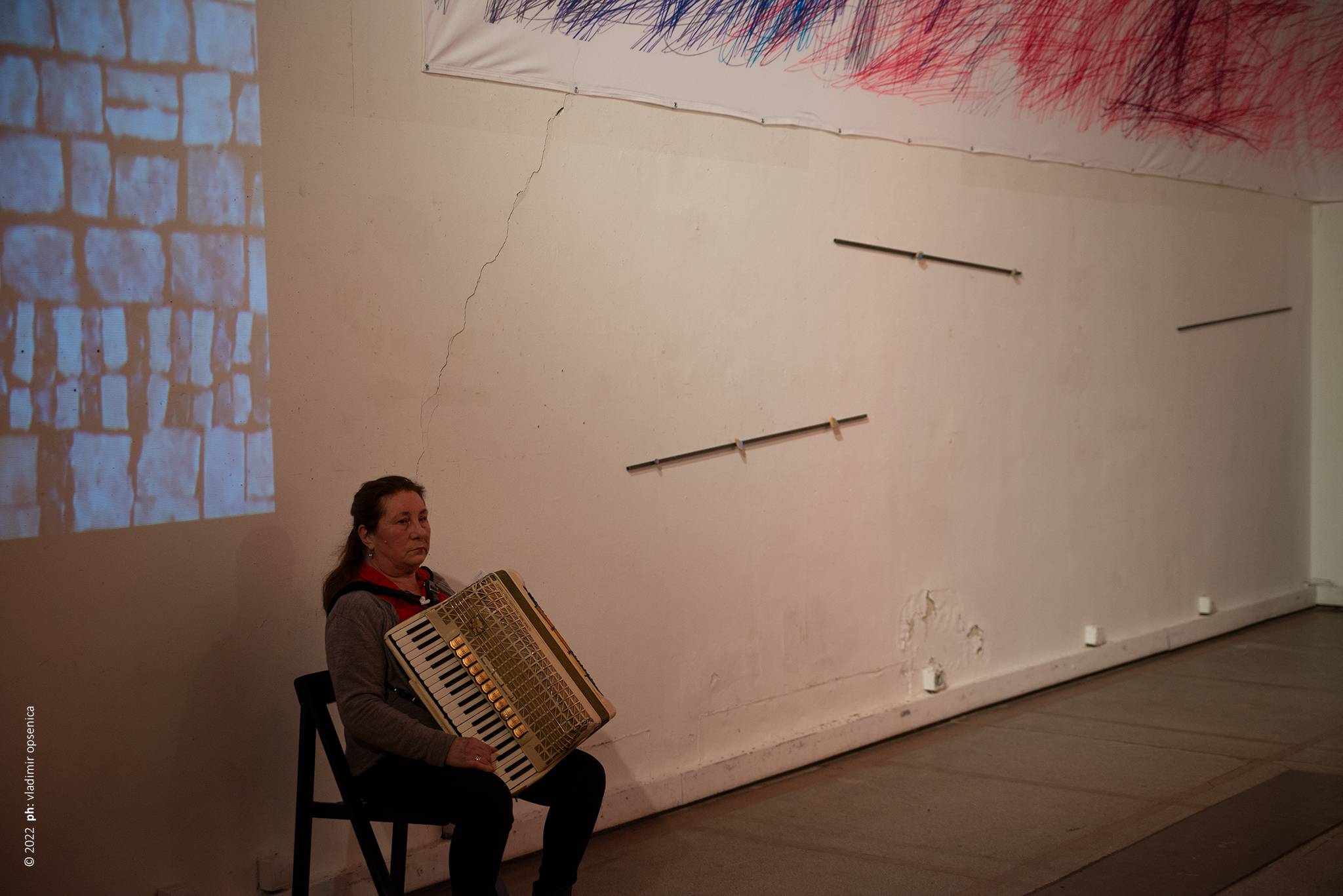
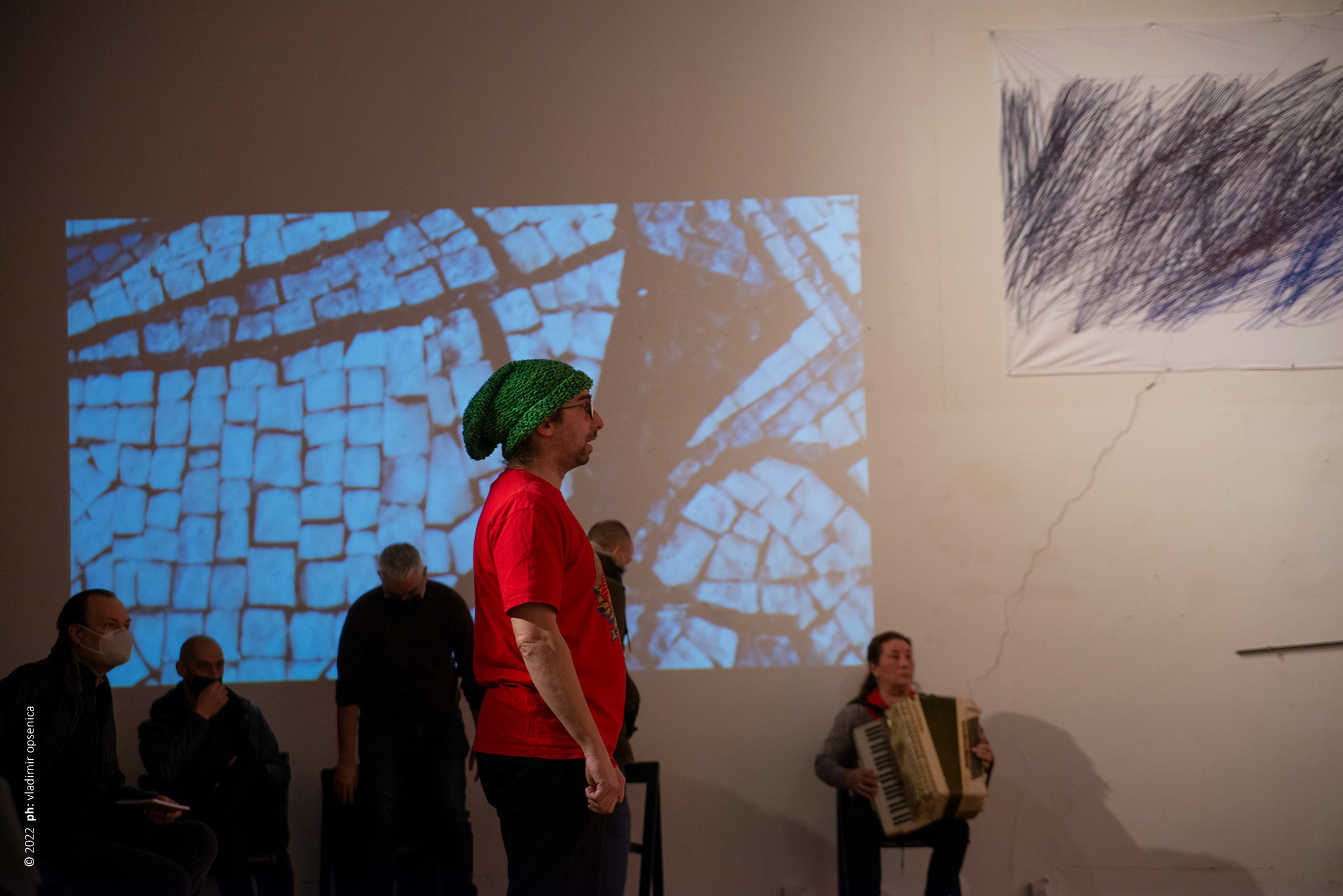
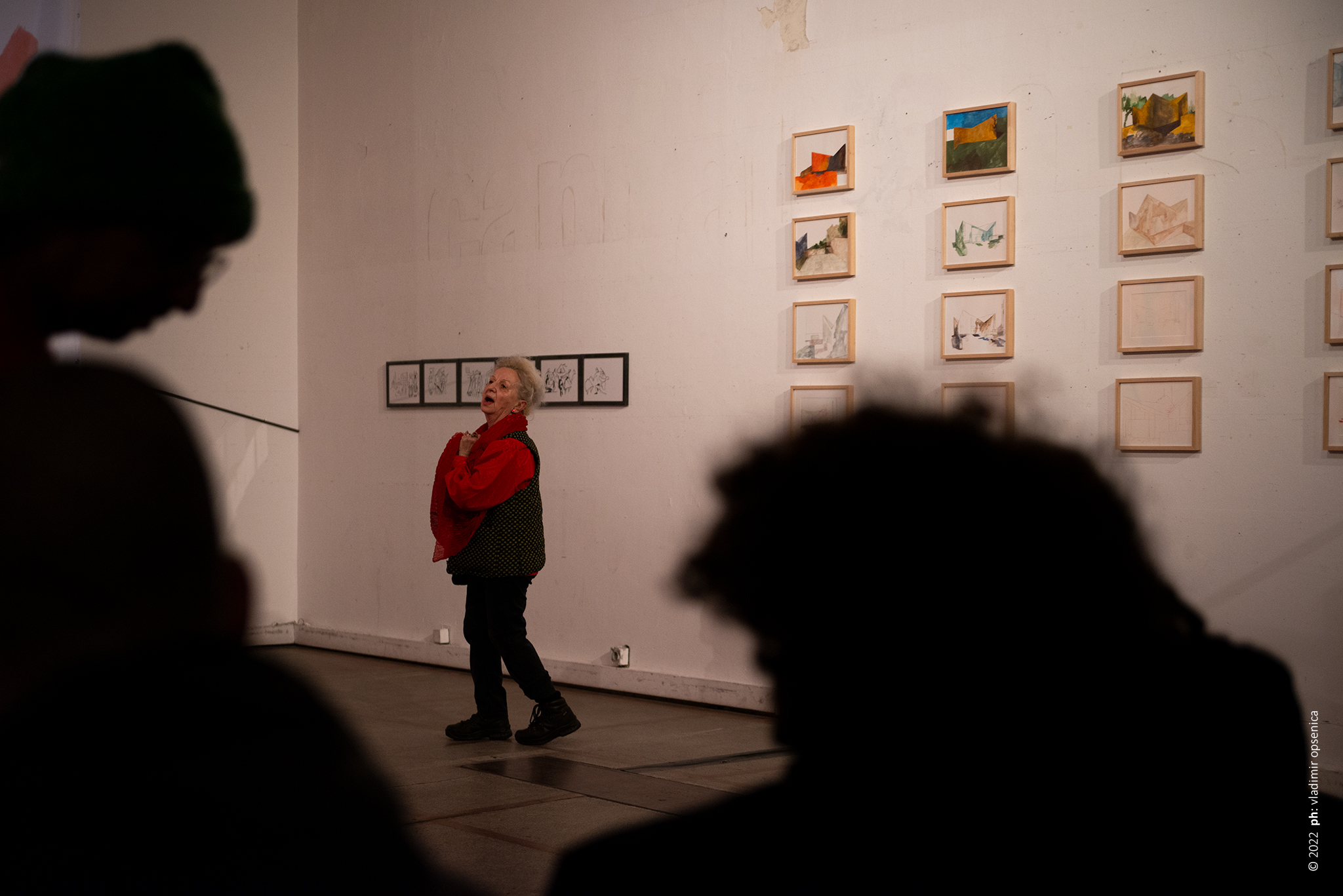
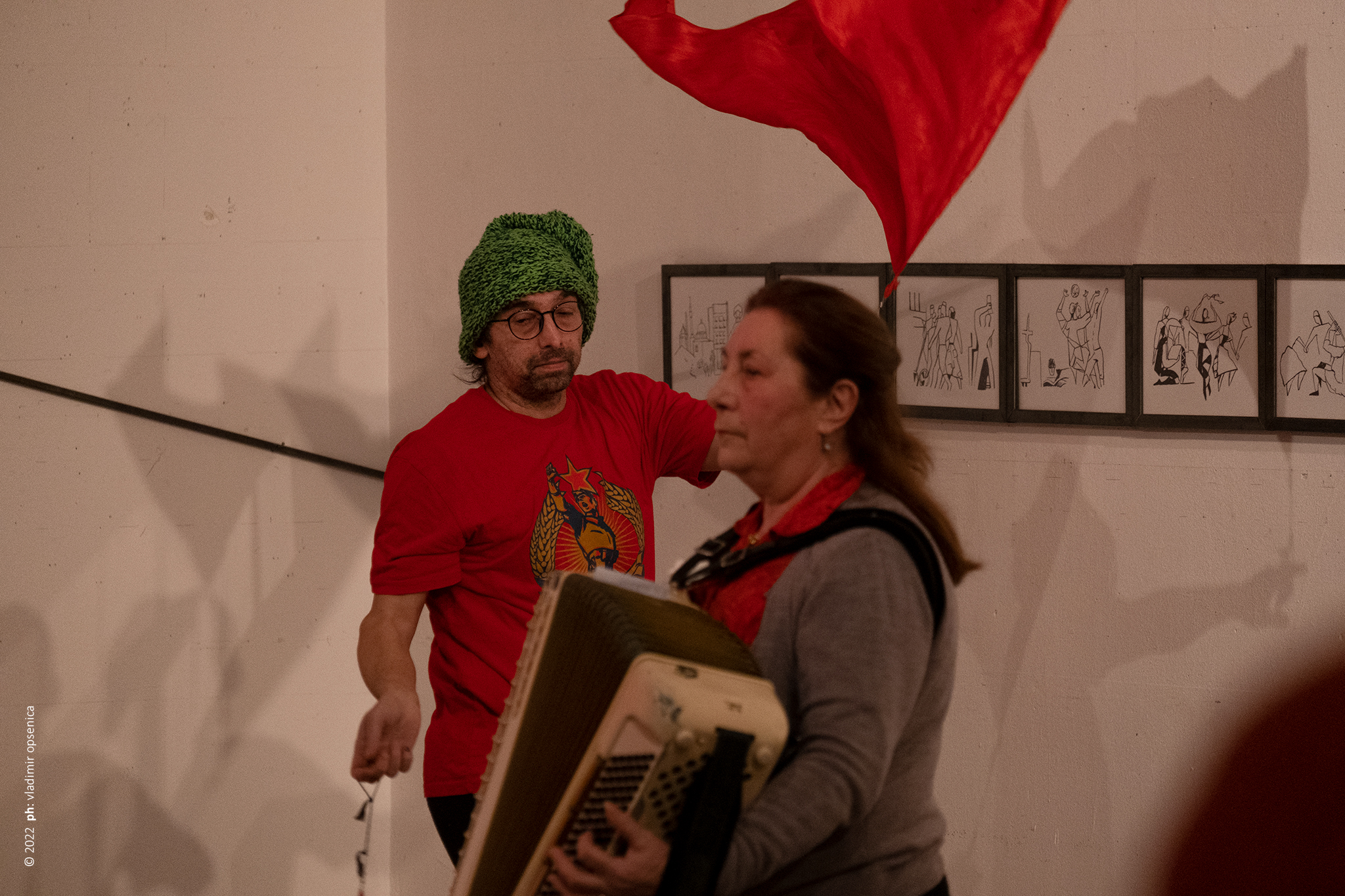
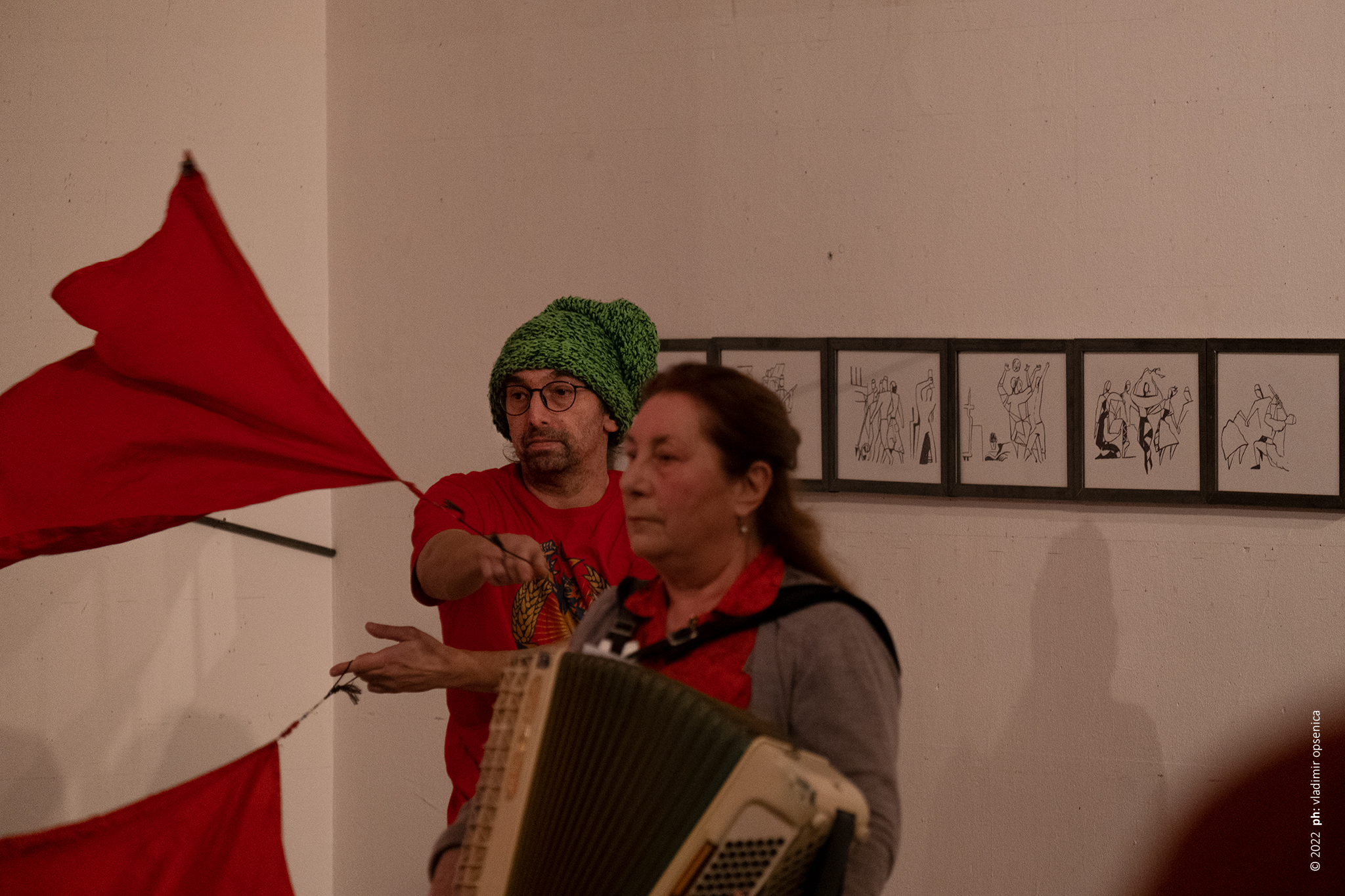
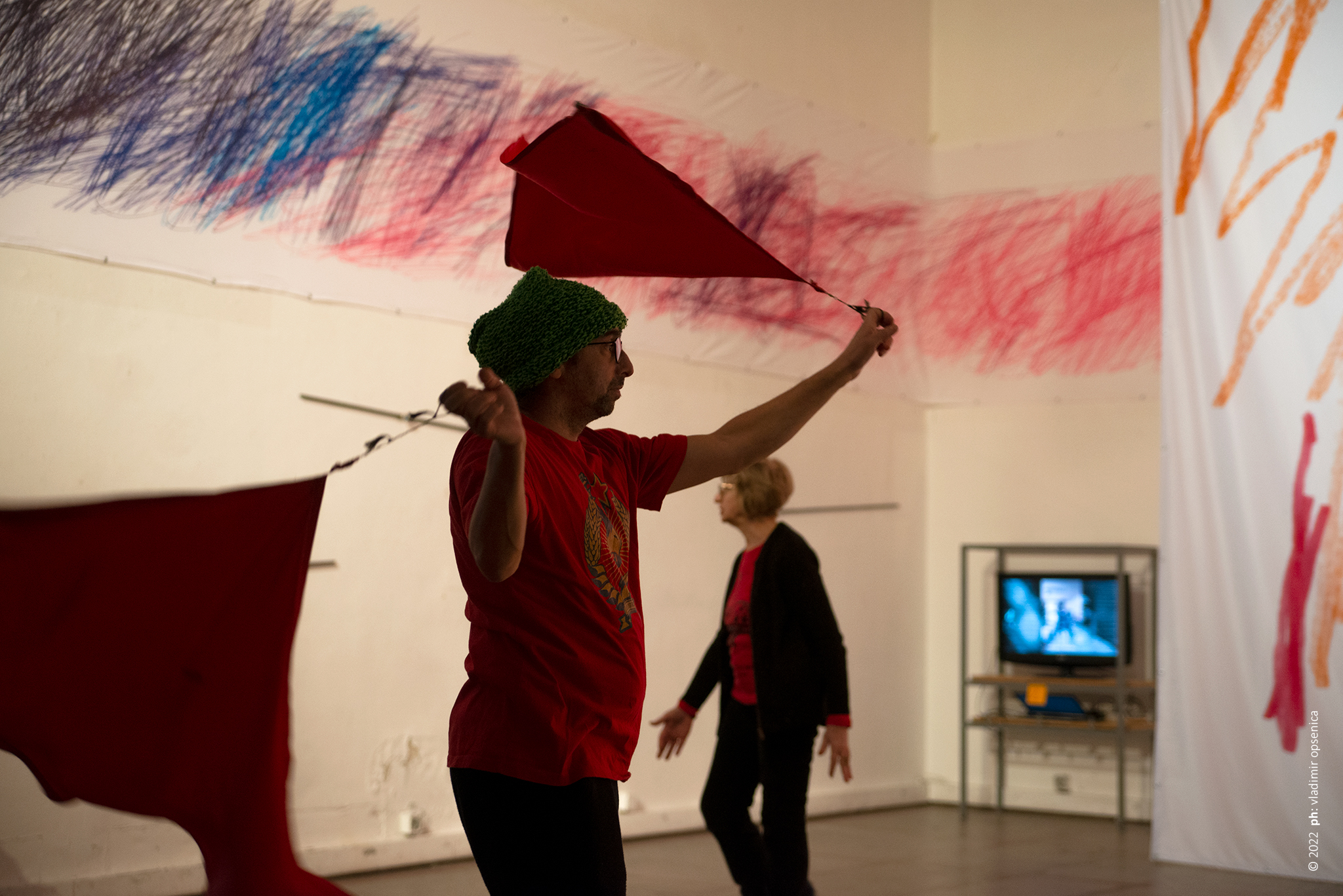
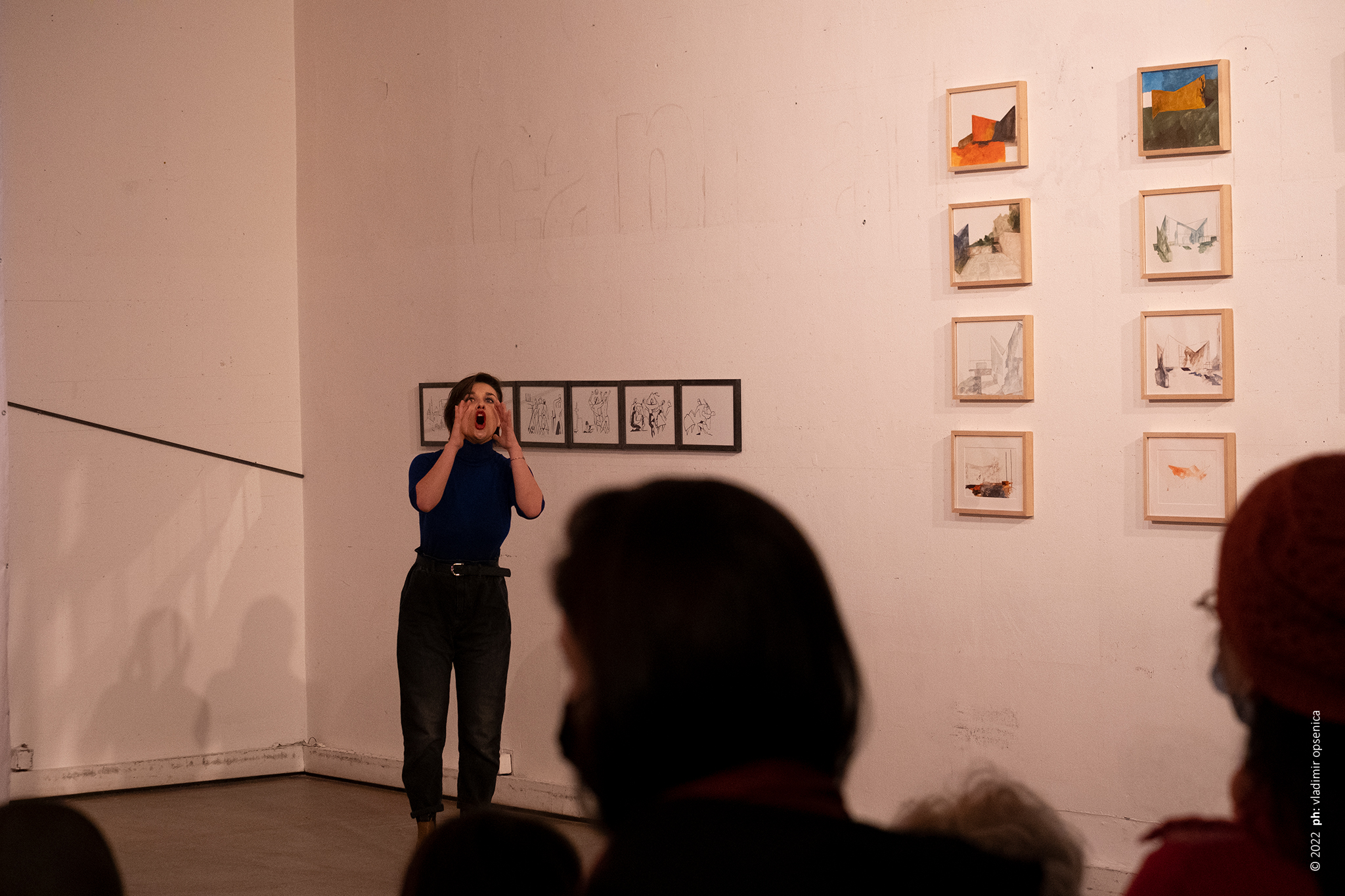
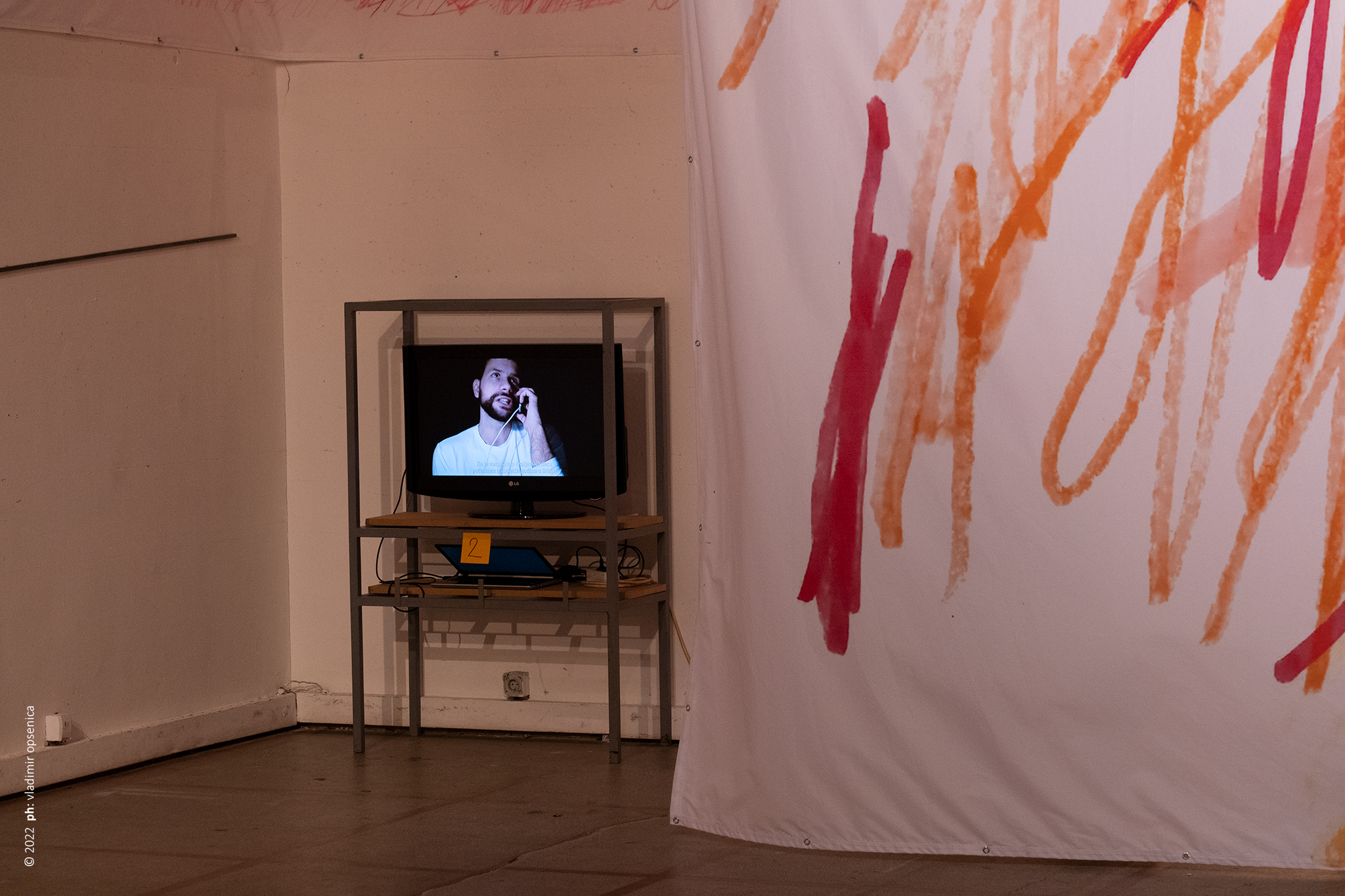
Siniša Ilić's artistic research is based on interpretations of a historical mosaic by Miloš Gvozdenović, installed in 1969 in the foyer of the Cultural Center in Novi Pazar. Through a series of figurative narrative scenes, the mosaic presents a panoramic view of society—one that can be understood as a welfare society grounded in social protection. Its rhythm, imagery, and narrative are choreographed and compositionally balanced, moving from ethnographic depictions of customs, struggle, urbanization, modernization, industrial textile production, and sports, and culminating in a scene of dance and culture. The research takes shape through a series of visual and spatial/performative interpretations, the first of which is based on drawing, video, and stone texture. This segment of the research is part of Ilić's collaboration with the Center for Cultural Decontamination.
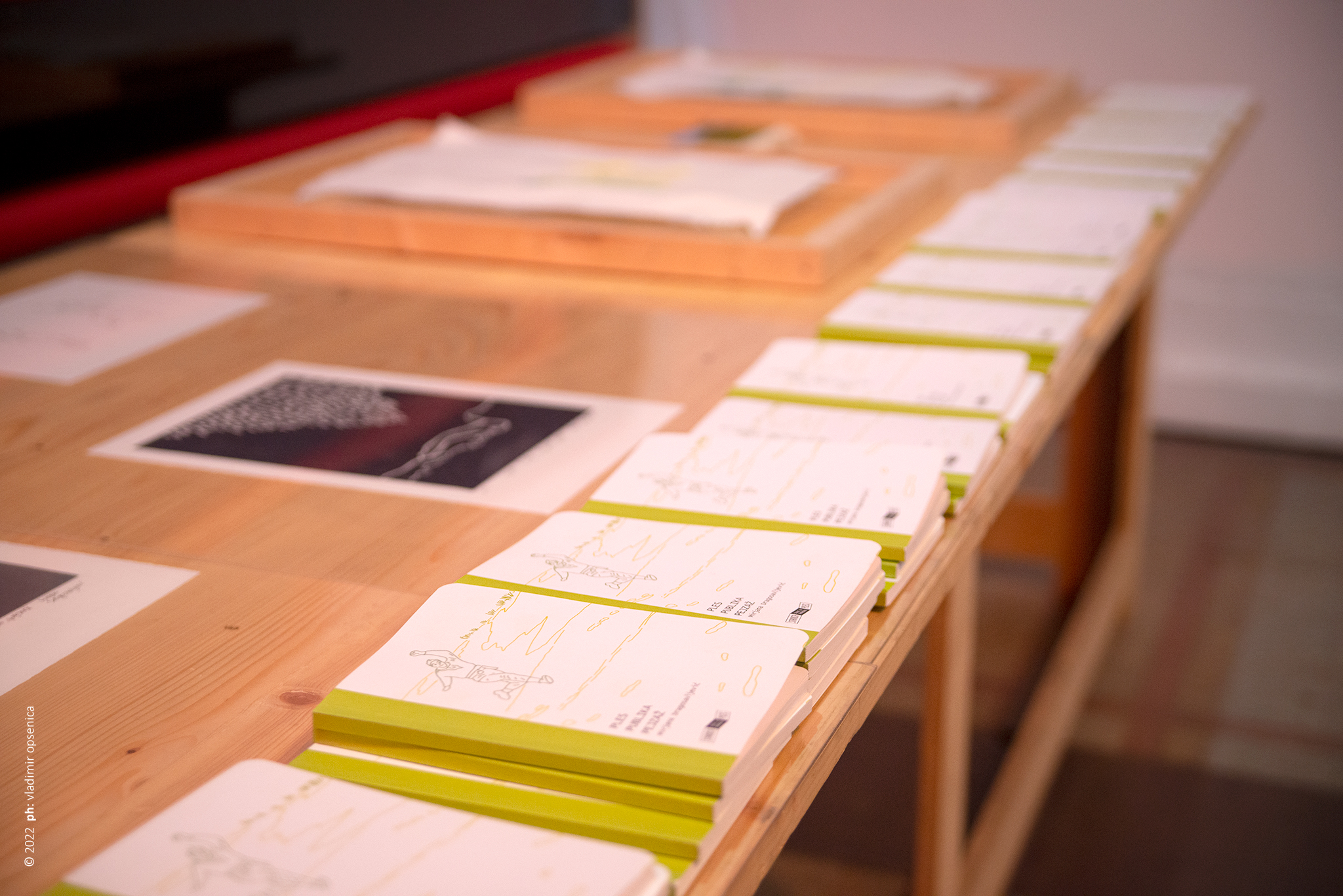
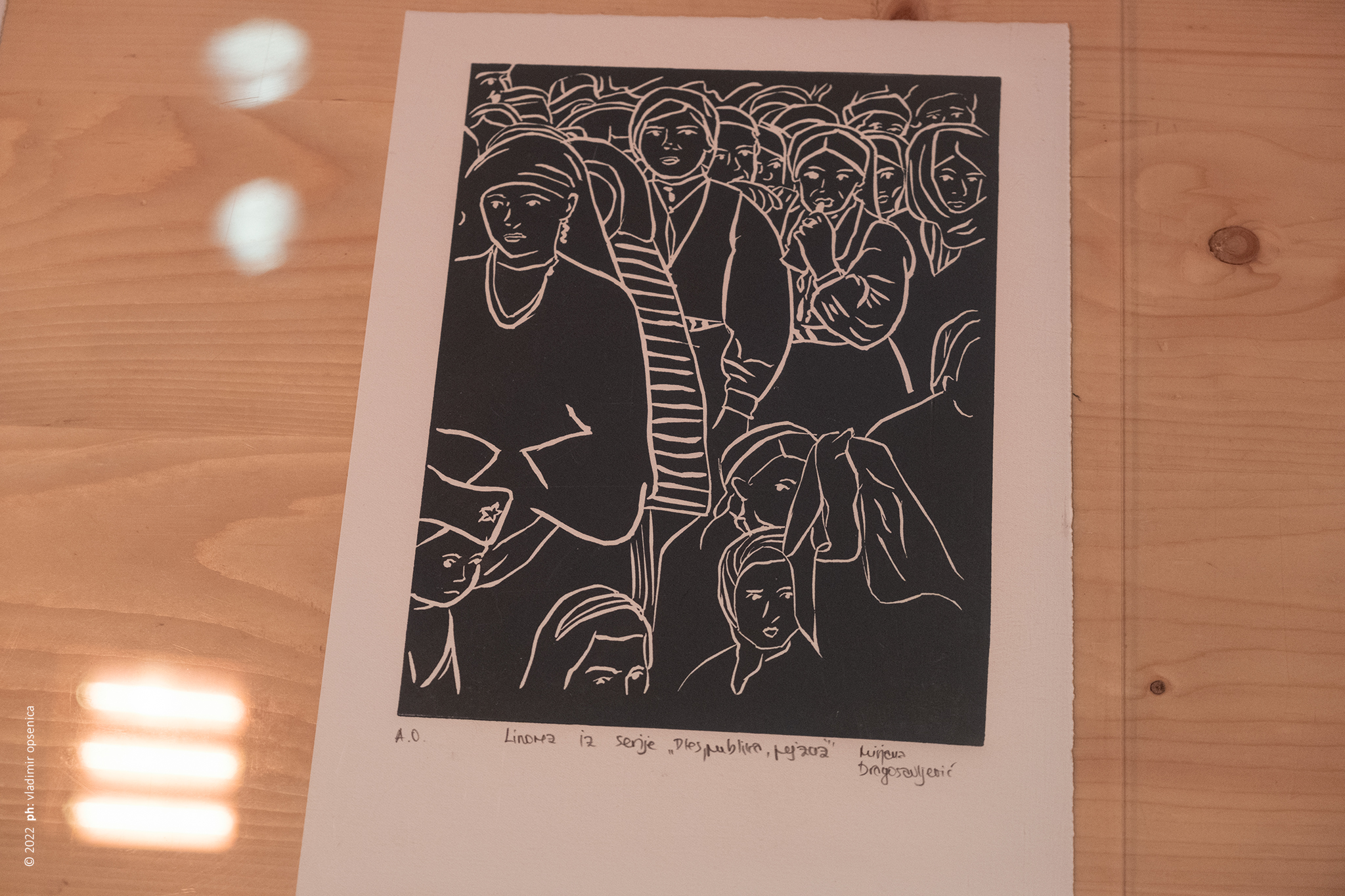
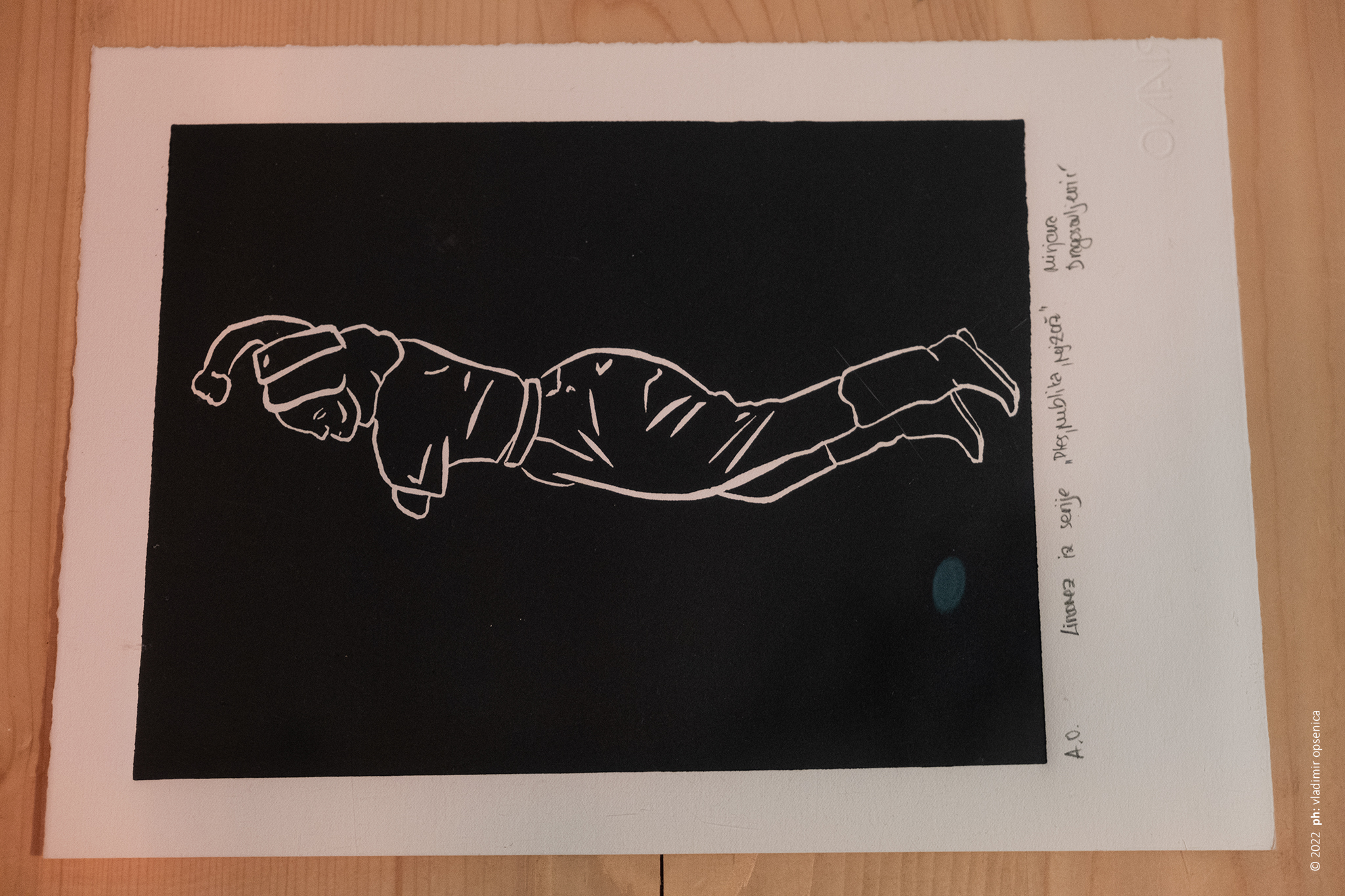
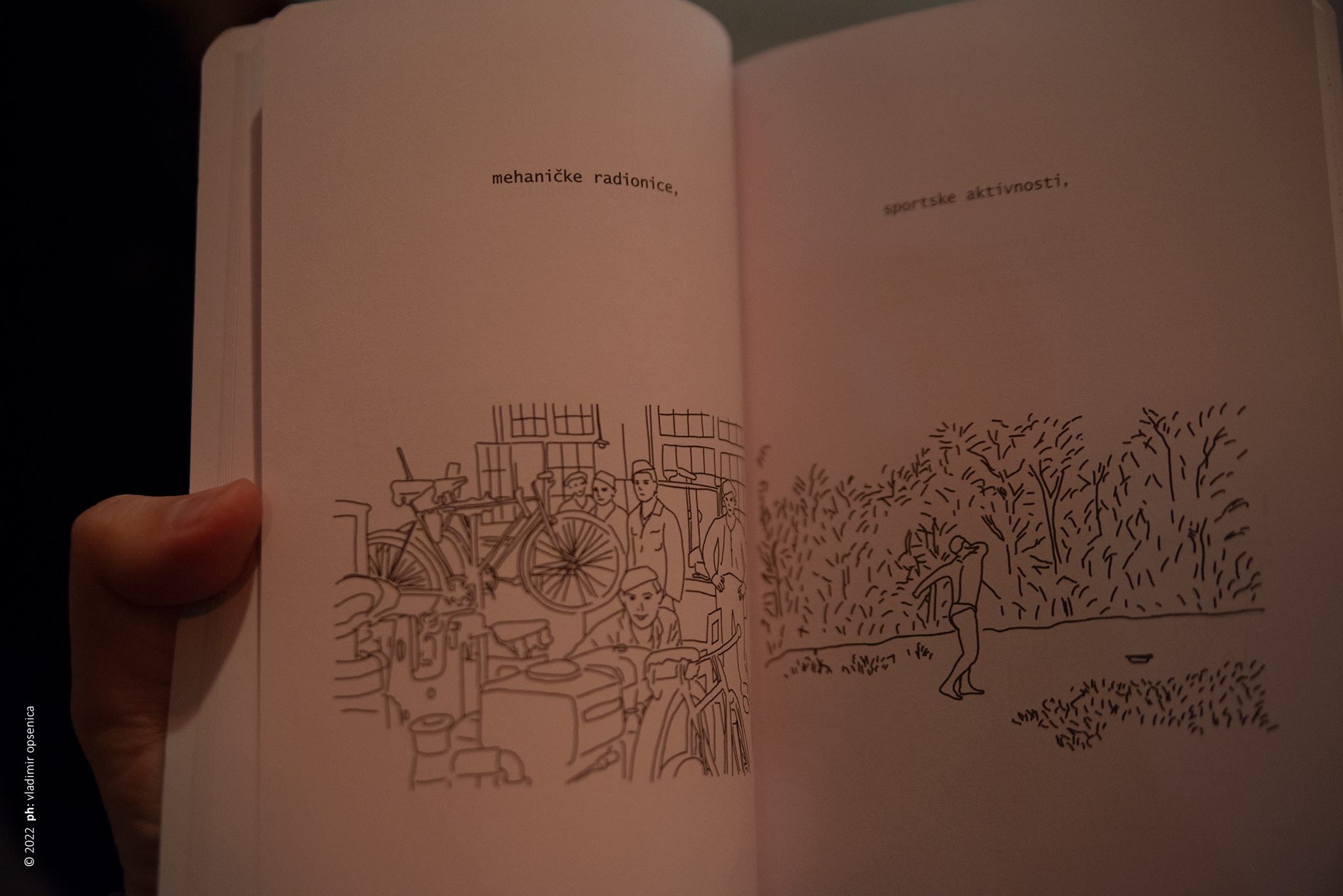
In her research, Mirjana Dragosavljević combines text and image—a format adapted to the dominant modes of content consumption through social media and popular culture—to explore various practices of dance and movement within the context of the Yugoslav Revolution.
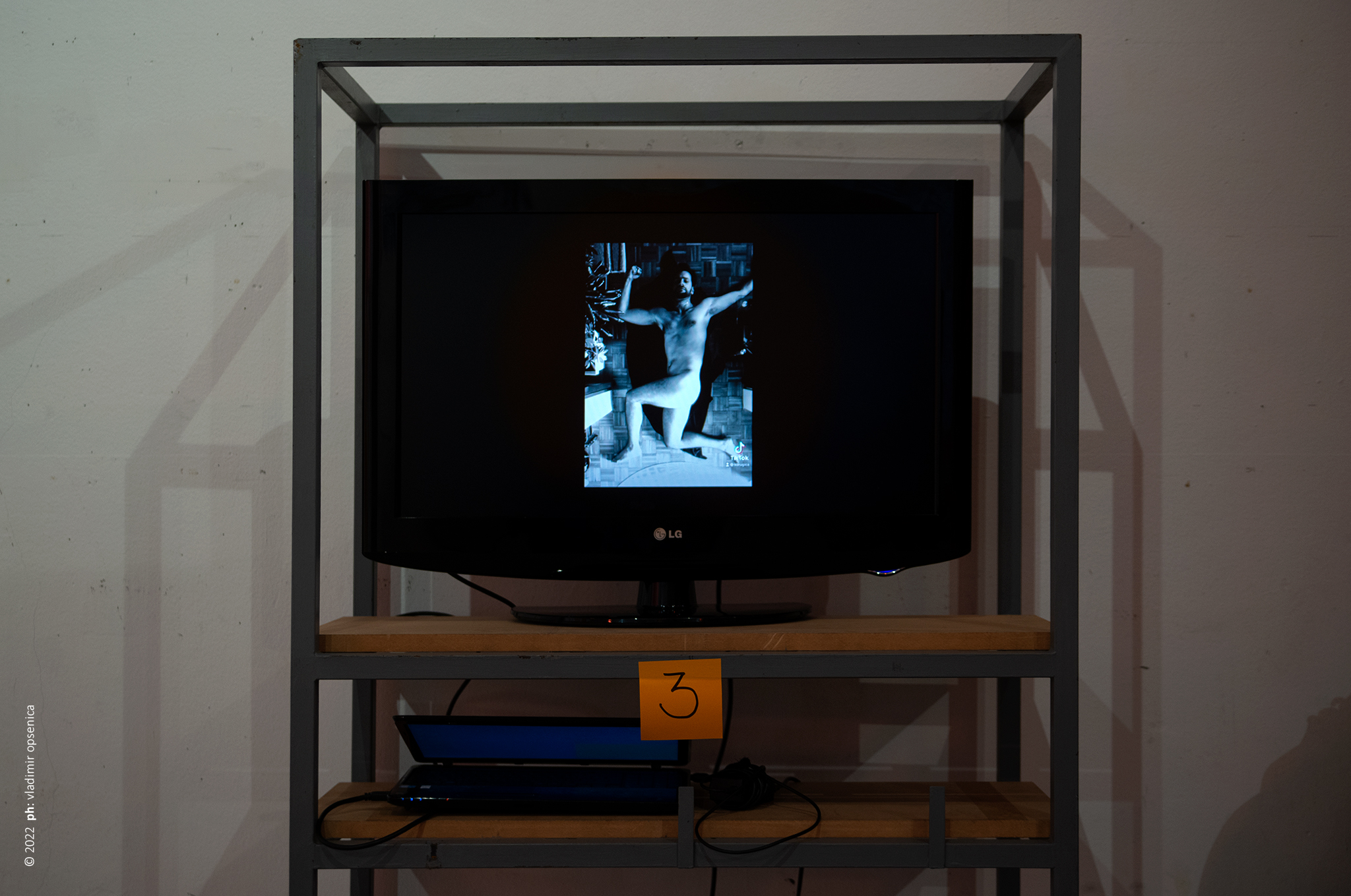
Igor Koruga focuses his research on the artistic and pedagogical practices of the pioneers of modern dance, Maga Magazinović and Lujo Davičo, during the period from 1930 to 1945 in Serbia. He examines their socio-cultural and political positioning between the nationalist, fascist, and socialist ideologies of the time. The artistic research will take the form of short TikTok videos dramatizing concepts and information from the lives and work of Davičo and Magazinović, reflecting a contemporary mode of digital and online knowledge distribution.
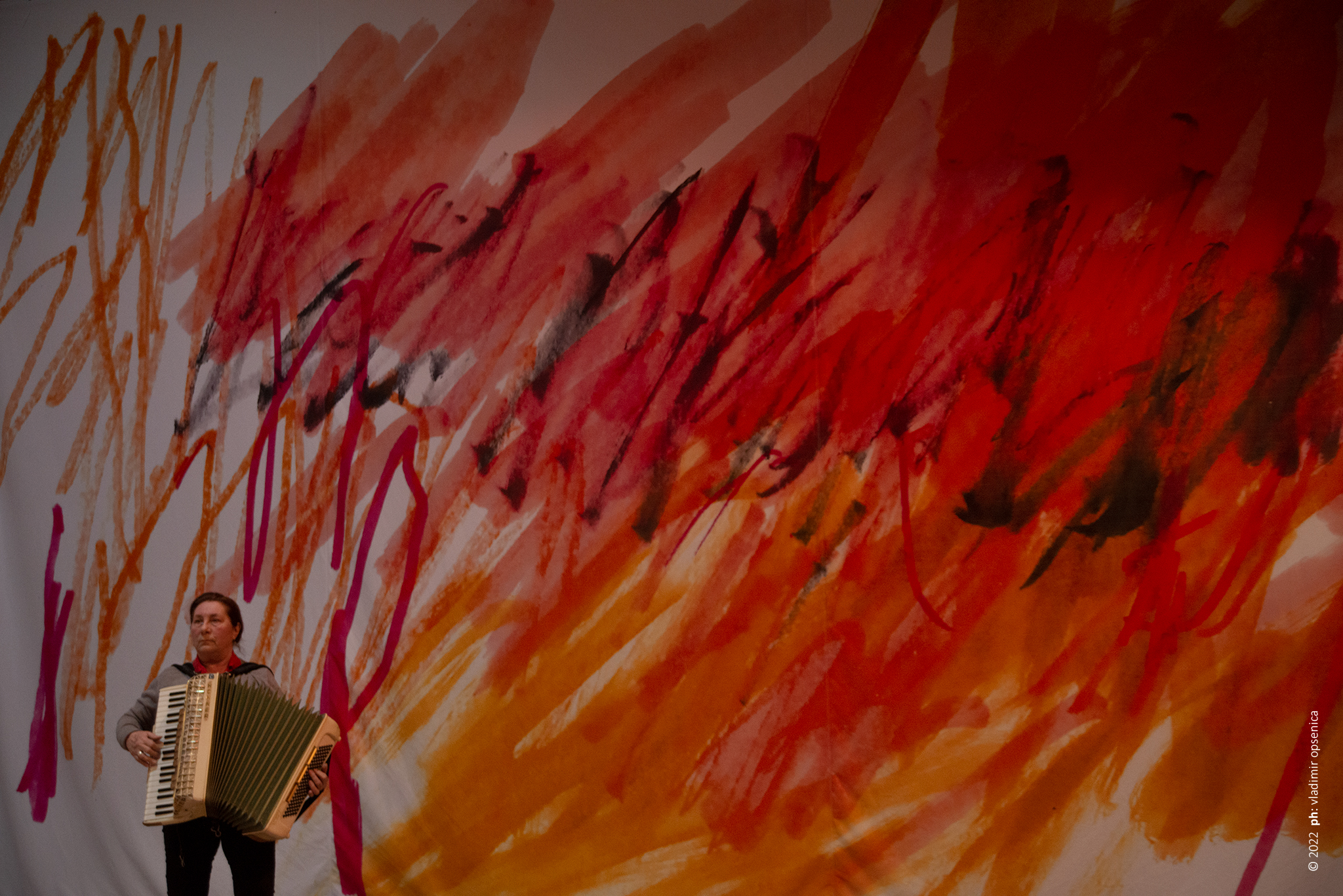
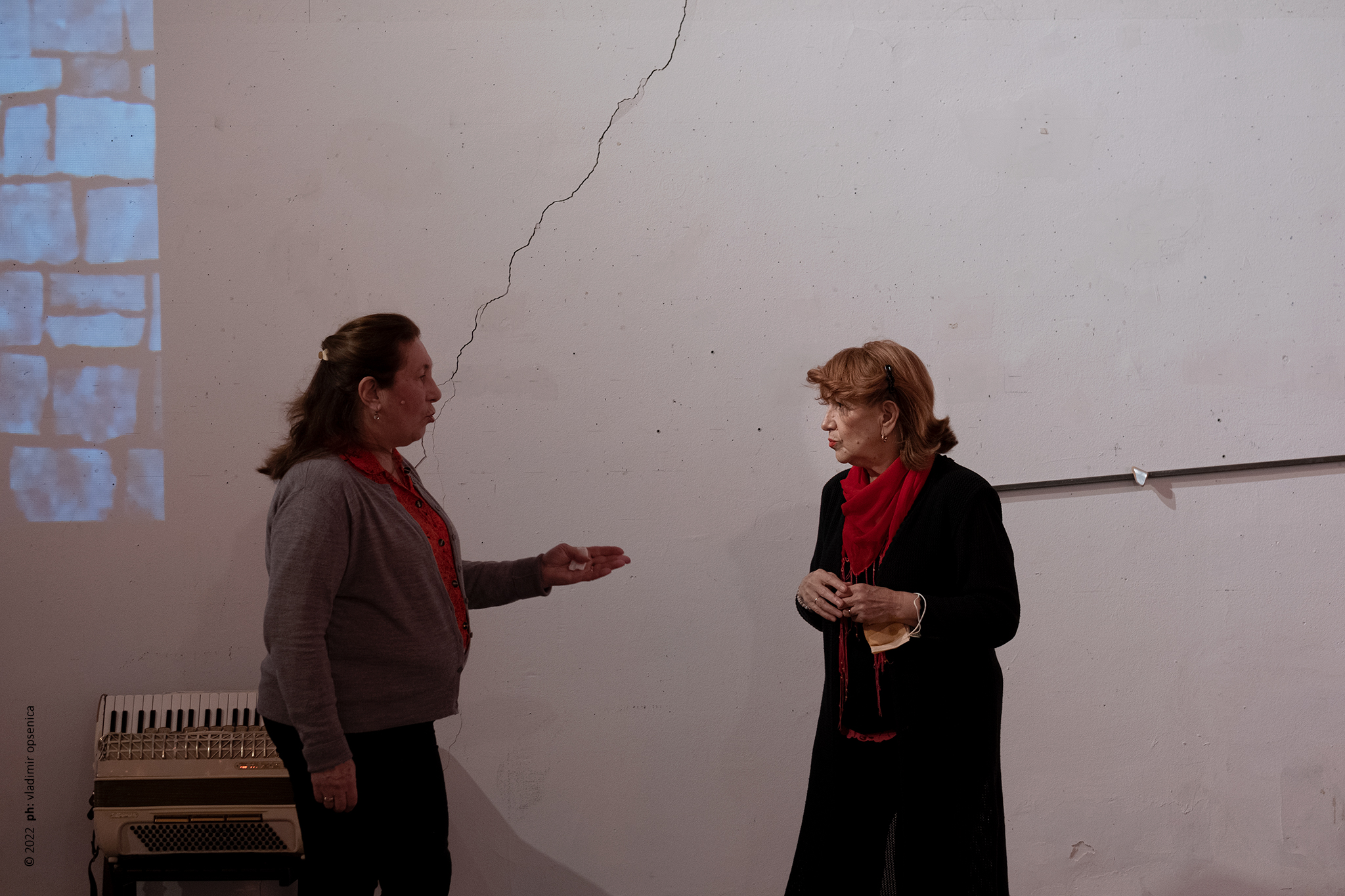
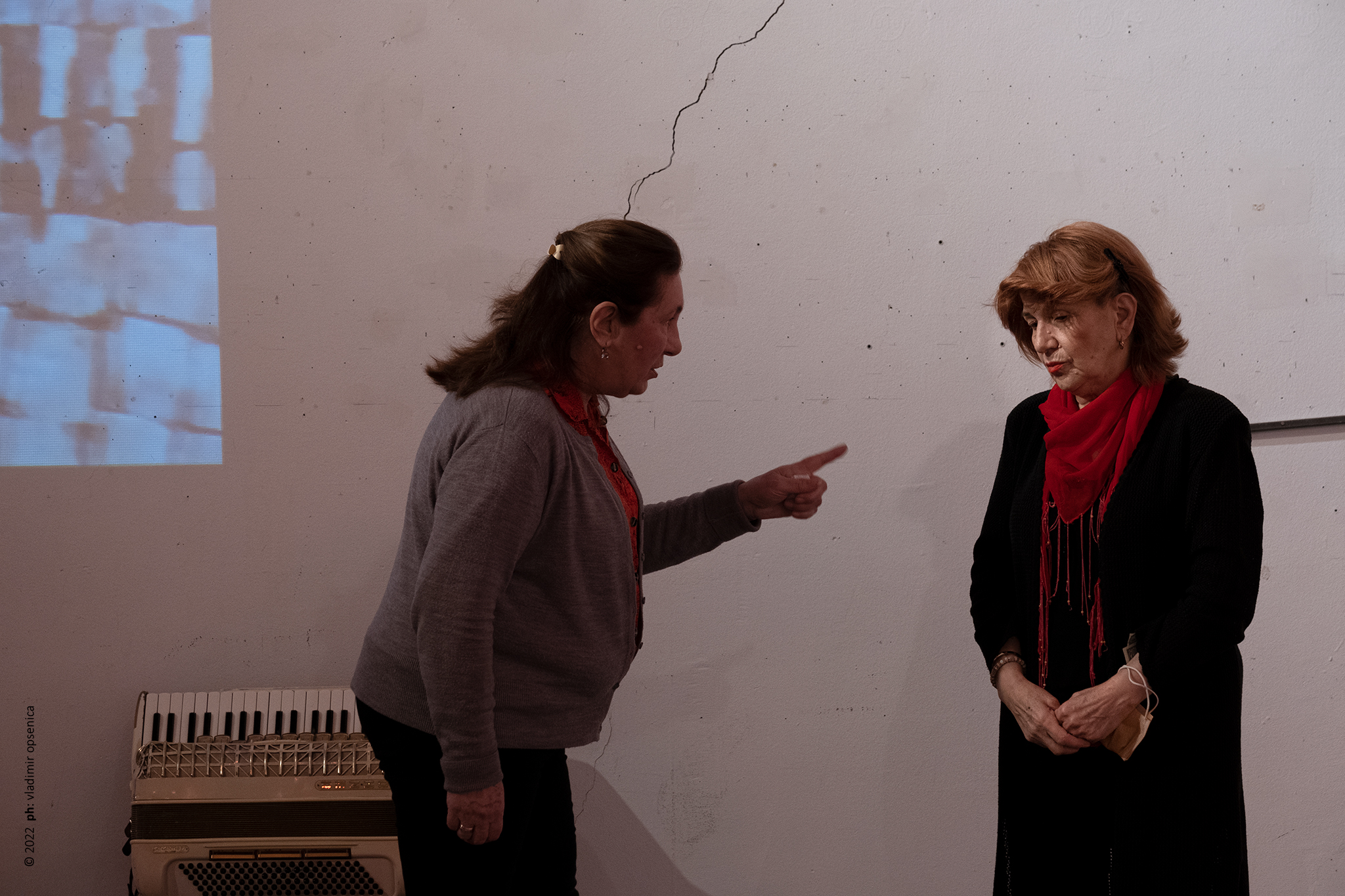
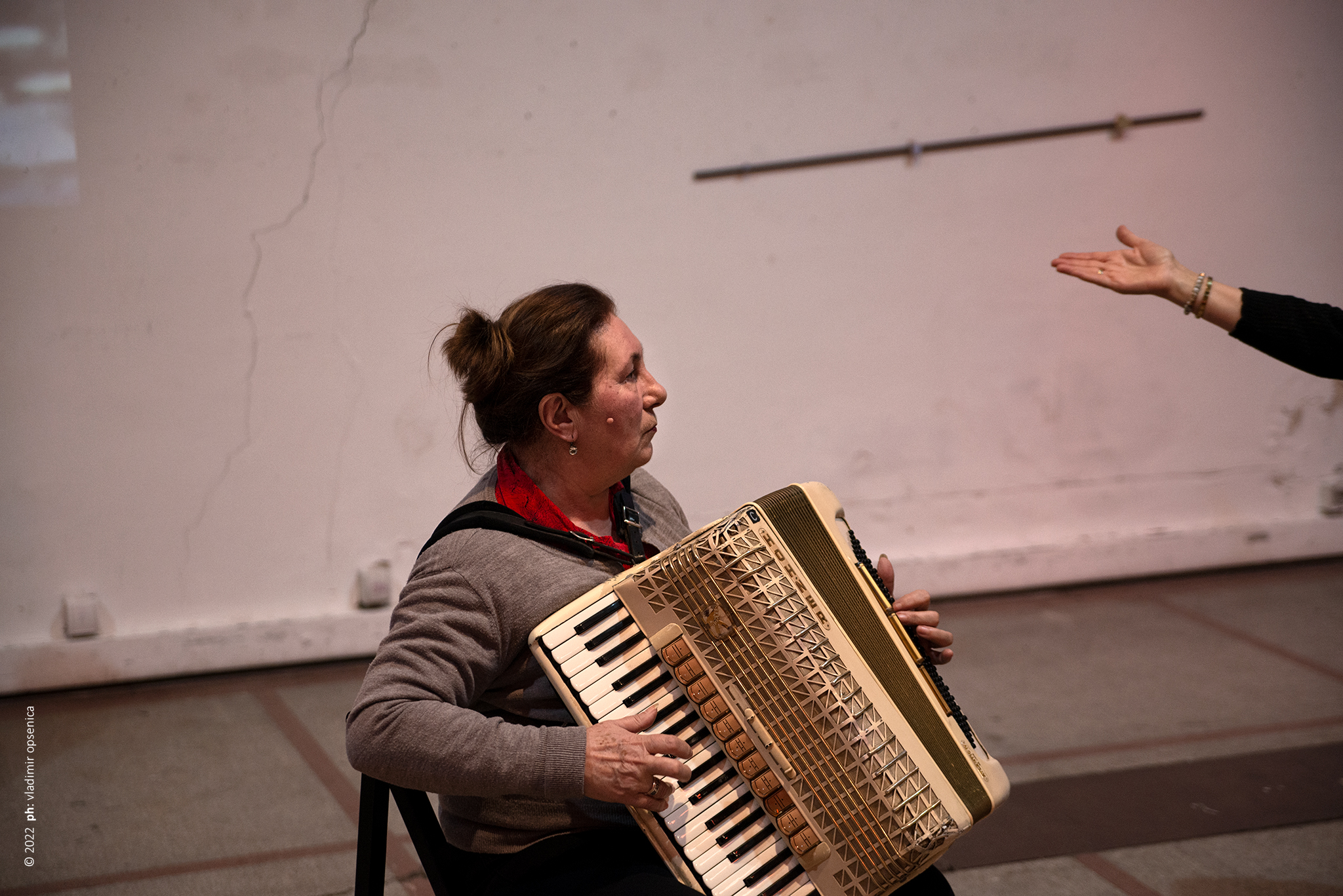
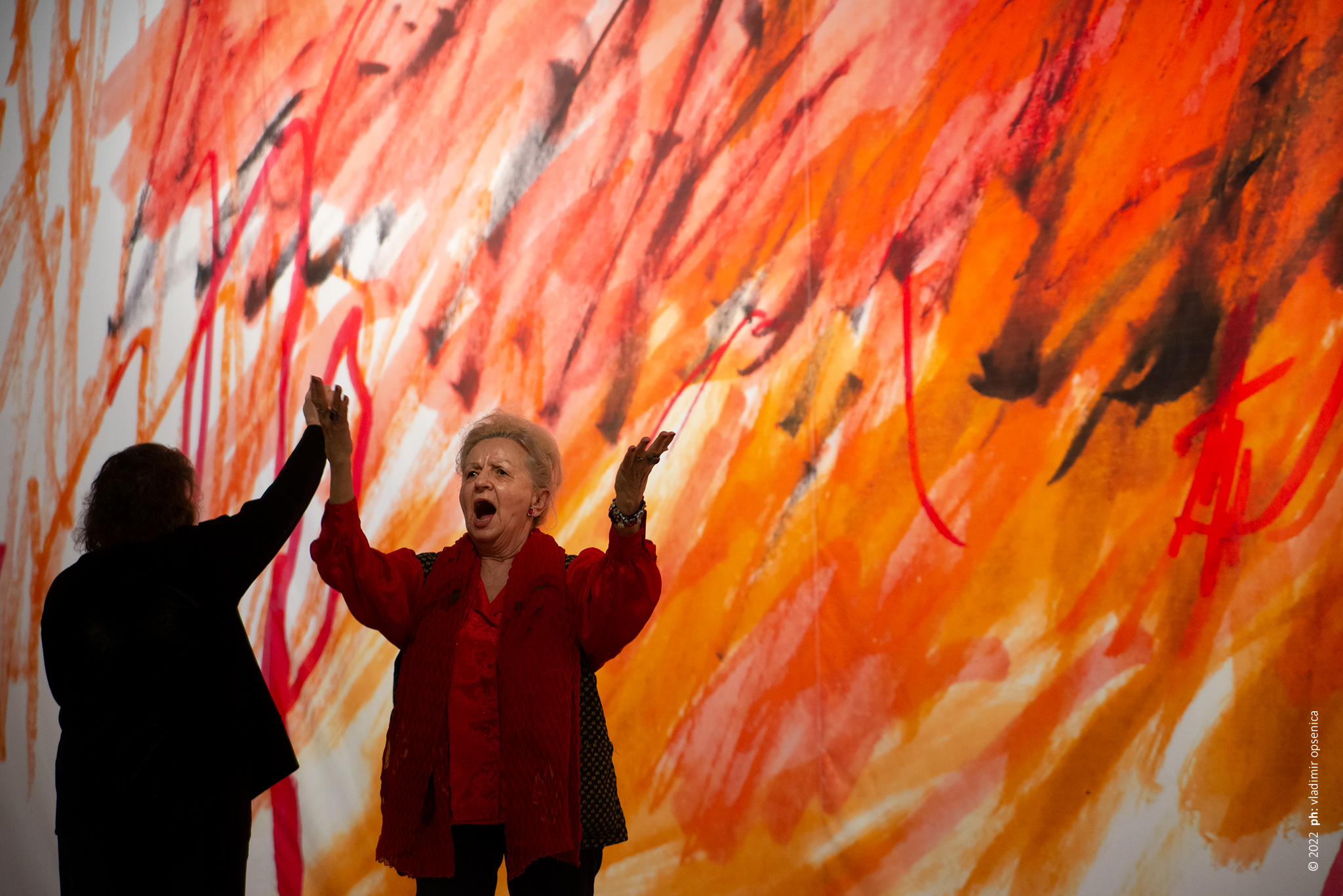
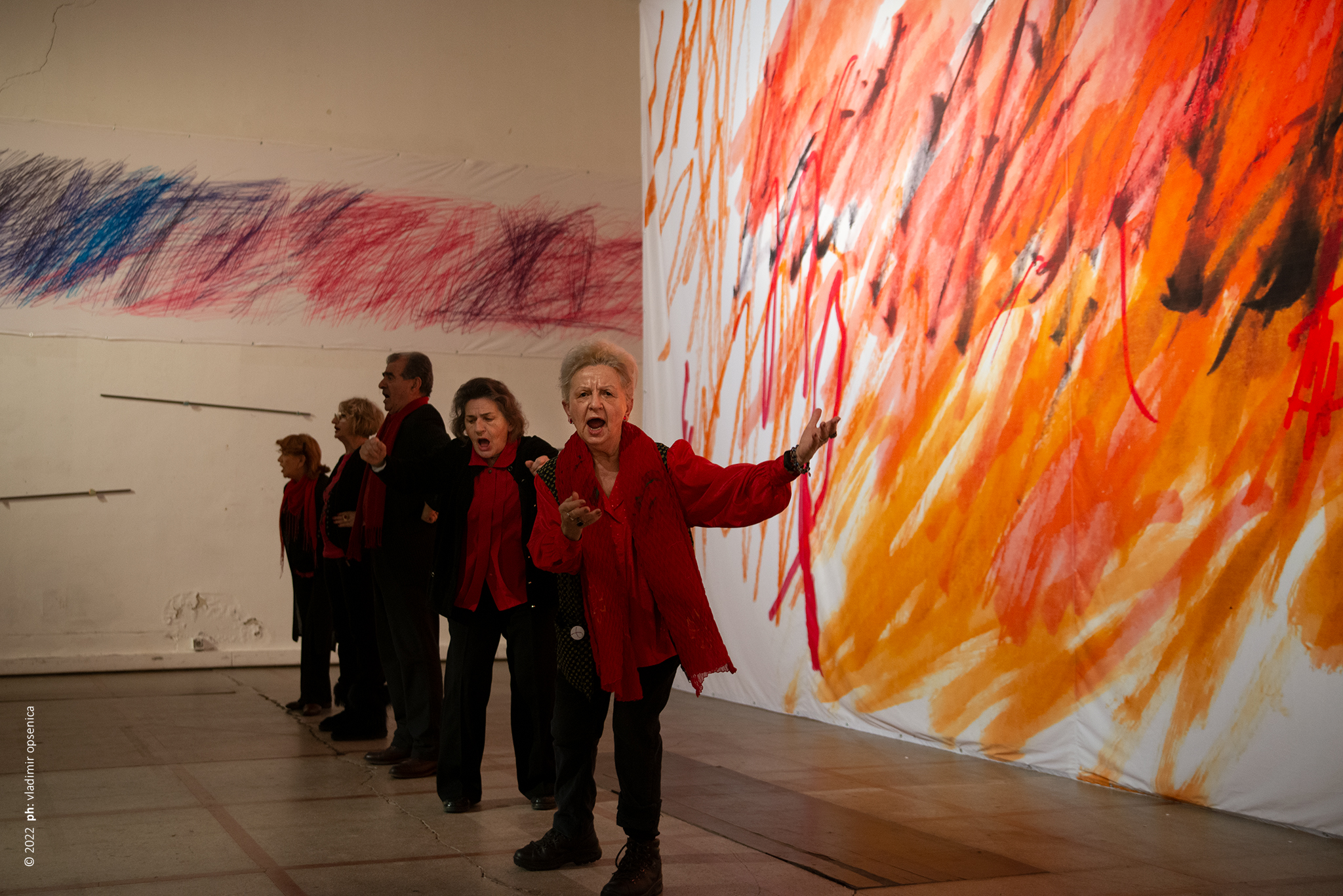
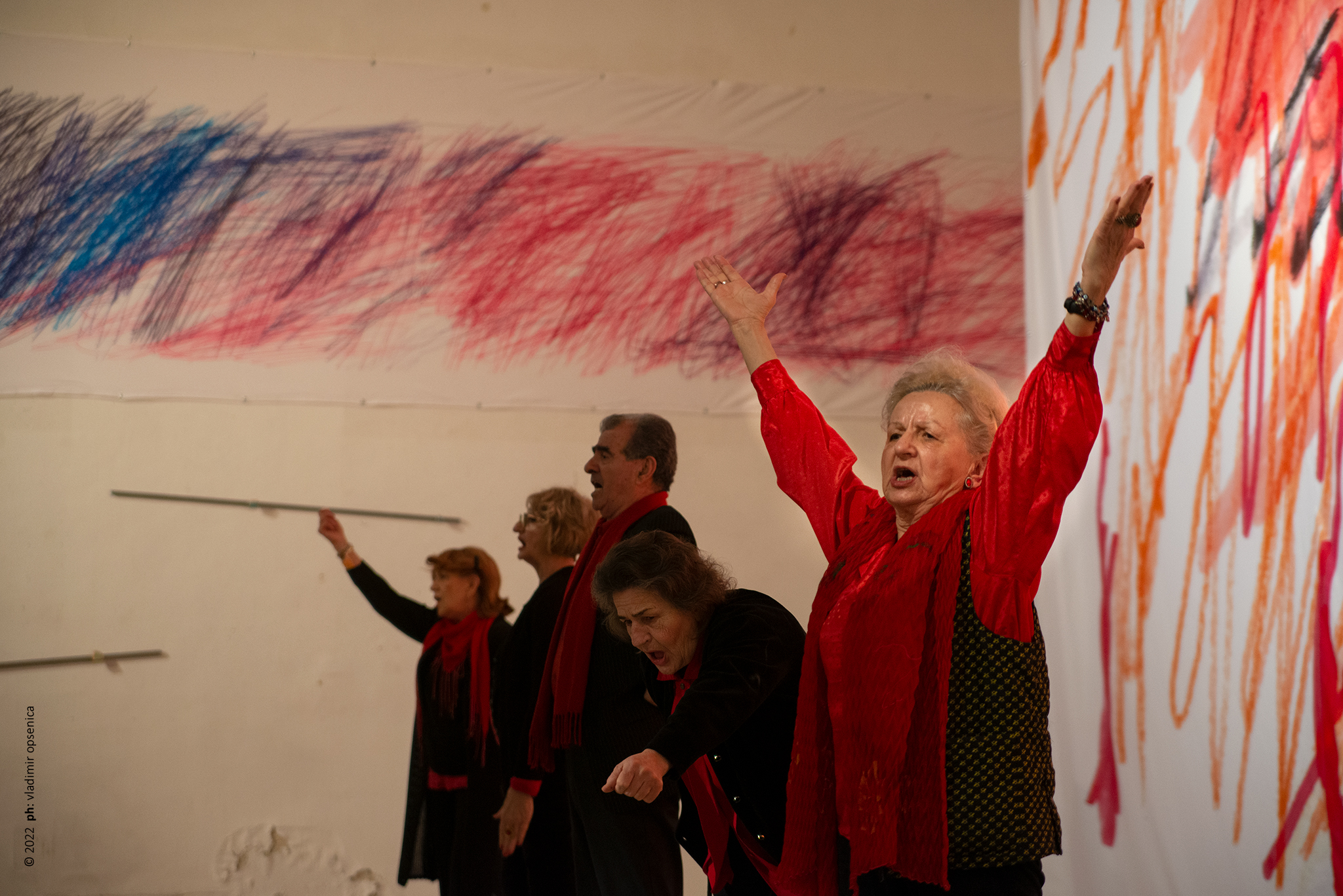
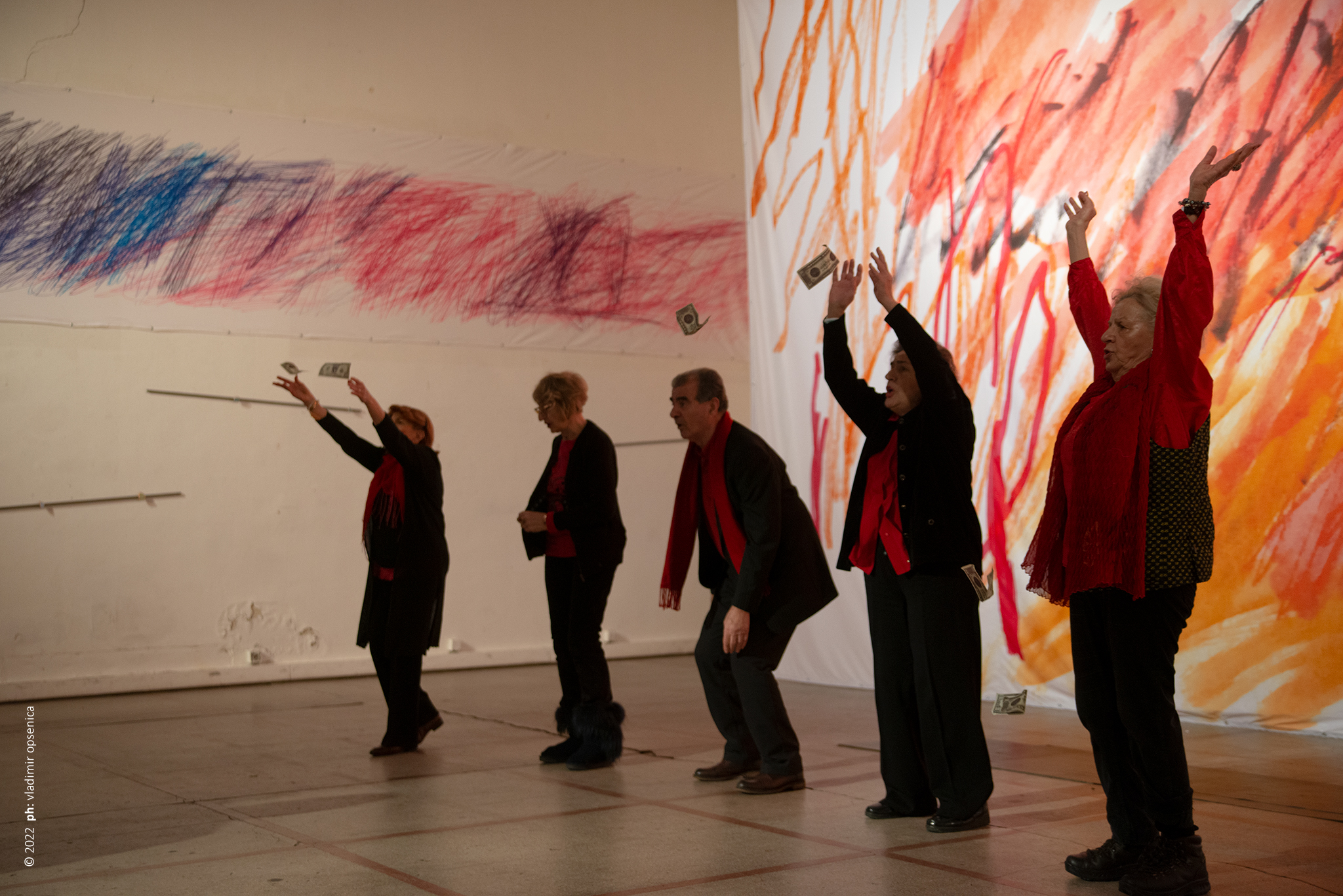
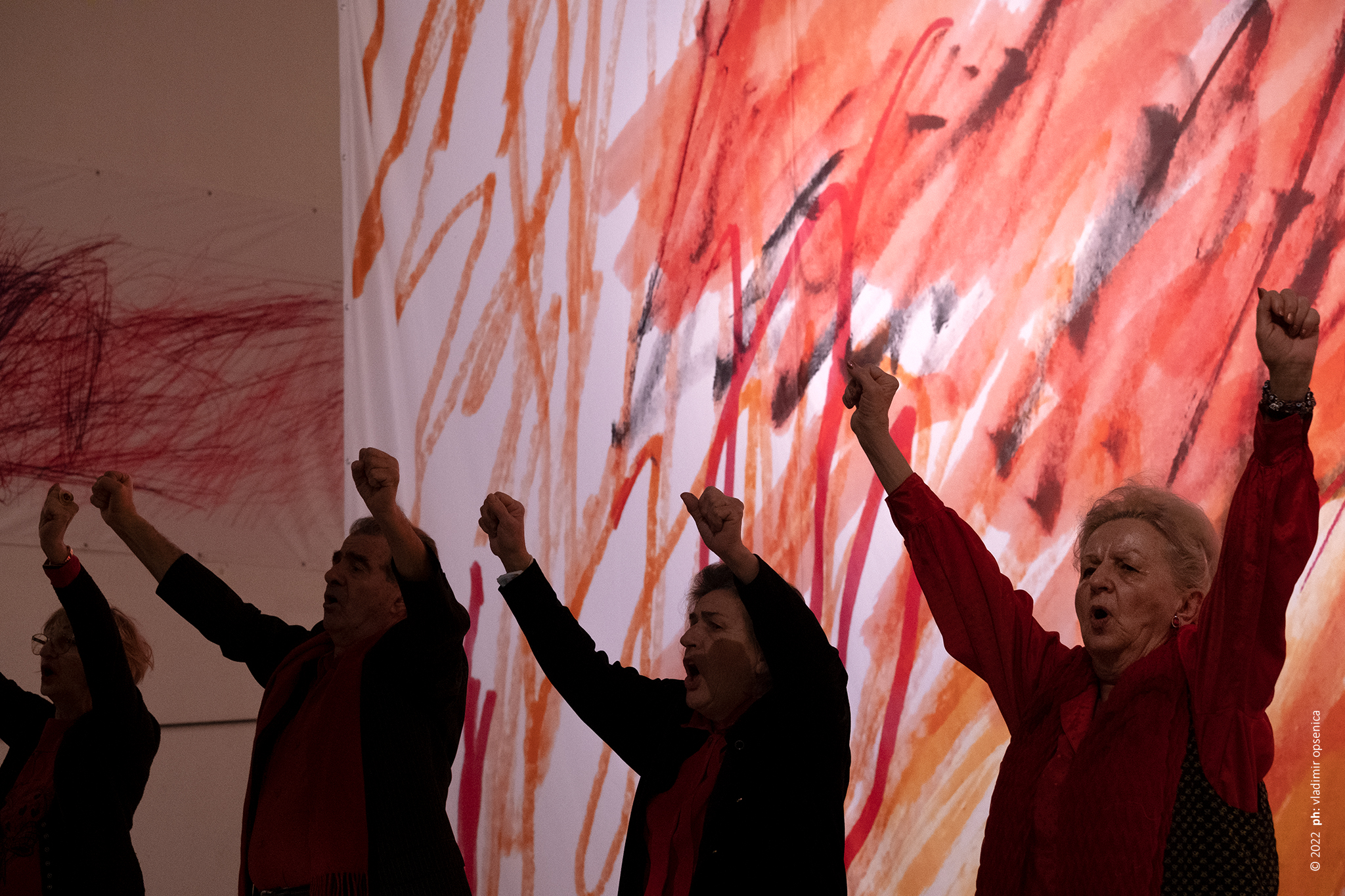
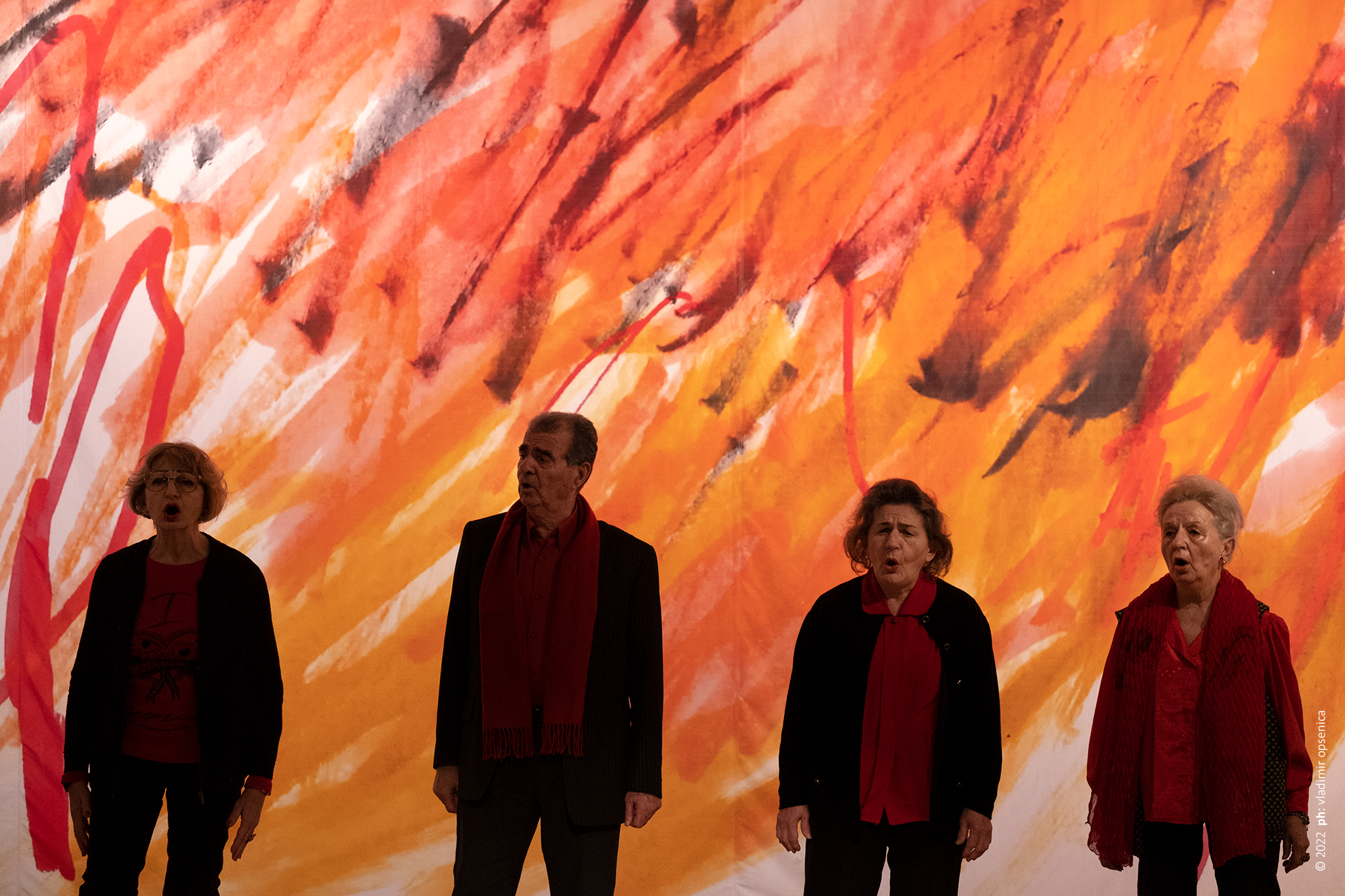
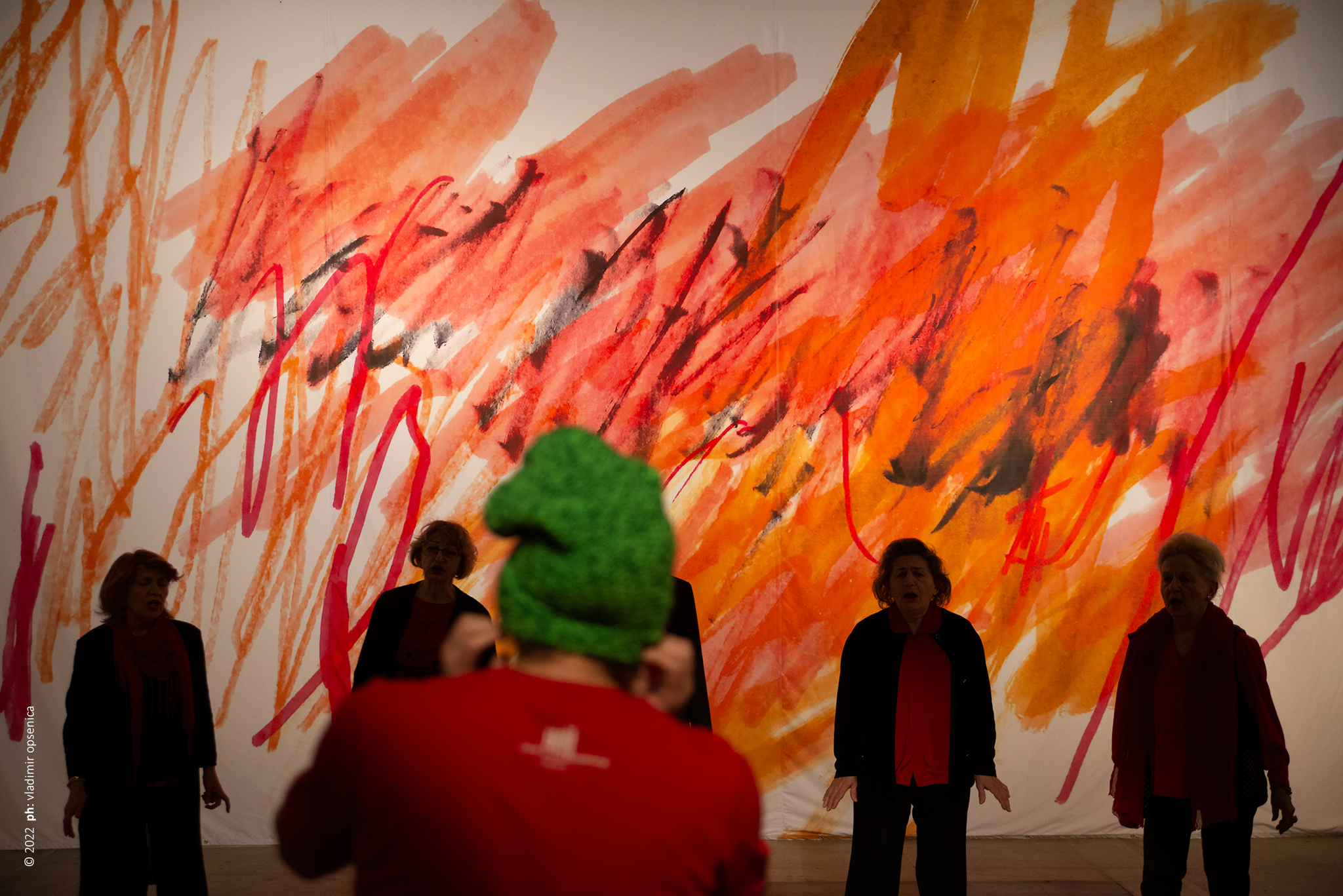
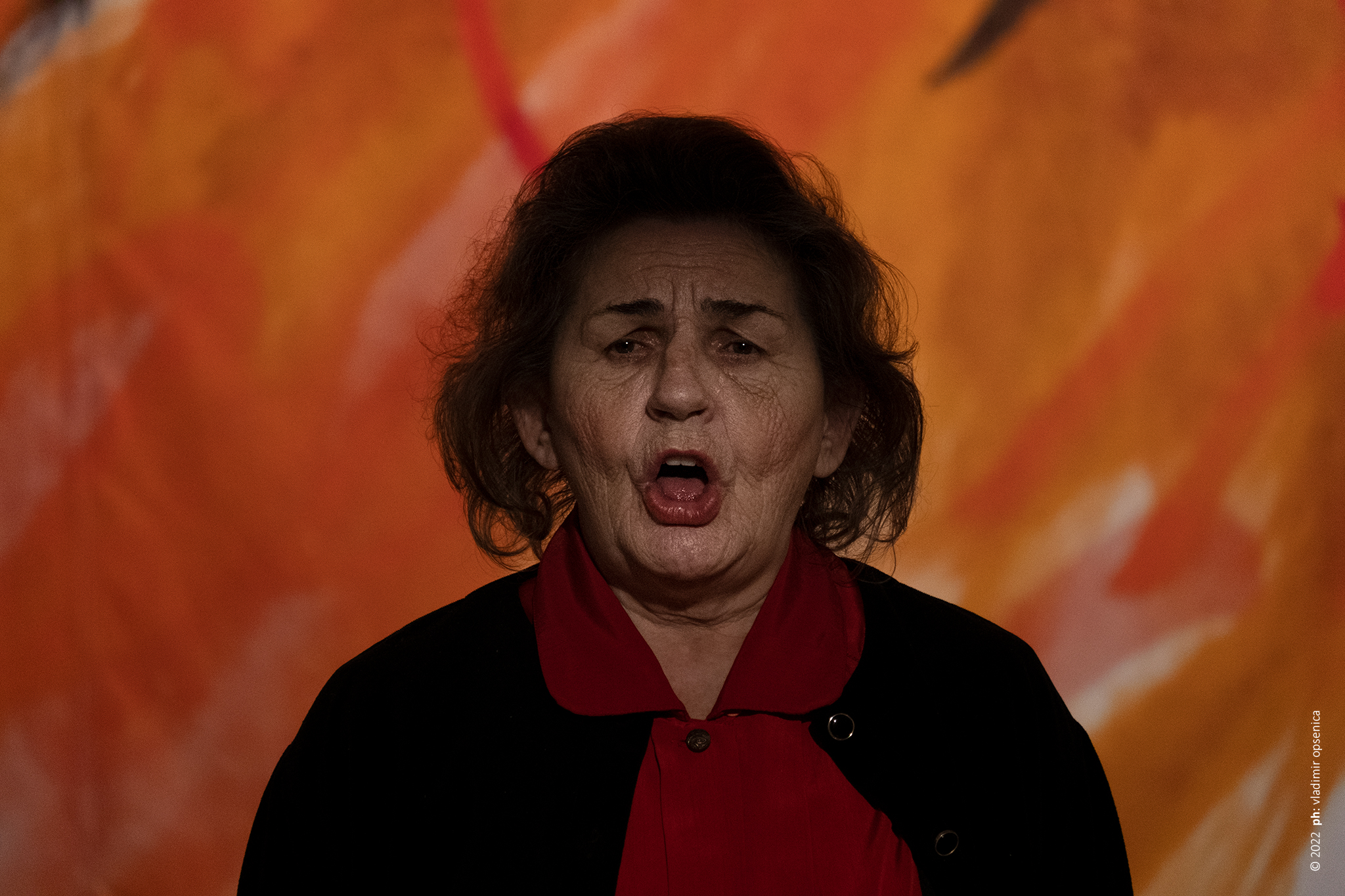
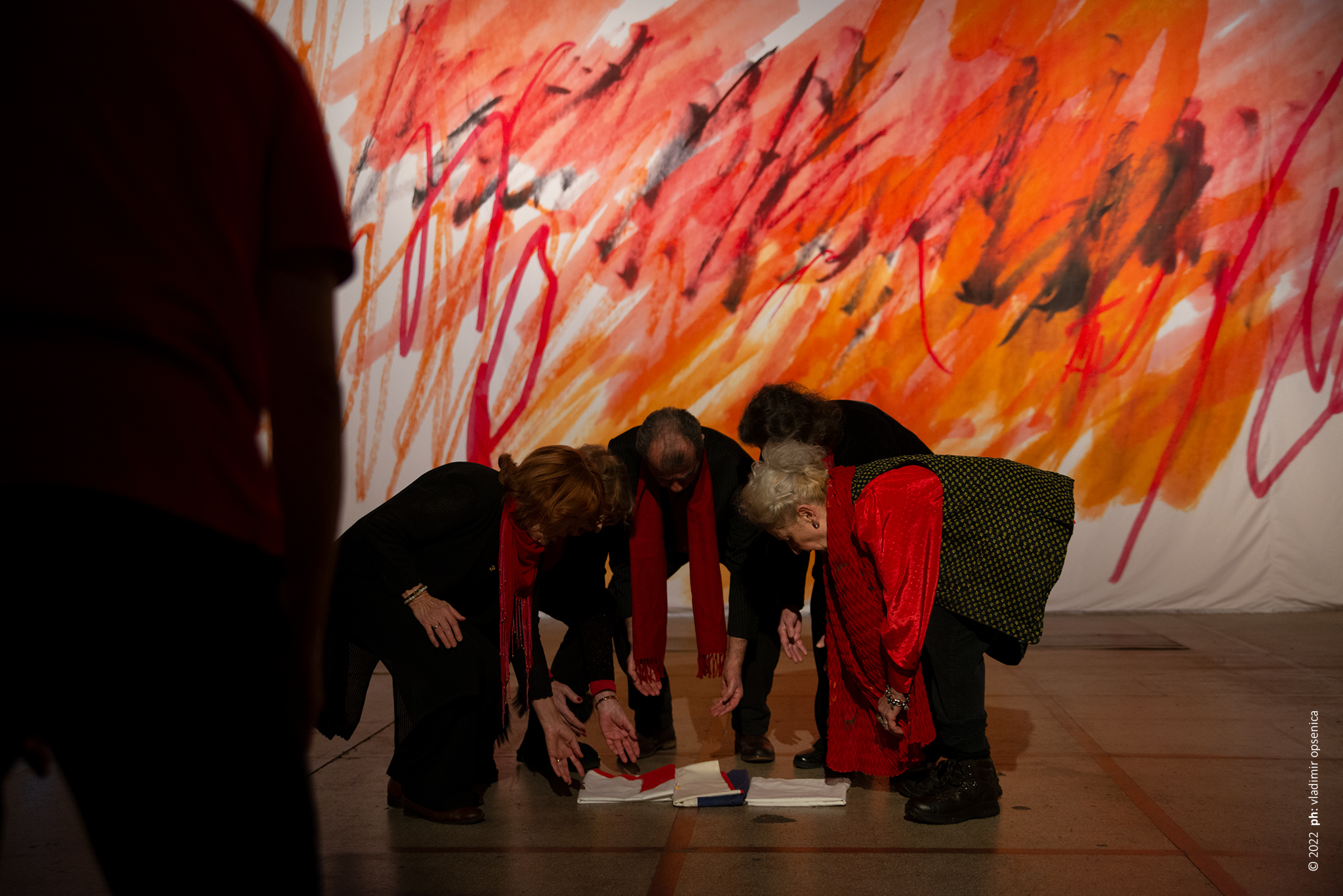
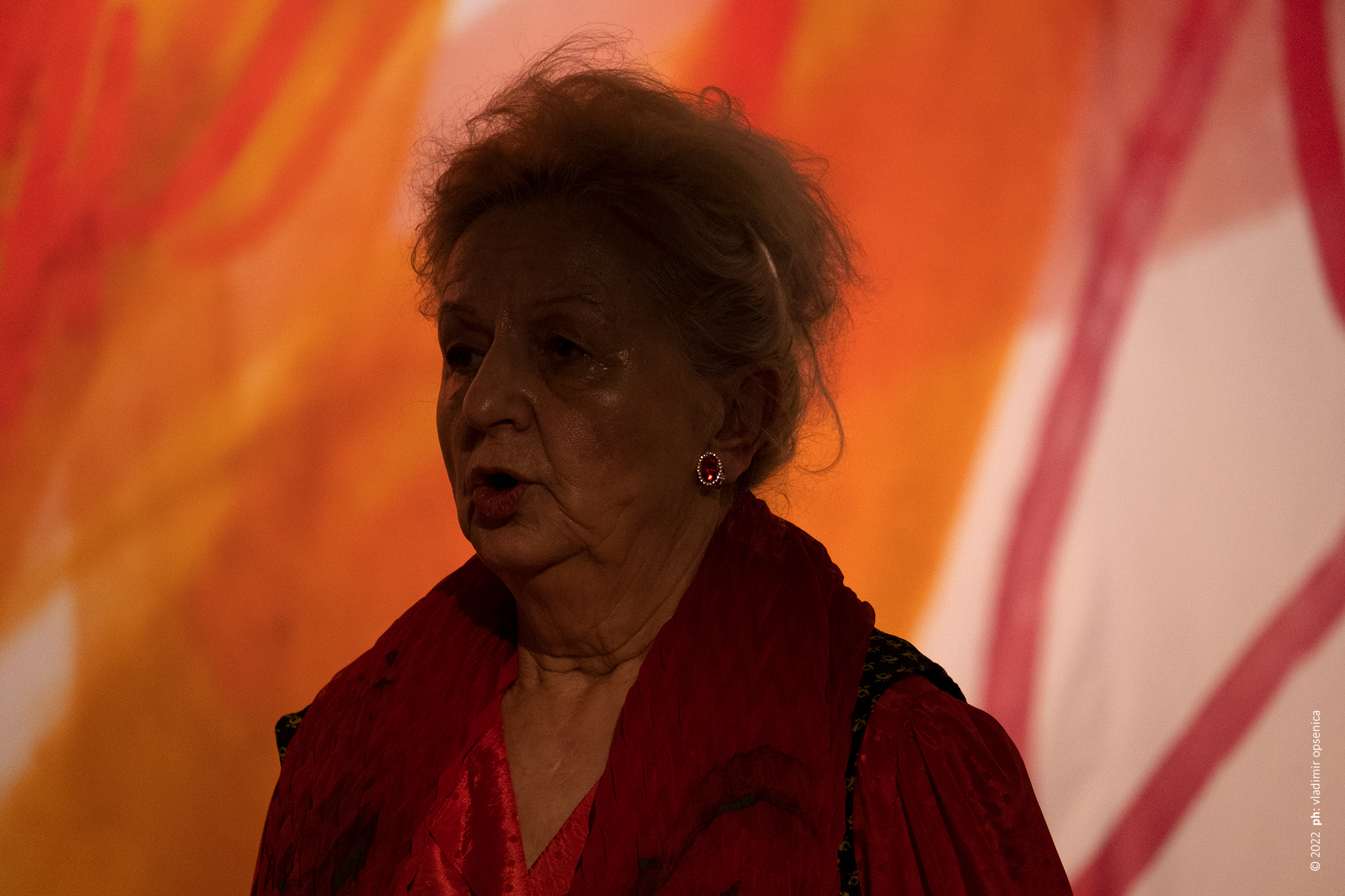
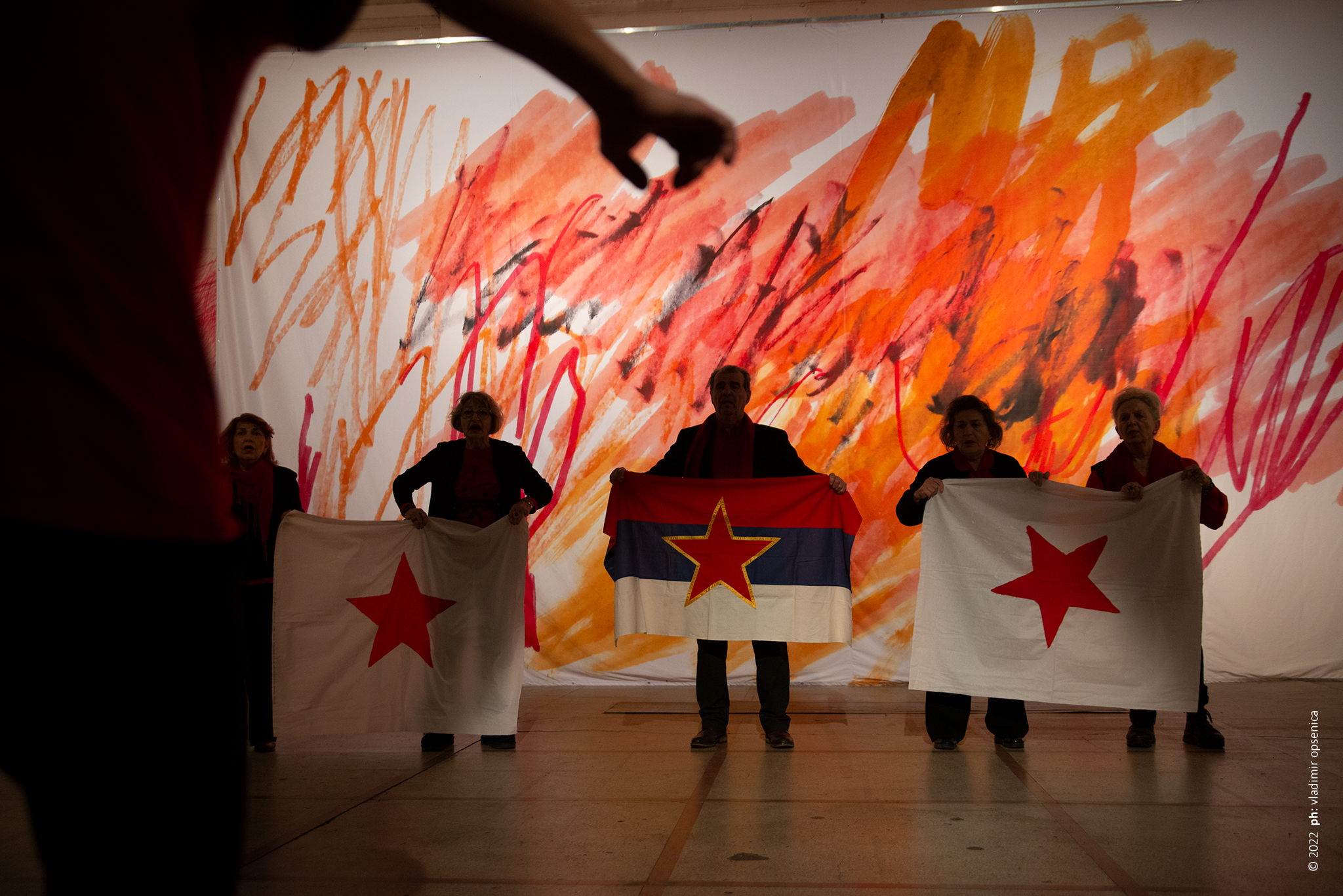
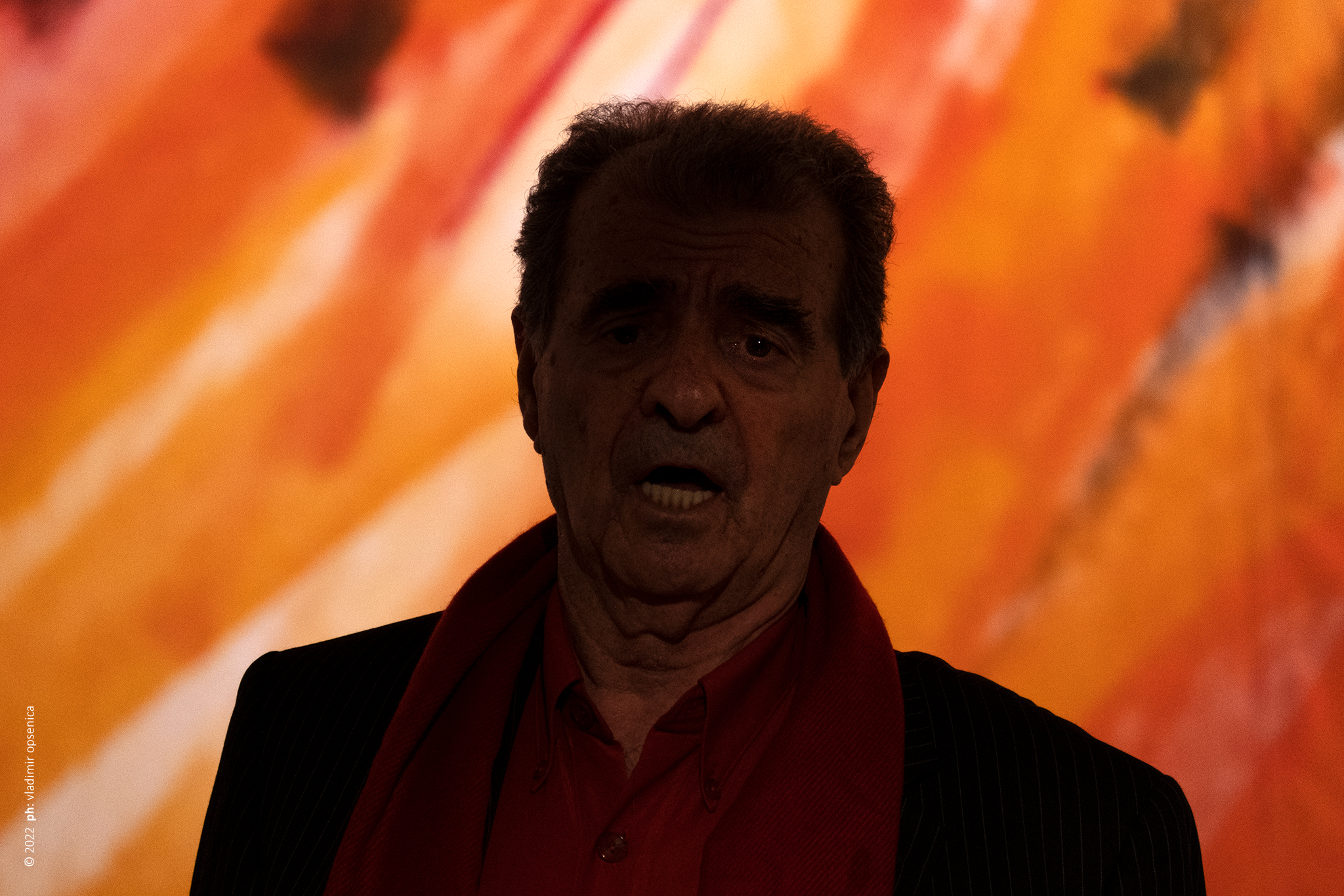
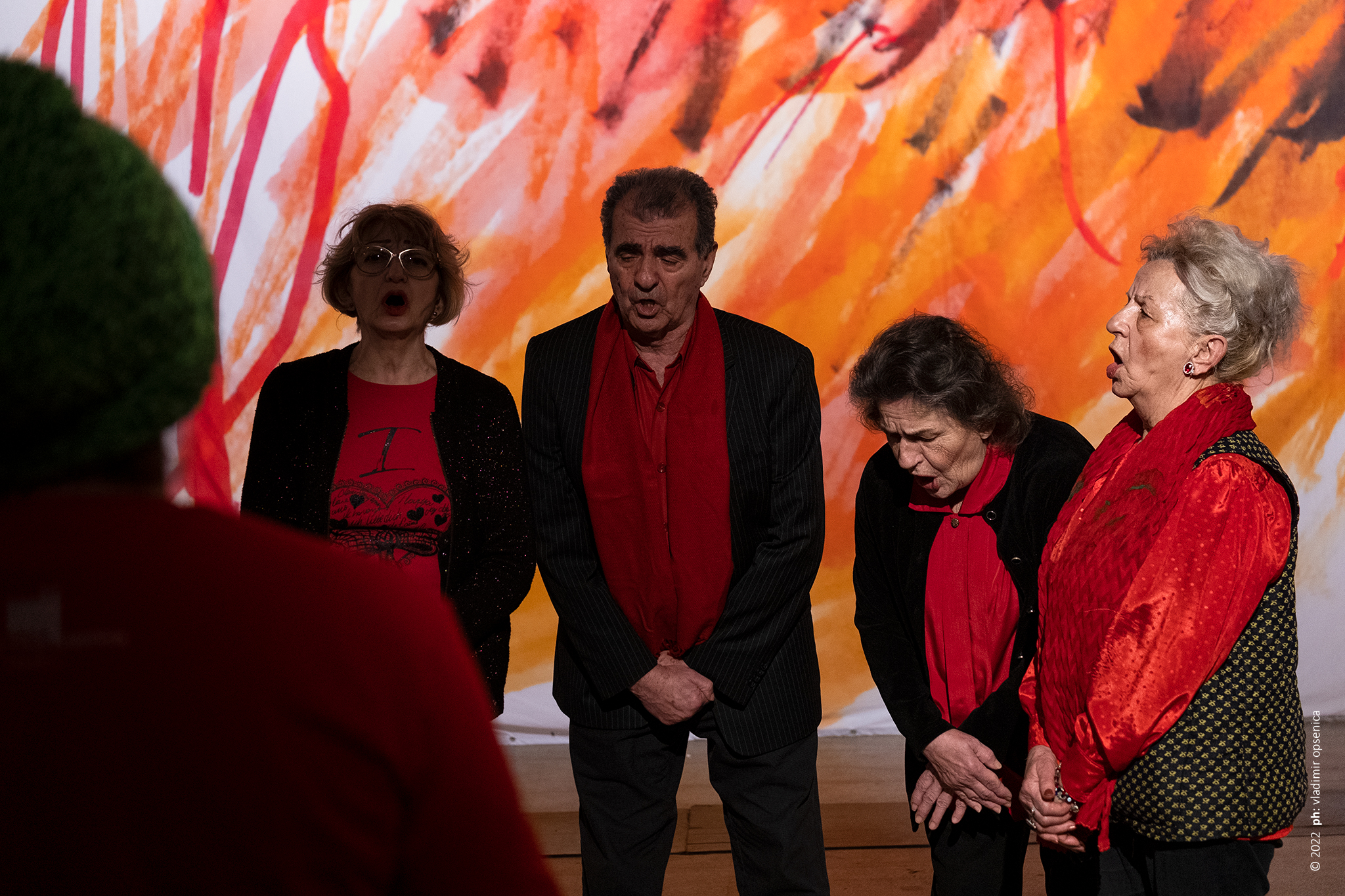
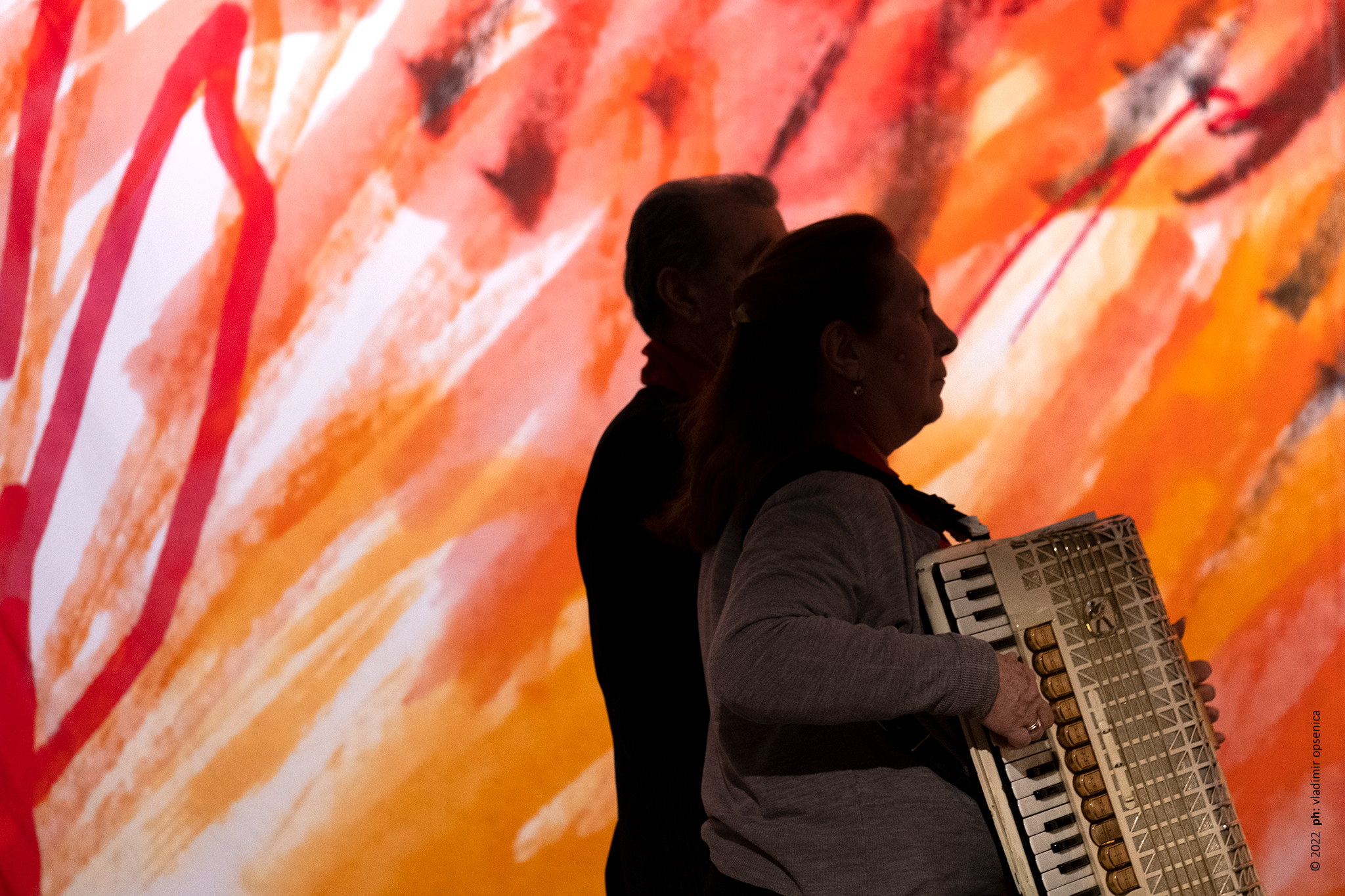
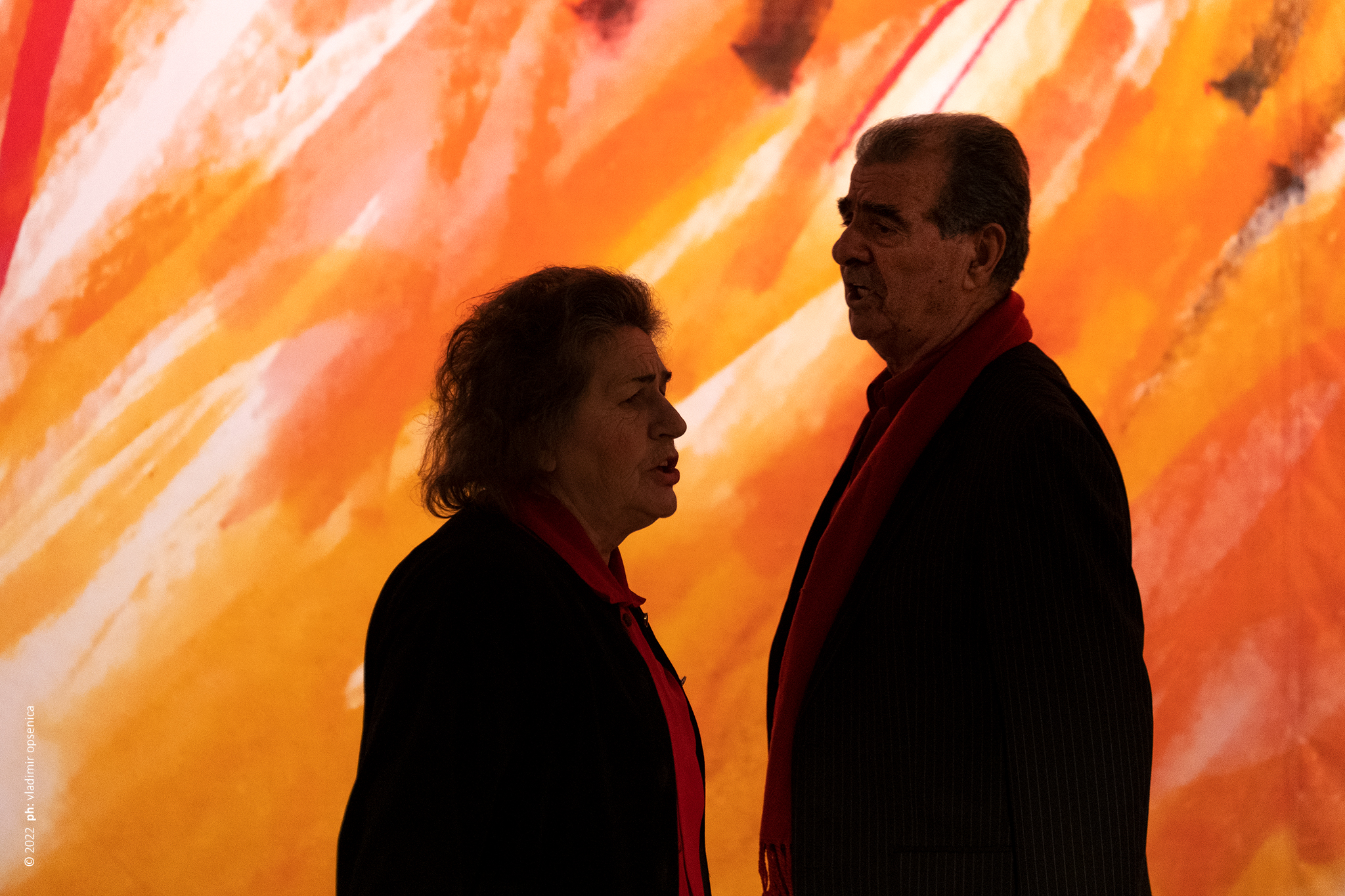
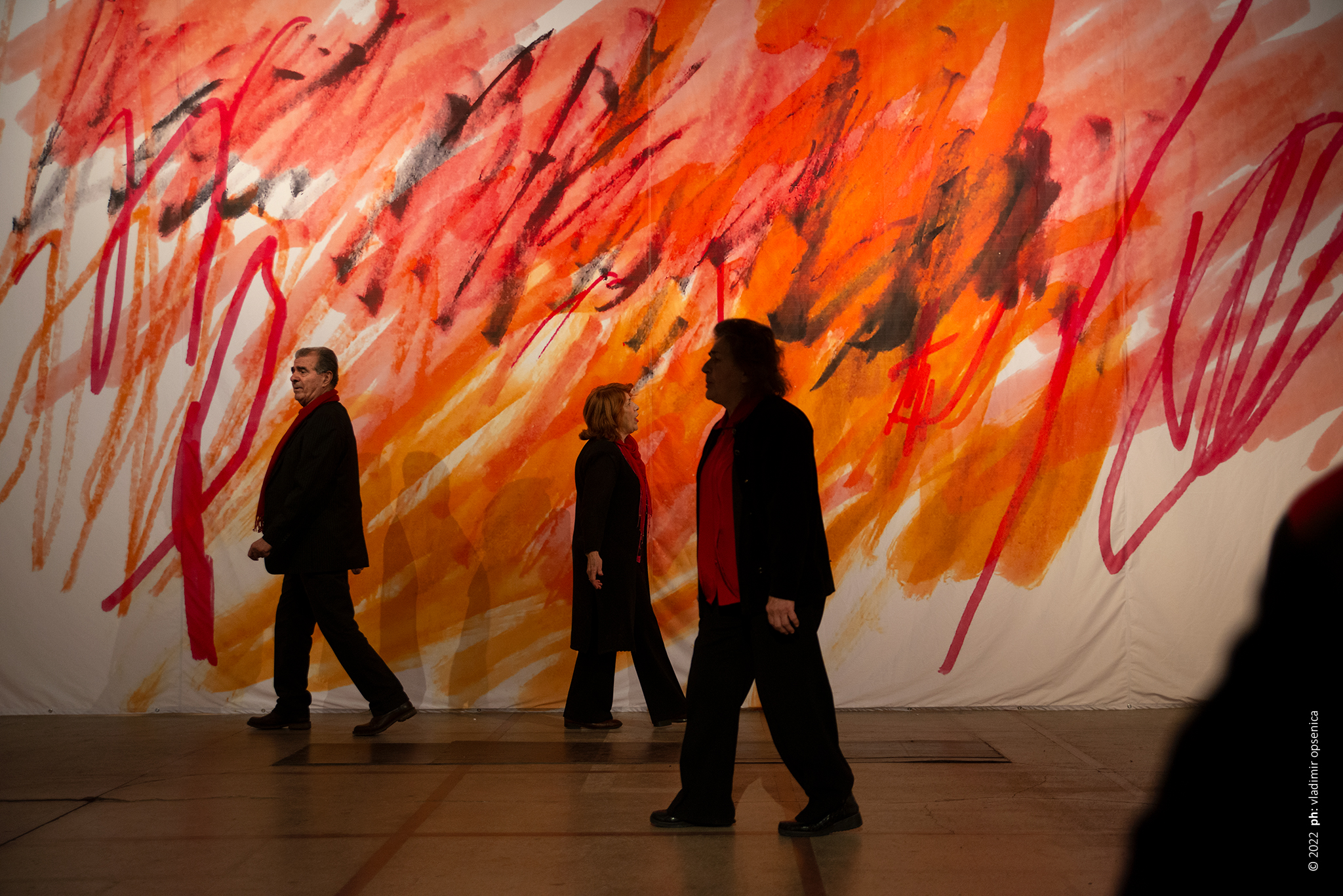
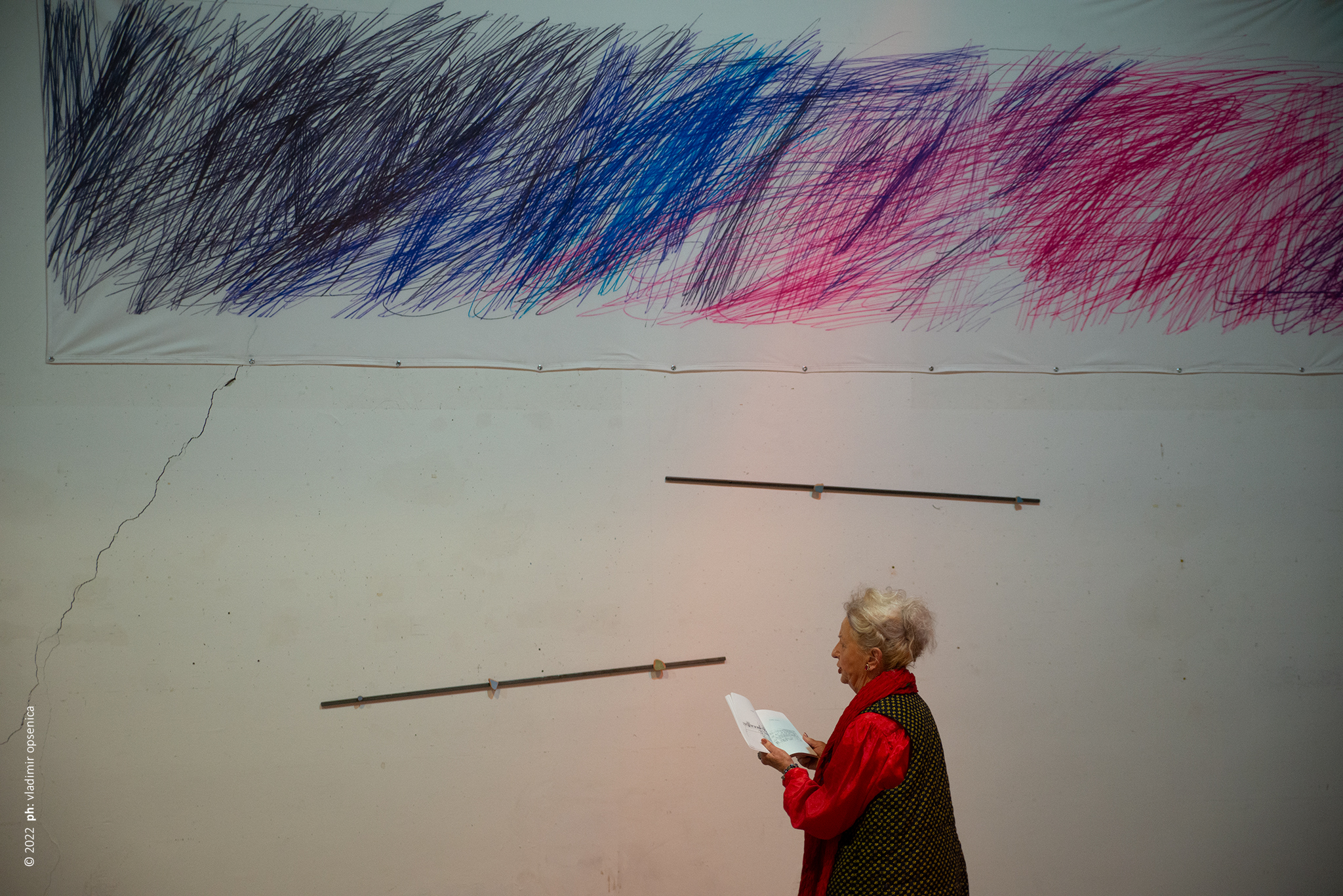
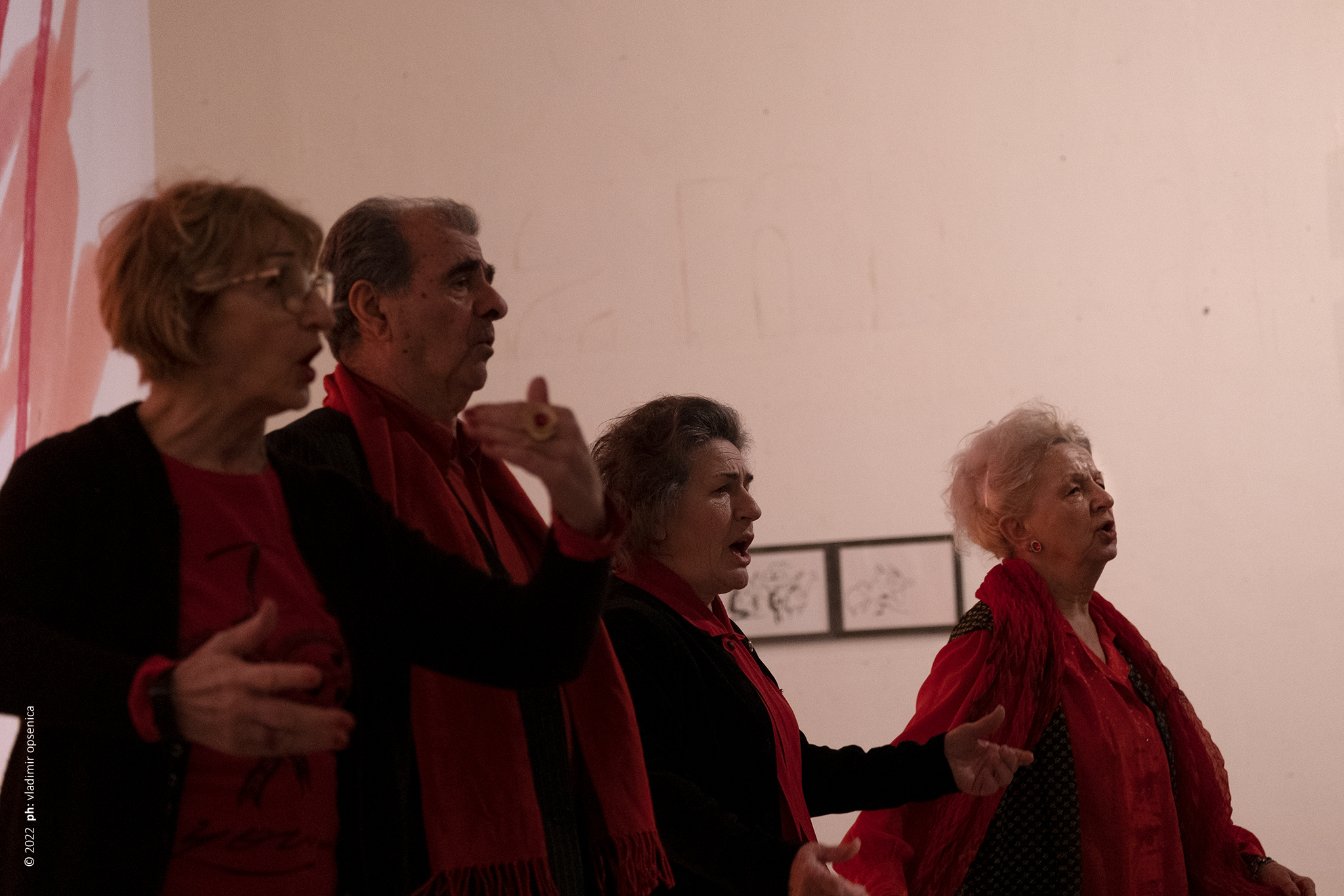
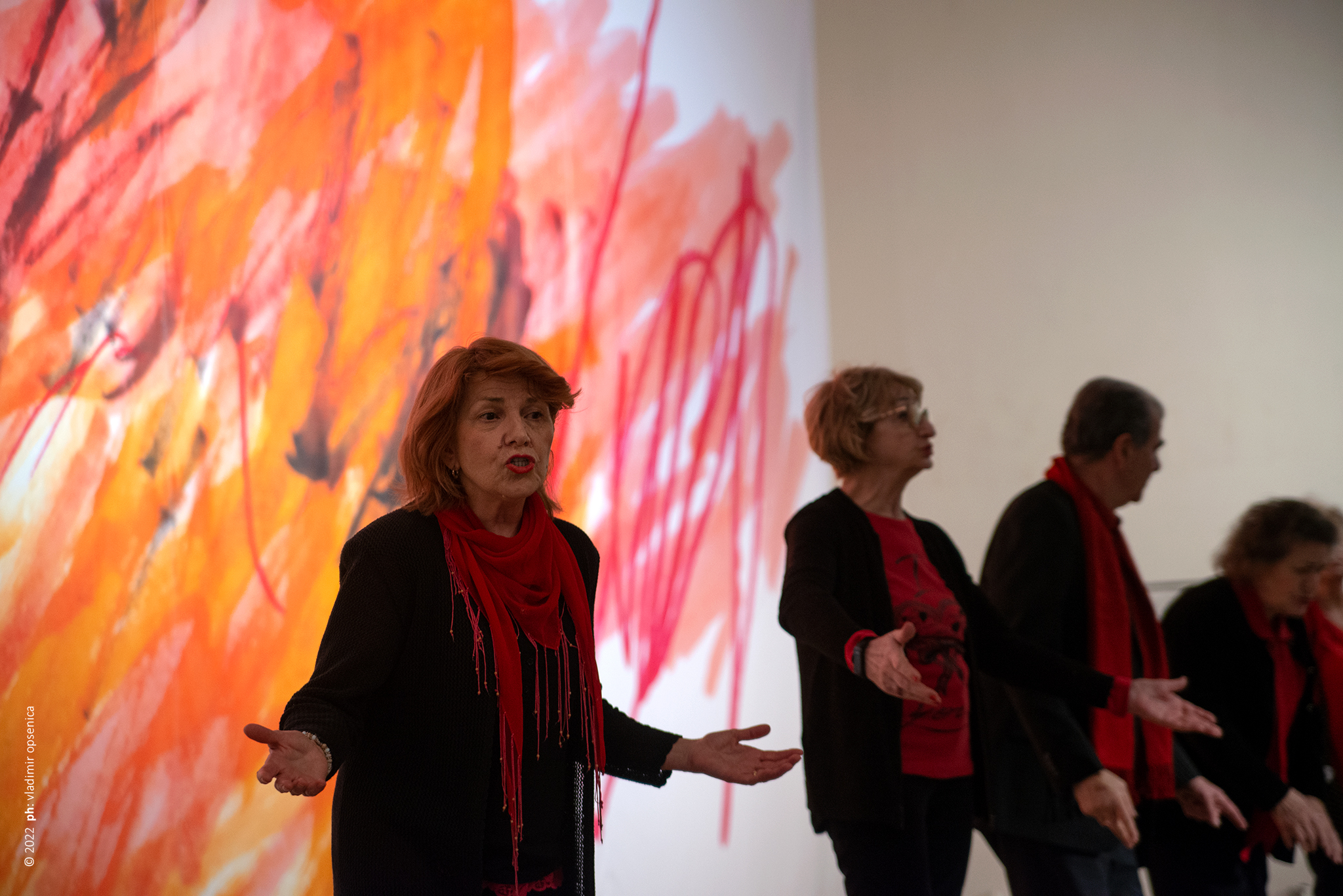
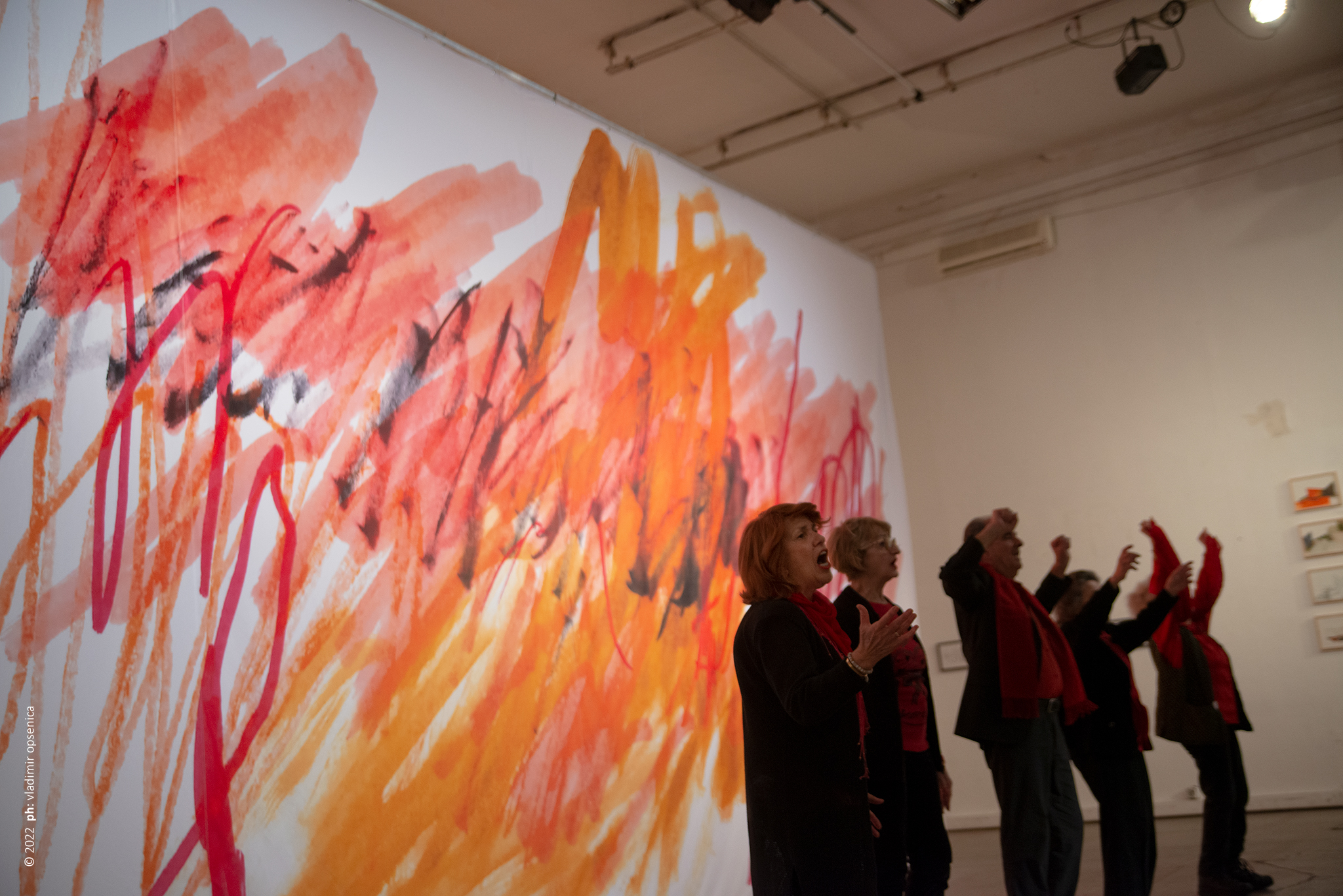
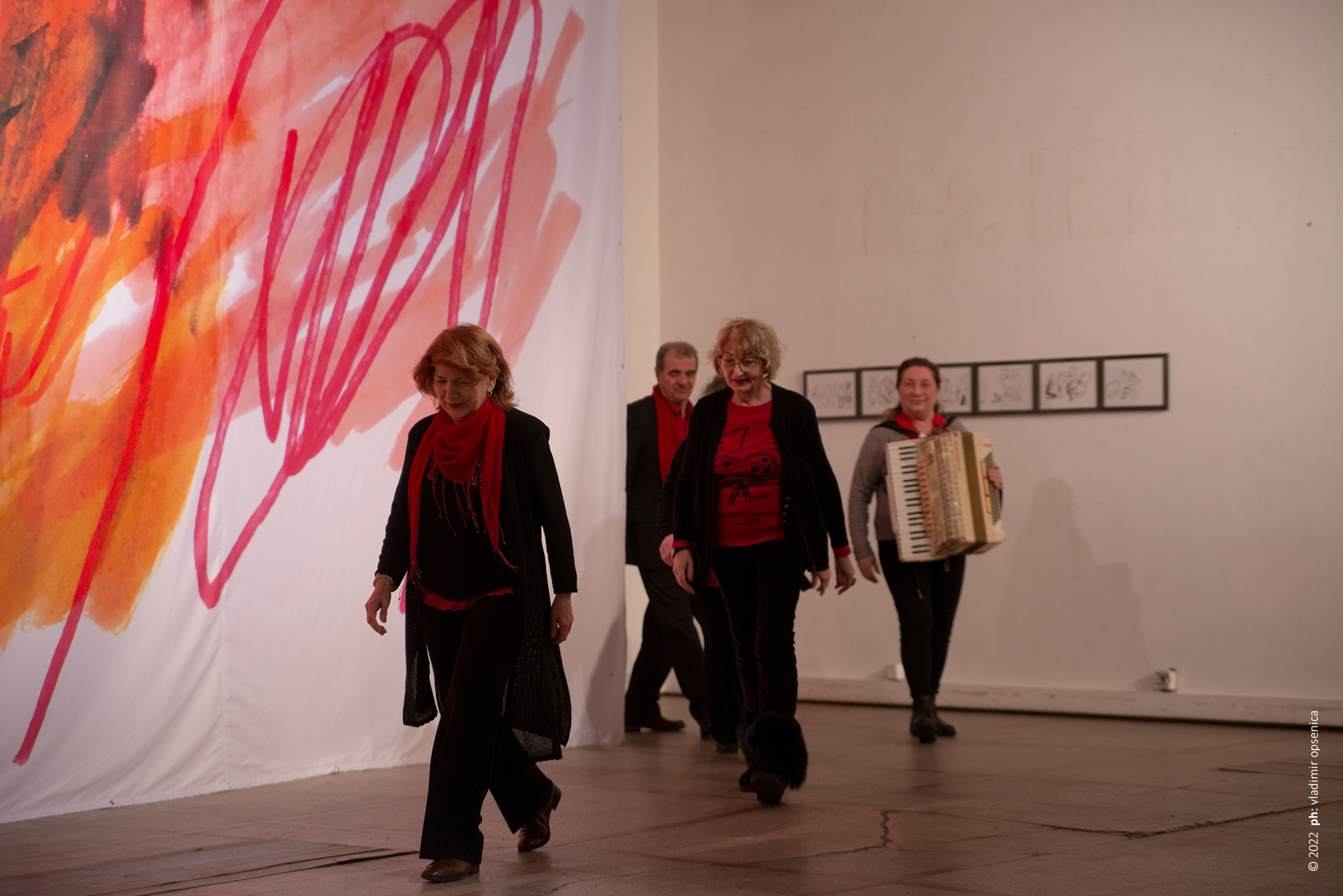
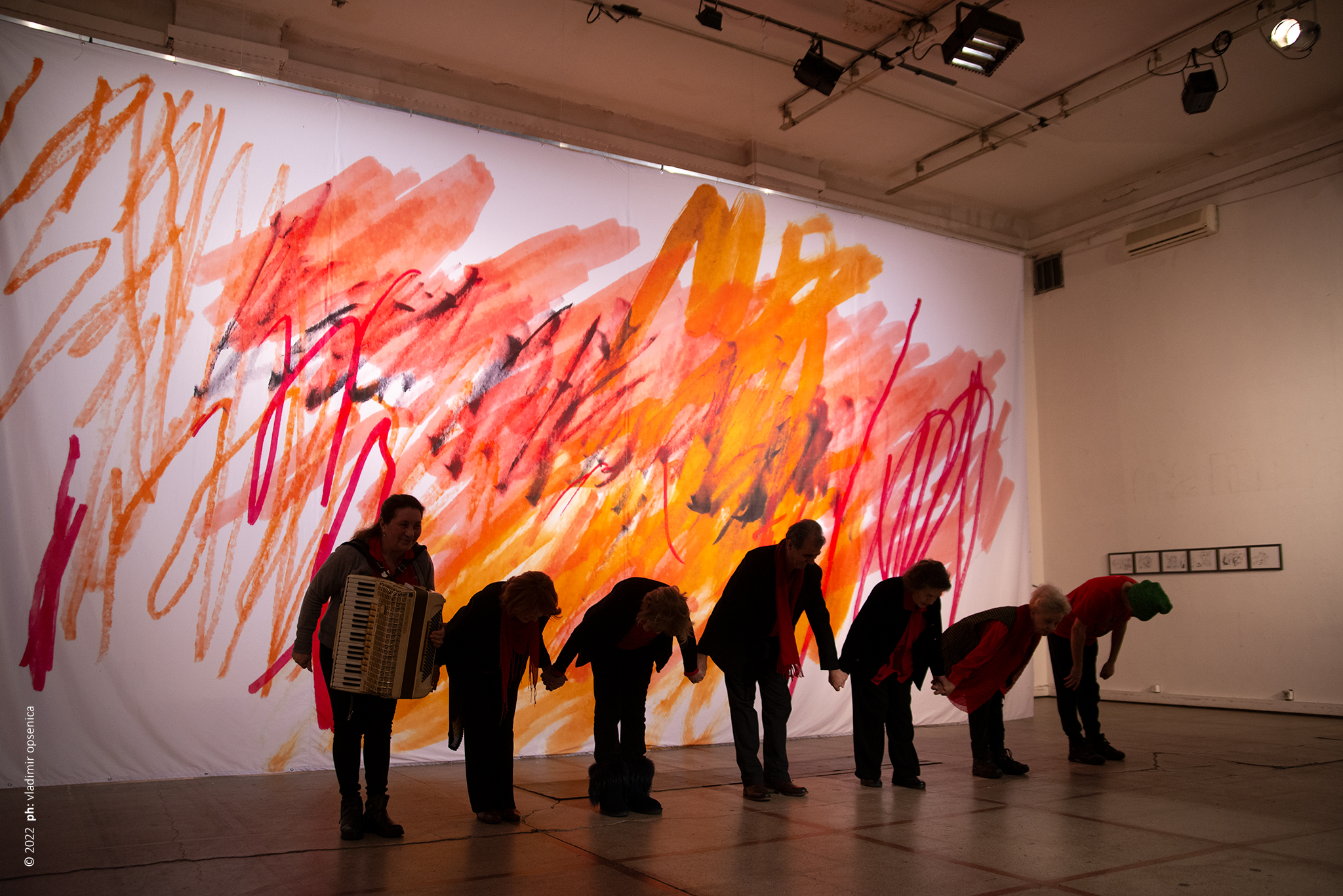
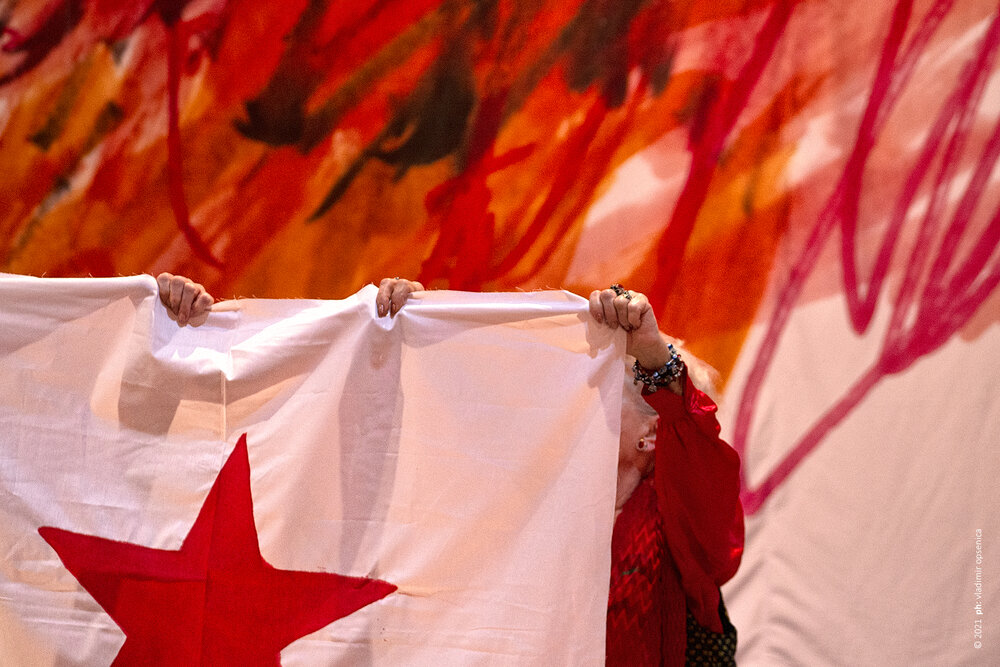
Through a rehearsal of a senior women's choir, whose performance is choreographed by Dušan Murić, Marijana Cvetković offers an enlarged perspective on the work of Lujo Davičo—a prewar choreographer and anti-fascist who created choreographies for the clandestine performances of workers' choirs in prewar Belgrade. Following his heroic death during World War II, this politically engaged artistic work was erased from public memory, the dance scene, and broader public awareness, despite the fact that Belgrade's first and only secondary ballet school bears his name.
The project is part of the Creative Crossroads program within the Life Long Burning project and is supported by the Nomad Dance Academy network, KikMelone (Zagreb), and Lokomotiva – Centre for New Initiatives in Arts and Culture (Skopje). The project is part of Lokomotiva's program Art, Politics, Institution, Body and is supported through Life Long Burning – Creative Europe, as well as by the Ministry of Culture of the Republic of North Macedonia and the City of Skopje.