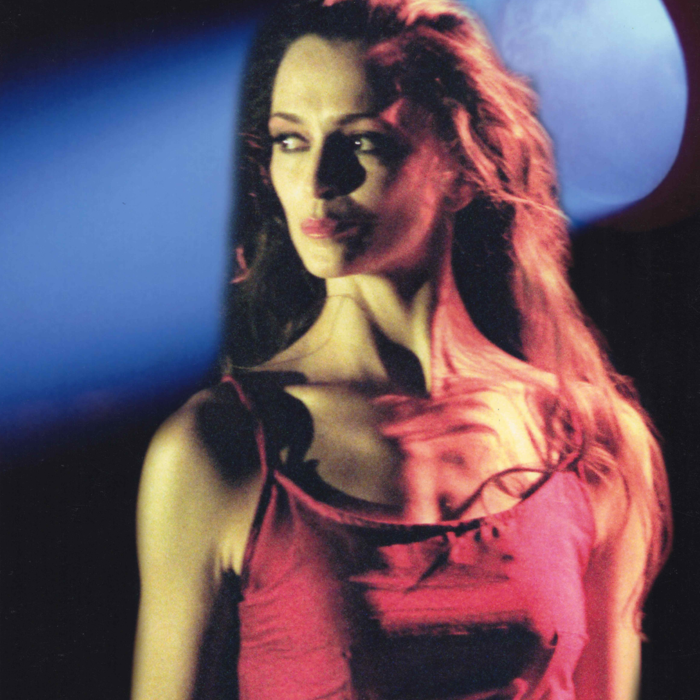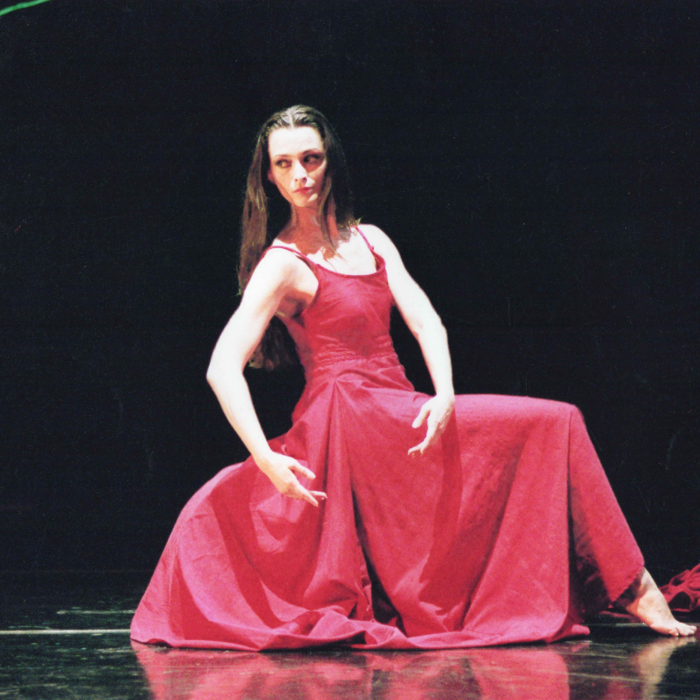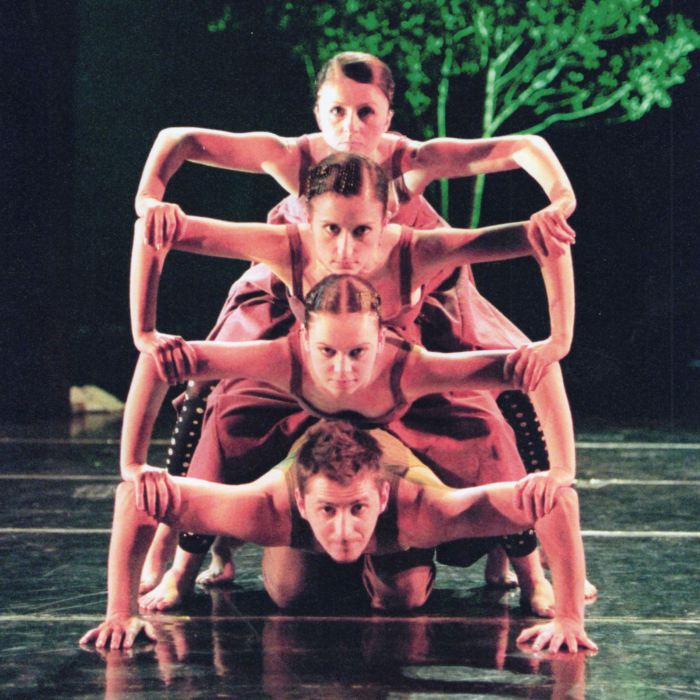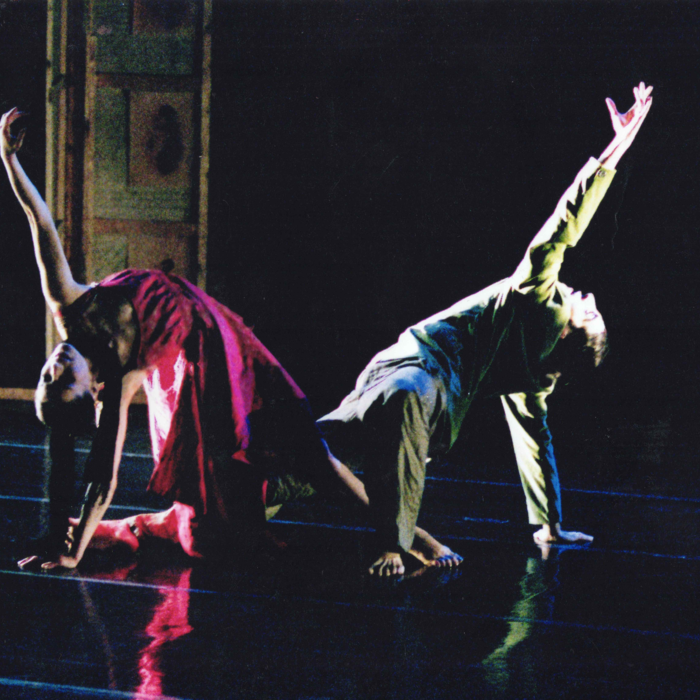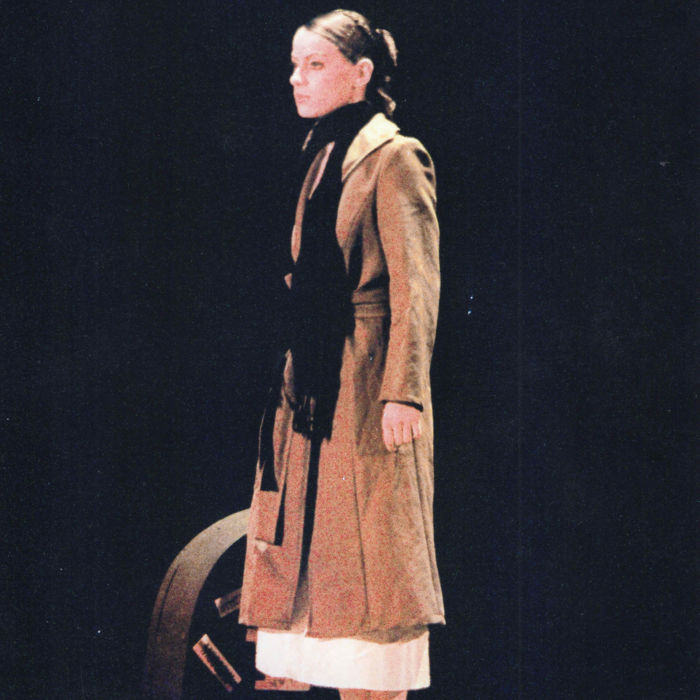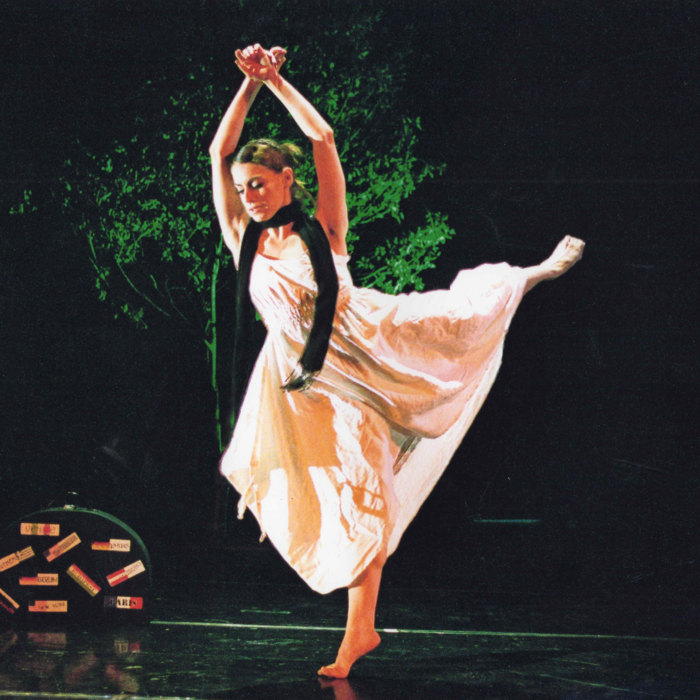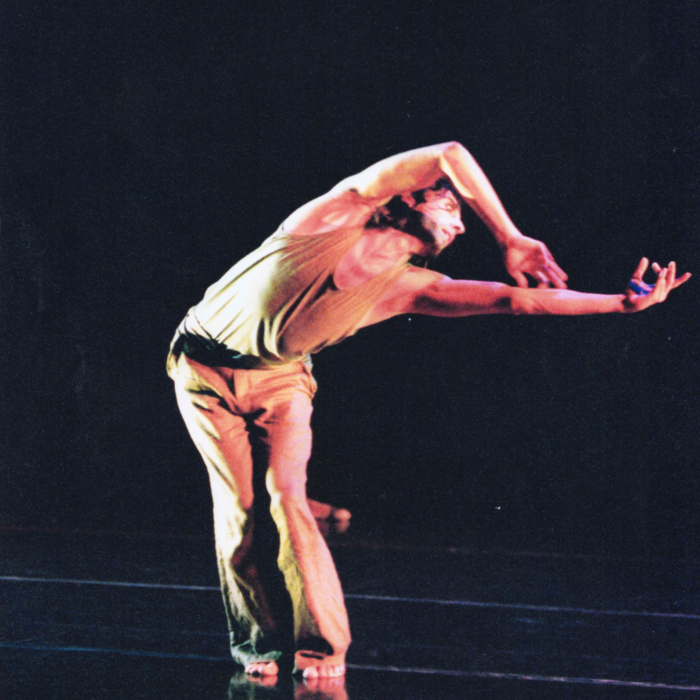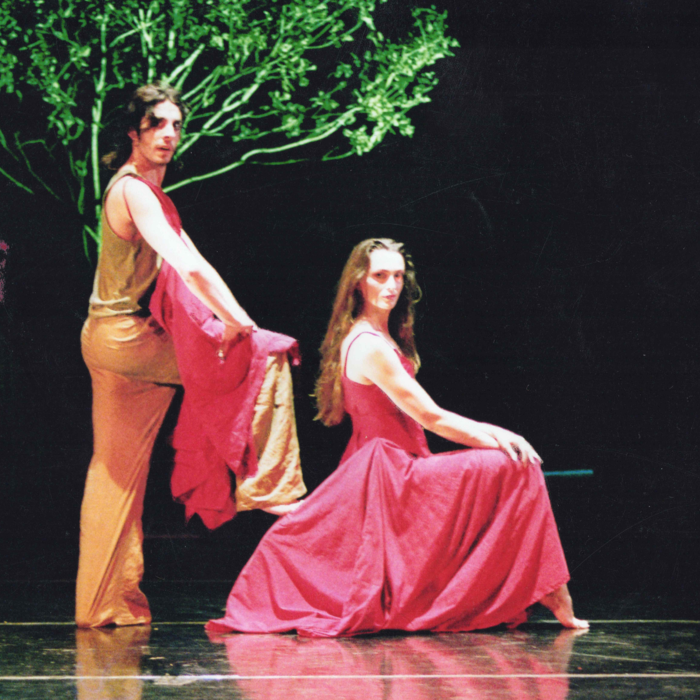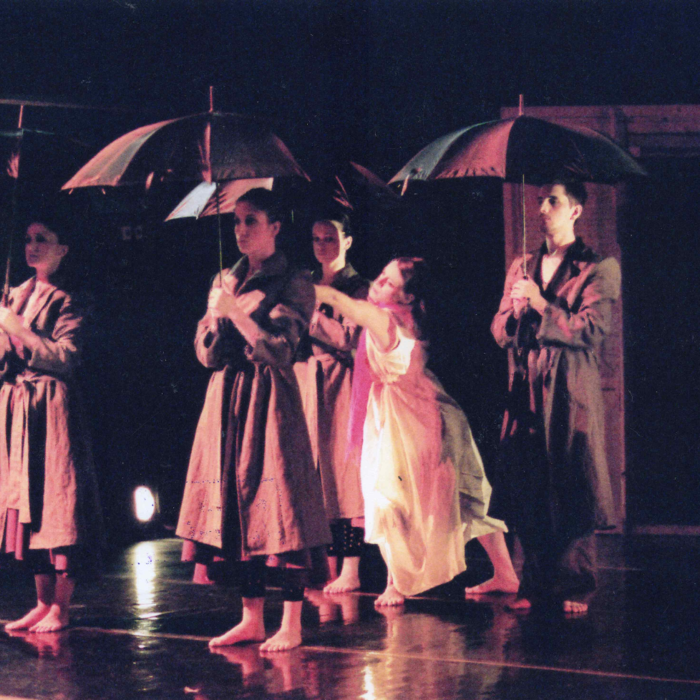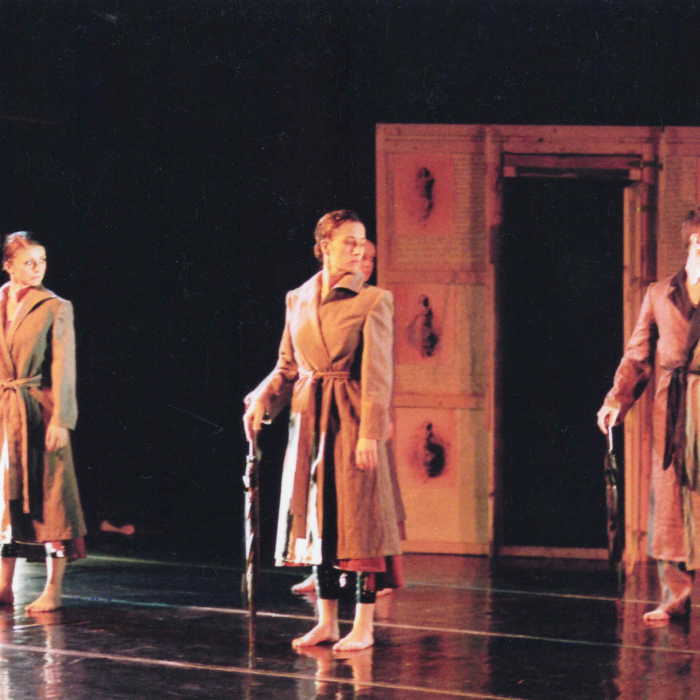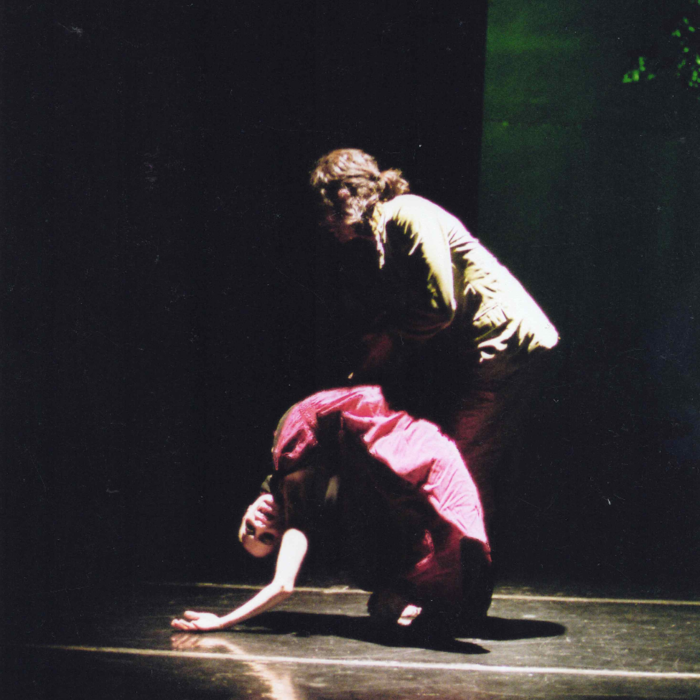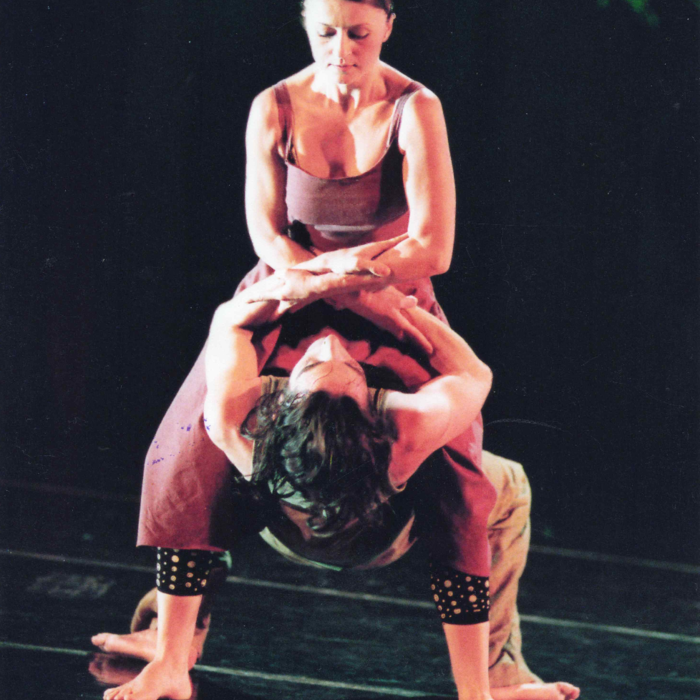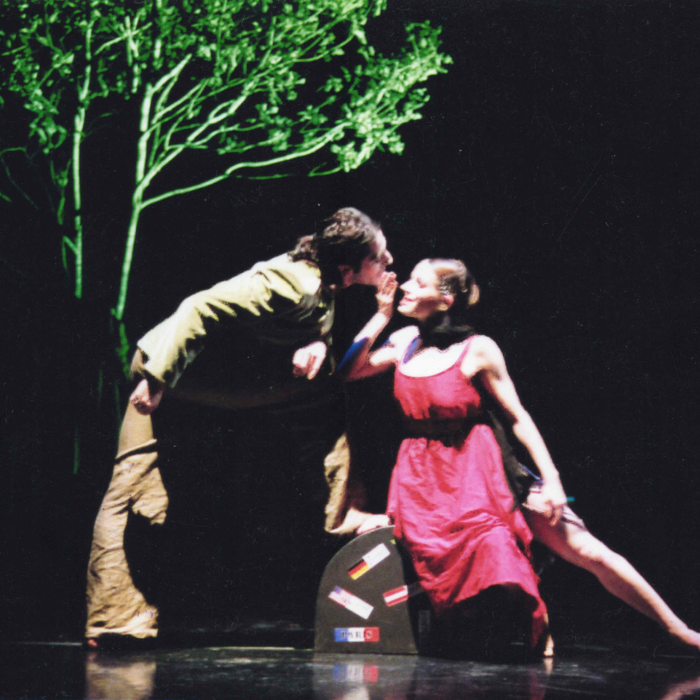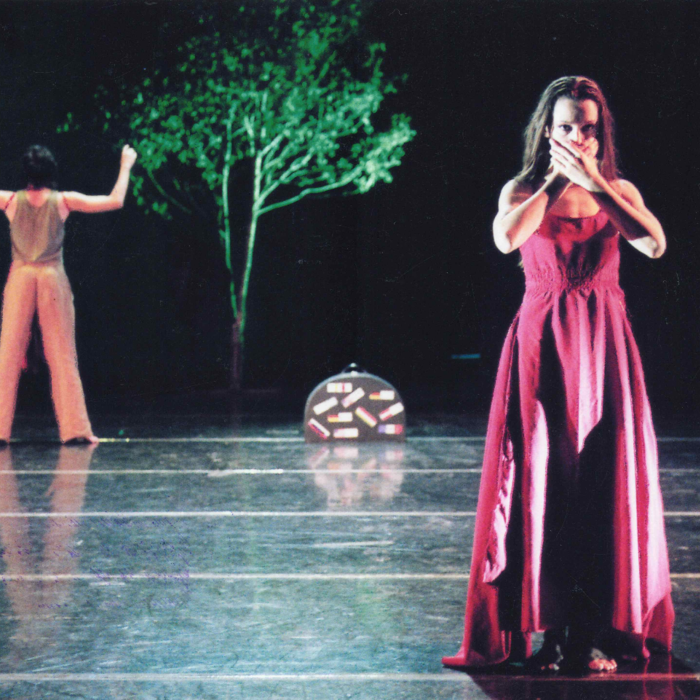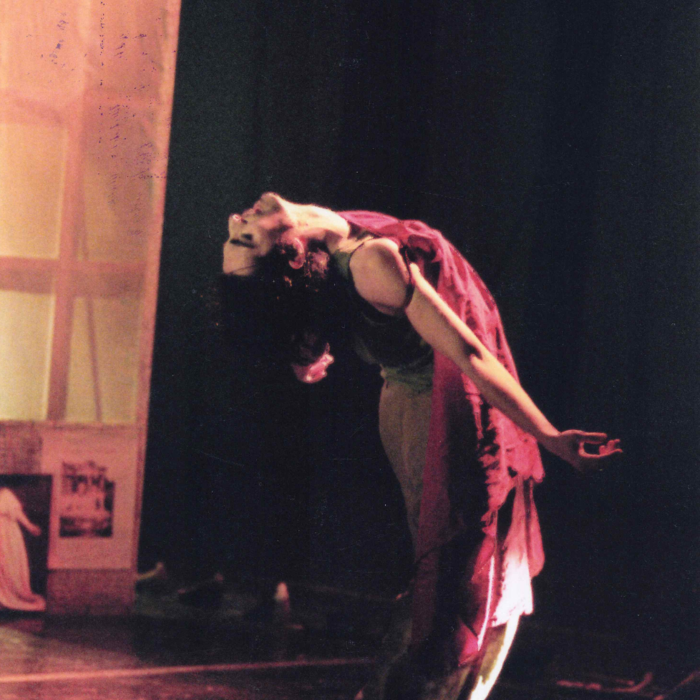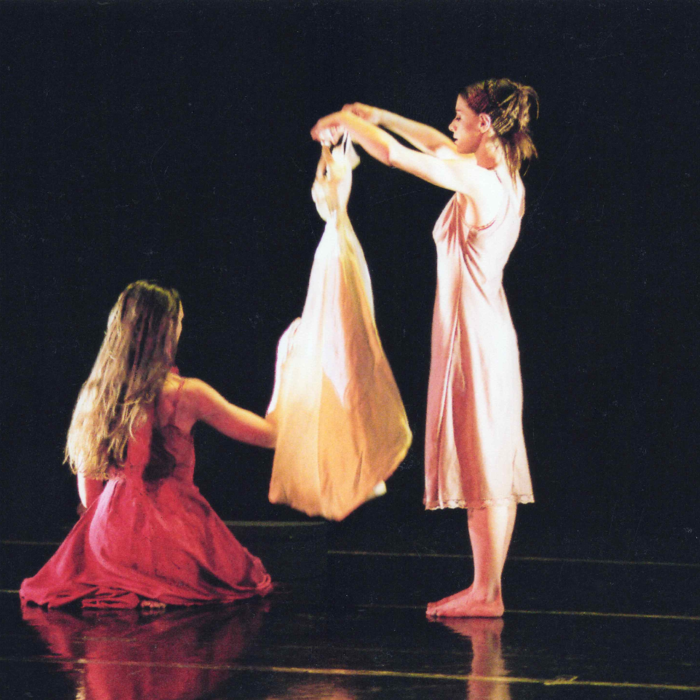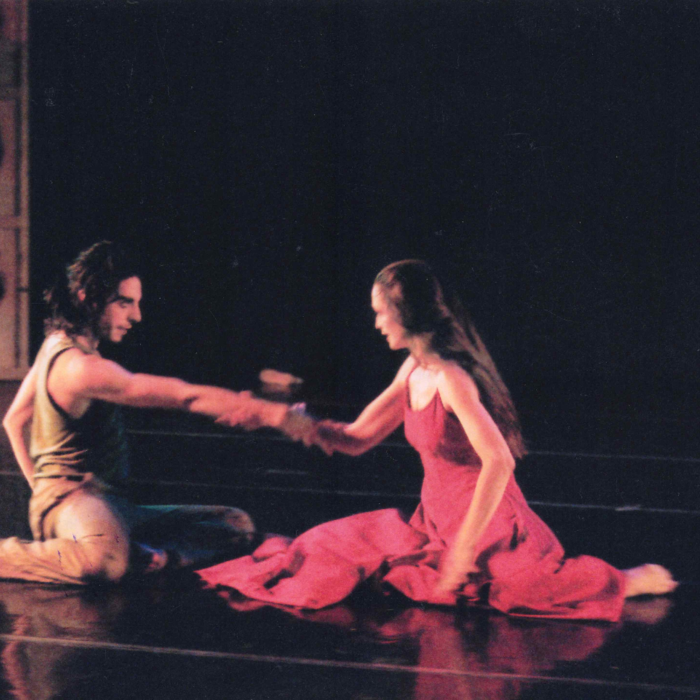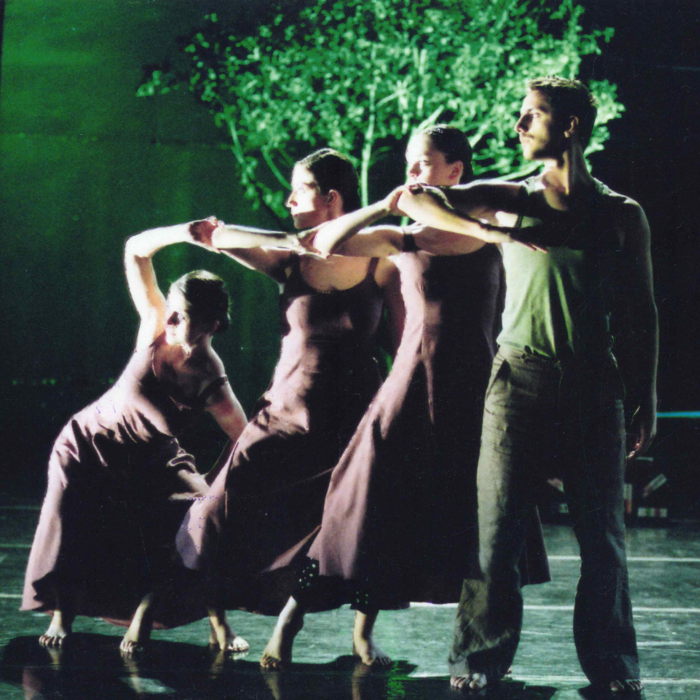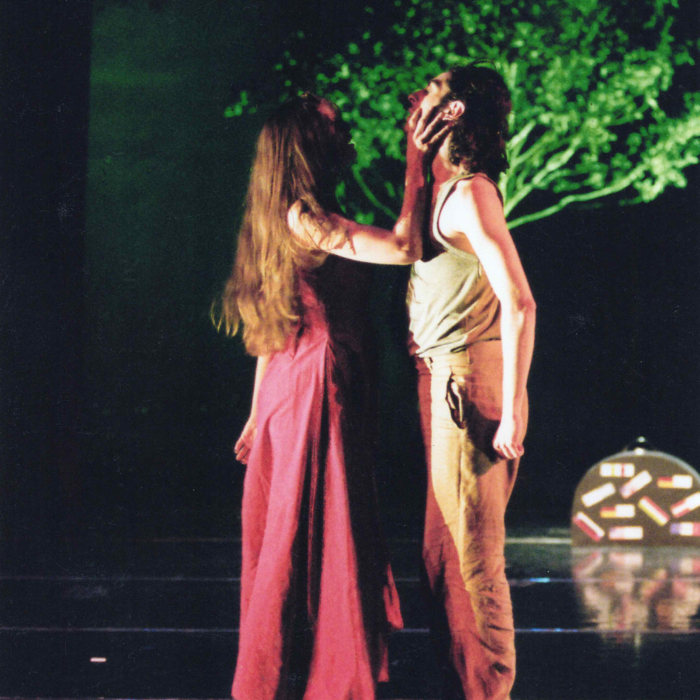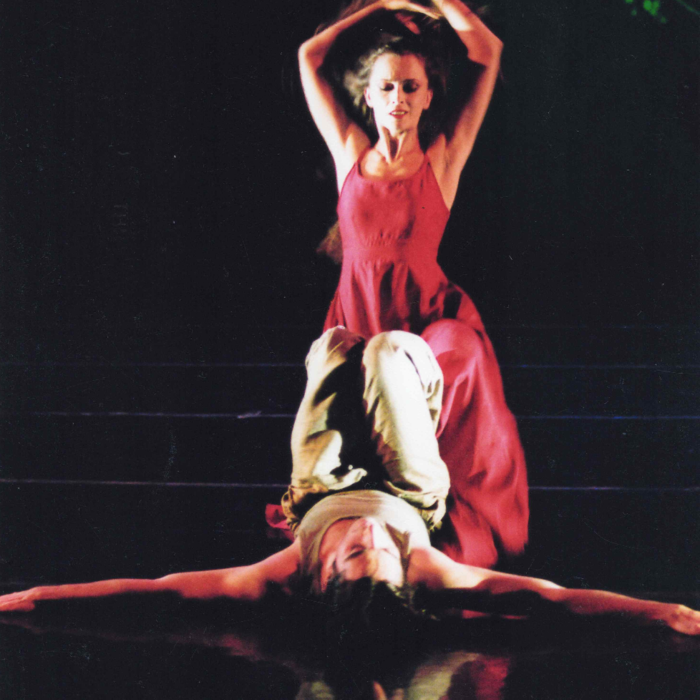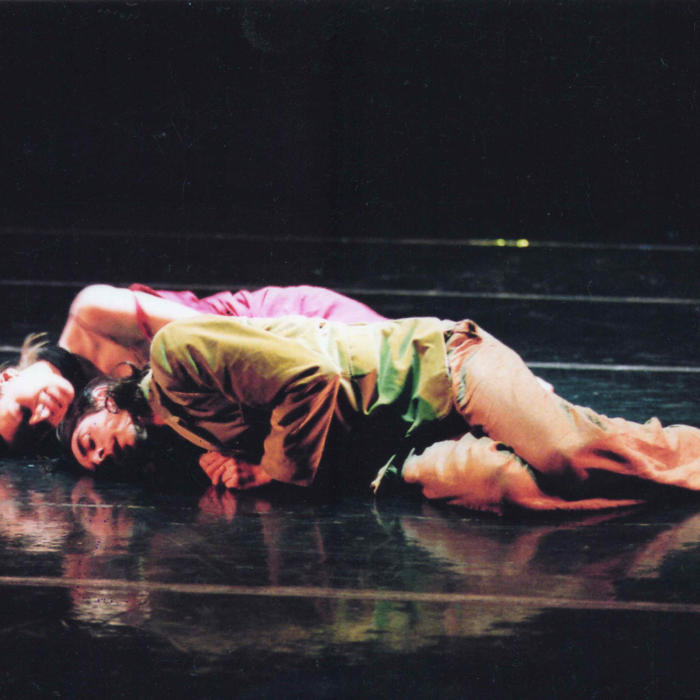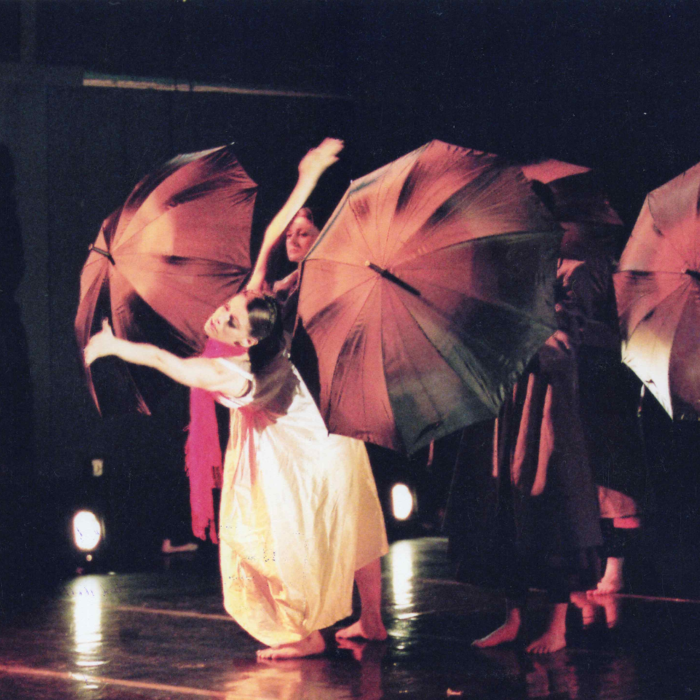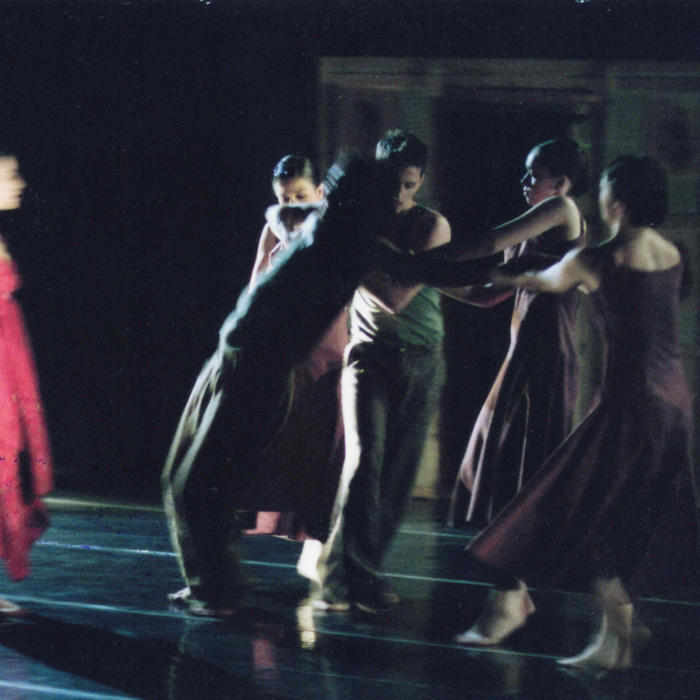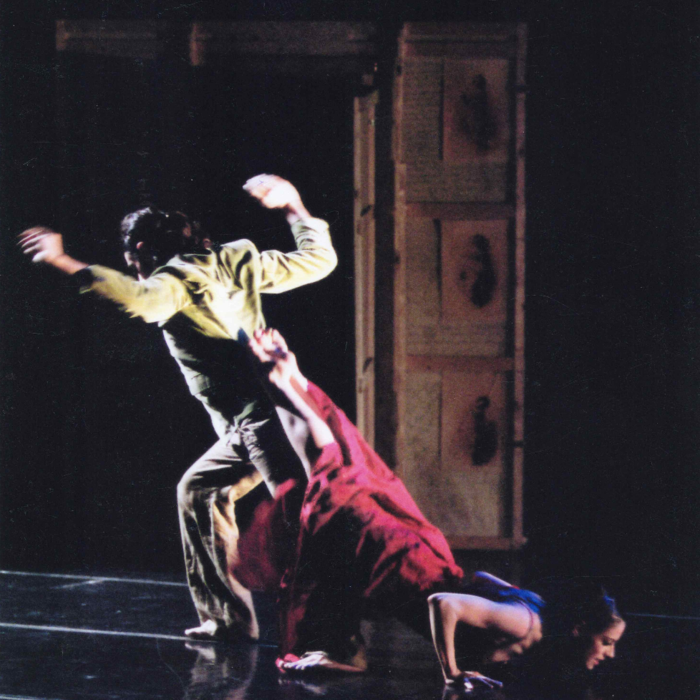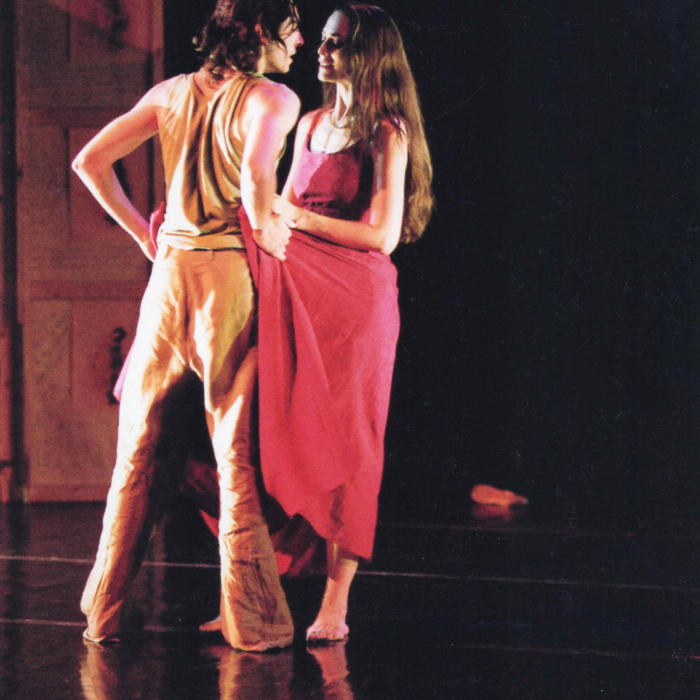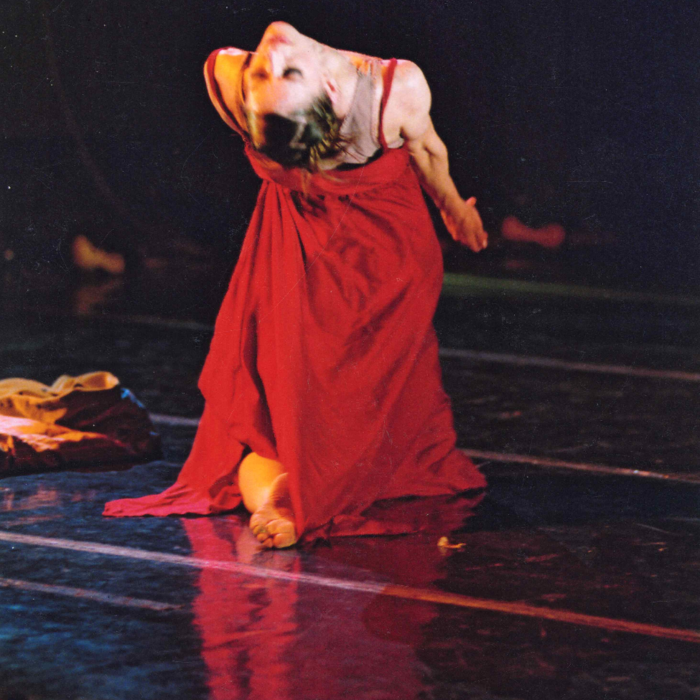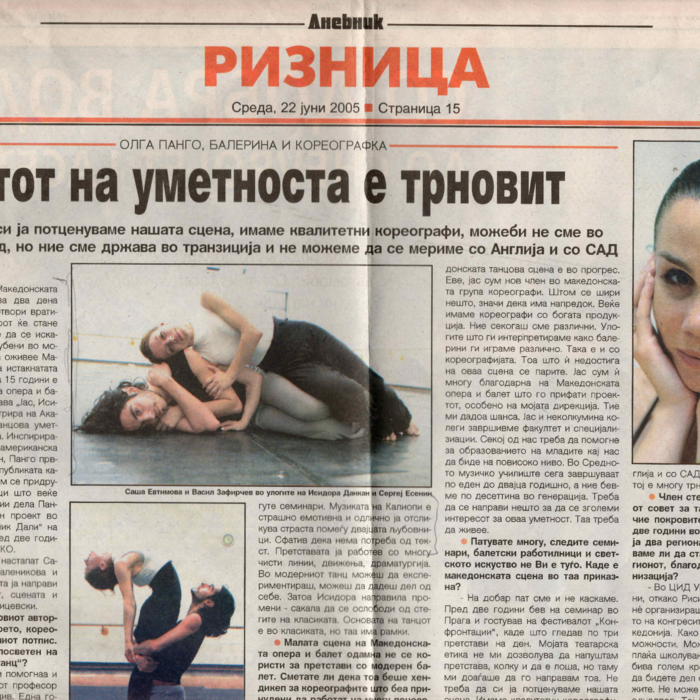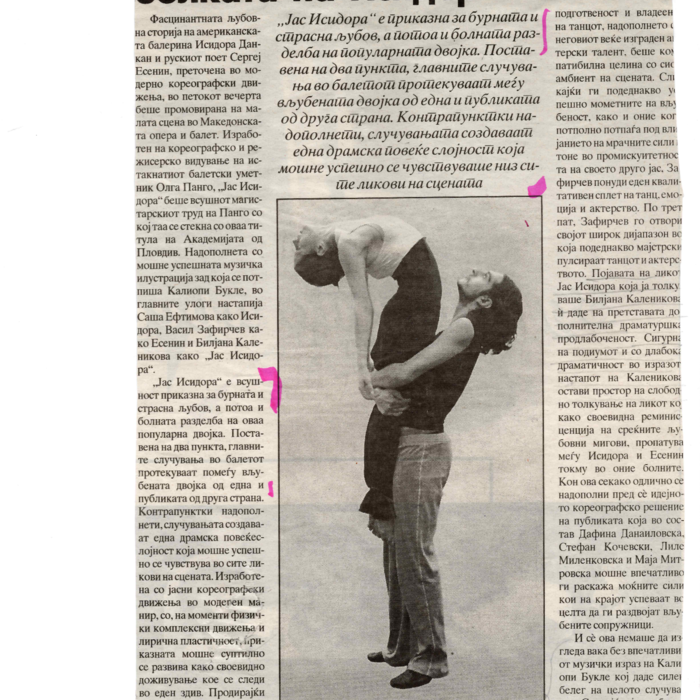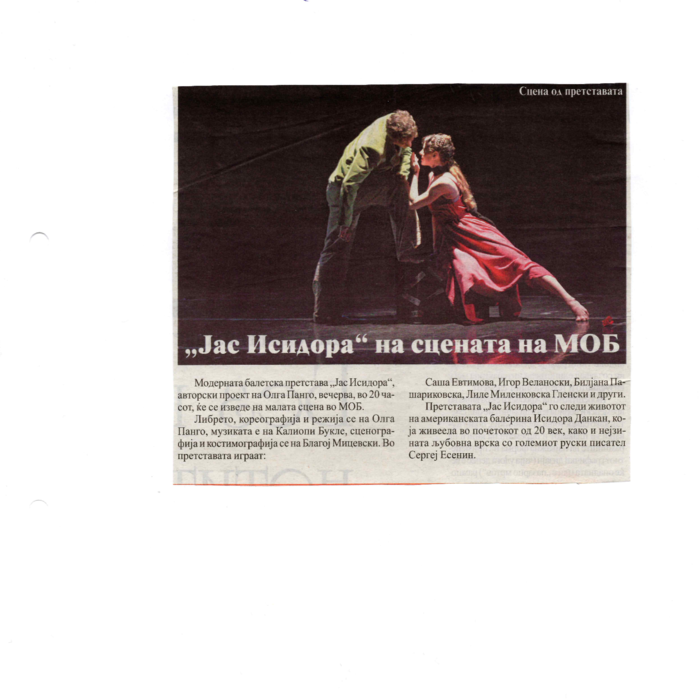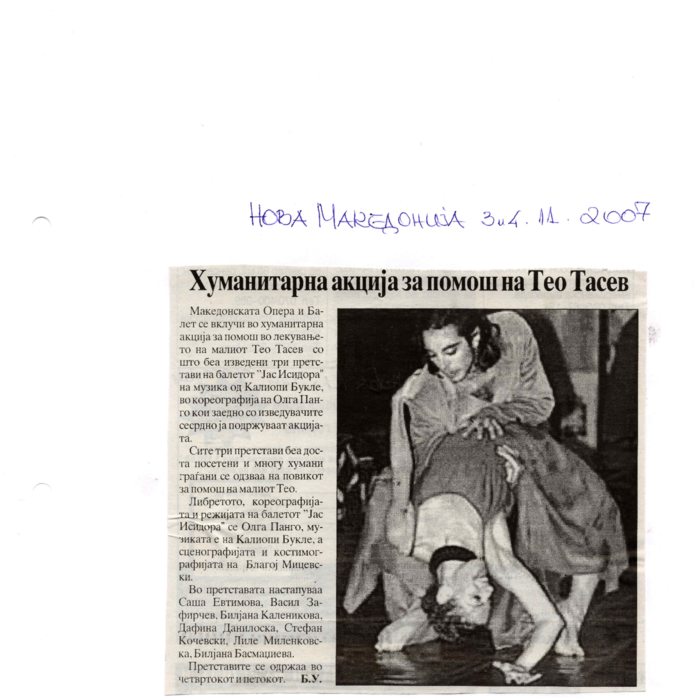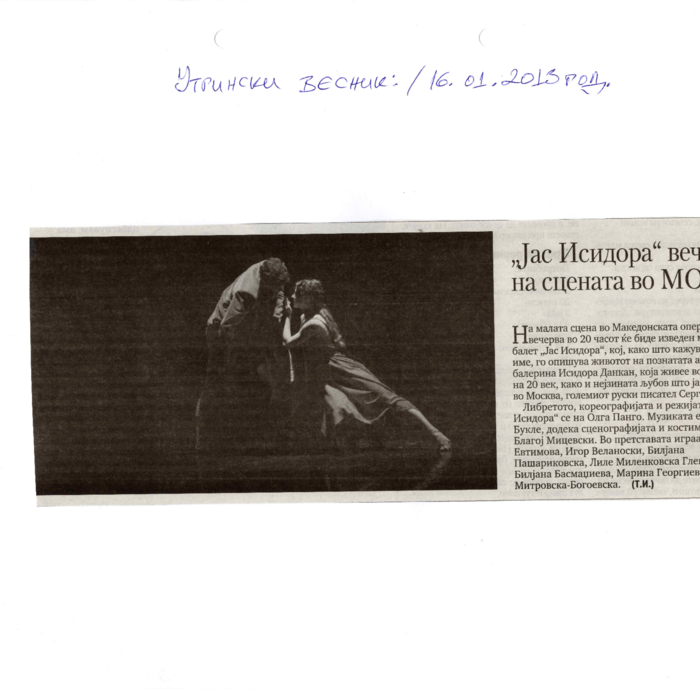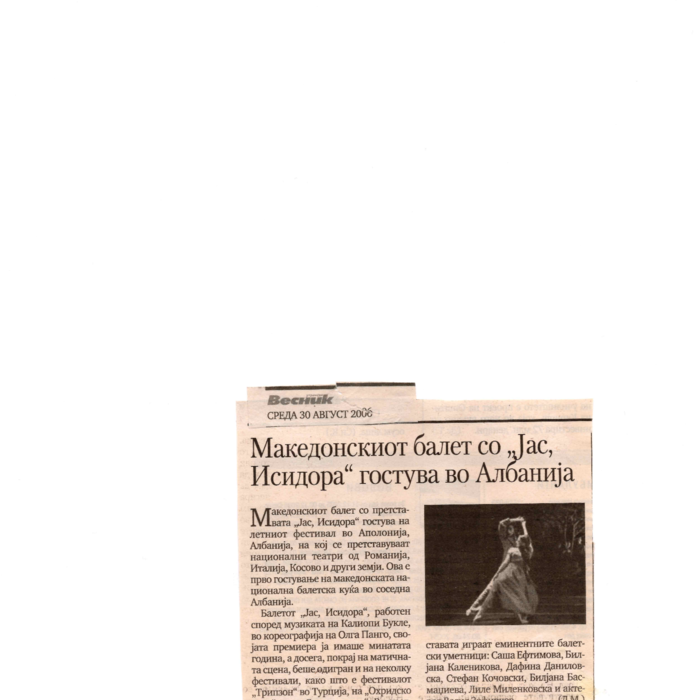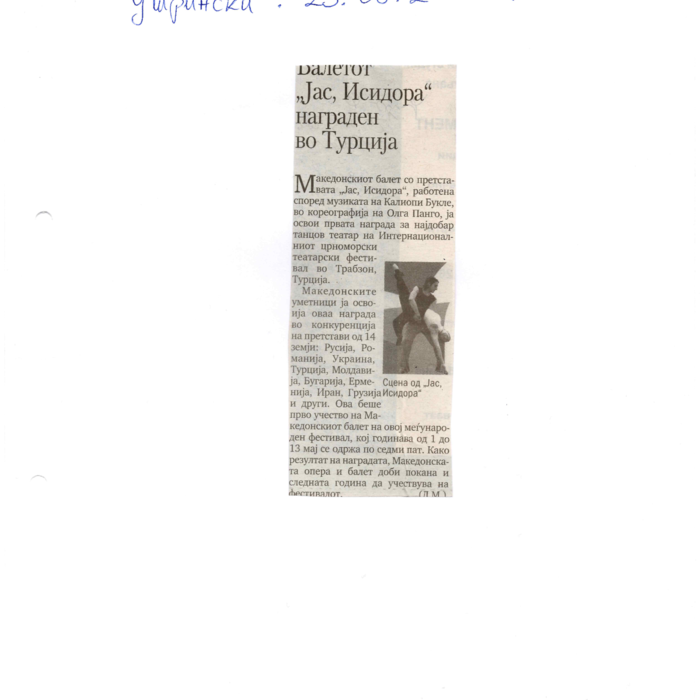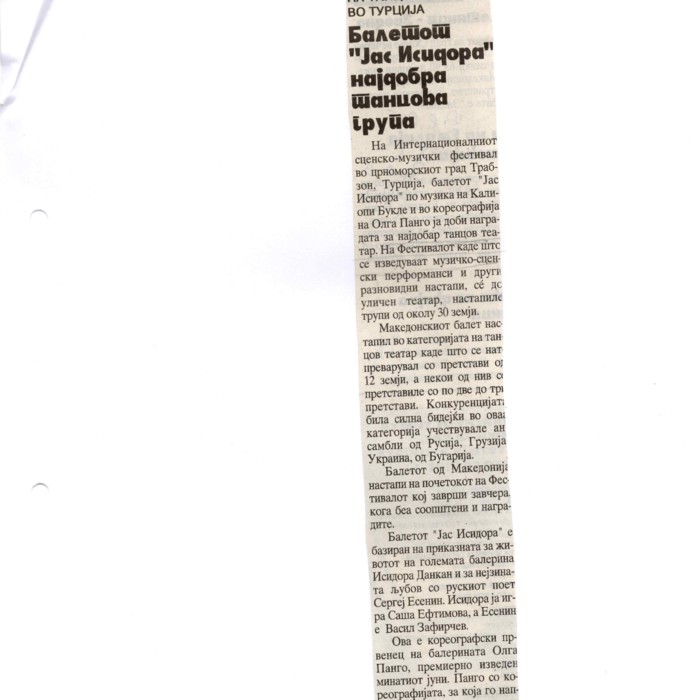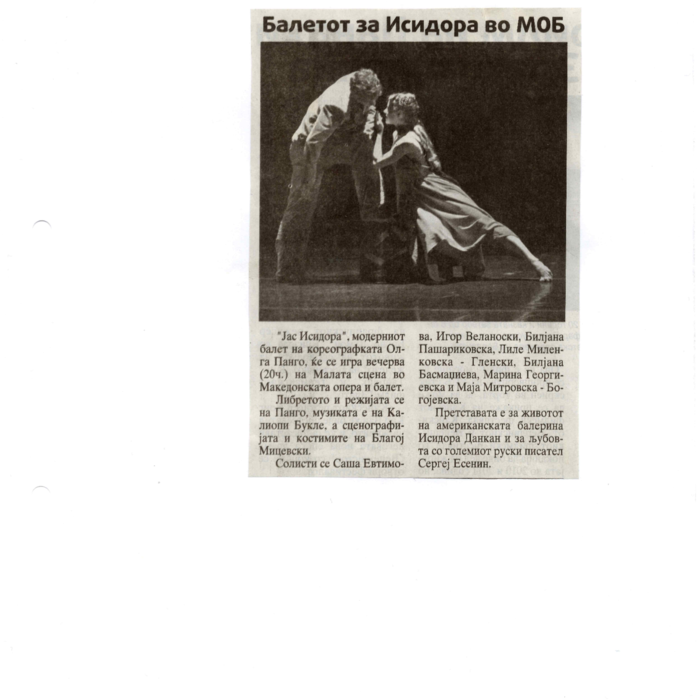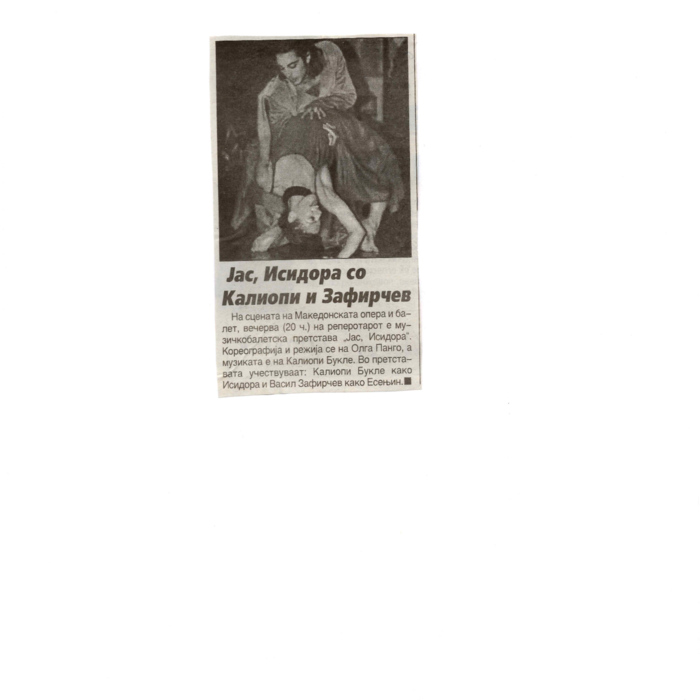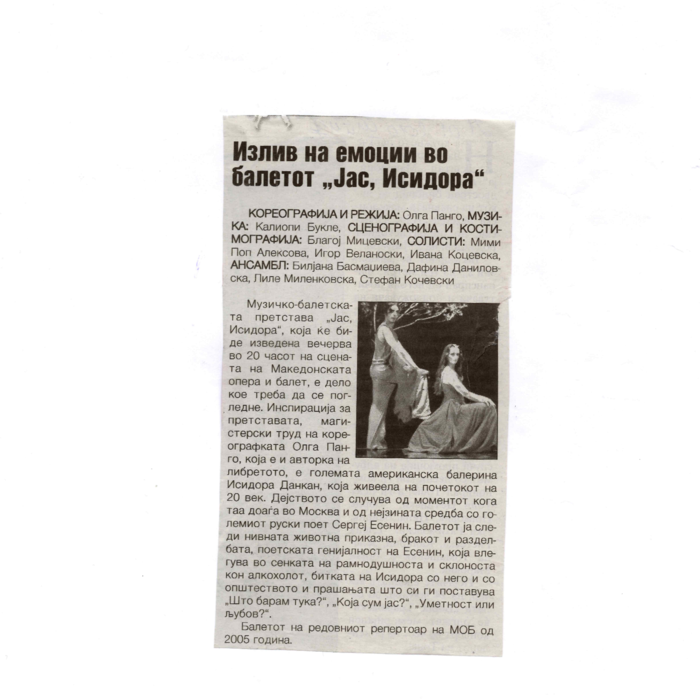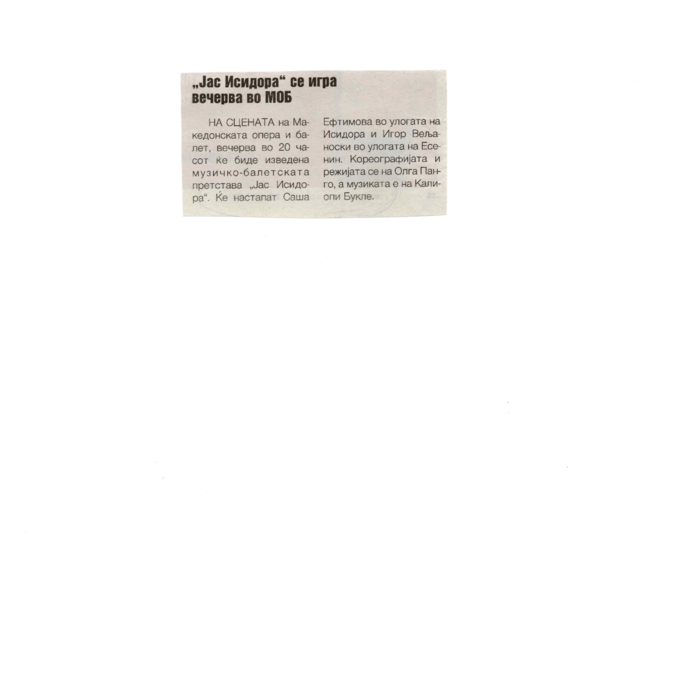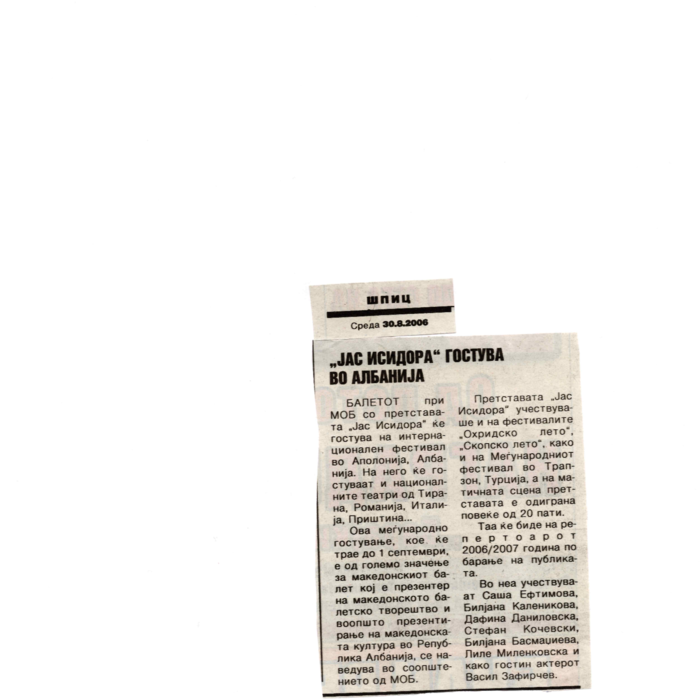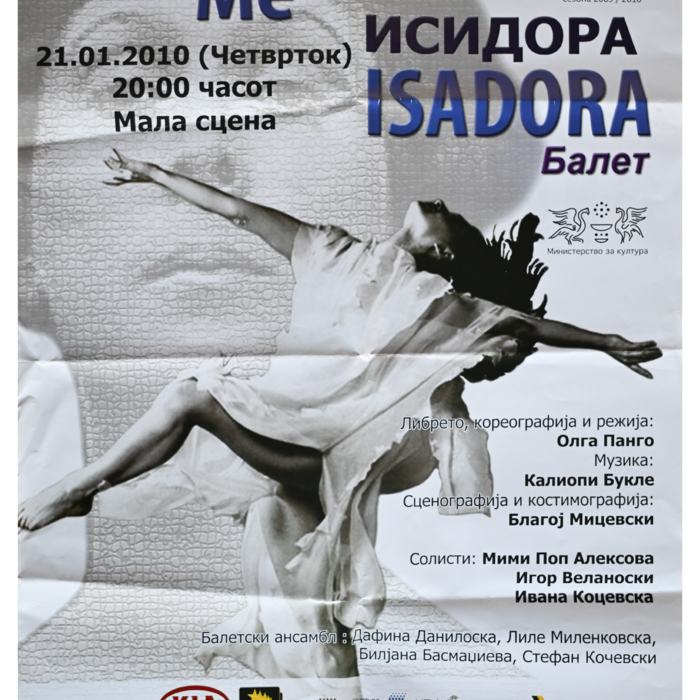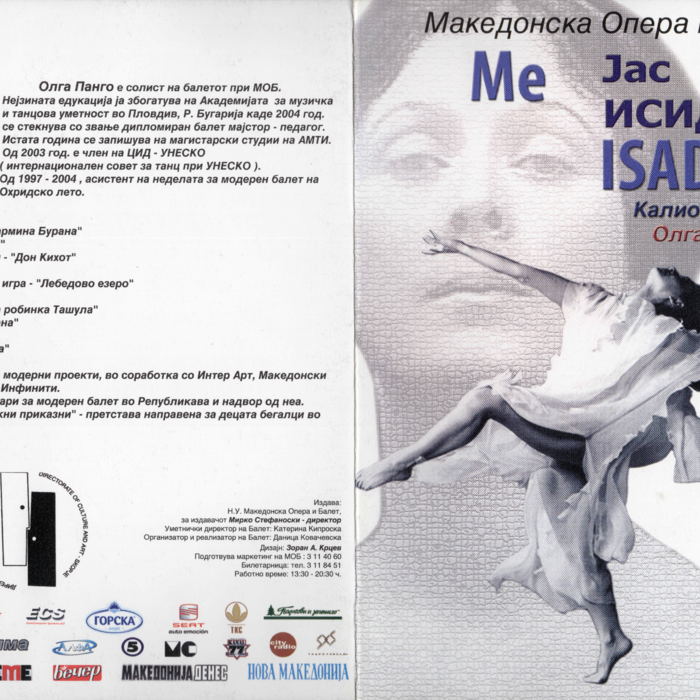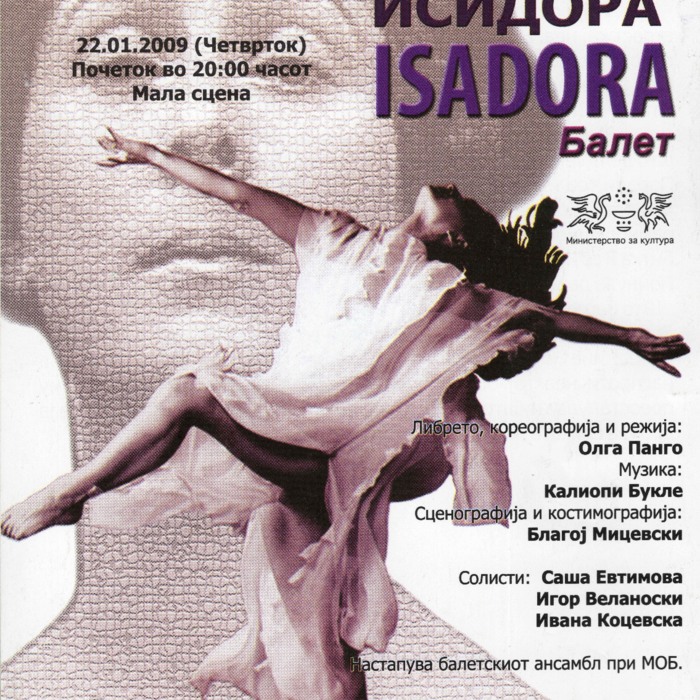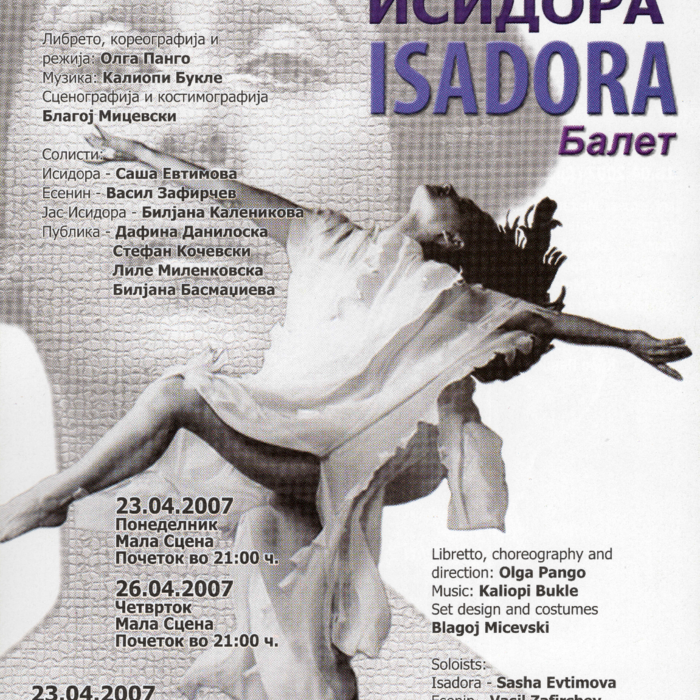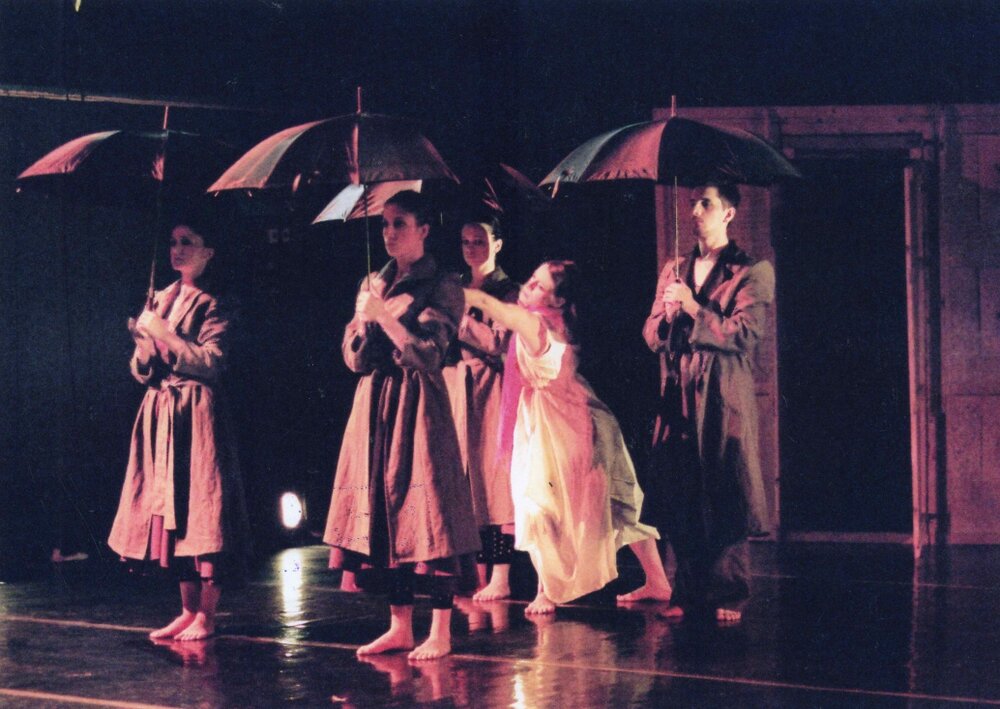
The inspiration for this performance is the great American dancer Isadora Duncan, one of the most influential artistic figures of the early twentieth century. The story begins with Isadora's arrival in Moscow, where she meets the renowned Russian poet Sergei Yesenin. Captivated by her charisma and artistic brilliance, Yesenin falls deeply in love with her, and his courtship awakens an equally powerful passion within Isadora.
Their relationship culminates in marriage, sustained by a powerful physical attraction, a shared commitment to artistic nonconformity, and their belief in the ideals of equality and communism. Neither of them is destined for a quiet, conventional existence. Instead, they are larger-than-life personalities whose every action stirs controversy and attracts public attention. As a result, their lives unfold under the relentless gaze of society.
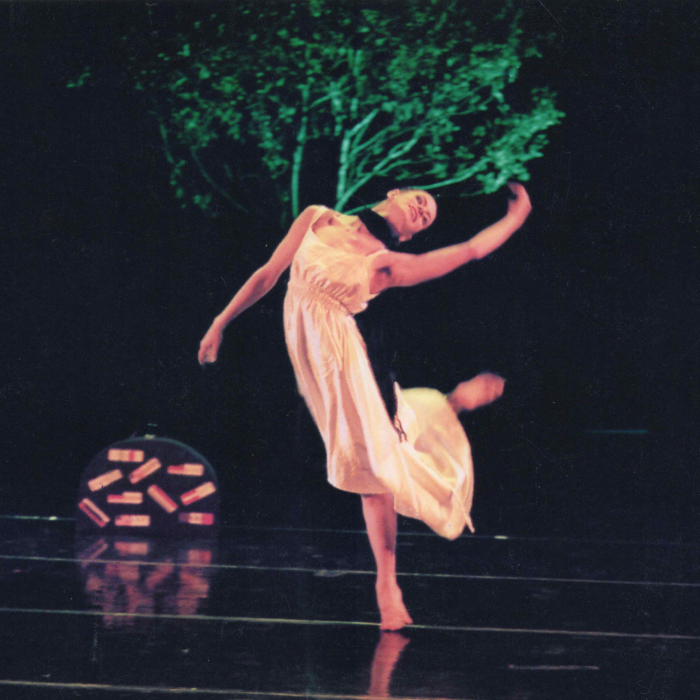
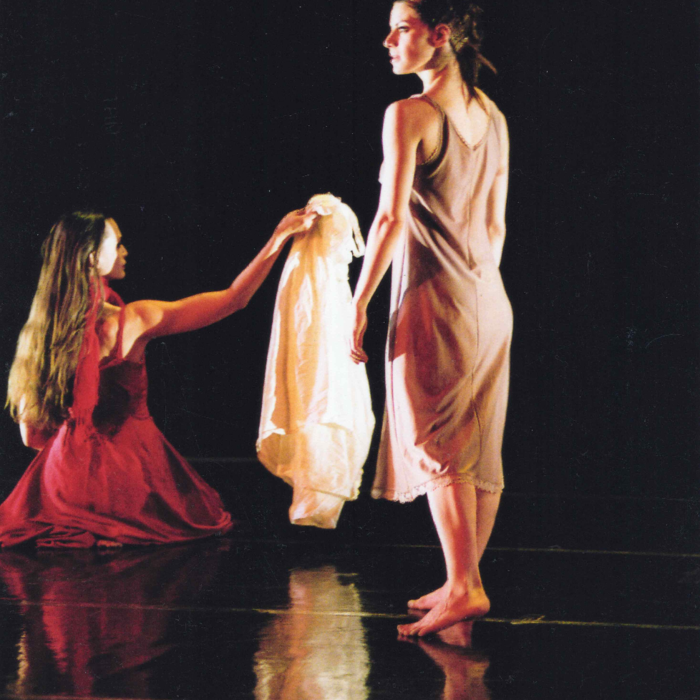
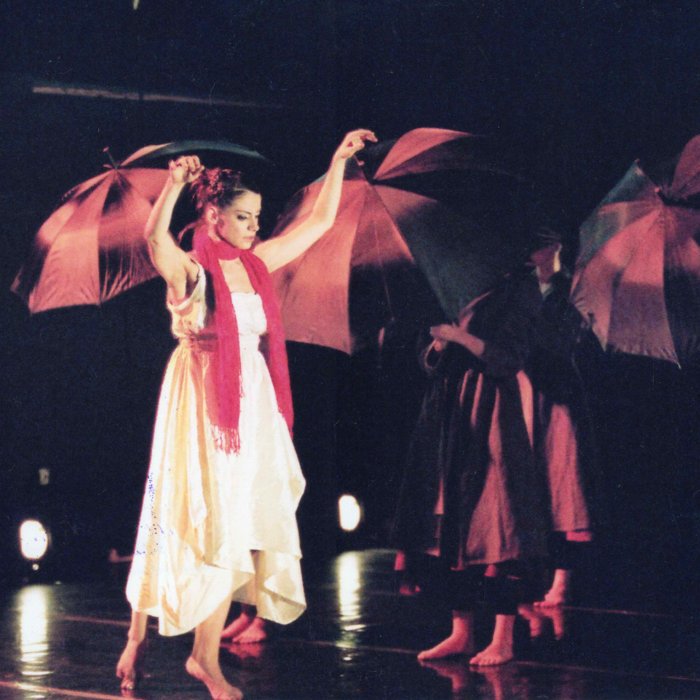
Gradually, Yesenin's poetic genius is overshadowed by emotional detachment and his growing dependence on alcohol. His moral decline leads him into the arms of other women, giving rise to a web of scandals eagerly magnified by the public. Isadora finds herself fighting not only for her marriage but also against the society that surrounds them. She begins to question herself: "What am I doing here?" "Who am I?" "Art or love?"
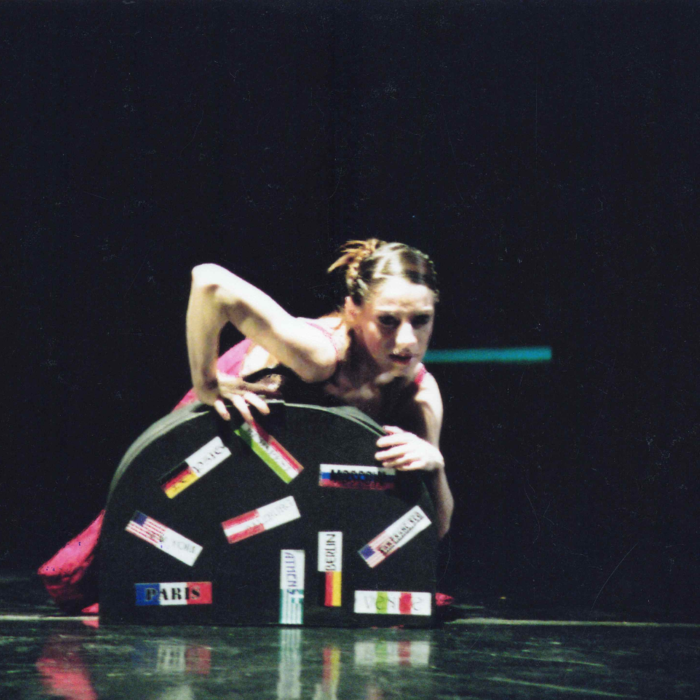
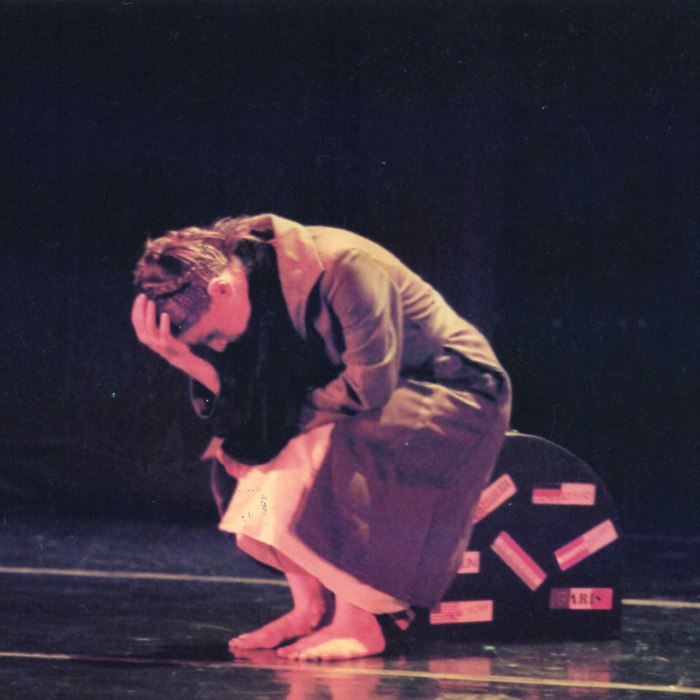
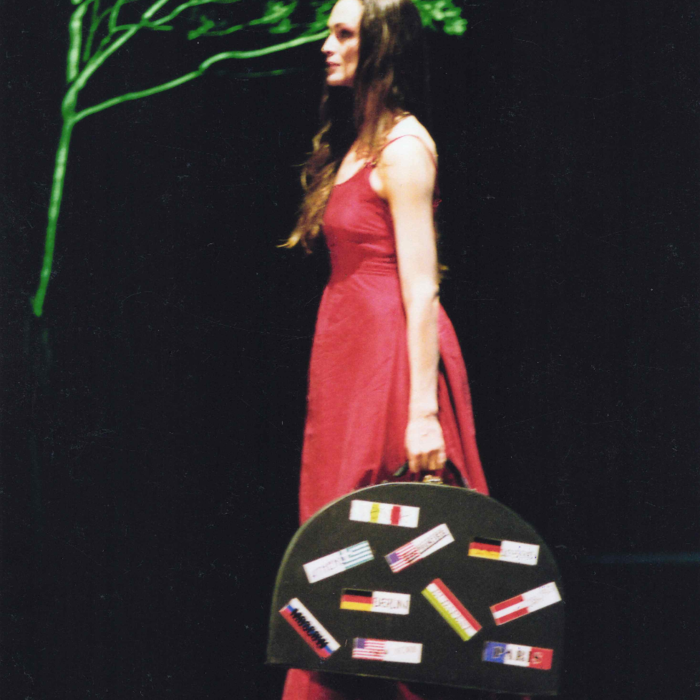
No longer willing to sacrifice herself in this barren land, Isadora decides to leave Russia and abandon Yesenin. Her departure brings her a sense of liberation, while he is left alone, accompanied only by alcohol. With nothing else to hold on to, he sinks deeper into drunkenness until, after a long and painful descent, he encounters the vision of "The Black Man"—the haunting image that marks the beginning of his end.