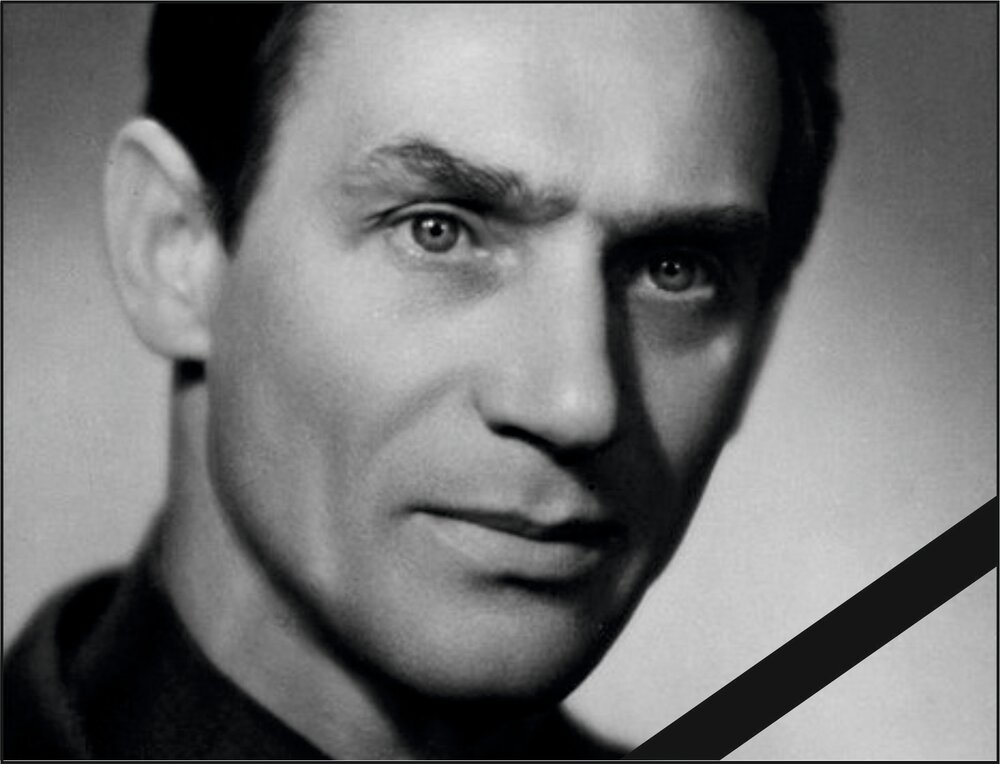
Miroslav Kůra was one of the most significant Czech ballet artists of the 20th century – a distinguished dancer, choreographer, and ballet director who left a profound mark on the development of Czech and European ballet. He was born on 26 May 1924 in Brno, Czechoslovakia.
He received his ballet education at the school of the renowned pedagogue Ivo Váňa Psota in Brno and began his professional career at a young age as a member of the ballet ensemble of the National Theatre in Brno. After the Second World War, he continued his artistic career in several major theatres, including the Slovak National Theatre in Bratislava and the National Theatre in Prague.
As a dancer, he became renowned for his interpretations of major classical and dramatic roles, distinguished by his exceptional stage expressiveness, dramatic intensity, and strong theatrical presence. As a choreographer, he created numerous ballet productions, among which his version of Romeo and Juliet, created in collaboration with director Petr Weigl, holds a particularly important place and remains one of his most celebrated works.
Throughout his career, he served as artistic director of several ballet companies, including the Ballet of the National Theatre in Prague. During the 1966/1967 season, he was also connected with Skopje, where he served as the head of the Ballet of the Macedonian National Theatre, contributing to the development and artistic growth of the Macedonian ballet scene.
For his long and distinguished artistic career, he received numerous honours, including the title of National Artist of Czechoslovakia (1968), as well as various international awards and recognitions for his contribution to ballet.
Miroslav Kůra passed away on 11 November 2023, leaving behind a significant legacy as one of the most influential ballet artists and choreographers in Czech ballet history.


