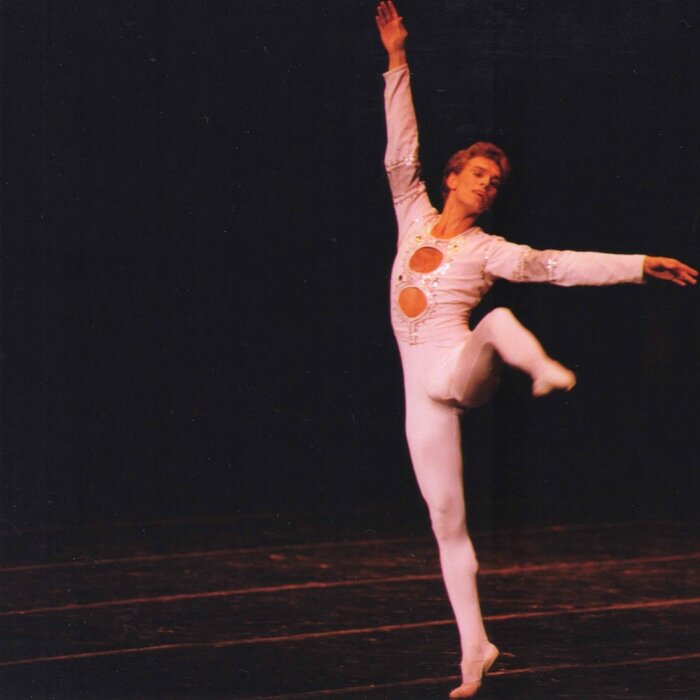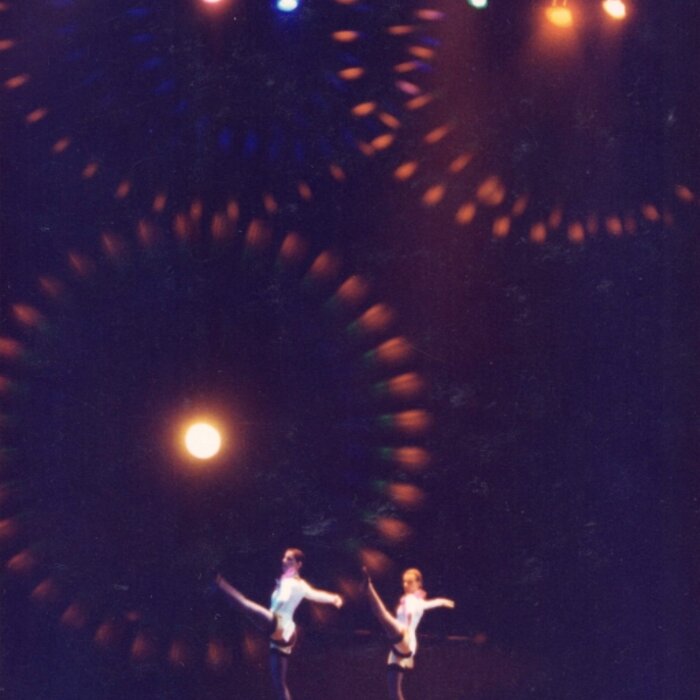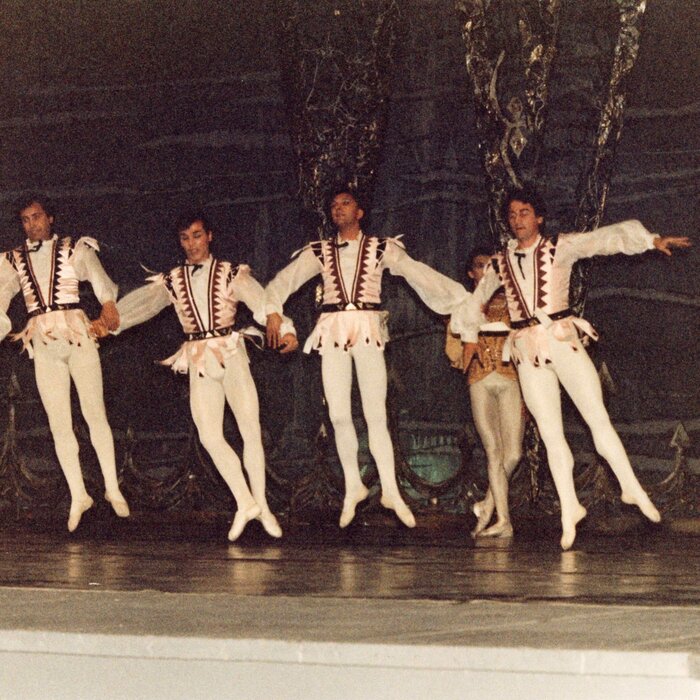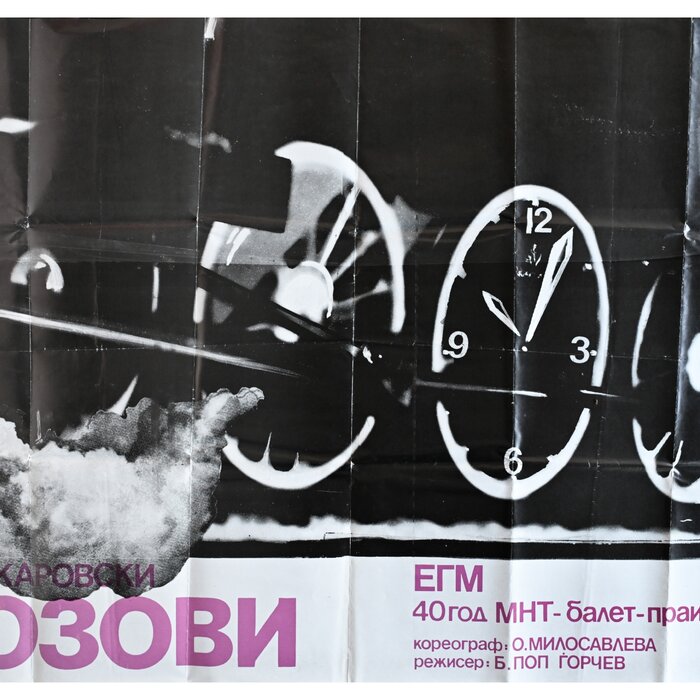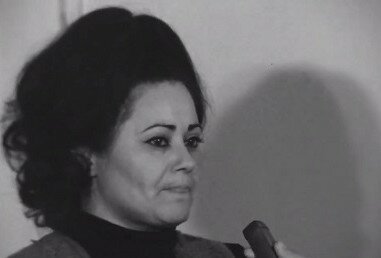
Olga Milosavleva (1935–1997) is one of the most significant figures in the history of Macedonian ballet – a distinguished ballerina, choreographer, and pedagogue, and a member of the first generation of artists who laid the foundations of the professional ballet scene in Macedonia.
She was born in Tetovo on September 14, 1935. She received her ballet education at the Secondary Ballet School in Skopje, where she studied under the guidance of Gjorgji Makedonski and Nina Kirsanova, names of exceptional importance in the development of ballet art in Macedonia. As a young artist, she became a member of the Ballet Company of the Macedonian National Theatre, where she built an impressive stage career from 1949 to 1976.
Known for her powerful stage temperament, expressiveness, and dramatic depth, Milosavleva distinguished herself as a character ballerina who brought great artistic maturity and emotional intensity to her roles. Throughout her performing career, she created a number of remarkable characters, including Gitana in Bolero by Maurice Ravel, Candelas in El amor brujo (Love, the Magician) by Manuel de Falla, and the Miller’s Wife in The Three-Cornered Hat by the same composer.
Alongside her performing career, in 1958 she began actively working in choreography and became one of the most prolific Macedonian choreographers. Her creative work focused on the creation of ballet pieces with a distinctive Macedonian expression, combining contemporary choreographic approaches with national musical and folkloric heritage.
Among her most significant choreographic works are the ballets Labin and Dojrana to music by Trajko Prokopiev, The Dubrovnik Legend by Ljubomir Brangolica, and A Macedonian Chronicle by Gligor Smokvarski, as well as numerous other productions that left a lasting mark on the development of the Macedonian ballet repertoire.
As a pedagogue, Milosavleva generously shared her knowledge and stage experience with younger generations of ballet artists, contributing to the education of new professional performers and to the preservation of ballet tradition in Macedonia.
Her artistic legacy represents an important part of Macedonian cultural heritage. Through her dedication, creative spirit, and vision for the development of ballet art, Olga Milosavleva remains remembered as one of the pioneers of Macedonian choreography and as an artist whose work continues to inspire new generations of performers and creators.
She passed away in Skopje on January 16, 1997, leaving behind a rich artistic legacy and a permanent place in the history of the Macedonian ballet scene.